Cantaloupes are a summer favorite for good reason. Their juicy, sweet flesh is perfect for fruit salads, smoothies, or just enjoying fresh from the farm. These sun-loving plants belong to the same family as cucumbers, pumpkins, and squash. They thrive in warm weather, which means late spring to early summer is the ideal time to plant them in most climates.
But while cantaloupes are relatively easy to grow in the right conditions, they can benefit greatly from growing beside a few strategic companion plants. Let’s explore the best plants to grow beside cantaloupes.
1. Bush Beans

Bush beans are a great companion plant for cantaloupe because their roots host nitrogen-fixing bacteria, which replenish the soil for the nearby cantaloupe vines. Because
Give both crops full sun, loose soil, even moisture, and add a little compost to the side (one-time application) and leave the rest to the beans. Also, skip extra high-nitrogen fertilizers, as excessive nitrogen can cause the cantaloupe vines to produce more leaves than fruit if they receive too much.
2. Sweet Corn
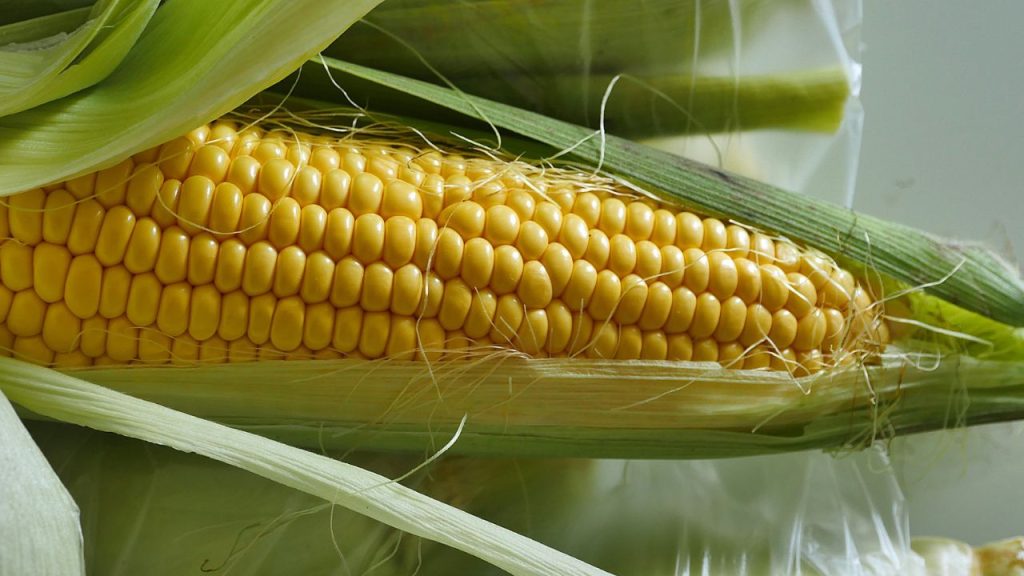
Sweet corn and cantaloupes make great companion plants because neither tries to outcompete the other for space. While cantaloupe sprawls on the ground, corn grows skyward.
Their tall stalks provide dappled afternoon shade that helps protect cantaloupe fruit from scalding. Cantaloupes do not tolerate wet conditions, while corn is a thirsty crop that absorbs excess water from the soil when it is soaked, saving the melons from moisture stress.
Plant corn in rich, well-drained soil once it’s warm, then sow melon seeds at the row edges two weeks later. Keep spacing wide so vines don’t smother young corn, and both crops will mature in harmony.
3. Radishes
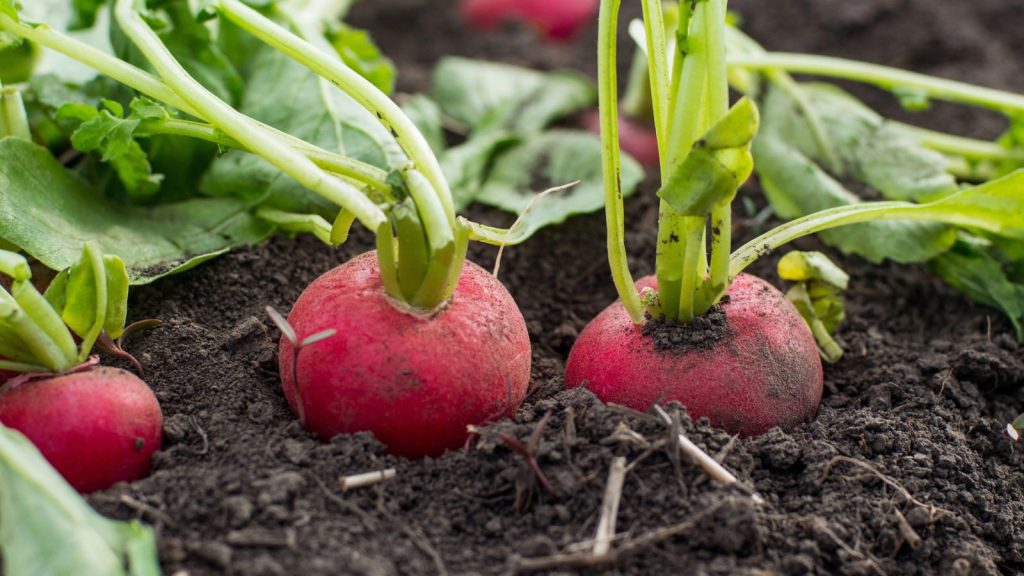
Radishes confuse common cantaloupe pests, such as
Sow
4. Marigold

The musky scent of
Plant them in clusters at bed corners or scatter them down rows to bloom all season long. Any well-drained soil and full sun will do. Deadhead spent blooms every week or two, and the plants will keep flowering right up to frost.
Related: The Worst Plants to Grow Near Marigolds (That No One Talks About)
5. Nasturtium

Nasturtiums can serve as a trap crop for pests such as aphids or flea beetles. Grow these cheerful trailers along bed edges and let them sprawl away from the cantaloupe, so they don’t clash.
You can snip a few edible flowers for salads, but as soon as colonies of pests build up, remove the whole
6. Borage

Borage’s blue, star-shaped flowers are like neon signs that attract honeybees, which means better pollination and fatter fruits for the cantaloupes. Borage also has a deep taproot that absorbs trace minerals from the soil.
When frost hits, you can chop and drop them to naturally replenish the soil nutrients. Borage prefers full sun and doesn’t fuss about soil, though it appreciates being watered weekly when it gets dry.
7. Dill

The umbels of
Dill bolts quickly in summer heat, but even the flower stalks are still useful. Leave them standing until the seed heads mature, and then you can harvest the seed for pickling.
8. Oregano

Oregano acts as a living mulch for cantaloupes, shading the soil and blocking weeds without competing hard for nutrients. It also repels some common cantaloupe pests, and the small pink flowers draw pollinators later in the season.
Plant rooted cuttings 12 inches from the cantaloupe hills. Once established, oregano needs little water and tolerates lean, sandy soil. Trim it back after flowering to keep the mat low and the runners in check.
9. Basil

Basil plants are compact enough to be slotted easily between cantaloupe mounds. They’re great companion plants because their fragrance helps confuse thrips and attracts bees in summertime. Harvest basil leaves often for kitchen use, as this encourages bushier plants that won’t cast shade on vines.
Basil likes rich soil, steady moisture, and some mulch around to keep the shallow roots cool. Space them at least 12 inches from cantaloupe stems for good airflow.
10. Lettuce

Lettuce germinates in cool spring soil and is ready for harvest way before cantaloupe starts looking for more room to grow. But before then, it acts as a leafy canopy that cools the ground, reduces early weed pressure for cantaloupes, and holds moisture.
Sow a row of loose-leaf
11. Sunflowers

Growing a back row of
For example, since the sun moves across the south, you can start
12. Onions
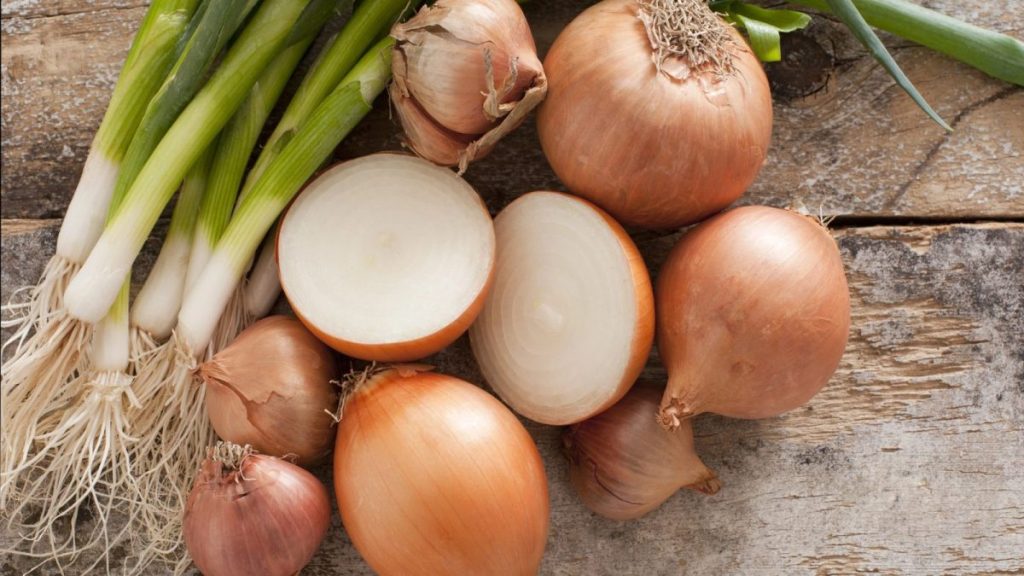
Onions grow well with cantaloupes. Their sharp smell repels aphids and thrips while occupying minimal space above the soil. Plant sets or seedlings in a ring around each cantaloupe mound, with each bulb 4 inches apart.
Provide full sun and loose, fertile soil. Also, weed regularly so onion roots aren’t crowded, and stop watering once the tops flop to cure the bulbs before storage.
13. Garlic
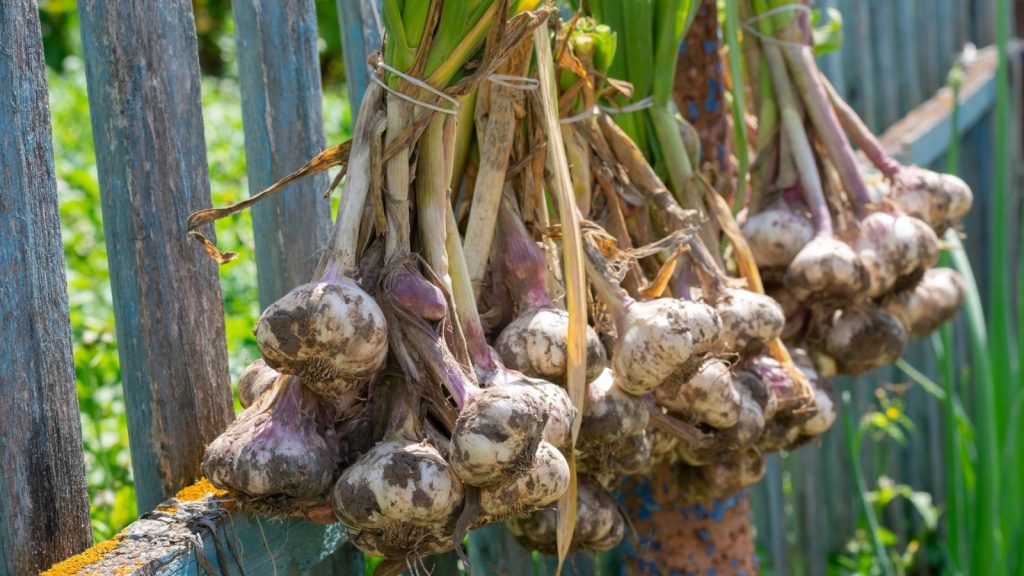
If you plant
Choose sunny, well-drained spots to plant your
14. Calendula

Calendula is a great companion plant for pest control. It has sticky pollen that traps pests like thrips, and its sunny petals attract hoverflies and other beneficial insects. Direct-sow
Although
15. Tansy
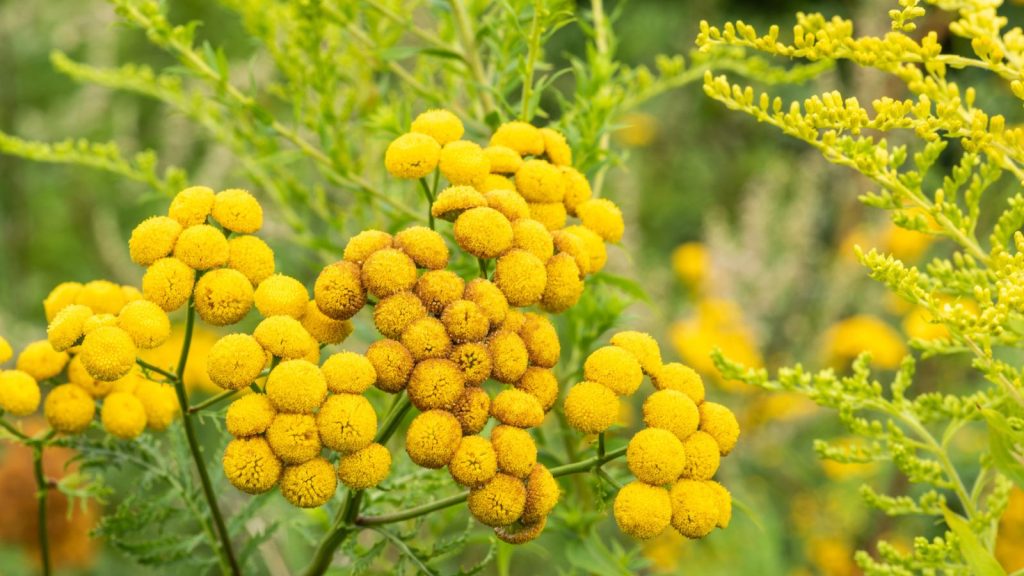
Tansy is great for pest control, as its strong scent repels
Tansy thrives in poor soil and full sun. Keep pets and children from chewing the leaves, as they contain toxins that can harm them.
16. Buckwheat

Sow buckwheat as a quick cover crop a month before transplanting cantaloupes outside. When it flowers, it attracts pollinators, such as bees, and when you cut the plants, you can use them as living mulch. Buckwheat grows in any well-drained soil but must be cut before seeds mature, or it will become a weed itself.
17. Carrots
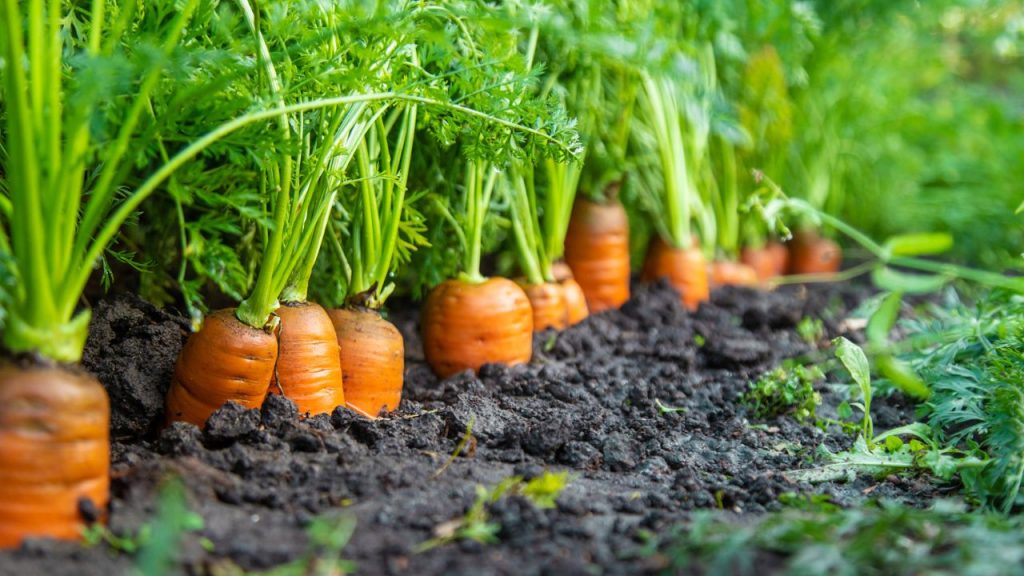
Carrots have deep roots that can help loosen the soil, allowing cantaloupe roots to grow deeper. They also have delicate foliage that allows sunlight to reach the cantaloupe leaves.
Sow
How to Tell If a Watermelon Is Ripe and Ready to Eat

Selecting a perfectly ripe watermelon doesn’t have to feel like a guessing game. With these 16 reliable tips, you can confidently pick the juiciest, sweetest watermelon every time.
How to Tell If a Watermelon Is Ripe and Ready to Eat
Grow Juicier, Tastier Tomatoes with These 15 Companion Plants

Companion planting is an age-old gardening method that can help prevent common plant issues and boost crop yields. By using some of the best companion plants for tomatoes, your harvests will be more abundant and productive than ever. Here are the 15 best companion plants for your tomato garden.
Grow Juicier, Tastier Tomatoes with These 15 Companion Plants
15 Companion Plants That Protect and Support Tomatillo Plants

While there are different varieties of tomatillos, most share the same growing habits and many of the same companion plants. Here are 15 companion plants that tomatillos grow happily beside.
15 Companion Plants That Protect and Support Tomatillo Plants