
Few things are more disappointing on a hot summer day than slicing into a watermelon that looks perfect on the outside—only to discover it’s pale, dry, and completely lacking in flavor.
Fortunately, selecting a perfectly ripe watermelon doesn’t have to feel like a guessing game. With these 16 reliable tips, you can confidently pick the juiciest, sweetest watermelon every time.
1. Look for a Creamy Yellow Field Spot
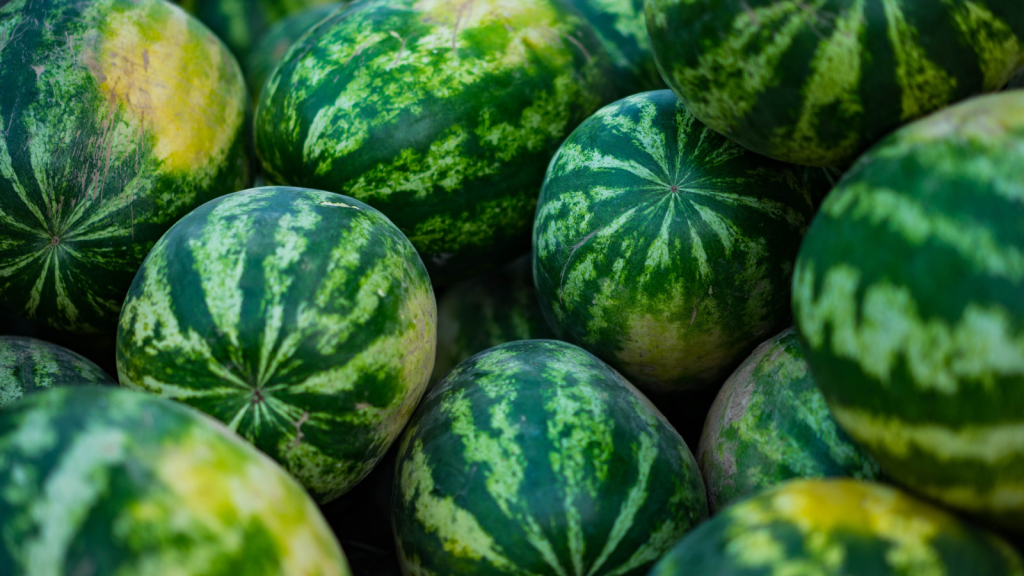
The field spot is where the watermelon rested on the ground as it grew. A creamy, buttery yellow (sometimes, even golden) field spot is a strong sign that it ripened naturally on the vine before being harvested. The deeper the yellow color, the riper the melon. On the other hand, a white or pale green spot usually means it was picked too early.
2. Inspect for a Uniform Shape
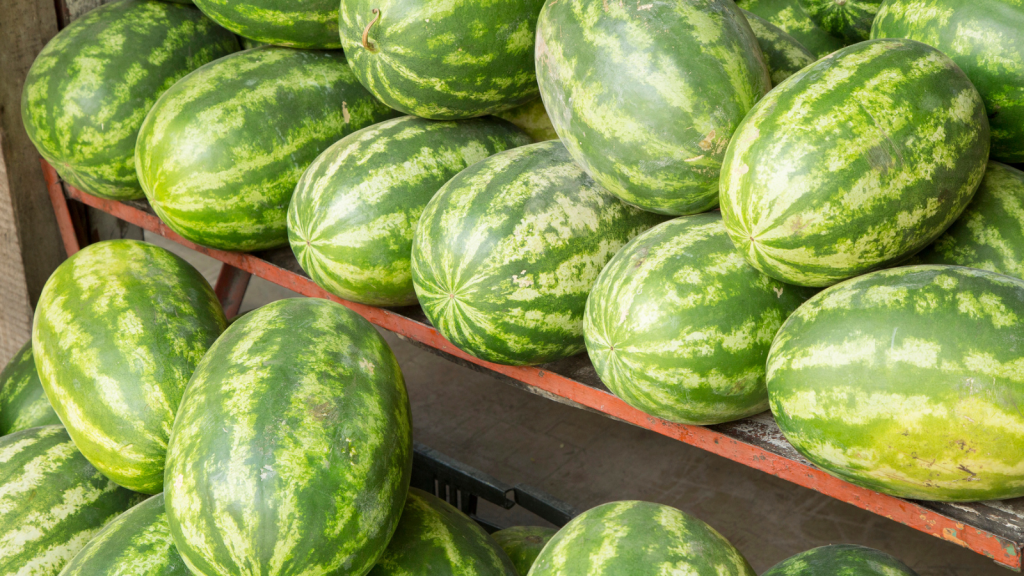
Ripe watermelons are typically symmetrically round or oval, depending on the variety. Irregular bumps or misshapen areas could indicate inconsistent growth, underdevelopment, or poor taste.
3. Do the Knock Test

Gently tap or knock on the melon and listen for the sound it makes. A ripe one gives off a deep, hollow sound. If it sounds dull or flat, it might be underripe or overripe inside.
4. Check the Color

One of the easiest ways to tell if a watermelon is ripe is by checking its skin. Ripe watermelons tend to have a dull, almost matte look. If the watermelon appears shiny, it means it’s unripe.
5. Pick It Up

A quick way to tell if a watermelon is ripe and juicy is to pick it up and mentally gauge its weight. A ripe watermelon should feel heavy and dense for its size, indicating a high water content. Also, if you’re stuck choosing between two watermelons of the same size, go for the heavier one.
6. Check the Tail or Tendril

If the watermelon was freshly picked, look at the curly brown tail near the stem. A brown, dried tail usually means the fruit fully ripened on the vine before being harvested. Alternatively, a green tail may mean it’s still maturing and was harvested too early.
7. Poke the Rind

Poke the rind with a finger to check its texture. Ideally, the rind of a ripe watermelon is tough to pierce with a fingernail. If you can easily dent it, the melon may be underripe.
8. Look for Sugar Spots

Sugar spots are small, dark brown or black dots on a watermelon that indicate where sugar is seeping out. To the untrained eye, sugar spots may look like dirt or a blemish on the melon, but that couldn’t be more wrong. This is a reliable way of telling whether a melon is sweet.
9. Webbing or Scarring
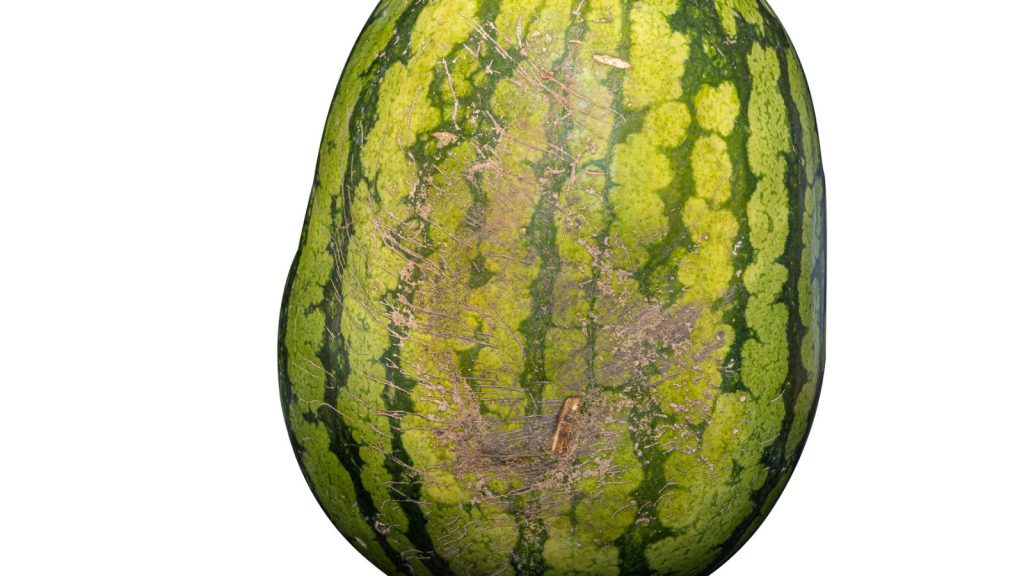
Sometimes, you notice web-like lines or scars on the skin that are caused by pollination. As with sugar spots, these imperfections are a good indicator of ripening. More webbing often means better pollination and a sweeter fruit.
10. Do a Sniff Test
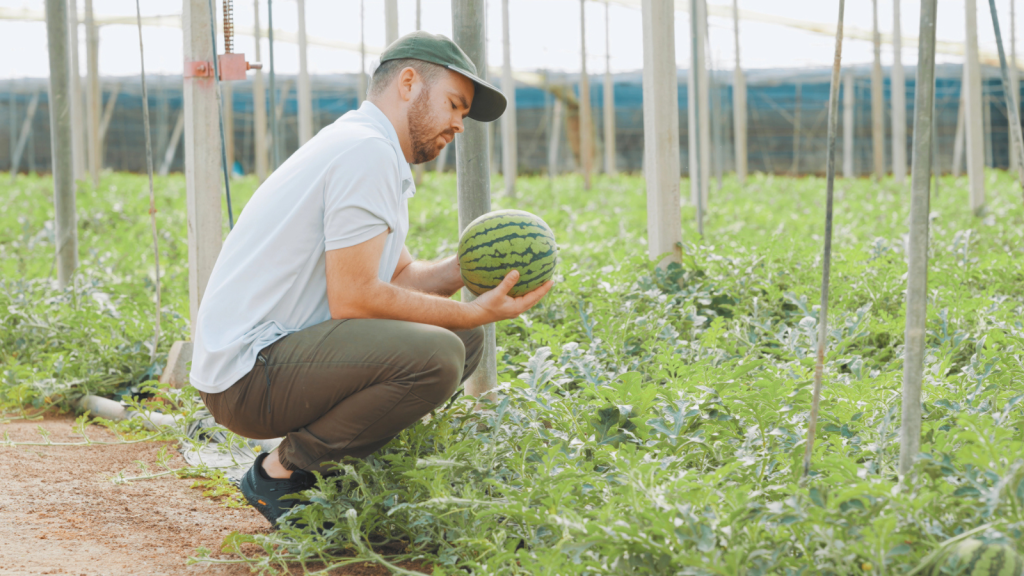
Although not foolproof, sniffing the end of your watermelon can be a quick way to tell if your watermelon is ripe or not. Some ripe watermelons give off a faintly sweet and fresh scent near the stem area. Take the watermelon a little farther from the rest of the melons to isolate the smell better before sniffing.
11. Check for Uniform Color

Choose a watermelon with a uniform green color, even in the varieties with dark green stripes. Uneven color patches can mean uneven ripening.
Also, don’t worry too much if there are surface scratches. They’re formed when the melons come in contact with vines or other melons and don’t affect the quality inside. Just avoid melons with cuts, bruises, or soft spots.
12. Squeeze Gently

Gently squeeze against the sides of the watermelon to see if it gives. When pressing on the sides, a ripe watermelon should feel firm and solid. If it gives too easily or feels soft in spots, it could be overripe or starting to go bad. It should also not feel rock-hard, as that could mean the fruit is unripe.
13. Check the Firmness at Both Ends

Press both the stem end and the opposite end of the melon. Both should feel equally firm. Softness at either end can be a sign of overripeness or internal breakdown, which could affect the flavor and texture.
14. Avoid Overly Elongated Melons

Watermelons that are too long or oddly stretched might have grown too fast or received uneven nutrients. These often have a more watery texture and less sweetness. For better flavor, go for melons with a more balanced, rounded shape.
15. Ask the Seller
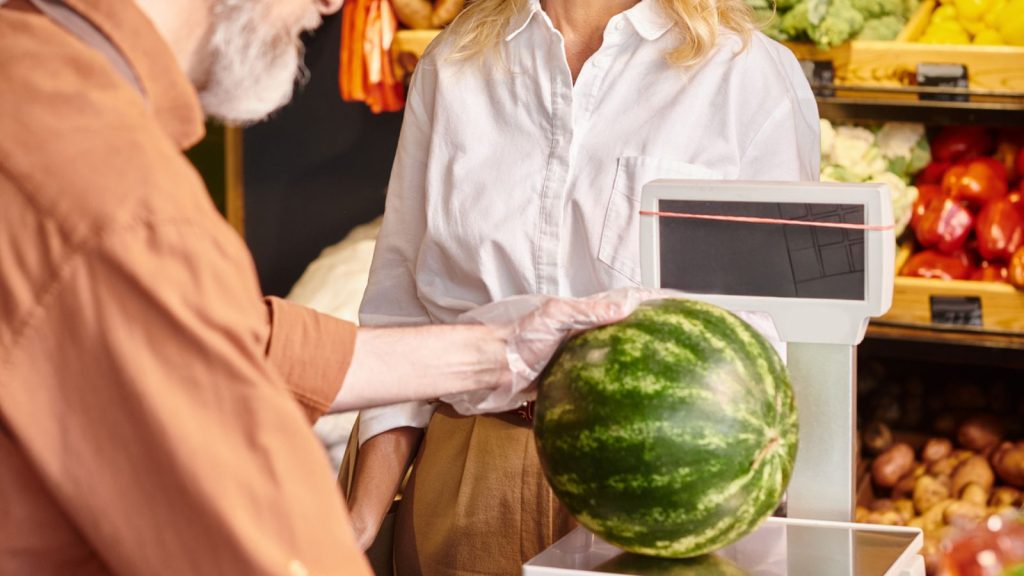
If you’re buying from a local market or roadside stand, don’t hesitate to ask the seller which ones are ripe. Many sellers know their stock well and can point you toward the best choices. Some might even give you a taste if samples are available.
16. Use Multiple Cues Together

You cannot always guarantee accuracy with a single tip, so using a few of these signs together is better. Combine visual clues like shape and field spot with touch and sound tests for better results. The more boxes the watermelon checks with the above tips, the better your chances of picking a good one.
Your Strawberries Will Thank You for Growing Them Next to These 21 Plants
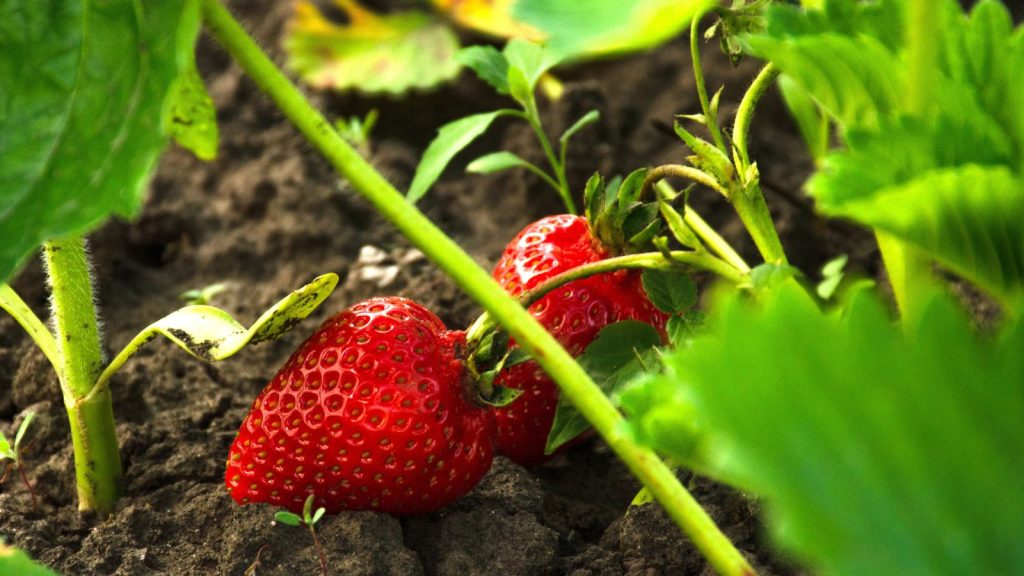
While some gardeners remain skeptical about companion planting, many have experienced firsthand the benefits of strategically pairing crops. Healthier plants, fewer pest issues, and a more abundant harvest are just a few of the advantages that make this method worthwhile. Here are 21 plants that can help your strawberries thrive.
Your Strawberries Will Thank You for Growing Them Next to These 21 Plants
38 Perennial Flowers That Deliver Gorgeous Blooms Every Blooming Season

Perennial flowers are a great way to add lasting color to your garden, returning year after year to keep it looking vibrant. If you’re looking to brighten your garden, check out these 38 colorful options that thrive and come back every season.
38 Perennial Flowers That Deliver Gorgeous Blooms Every Blooming Season