Gardening can sometimes feel like a game of strategy. Just when your tomatoes are looking their best or your greens are finally flourishing, in come the pests to wipe out your hard work in a matter of days.
While there are dozens of chemical treatments and organic sprays out there, one of the most effective and surprisingly low-effort methods of pest control is often overlooked: trap crops.
Trap crops are decoy plants that you grow specifically to attract harmful pests away from your main crops. They work by being appealing to certain bugs, drawing the attention (and potential damage) away from your crops. Some trap crops lure pests in with their scent, color, or tender foliage, while others emit chemical signals that pests simply can’t resist.
These powerful trap crops are very effective at creating a more balanced ecosystem in your garden when used correctly. The key is to monitor these plants regularly, remove infested foliage, or even pull out and dispose of the entire plant if pest populations get out of control.
1. Nasturtiums
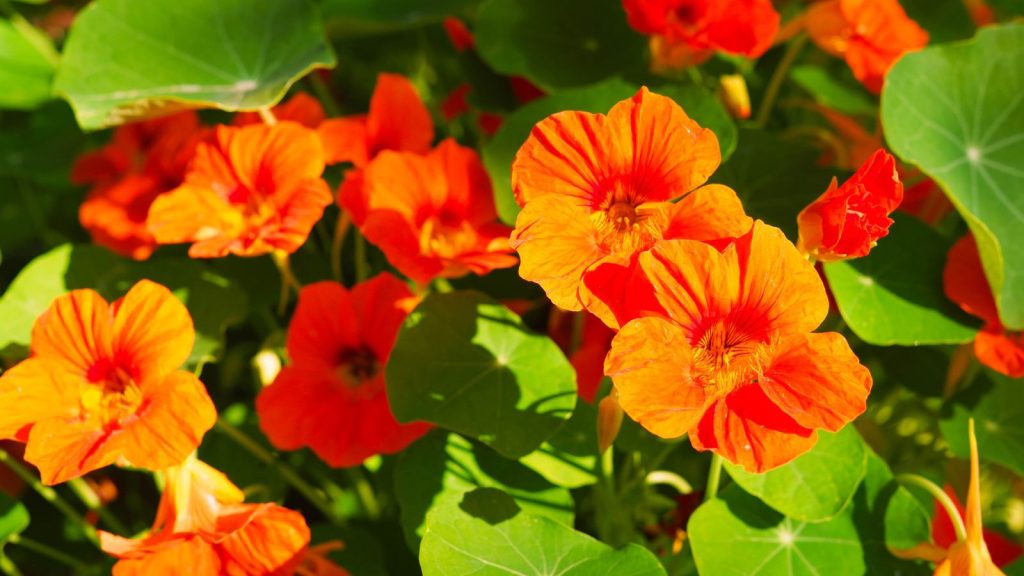
Nasturtiums are bright, trailing flowers that attract pests such as aphids, whiteflies, and squash bugs like a magnet. Their bright colors, peppery scent, and tender leaves make them irresistible.
When planted near tomatoes, beans, or cucumbers, they’ll act as the perfect pest decoy.
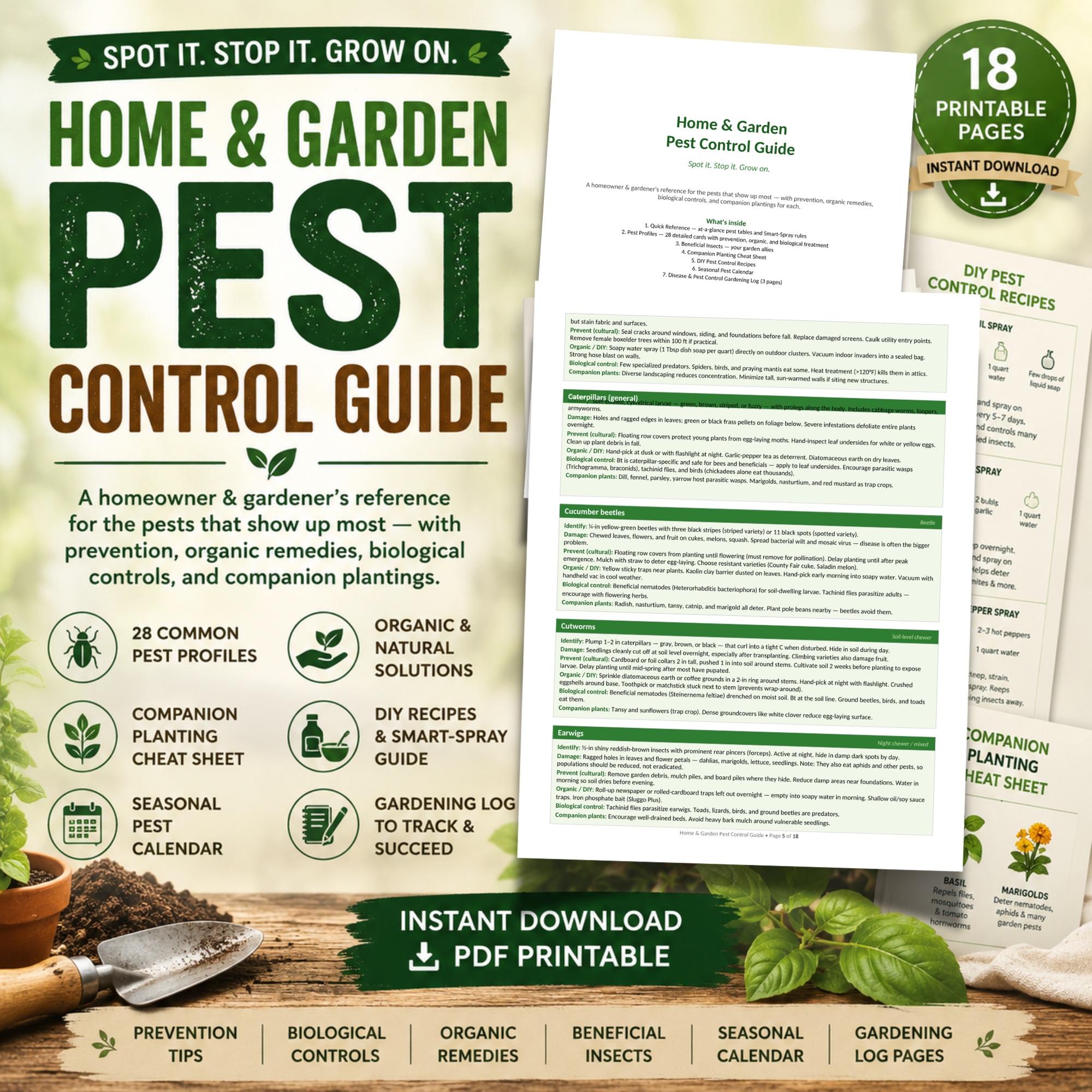
18-page quick guide and reference for gardeners dealing with pests that show up the most. From prevention strategies to treatment and remedies, this is the perfect printable for your garden.
2. Mustard Greens

Aphids, flea beetles, and harlequin bugs can’t get enough of mustard greens. These quick-growing brassicas are the perfect companion plants for luring pests away from kale, broccoli, and cabbage.
Plant them at garden borders or in between rows. Then provide full sun and consistent watering to keep them lush. Remember to regularly dispose of infested leaves before the pests start eyeing your other crops.
3. Sunflowers
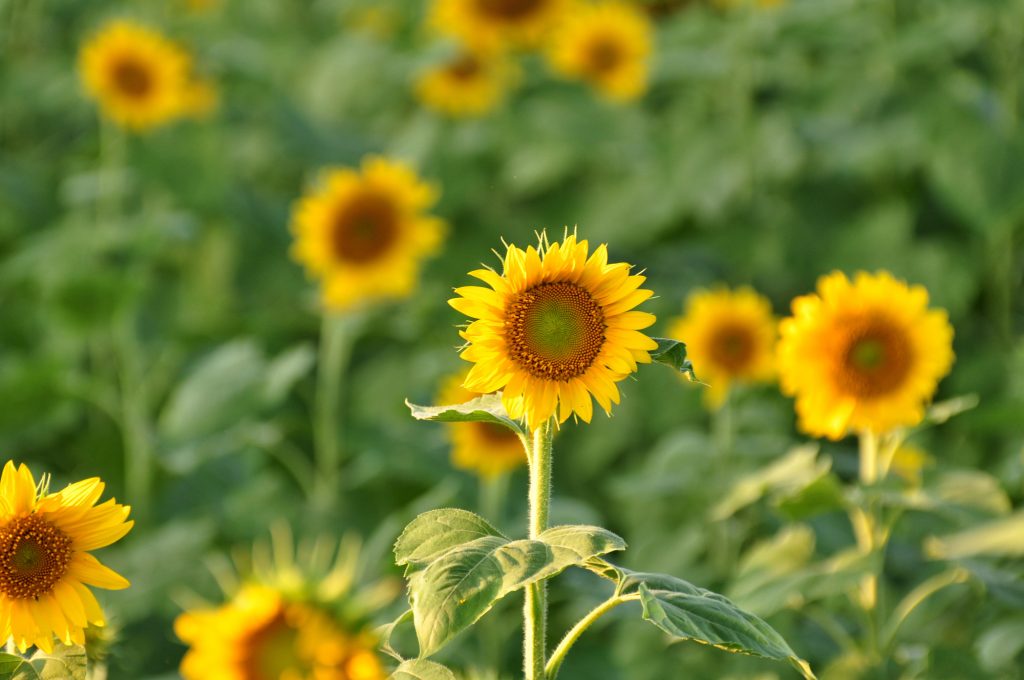
Sunflowers are not just attractive to the human eye; birds and pollinators love them too. They also attract stink bugs and aphids, drawing them away from crops such as tomatoes, corn, and beans.
Their tall, sturdy stems offer some shade for sun-sensitive plants and can even serve as a living trellis for climbing beans. Plant
4. Blue Hubbard Squash

This giant squash is a great trap crop for squash bugs and vine borers. Grow it at the edge of your garden to protect
Blue Hubbard Squash needs room to sprawl, full sun, and rich soil. Its tough leaves and dense growth will distract the pests before they reach your main crops.
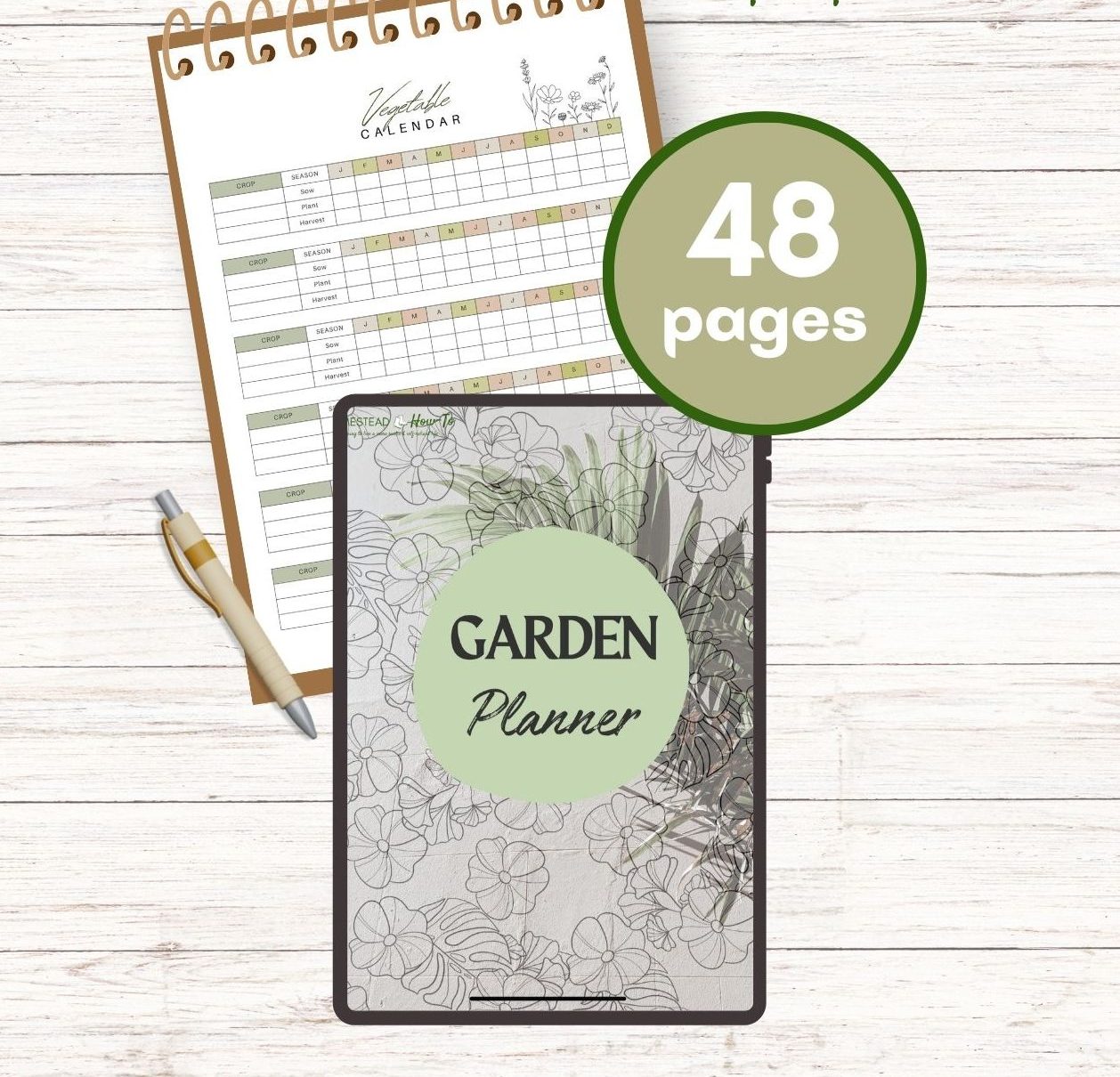
Grab Your Ultimate Garden Planner Printable
Take the guesswork out of gardening with this thoughtfully designed 48-page printable planner. It’s more than a planner—it’s your personal gardening companion.
$17 US
5. Dill

Dill’s feathery leaves are a hotspot for pests like aphids and tomato hornworms. When planted near tomatoes and peppers, it attracts pests with its aroma.
6. Amaranth
Amaranth is a favorite food source for leaf miners and aphids. When planted near other susceptible crops, such as
7. Okra

Okra attracts stink bugs and aphids, pulling them from more delicate crops like beans and tomatoes. Okra grows best in full sun and loamy soil. Keep it pruned and monitor for pests to avoid overflow to nearby plants. You can harvest the pods to cook in the kitchen.
8. Marigolds

Marigolds act as both a trap crop for pests and a deterrent. They attract spider mites, aphids, thrips, and whiteflies with their flowers and leaves, and their roots release a compound that deters nematodes.
Crops like beans, peppers, and tomatoes benefit a lot from their tapping abilities.
9. Tansy
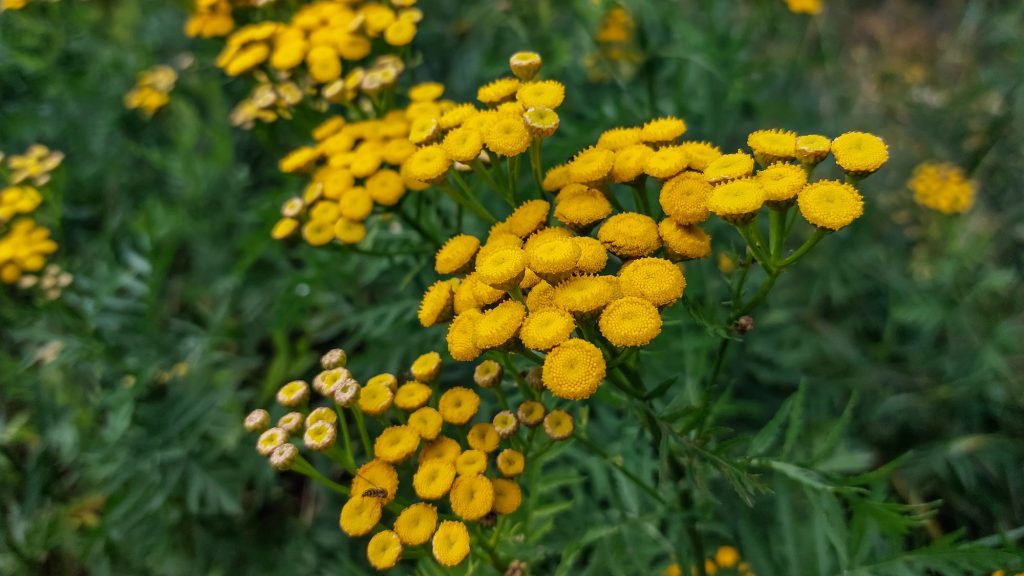
Tansy is an aromatic herb that lures aphids and ants, making it a great choice around fruit trees and roses. Its strong scent masks other crops and confuses pests. Tansy grows well in full sun to partial shade and well-drained soil. Tansy is an invasive species, so prune it regularly to prevent it from spreading.
10. Borage

Borage traps pests like tomato hornworms and cabbage worms, and its star-shaped blue flowers attract bees and other beneficial insects.
It also improves soil health as a dynamic accumulator. Borage grows best in full sun, tolerates poor soil, and self-seeds readily. Plant them near strawberries or tomatoes as a companion plant.
11. Radishes
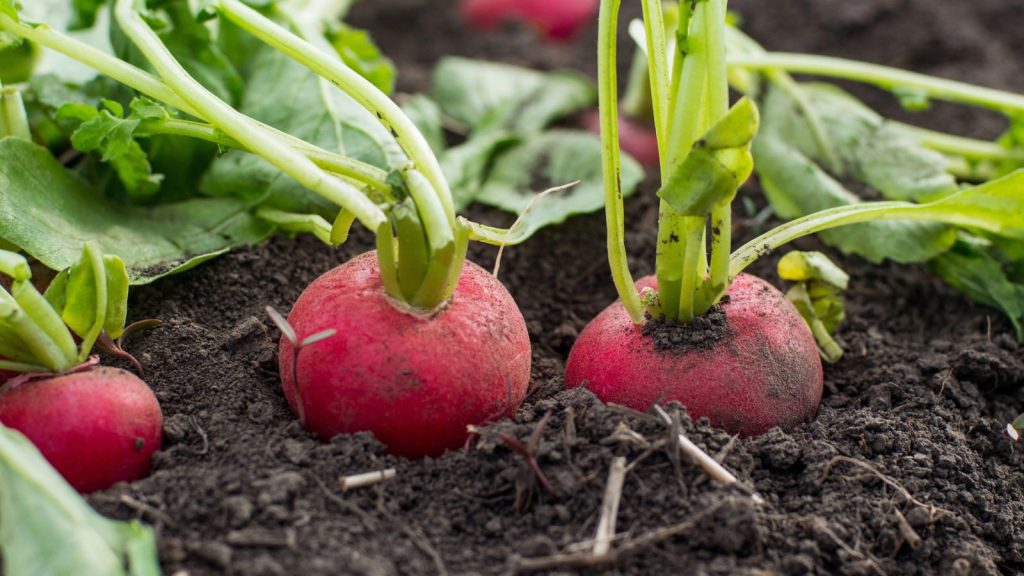
Radishes are quick-growing and attract pests like flea beetles, making them ideal decoys for leafy greens. They’re often grown not for harvest, but as sacrificial plants, purely to distract pests. Plant
12. Catnip
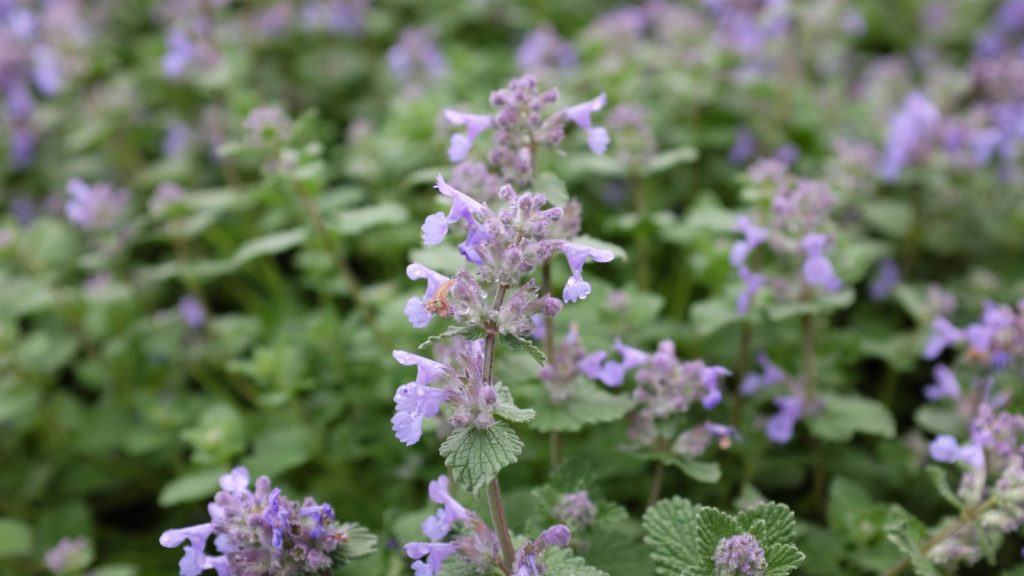
Catnip repels flea beetles, squash bugs, and aphids from your main crops while luring some to itself. Catnip is a great companion crop for plants like collards and
13. Calendula

Calendula is also called pot
14. Chinese Cabbage

This leafy crop is particularly attractive to cabbage worms and flea beetles. Use it to protect other leafy vegetables, such as cauliflower and kale. Grow in cool seasons with consistent moisture and partial shade in hot regions. Dispose of leaves when they become infested with pests.
15. Chervil

Chervil may not have flashy leaves or flowers, but it still lures away slugs and snails. Plant it near
16. Sorghum

Sorghum’s tall stalks attract chinch bugs, corn earworm, and aphids. Grow it around corn or in perimeter rows. It thrives in hot climates with moderate watering. Its dense canopy can serve as both a windbreak and living mulch.
17. Basil
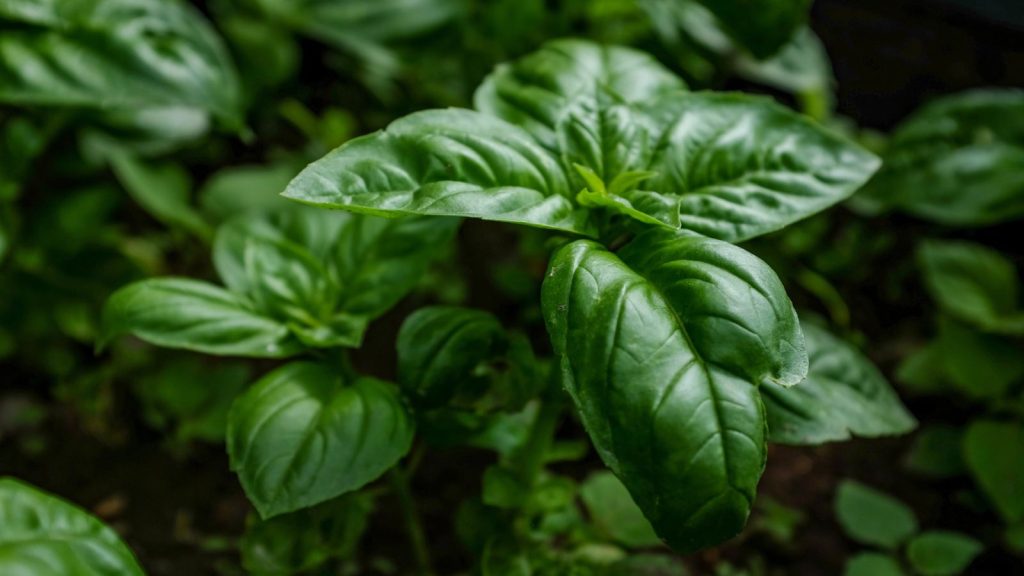
Basil repels many pests and also distracts aphids and whiteflies from tomatoes and peppers. This trap herb prefers full sun, frequent watering, and good air circulation. Harvest leaves regularly to encourage new growth and deter flowering.
18. Tobacco
Tobacco is great as a trap crop, but it’s not for the faint of heart. It attracts pests like aphids and flea beetles in droves, making it a high-risk, high-reward trap crop. Grow in full sun, with rich soil and good spacing. Be vigilant so the tobacco plants don’t become a breeding ground for pests. Also, avoid placing them near other nightshades (like tomatoes) to prevent disease spread.