
Aphids are more than just a minor annoyance—they can quickly become a serious problem for houseplants. These tiny, pear-shaped insects come in shades of green, yellow, pink, or black and tend to cluster on stems and leaves, feeding on plant sap. This weakens the plant, often leading to leaf drop and stunted growth.
The most common type found on indoor plants is the light green pear aphid, which can multiply at an alarming rate. Indoors, they spread easily by crawling or flying from one plant to another, making infestations difficult to control once they take hold.
However, there are plenty of ways to tackle aphids and protect your plants. Here are a few ways to tackle the issue.
Rinse Them Off
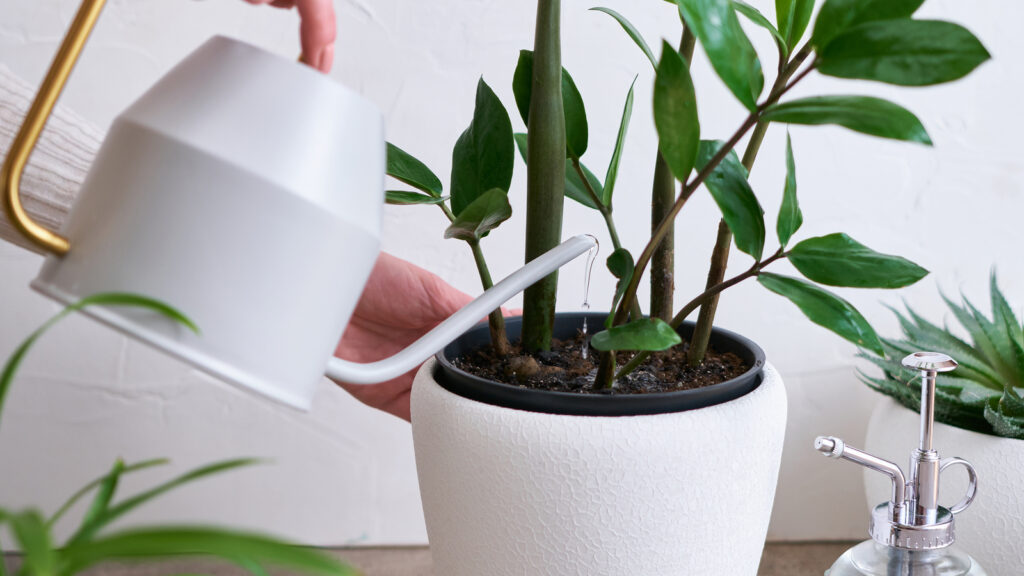
A strong stream of water can knock aphids right off your plants. That’s right, just give your plant a good wash. This can be done by washing it in the sink or shower or by turning the entire plant upside down into a bucket of room-temperature water to dislodge the pests.
Prune Infested Areas

Keep the plant area tidy by promptly removing dead or decaying leaves. If a section of your plant is heavily infested, sometimes the best option is to cut it away entirely. Dispose of the affected plant material outside to prevent aphids from spreading.
Rubbing Alcohol Solution

Dabbing aphids directly with a cotton swab soaked in rubbing alcohol will kill them on contact. Though time-consuming, this method is effective for targeting clusters of pests.
Use Sticky Traps

Yellow sticky traps are great for catching aphids. These sticky traps are the best. Hanging sticky traps near your plants can help catch aphids before they become a problem. These traps, available at garden centers and online, attract flying insects and prevent them from settling on your plants.
Neem Oil

Applying neem oil to the soil acts as a natural insecticide, targeting aphids without harming your plant.
Use Insecticidal Soap

Insecticidal soap is a gentle way to control aphids. Spray it directly on the leaves, especially underneath, where aphids love to hide.
Make a DIY Spray

Instead of buying
8 All-Natural Homemade Cleaners You Can DIY at Home
Manually Remove Them

For minor infestations, simply wipe aphids away with your fingers or a cotton swab. This hands-on approach works best when there are just a few pests to deal with.
Essential Oil Spray
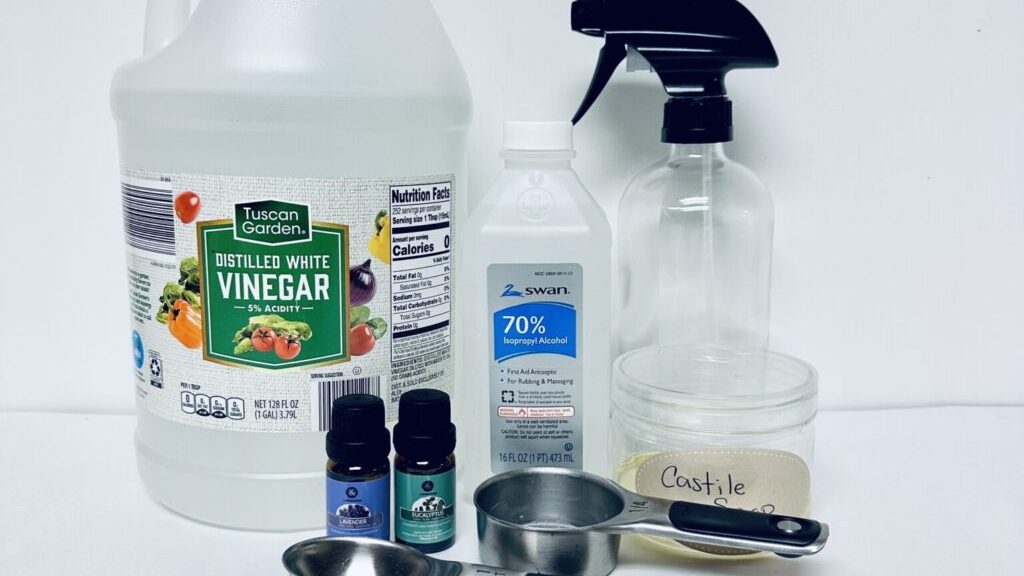
An essential oil spray can be effective as a natural repellent. Mix water with a few drops of peppermint, eucalyptus, or
Plants to Grow Now for a Mosquito-Free Summer

Here are some of the best plants that you can grow in your yard to help keep the mosquitoes at bay.
12 Plants to Grow Now for a Mosquito-Free Summer
16 Colorful Drought Tolerant Native Plants to Add to Your Yard

If you want to brighten your garden, consider these 16 native plants that will thrive and bring life to your yard.
16 Colorful Drought Tolerant Native Plants to Add to Your Yard