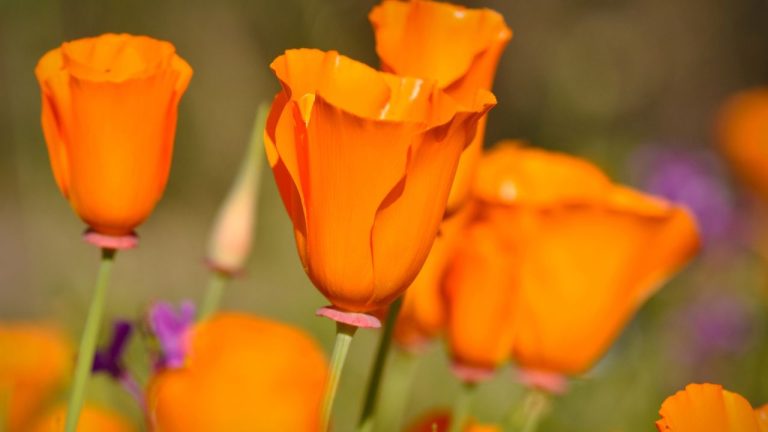
Nasturtiums do more than brighten up your garden beds—they pull their weight in a big way. These vibrant, low-maintenance flowers are a favorite among gardeners for good reason. Nasturtiums attract beneficial pollinators and also serve as a natural pest deterrent, making them a great companion for a variety of vegetables.
Marigolds
Image Credit: Deposit Photos
Marigolds are a favorite in vegetable gardens for their natural ability to repel pests, but when you pair them with nasturtiums, they become an even stronger team. Each plant deters different types of insects, offering broader protection for nearby vegetables. Their bold yellow and orange flowers also make a striking combination in the garden. Together, marigolds and nasturtiums are highly effective companion plants.
Tomatoes
Image Credit: Deposit Photos
Tomatoes and nasturtiums make a great team in the garden. Nasturtiums act as a natural decoy, drawing aphids and other destructive pests away from your tomatoes—a technique known as “trap cropping.”
Nasturtiums are also known to invite pollinators and beneficial insects, like hoverflies and parasitic wasps. Together, tomatoes and nasturtiums are the perfect companion plants to grow together.
If you love growing cucumbers in your garden, consider planting companion plants like nasturtiums to help keep pests under control. Cucumber beetles are a common problem, but nasturtiums are known to naturally repel them, reducing damage to your plants’ leaves and fruit.
As a bonus, the low-growing vines of nasturtiums act like living mulch—shading the soil, locking in moisture, and keeping your cucumbers happier during the hot summer months.
Squash
Image Credit: Deposit Photos
Squash plants are often targeted by pests like squash bugs and aphids, but planting nasturtiums nearby can help keep them away. The strong scent of nasturtiums confuses and deters these insects, making them a natural and effective pest control option. Their bright, colorful blooms also attract bees and other pollinators—which is especially important for squash, since these plants depend on pollination to produce fruit.
Zucchini
Image Credit: Deposit Photos
Like their squash cousins, zucchini plants benefit from nasturtiums’ pest-repelling abilities. Nasturtiums can draw aphids away from tender zucchini growth, and their flowers keep pollinators coming back to your garden. Since zucchini is also a heavy feeder and fast grower, pairing it with nasturtiums—which don’t compete much for nutrients—makes for a smart and balanced planting strategy.
Pole or Bush Beans
Image Credit: Deposit Photos
Beans are one of the easiest vegetables to grow, making them a great choice for beginner gardeners. However, they can attract a variety of pests. That’s where nasturtiums come in—they make excellent companions for both pole and bush beans. Nasturtiums help protect beans from common pests like aphids and whiteflies, which can weaken plants and reduce yields.
Radishes
Image Credit: Deposit Photos
Radishes can mature quickly and don’t require a lot of space to grow, making them ideal companions for nasturtiums. Nasturtiums make for a good trap crop as they help to lure flea beetles and aphids away from your radish crop.
Cabbage
Image Credit: Deposit Photos
Cabbage is known to attract quite a few pests, including cabbage worms and aphids. Planting nasturtiums nearby can help by drawing these pests away from your cabbage. This “sacrificial” plant takes the damage so your cabbage stays healthy. If you plan to grow cabbages, nasturtium is a must-have companion plant.
Broccoli
Image Credit: Deposit Photos
Broccoli, like other brassicas, benefits from being planted near nasturtiums. Nasturtiums help reduce the risk of pest infestations by luring harmful insects away. They also attract pollinators and beneficial insects, such as parasitic wasps, that help control pest populations naturally.
Kale
Image Credit: Deposit Photos
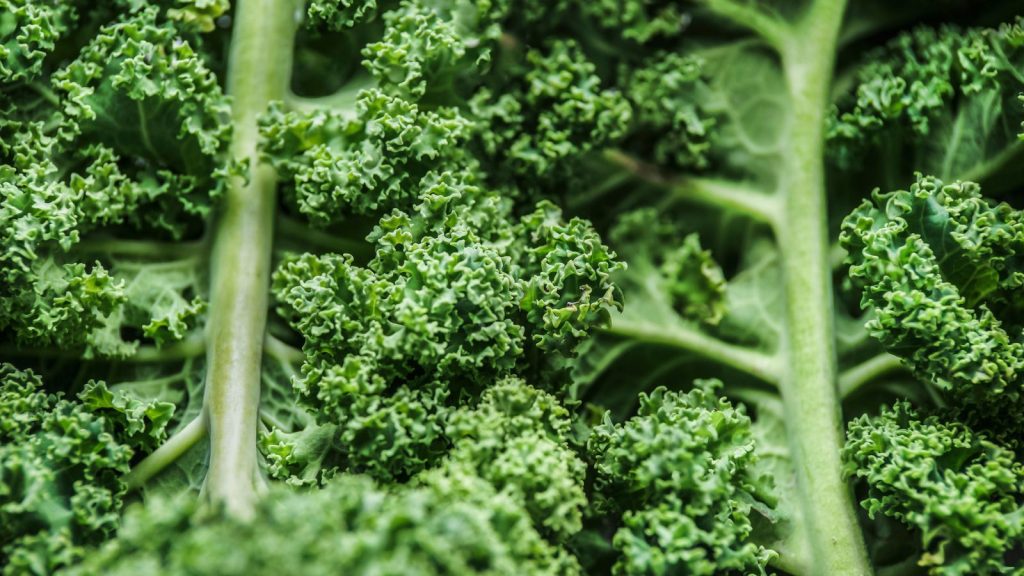
Kale tends to attract a wide range of pests, especially aphids and flea beetles. Planting nasturtiums nearby can help by acting as a decoy, drawing those insects away from your kale. Nasturtiums also attract beneficial insects that prey on garden pests, offering natural protection and helping your kale stay healthy and productive.
Cauliflower
Image Credit: Deposit Photos
Similar to broccoli, cauliflower is susceptible to damage from cabbage worms, aphids, and beetles. Nasturtiums planted nearby can reduce pressure from these pests by drawing them away.
Lettuce
Image Credit: Deposit Photos
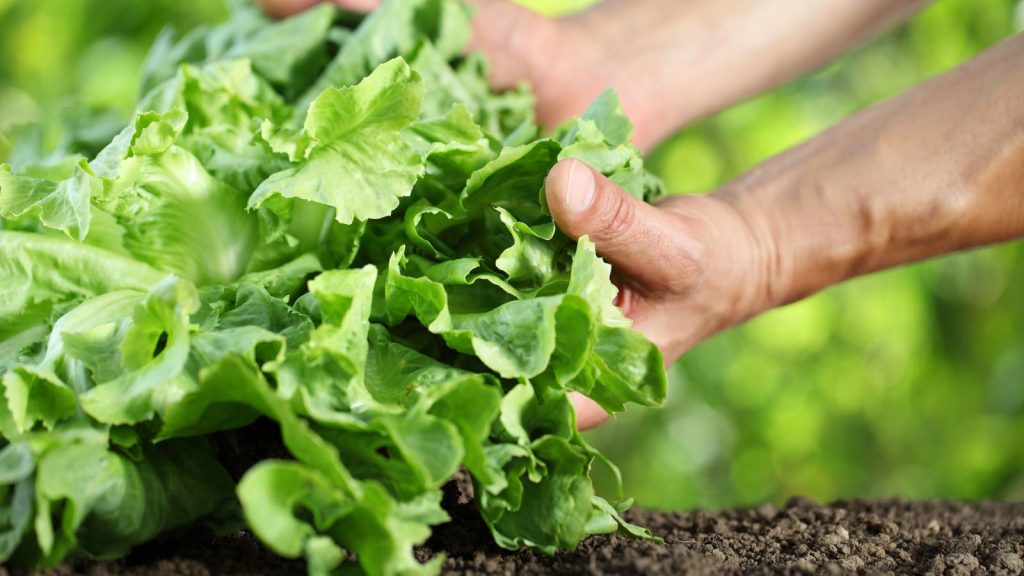
Lettuce is an easy crop for beginner gardeners and grows best in cool, moist conditions. Planting it near nasturtiums can help create the ideal environment—nasturtiums provide light shade and help retain soil moisture. Together, they make a great garden pairing that supports healthy, tender lettuce growth.
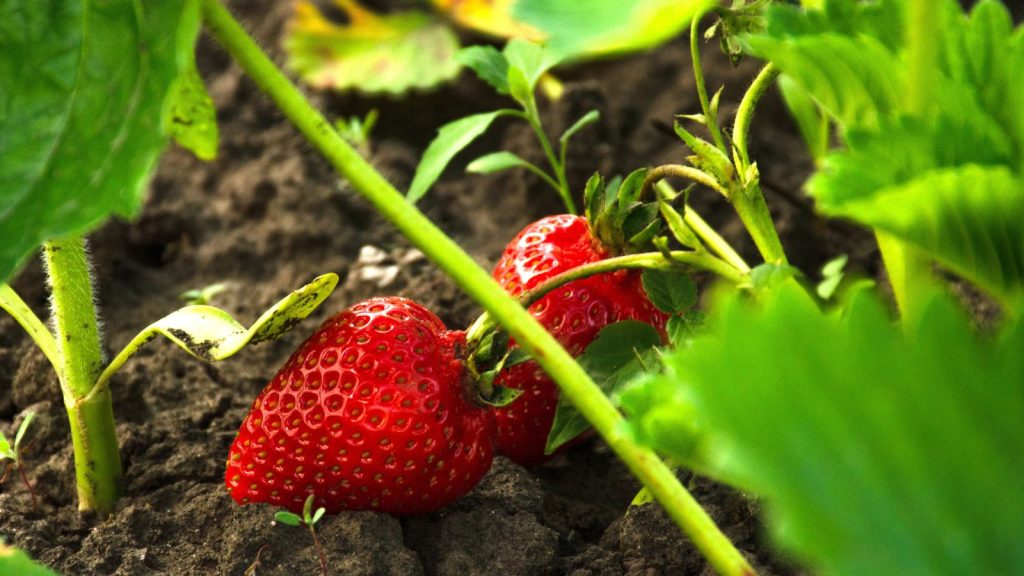
Your Strawberries Will Thank You for Growing Them Next to These 21 Plants
Image Credit: Deposit Photos
While some gardeners remain skeptical about companion planting, many have experienced firsthand the benefits of strategically pairing crops. Healthier plants, fewer pest issues, and a more abundant harvest are just a few of the advantages that make this method worthwhile. Here are 21 plants that can help your strawberries thrive.