Spinach is one of the easiest crops you can grow. It’s a cool-season, leafy green that grows quickly and doesn’t require much space. You can often harvest spinach just a few weeks after planting, and it’s one of the first greens to pop up in spring and one of the last to grow in the fall.
Spinach is also rich in nutrients and is used in a variety of meals, from salads to soups. It’s a reliable plant that thrives in most gardens, but growing it alongside the right companion plants can help it perform even better. The right companion plants can support spinach by enriching the soil, repelling common pests, and even improving its growth and flavor.
Here are some of the best plants to grow alongside spinach.
Thyme
Image Credit: Deposit Photos
Thyme is a great low-growing herb to plant alongside spinach. Its strong scent helps keep spinach pests away and prevents damage to the tender spinach leaves. Since thyme stays compact, it won’t crowd your spinach and works well as a border plant in beds or containers.
Beyond the garden, thyme is valued for its antibacterial properties and is often used to soothe coughs and sore throats. It can be enjoyed in teas, added to soups, or even made into a salve for natural remedies.
Oregano
Image Credit: Deposit Photos
Oregano makes a useful neighbor for spinach, especially if your greens have struggled with pests in the past. Its aromatic leaves naturally repel insects, helping protect your spinach without the need for chemical sprays. Like thyme, oregano is also compact and won’t compete for growing space.
Dill
Image credit: Deposit photos
Dill pairs well with spinach because it attracts beneficial insects, such as ladybugs and parasitic wasps, which are natural predators of aphids that often target spinach. Dill’s tall, feathery leaves don’t block sunlight from spinach below, making it an easy herb to tuck into the same bed.
Bush Beans
Image Credit: Deposit Photos
Bush beans are beneficial companions for spinach because they fix nitrogen in the soil, which supports the growth of leafy plants. Their low, bushy structure offers a bit of shade in warmer weather, helping spinach stay cool and slowing down bolting in late spring.
Carrots
Image Credit: Deposit Photos
Carrots and spinach make a great team both underground and above ground. Carrots grow deeper in the soil, helping break it up and improve aeration for spinach roots. They also don’t compete for light, making them a great space-saving pairing in raised beds or rows.
Rosemary
Image Credit: Deposit Photos
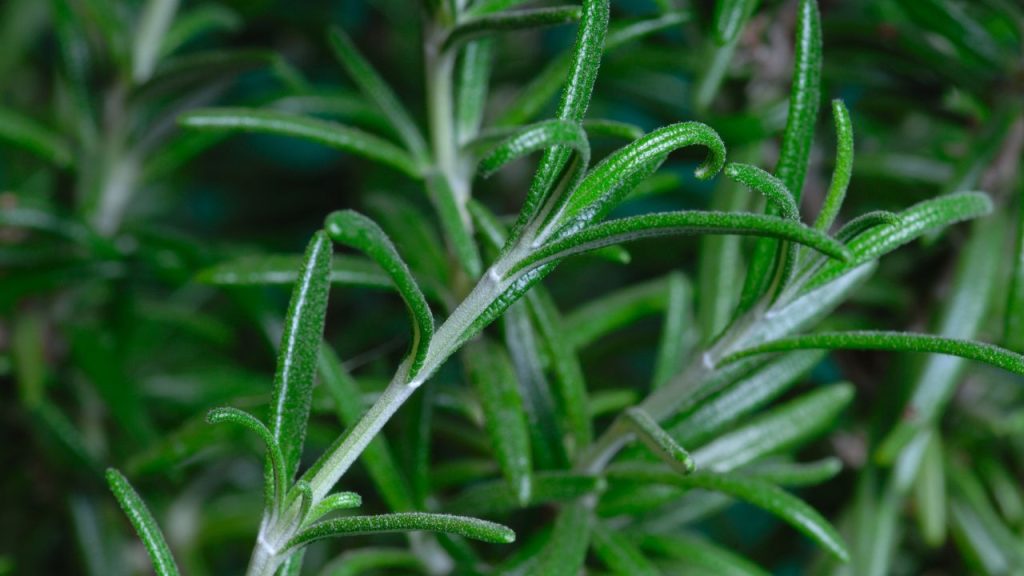
Rosemary’s strong, fragrant oils help repel a variety of pests that can harm spinach. It prefers well-drained soil, so plant it at the edges of spinach beds or in containers nearby. Rosemary is a tough, drought-tolerant herb that adds protection without competing for nutrients.
Mint
Image Credit: Deposit Photos
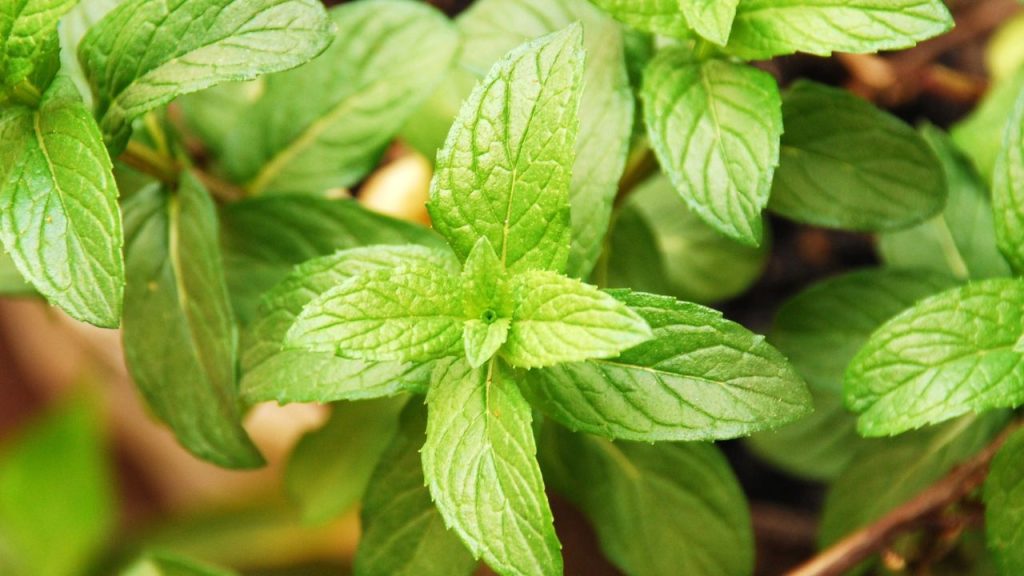
Mint is great at keeping pests like aphids, ants, and even rodents away from your spinach. That said, mint spreads fast—so it’s best grown in containers placed near your spinach rather than directly in the garden bed. You’ll get all the pest-repelling benefits without letting it take over.
Marigolds
Image Credit: Deposit Photos
Marigolds are a garden favorite for a reason. They help deter a variety of pests that may target spinach. Their bright blooms also attract pollinators and beneficial insects, thereby improving the overall health of the garden. Bonus: they make the garden look great while working hard behind the scenes.
Nasturtiums are a reliable companion for spinach. They act as a trap crop, and their trailing habit also makes them excellent for covering bare soil, conserving moisture, and reducing weeds—perfect for helping spinach thrive in warmer months.
Onions are a classic companion for spinach. They repel pests with their strong smell. Plus, their shallow root systems won’t compete much with spinach, which also stays close to the soil surface.
Garlic
Image Credit: Deposit Photos
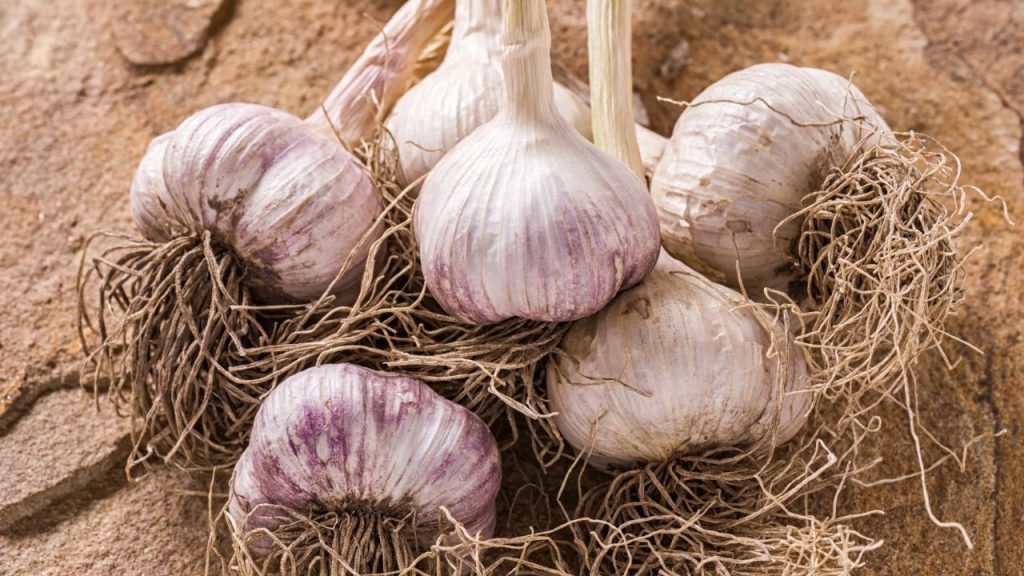
Garlic makes a great neighbor for spinach thanks to its natural pest-repelling properties. It releases sulfur compounds that help deter pests. Garlic also enhances soil health, creating more favorable conditions for spinach to grow.
Chives
Image Credit: Deposit Photos
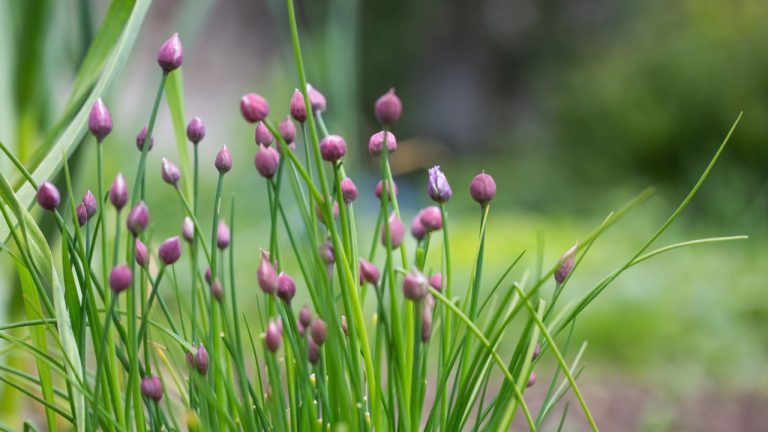
Chives work well near spinach by masking its scent and repelling pests. Like onions and garlic, chives are part of the allium family and are known for repelling many soft-bodied insects that target leafy greens.
Beets
Image Credit: Deposit Photos
Beets and spinach grow well together in the garden. They draw nutrients from different layers of soil and don’t crowd each other. Beets also help loosen compact soil, which benefits shallow-rooted spinach, particularly during its early growth stages.
Radishes
Image Credit: Deposit Photos
Radishes are fast-growing root vegetables that pair well with spinach. They help break up the soil and can act as a trap crop, drawing flea beetles and aphids away from spinach. Their quick harvest time also means you can plant several rounds while spinach continues to grow.
Collard Greens
Image Credit: Deposit Photos
Spinach makes an excellent companion for collard greens because it has shallow roots and doesn’t compete for space. It acts as a living mulch, helping retain soil moisture and suppressing weed growth.
38 Perennial Flowers That Deliver Gorgeous Blooms Every Blooming Season
Image Credit: Deposit Photos
Perennial flowers are a great way to add lasting color to your garden, returning year after year to keep it looking vibrant. If you’re looking to brighten your garden, check out these 38 colorful options that thrive and come back every season.
8 Best Raised Garden Beds (What to Consider Before Buying)
Image Credit: Deposit Photos
But with so many options available, how do you know what type of garden bed will meet your needs? To set you on the right path, check out our guide to the best garden beds to buy!