This post may contain affiliate links.



A staple in many gardens, especially in the South, Collard greens are a reliable and easy-to-grow vegetable that thrives in cooler weather. They are packed with essential nutrients like Vitamins A and C, iron, magnesium, calcium, and potassium. They are as nutritious as they are delicious.
Pairing collard greens with the right companion plants can make a significant difference in their growth and overall health. Good companions can help improve soil quality, repel pests, and even enhance the flavor of your harvest.
Here are some of the best companion plants to consider planting next to your collard greens.
Thyme

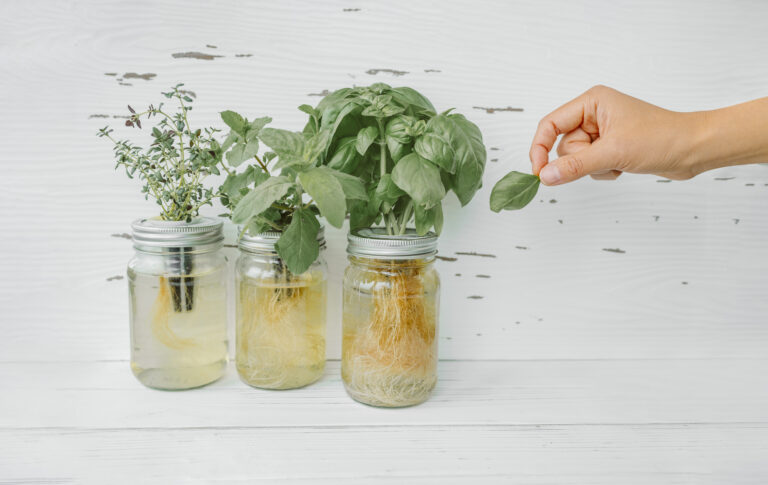
Thyme works well when grown alongside collard greens. As a low-growing herb, it is a natural pest deterrent for collard greens. Its strong smell helps repel cabbage worms and flea beetles, two common pests that target leafy greens.
Beyond the garden, thyme is valued for its antibacterial properties and is often used to soothe coughs and sore throats. It can be enjoyed in teas, added to soups, or even made into a salve for natural remedies.
Dill

Dill works well when paired with collard greens. Dill is a powerful companion plant because it attracts beneficial insects such as ladybugs and parasitic wasps, which prey on aphids and cabbage worms. Its feathery leaves don’t compete for space, making it an excellent addition to a collard green bed.
Rosemary
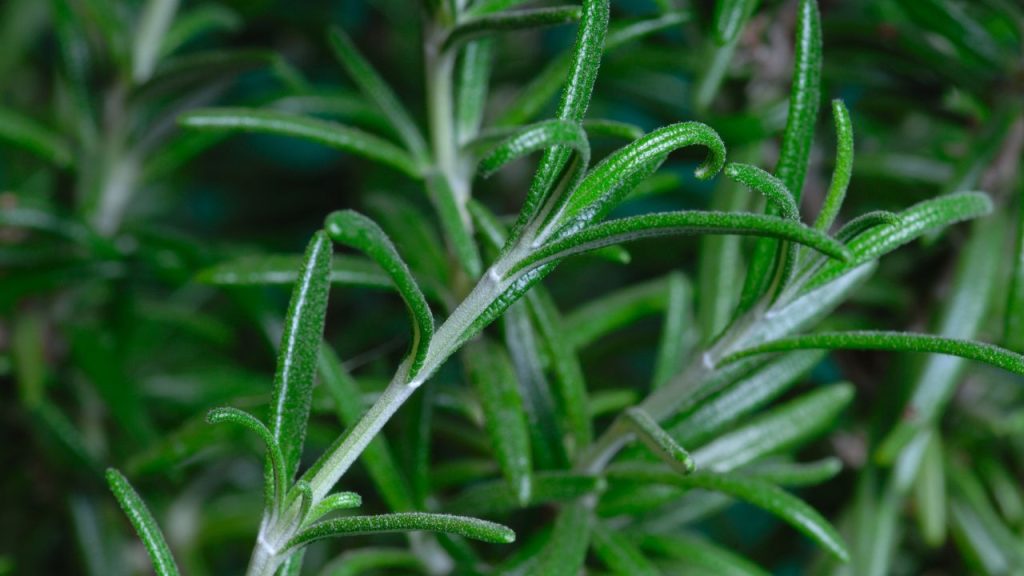
Pairing rosemary with your collard greens will make it very happy. Rosemary’s strong scent naturally repels cabbage moths, flea beetles, and aphids that can devastate collard greens. Since it thrives in well-draining soil, it works well as a border plant to help protect your collard greens without competing for nutrients.
Mint
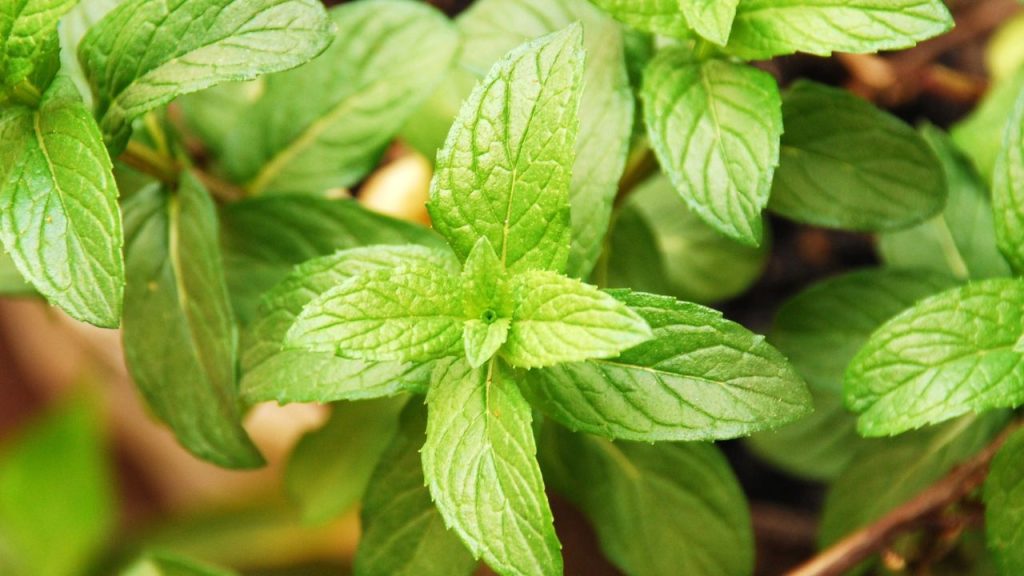
Mint is one of our favorite plants to plant next to collard greens. Mint is a highly effective pest deterrent, keeping away cabbage moths, aphids, and even rodents. However, mint spreads aggressively and can quickly overtake a garden bed, so it’s best grown in containers placed near collard greens.
Marigolds

Marigold is the ultimate companion plant. Marigolds are known for repelling nematodes and other garden pests that could harm collard greens. Their bright flowers also attract pollinators, improving the overall biodiversity of the garden.
Why Marigolds Deserve a Spot in Your Garden Year After Year
Nasturtiums

Nasturtiums are a trap crop that lures aphids and cabbage moths away from collard greens. Their trailing growth habit makes them useful for covering bare soil, reducing weed growth, and conserving moisture. They also add a beautiful touch to the garden while offering practical benefits for pest control.
Onions

Onions are an excellent companion for collard greens because they repel aphids, cabbage worms, and other common pests. Since they have shallow root systems, they don’t compete heavily with collard greens for nutrients.
Chamomile

Chamomile is known for attracting beneficial insects and being a great companion to collard greens. Chamomile enjoys full sun but can tolerate light shade. It prefers well-drained soil and is drought-tolerant once established. It’s generally easy to grow from seed and can self-seed prolifically.
Garlic
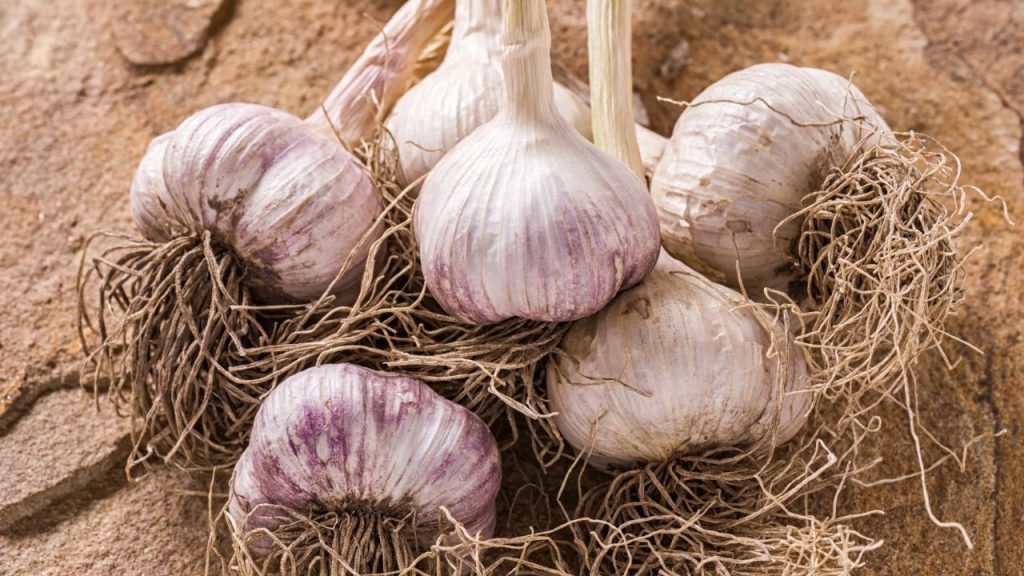
You can’t go wrong when planting
Chives
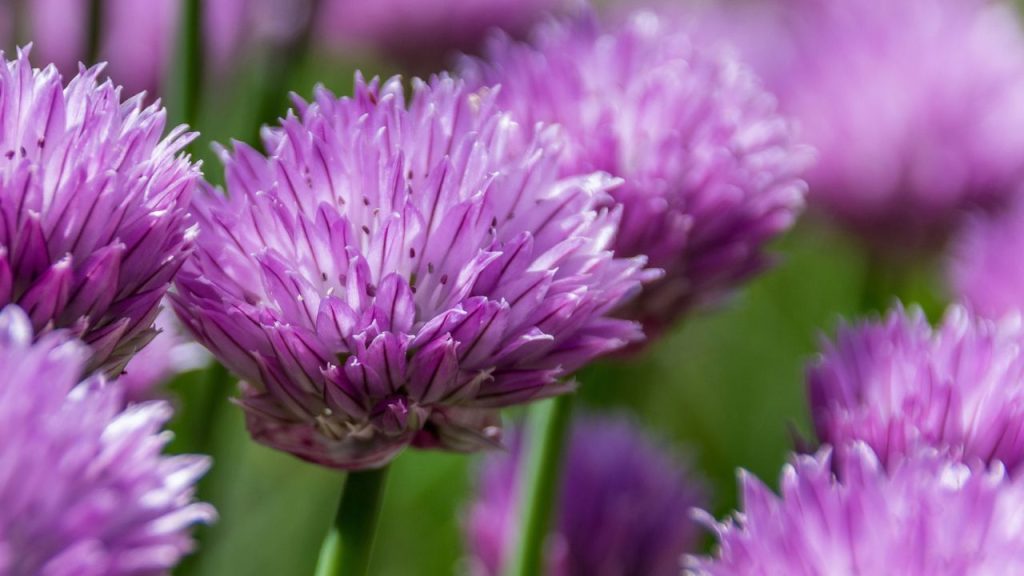
Chives provide multiple benefits to collard greens- primarily by repelling aphids and other small pests that feed on the leaves. Their strong scent also helps mask the presence of collard greens, reducing the risk of attracting cabbage moths.
Bush Beans
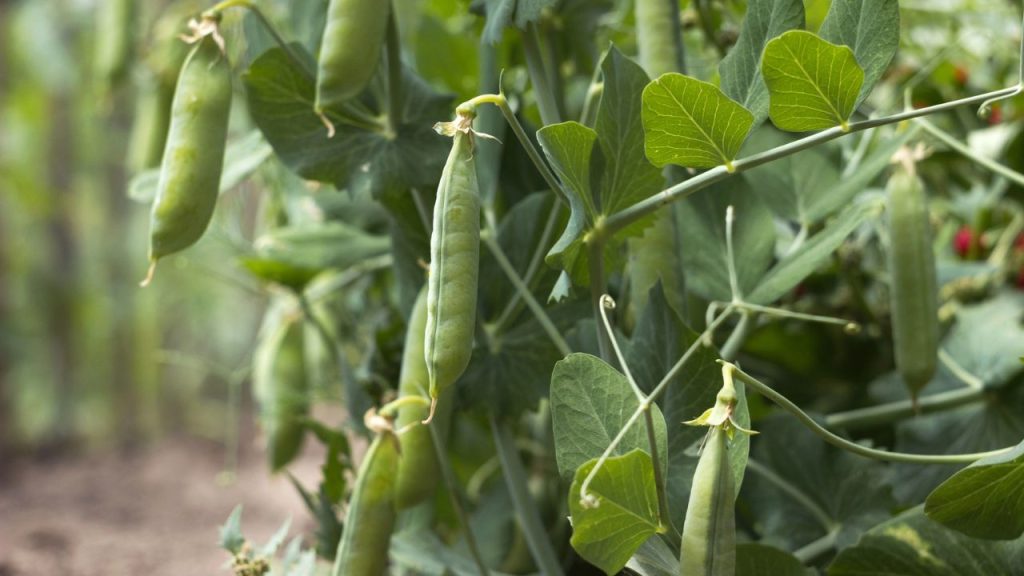
Bush beans are excellent nitrogen-fixing plants, meaning they naturally enrich the soil with nitrogen—a key nutrient that supports leafy greens like collards. They also provide light ground cover, helping to retain soil moisture and suppress weeds. Their compact size makes them easy to grow alongside collards without competing for sunlight.
Carrots

Carrots make a great companion plant for collard greens because they grow deep in the soil, breaking up compacted ground and improving aeration.
Beets

Beets and collards coexist well because they draw nutrients from different soil levels, preventing competition. Beets help break up heavy soil, making it easier for collards to absorb water and nutrients.
Radishes

Radishes are quick-growing root crops that help loosen the soil, making it easier for collard greens to establish strong roots. They can also act as a trap crop, attracting flea beetles away from collards. Planting radishes among collard greens provides a natural way to deter pests while optimizing garden space.
Celery

Celery pairs well with collard greens because it repels whiteflies and other pests that tend to target brassicas. It has a shallow root system that won’t compete with collards for deep soil nutrients. Celery also thrives in the same cool-season conditions, making it a great companion for an extended growing season.
Spinach
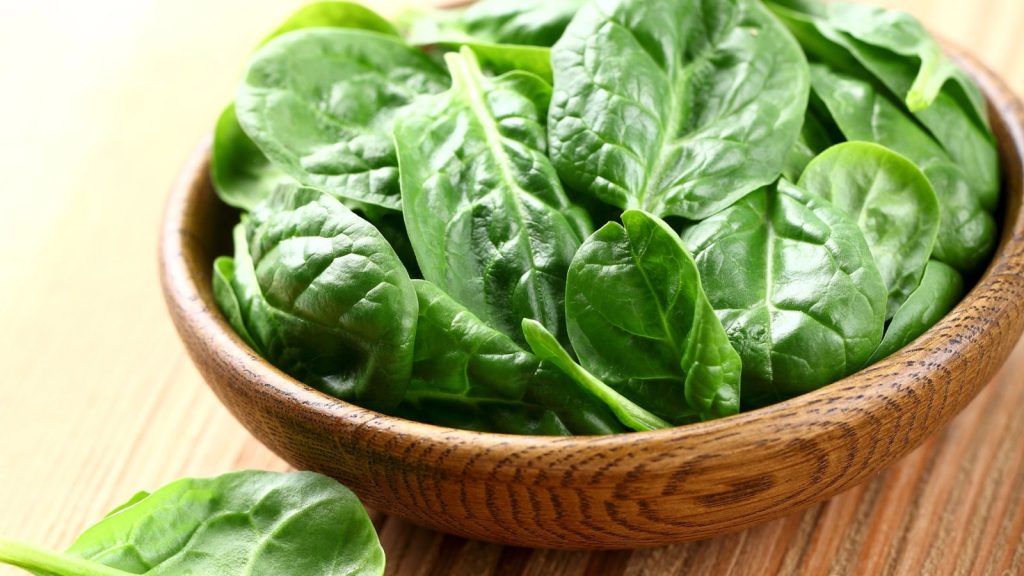
Spinach makes an excellent companion for collard greens because it has shallow roots and doesn’t compete for space. It acts as a living mulch, helping retain soil moisture and suppressing weed growth.
Plants You Should Never Grow Too Close To Your Hydrangeas

Although hydrangeas can be compatible with many plants, some can adversely affect their growth. Here are 14 plants you should never grow next to your hydrangeas.
Plants You Should Never Grow Too Close To Your Hydrangeas
38 Perennial Flowers That Deliver Gorgeous Blooms Every Blooming Season

Perennial flowers are a great way to add lasting color to your garden, returning year after year to keep it looking vibrant. If you’re looking to brighten your garden, check out these 38 colorful options that thrive and come back every season.
38 Perennial Flowers That Deliver Gorgeous Blooms Every Blooming Season