After years of trial and error, I can confirm that companion planting isn’t a myth and it definitely works for us! I used to just plant everything randomly and hope for the best, but just a little bit of thought and planning goes a long way in the vegetable garden. By growing certain plants together and knowing which pairings to avoid, we’ve seen a huge increase in crop yields and a decrease in pests and problems.
Lettuce is a fast-growing cool-season crop that is easy for even the most novice gardener to grow. However, issues such as aphid infestations, slug damage, and premature bolting (flowering) can quickly destroy your green-fingered efforts. Let’s investigate the best companion plants for
1. Celery
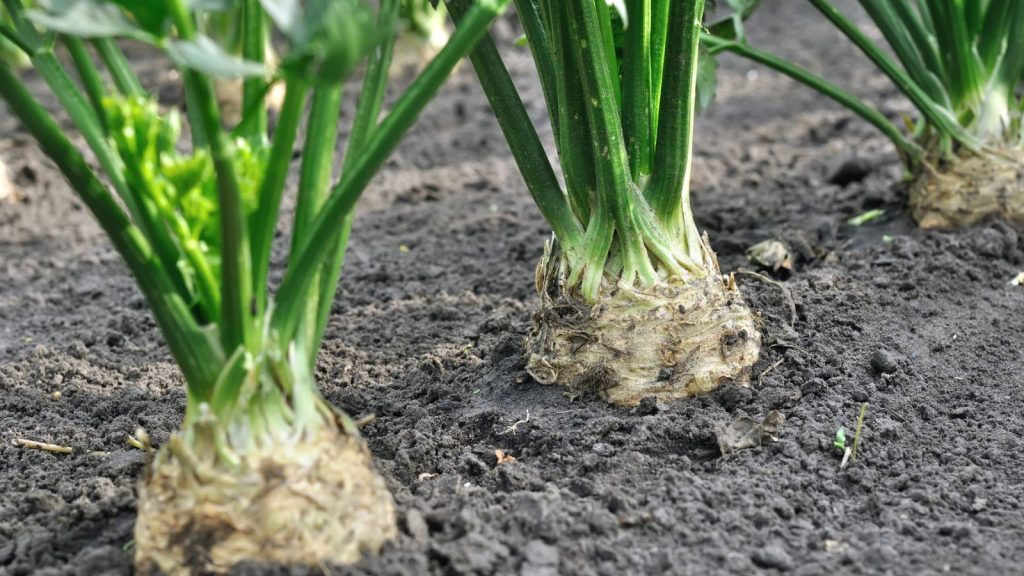
Celery and
2. Radish
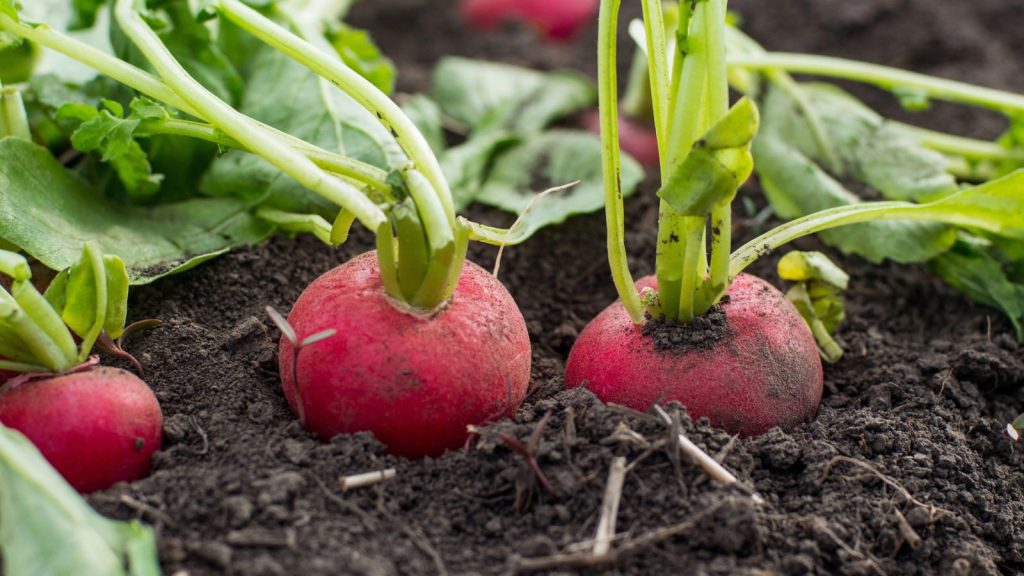
Radishes help break up the soil, enabling
Related: Put the Rad Back in Radish With These 17 Recipes
3. Cucumbers

In our super-scorching location, this combination is the only way we can grow
In turn, leafy lettuces reduce moisture evaporation from the soil, helping your cucumbers grow big and juicy.
17 Best Companion Plants for Cucumbers
4. Beets

Beets and
5. Onions
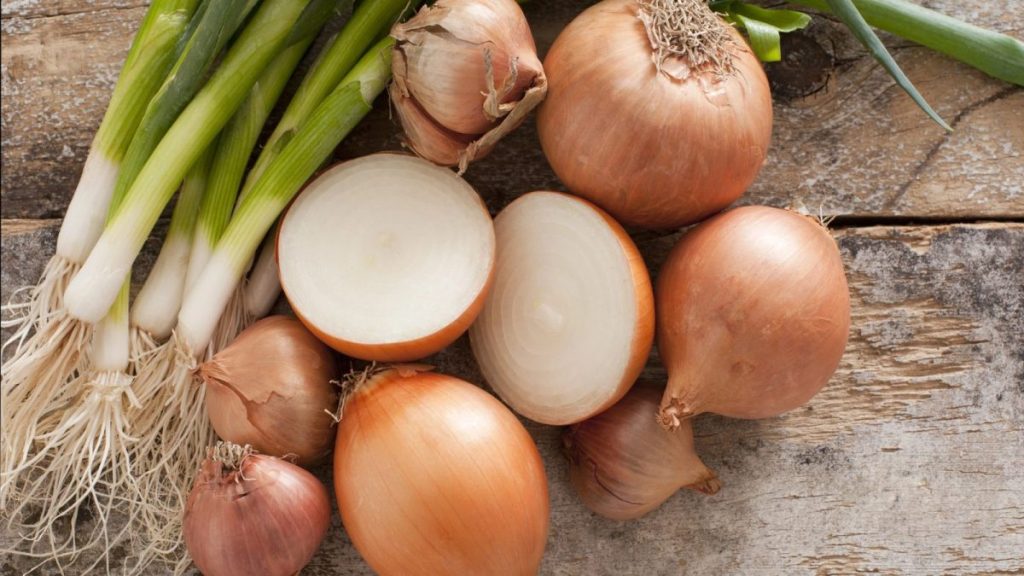
Onions are a natural pest deterrent, especially against slugs that commonly target
6. Carrot

Carrots and
Related: Grow Better Carrots with These Companion Plants
7. Garlic
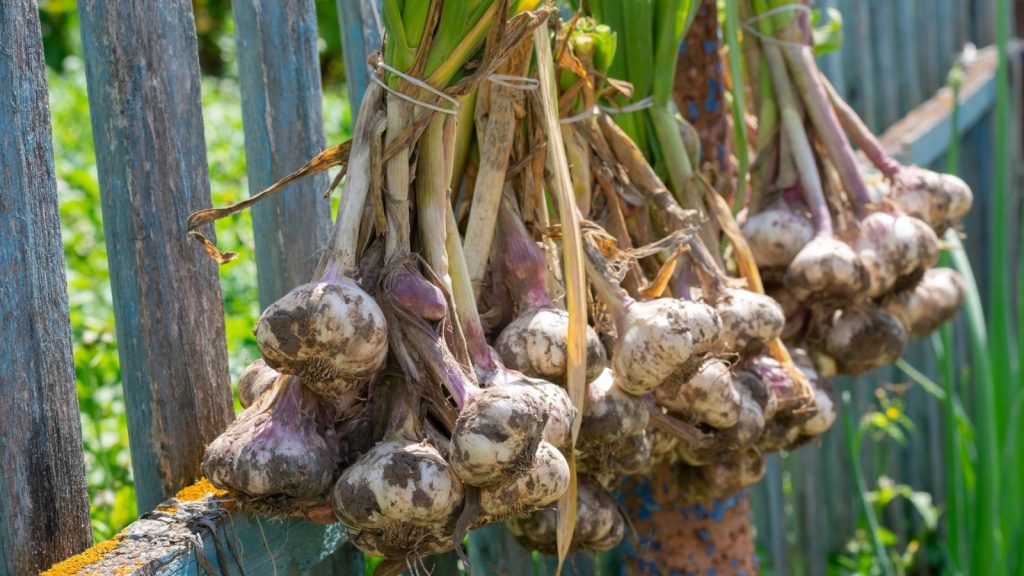
Garlic is an especially helpful plant in organic pest management, as its pungent smell can repel slugs and aphids. Like onions,
8. Peas

Peas are nitrogen-fixers and enrich the soil for
9. Marigolds

Marigolds are a classic companion plant for many vegetables, including
10. Nasturtiums
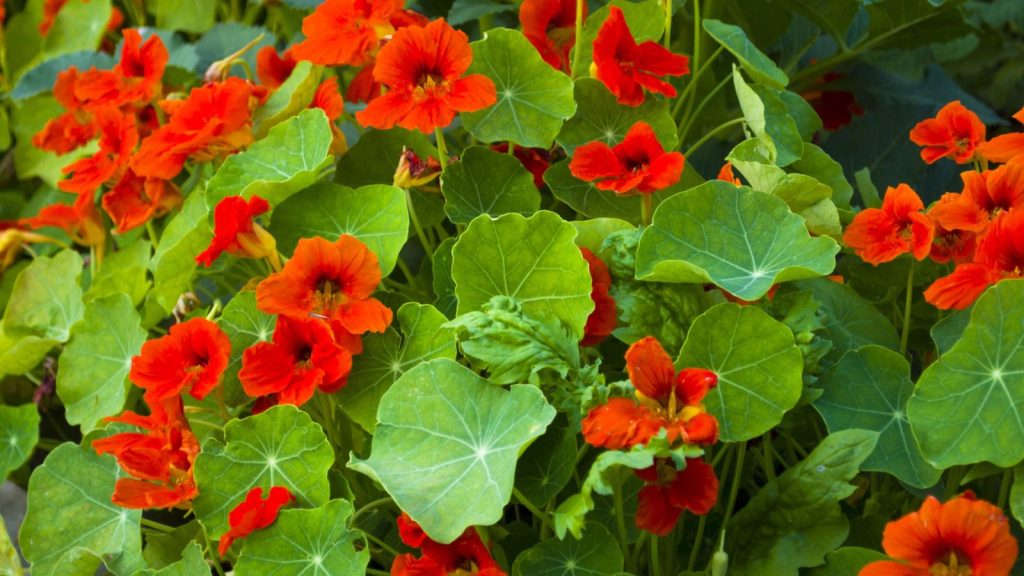
Beautiful
11. Spinach
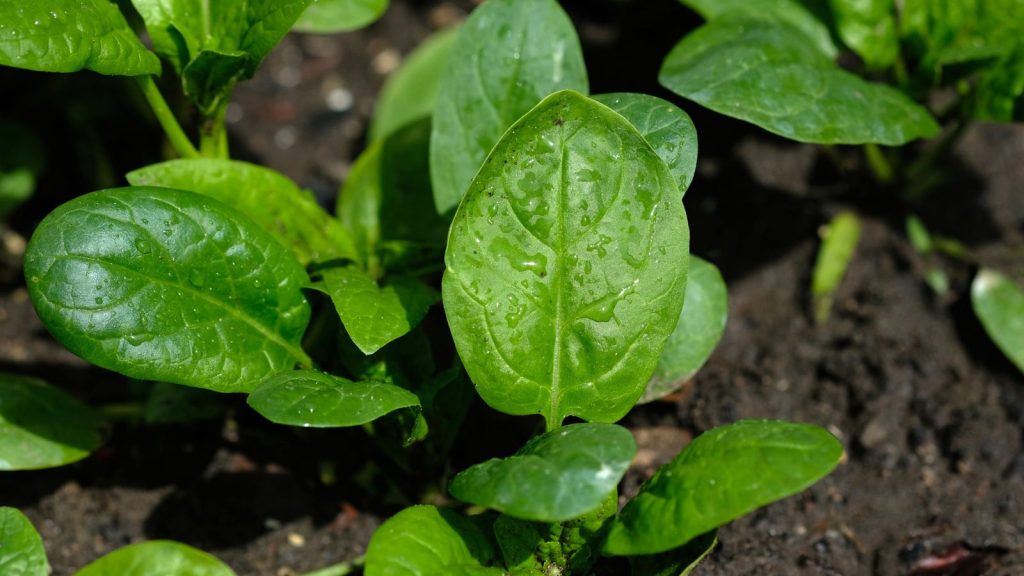
Spinach and
12. Chives
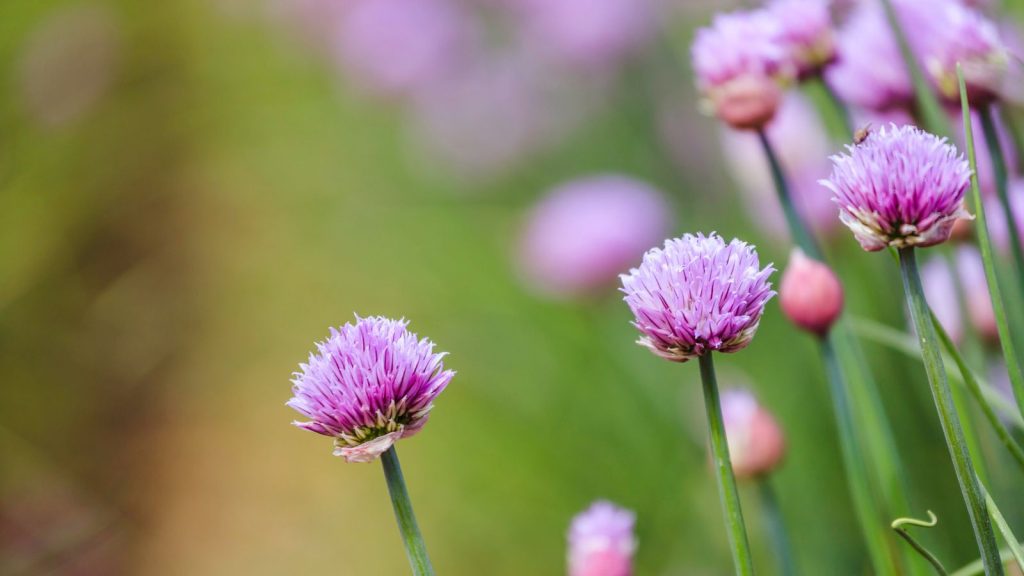
Chives not only deter pests but are also thought to enhance the flavor of nearby
13. Borage

Borage is a garden superhero, improving soil health while also attracting pollinators and predatory insects. This flowering plant can grow quite large, so give it space near your
20 Best Plants for Container Gardening

Container gardening can be as fulfilling as large-scale farming in growing and harvesting food. Whether planting in your backyard, on a balcony, patio, or urban homestead, here are some of the best plants for growing in containers.
20 Best Plants for Container Gardening
Build Your Dream Garden with These 16 Easy DIY Raised Beds

While pre-made raised beds can be expensive, building your own is a cost-effective alternative. With some basic materials and a bit of effort, you can construct your own raised beds at a fraction of the cost. Here are 16 DIY Raised garden bed projects to help you get started.
Build Your Dream Garden with These 16 Easy DIY Raised Beds
Grow Juicier, Tastier Tomatoes with These 15 Companion Plants

Companion planting is an age-old gardening method that can help prevent common plant issues and boost crop yields. By using some of the best companion plants for tomatoes, your harvests will be better than ever. Here are the 15 best companion plants for your tomato garden.
Grow Juicier, Tastier Tomatoes with These 15 Companion Plants

Kate Chalmers
Kate is a passionate gardener who has a keen interest in all things related to homesteading and sustainability. She resides in Portugal with her husband and menagerie of animals and has over 15 years of experience in the UK veterinary industry. In 2020, Kate and her husband took on a dilapidated Portuguese house and abandoned olive grove, turning it into an abundant food forest and home for nature.
Life on the homestead is never the same from one day to the next, and Kate has mastered many skills that she is keen to pass on to anyone with an interest in becoming more self-sufficient. Kate believes that living a sustainable lifestyle is the key to happiness and fulfillment and that everyone can make simple changes that connect us back to nature and reduce our impact on the planet.