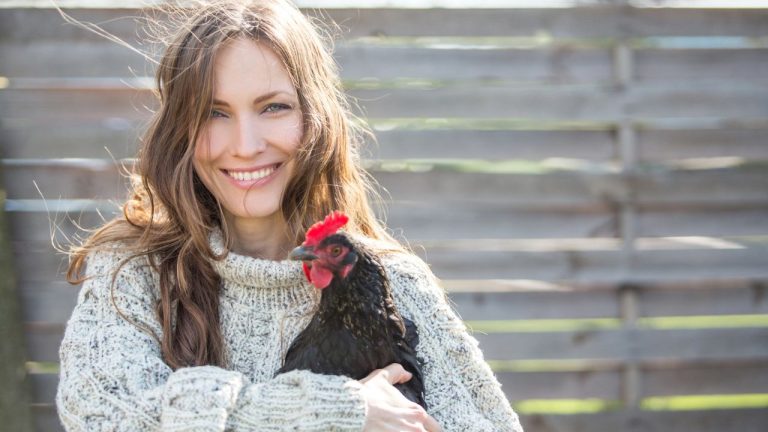

Hot summers can be tough on chickens, especially in areas where temperatures soar above 85°F. Unlike humans, chickens can’t sweat to keep cool, so they are at high risk of heat stress and even death in severe cases. We live in an area prone to heat waves throughout the summer months, so we’ve become very skilled at keeping our flock cool and content!
Chickens can keep themselves cool to some extent by panting, spreading their wings, and seeking shade. However, this isn’t enough in extreme temperatures, and they can quickly become overheated.
Let’s take a look at some practical ways to help your chickens stay comfortable, hydrated, and safe all summer long.
Provide plenty of fresh, cool water
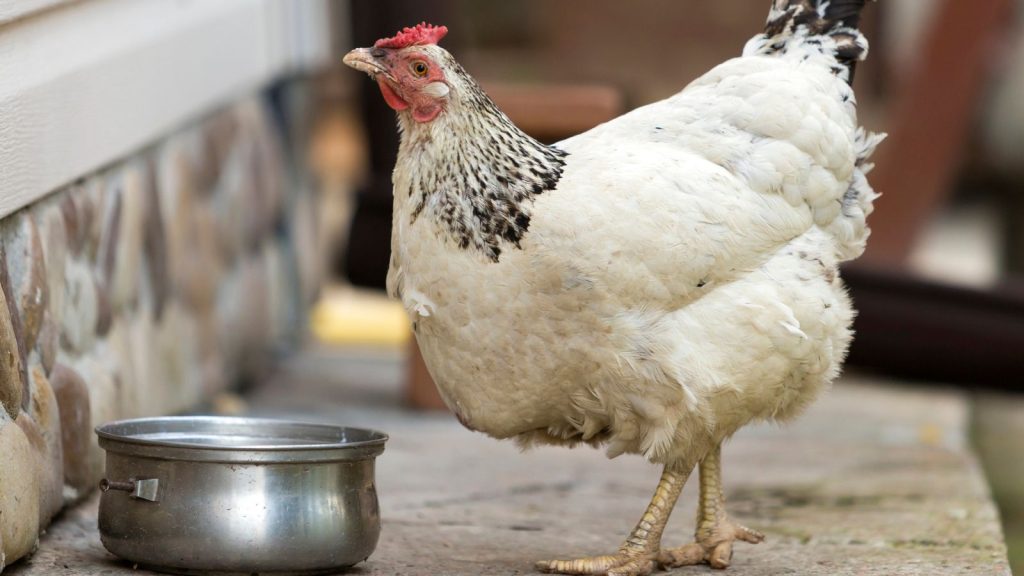
It’s amazing how much more chickens drink during a heat wave. Hydration is the most important defense against heat stress, so make sure waterers are always full and placed out of direct sunlight. Chickens dislike drinking warm water, so refresh their drinking stations 2-3 times a day during hot weather.
Create extra shady spots
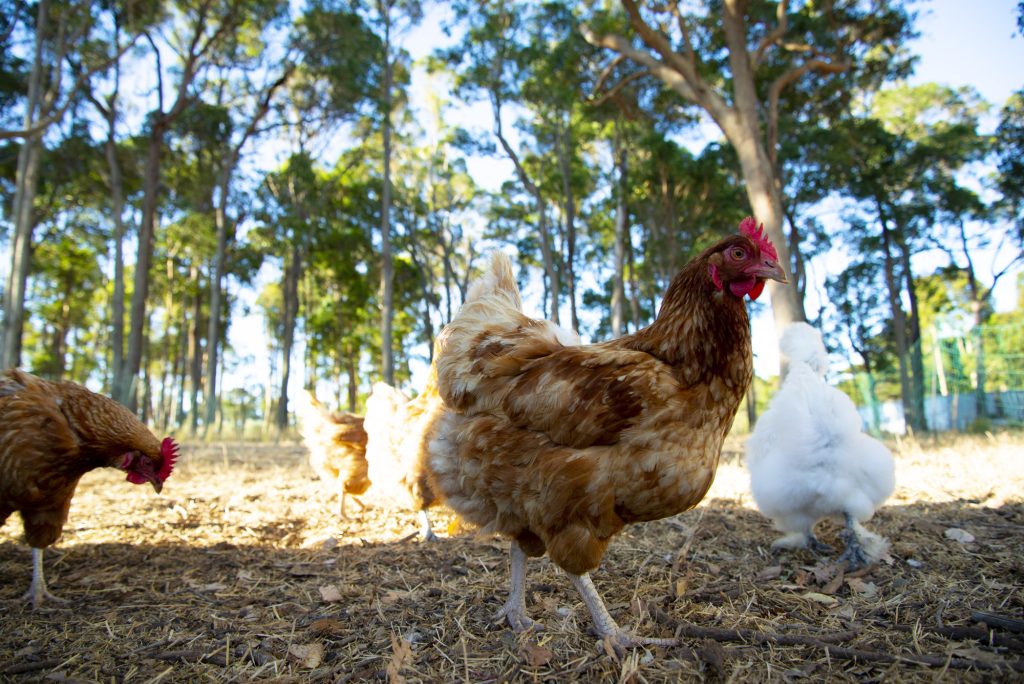
A well-thought-out shaded area can feel up to 20°F cooler than the surrounding sun-baked areas. Leafy trees are ideal, or consider planting fast-growing vines like gourds or beans on a trellis for a living canopy. Tarps, old sheets, shade cloth, and beach umbrellas can be used to create a shady spot for your flock to hang out in.
Keep the coop well ventilated
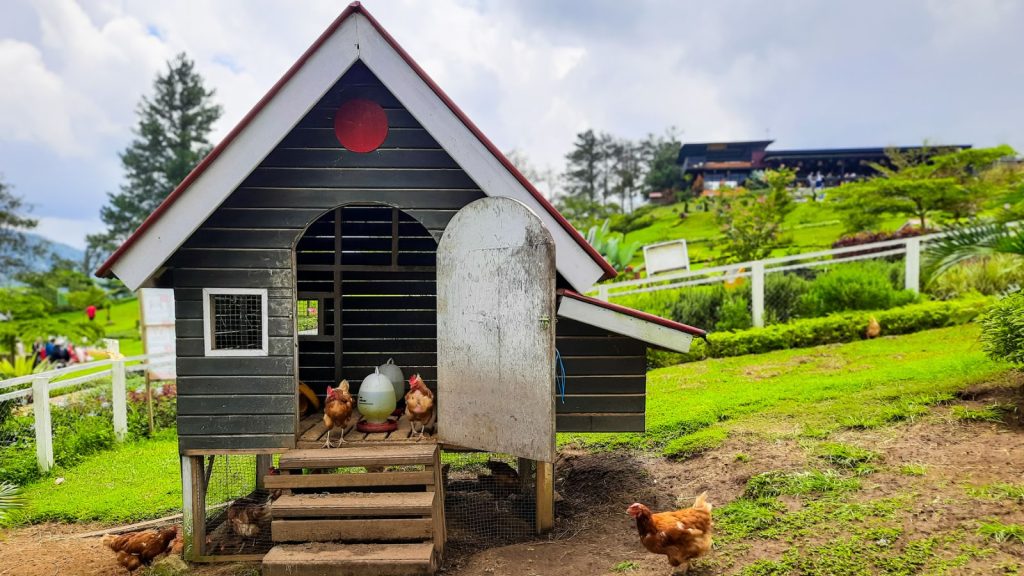
Coops can get dangerously warm if not well-ventilated. Replace glass windows with wire mesh to create extra airflow, and leave the doors open if possible during the day. If you’re planning a new setup, avoid placing the coop in full sun or an enclosed area without airflow.
Make chicken popsicles

Mix herbs, fruits, and veggies with water and freeze them into blocks using muffin tins or small bowls. The chickens will peck at the ice to get to the food inside, keeping them entertained and cool at the same time.
Add ice to waterers

If you’re not going to be around to top up waterers with cold water, add ice cubes instead to keep their water cooler for longer. You can also freeze large water bottles or jugs and float them in the waterer. This simple trick encourages chickens to drink more and keeps them from overheating.
Create a dust bath area

On hot days, our hens dig a dust bath so deep that we can barely see them! Dust bathing helps chickens regulate their body temperature in the cool soil, so provide a dry, shaded area with a mix of loose dirt and sand for them to wallow in.
Offer chilled hydrating snacks

Cold snacks are a summer favorite for chickens, and this is one time of year when you can break the rules and feed plenty of treats! Offer chilled watermelon,
Set up multiple water stations

Chickens shouldn’t have to travel far for a drink in hot weather, so place several water sources around the run and yard. This is especially important if you have a larger flock or dominant hens who block shy ones from accessing water.
Allow the flock to free-range if possible
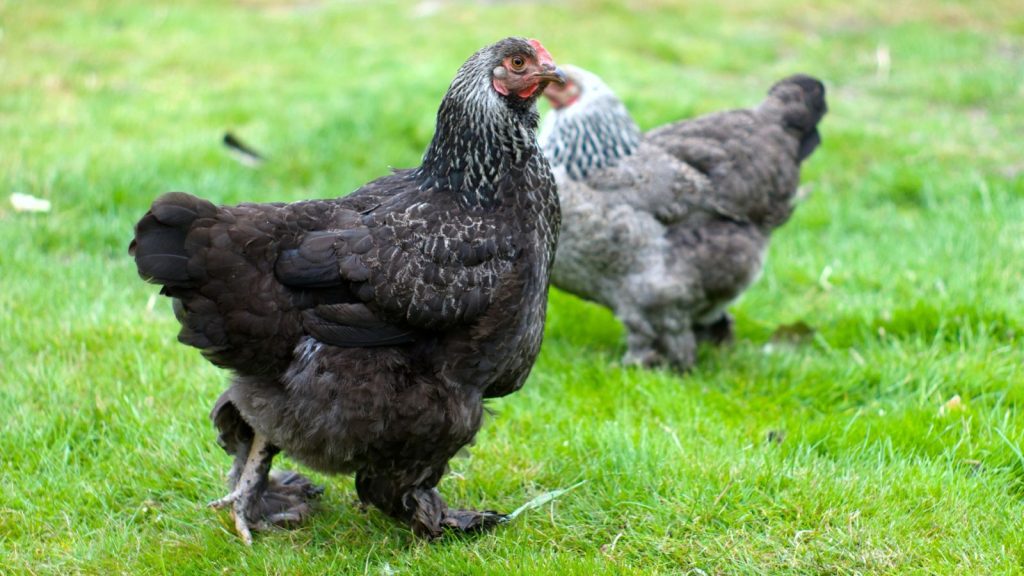
During the summer, we let our flock free-range across the homestead whenever it is safe to do so. They seek out the coolest, shadiest spots to hang out, often far away from the coop and run.
Use shallow pans of water for wading

Not all chickens enjoy standing in water, but a few of our hens come running every time we fill up their wading pans! We place them in a shaded spot and top them up regularly with cold water.
Feed in the morning and evening

Don’t be surprised if your chickens eat less during a heat wave. Digesting food raises their body temperature, so they’re more likely to eat early in the morning and again in the evening when it’s cooler. It’s also not uncommon for hens to lay fewer eggs during periods of hot weather, so their nutritional requirements are lower.
Offer a mud wallow

This is a great way to keep chickens cool – create a mud wallow! We spray patches of bare ground with plenty of cold water, and the hens spend hours digging and scratching through the cool earth. Some even create a muddy dust bath, a messy yet effective way to cool down!
Avoid high-protein treats

During hot weather, skip protein-rich treats like
Mist the ground
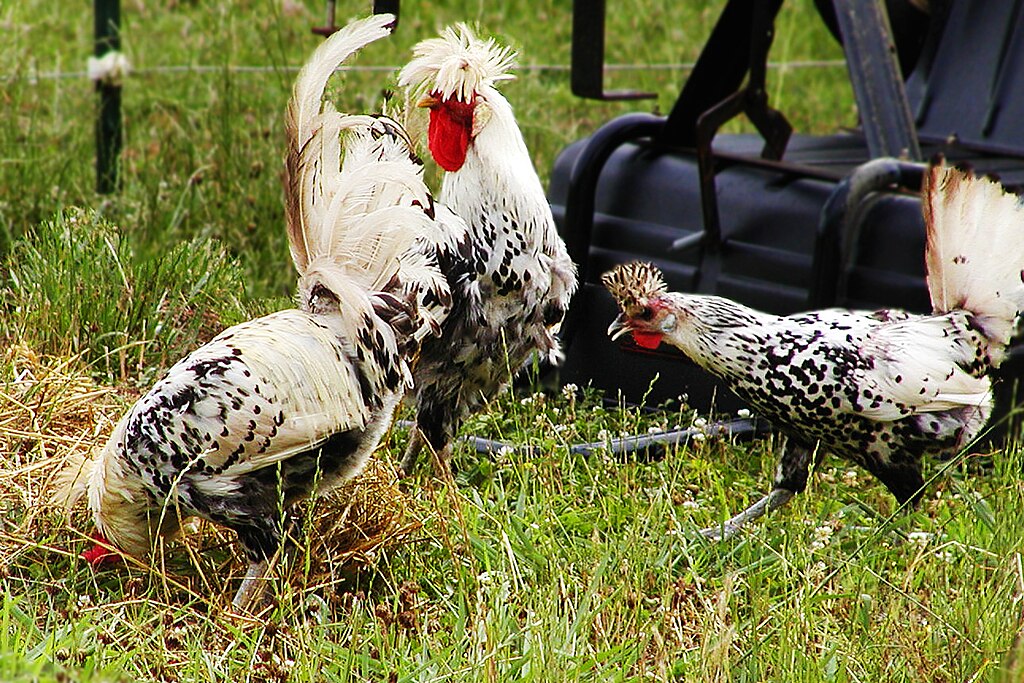
Misting the ground with a hose or using a fine-spray misting system cools the air as the moisture evaporates. Do it in short bursts during the hottest part of the day, particularly on grassy areas that retain moisture well.
Keep the coop as cool as possible

If your hens are still panting on the roost, it’s time to take steps to cool the coop down:
- Use a fan to improve airflow
- Place frozen bottles of water under the perches
- Keep bedding clean and dry
- Paint the coop roof white
- Add foil-backed insulation panels or reflective barriers to sun-facing walls
- Raise the coop off the ground to improve airflow
Signs of Heat Stress in Chicken
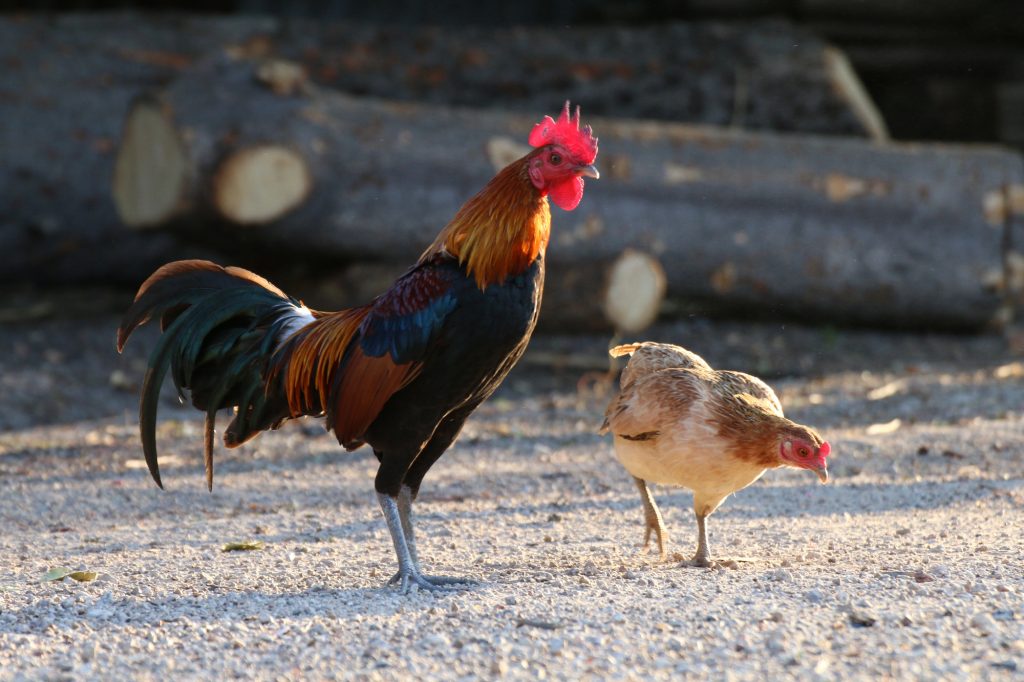
Knowing the signs of heat stress in chickens is crucial. So in the heat of summer, it is important to watch out for the following:
- Panting
- Lethargy
- Wings held away from the body
- Pale or floppy combs and wattles
- Disorientation or drooping posture
If you notice any of these symptoms, act fast! Move the chicken to a shaded, ventilated area that is as cool as possible, and offer cold water or electrolytes.
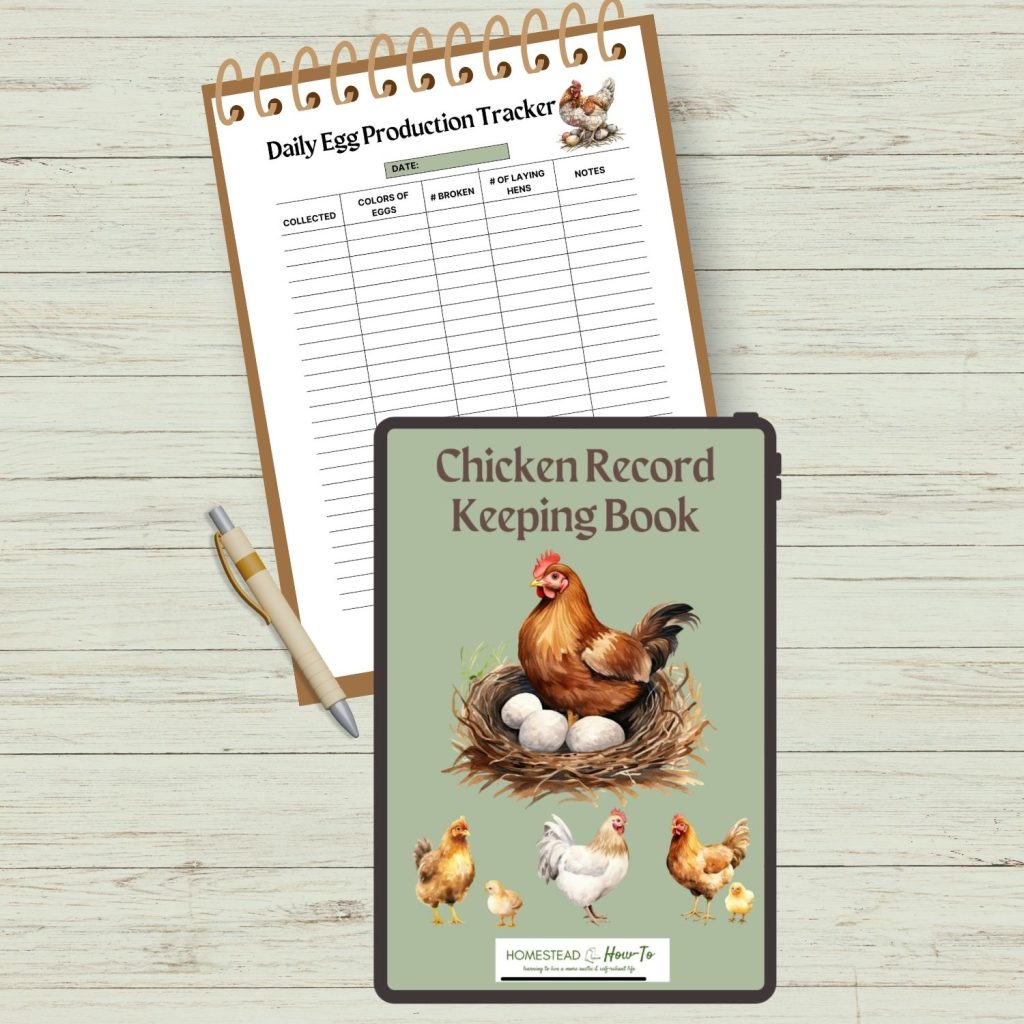
Grab Your Chicken Record Keeping Planner
Take the guesswork out of managing your flock with this all-in-one Planner! This 45-page printable bundle helps you track egg production, maintain bird health, organize coop chores, and stay on top of your poultry finances—all in one place.
$17
The Best Animals to Raise on Your Homestead That Aren’t Chickens
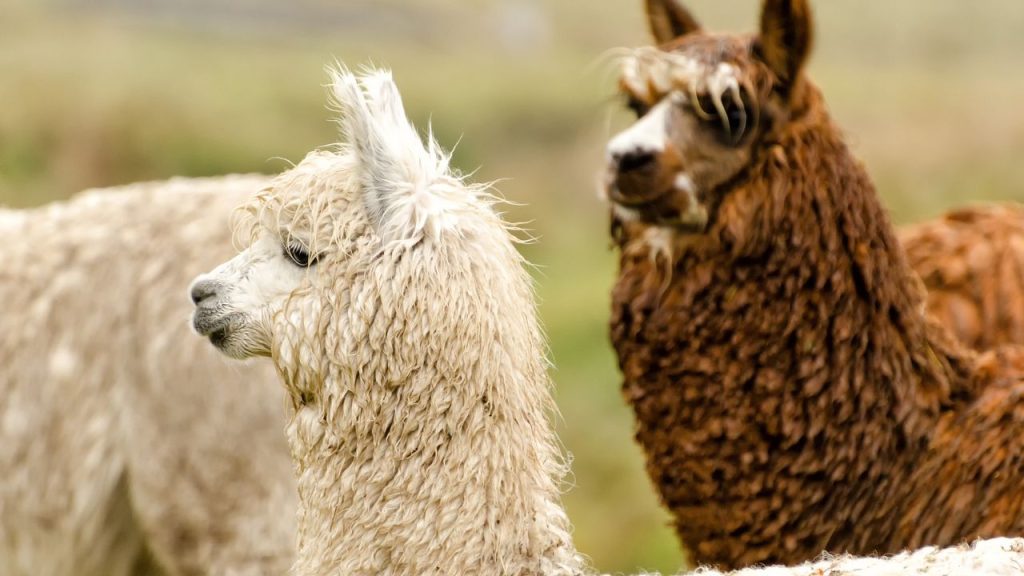
If you are looking for animals to raise on your homestead beyond chicken, here are 14 that we’ve rounded up.
The Best Animals to Raise on Your Homestead That Aren’t Chickens
19 Things You Should Know Before Getting Chickens

Before you jump into the world of chicken-keeping, there are a few essential things to know. Here’s our comprehensive guide of 19 essential tips to help you become a confident and successful chicken owner!
19 Things You Should Know Before Getting Chickens
How to Raise Your Own Chickens

Here’s a guide on how to raise your own chickens to lay eggs and eat meat.
How to Raise Your Own Chickens

Kate Chalmers
Kate is a passionate gardener who has a keen interest in all things related to homesteading and sustainability. She resides in Portugal with her husband and menagerie of animals and has over 15 years of experience in the UK veterinary industry. In 2020, Kate and her husband took on a dilapidated Portuguese house and abandoned olive grove, turning it into an abundant food forest and home for nature.
Life on the homestead is never the same from one day to the next, and Kate has mastered many skills that she is keen to pass on to anyone with an interest in becoming more self-sufficient. Kate believes that living a sustainable lifestyle is the key to happiness and fulfillment and that everyone can make simple changes that connect us back to nature and reduce our impact on the planet.