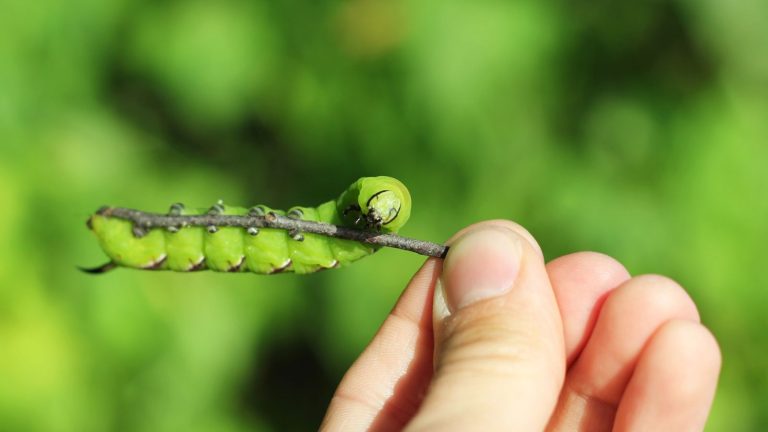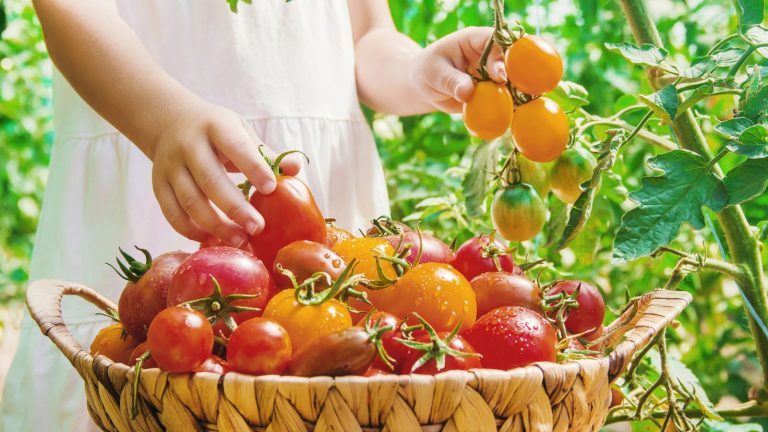


Did you know certain vegetables produce far better yields when planted with a compatible partner? This symbiotic relationship, where plants benefit from sharing the same space, can result in fewer pests, more efficient use of space, and bigger and more flavorsome crops. Let’s take a look at some of the best vegetable pairings to consider in a raised bed garden.
Tomatoes & Basil
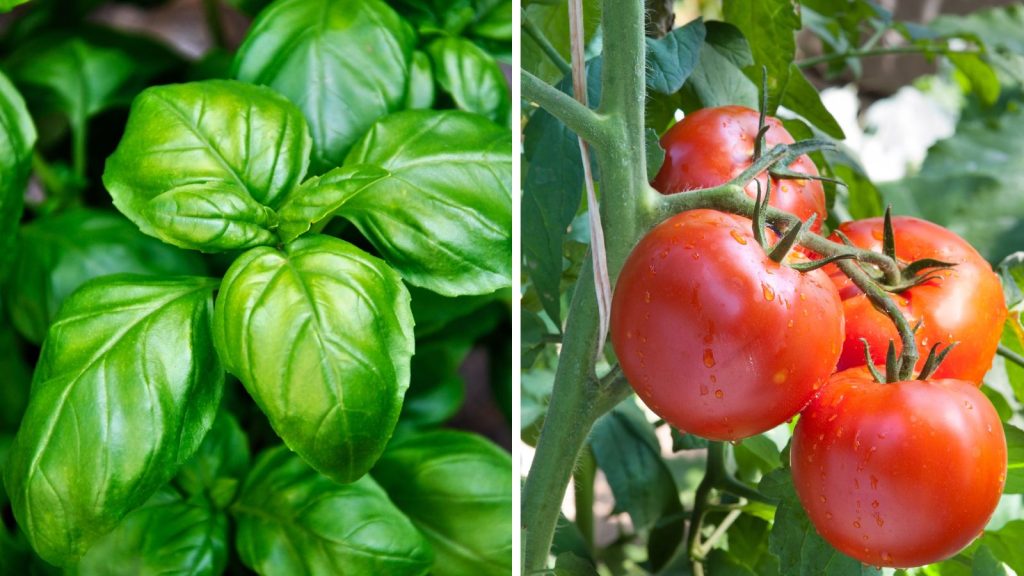
Tomatoes and basil are the classic vegetable pairing for a raised bed garden. Aphids find the pungent aroma of basil highly repellent and will give your tomato plants a wide berth. In turn, basil benefits from the shade provided by tomatoes, resulting in lush, leafy growth.
Plus, it is thought that basil improves the flavor of tomatoes – well, they certainly go well together in a salad anyway!
Carrots & Onions
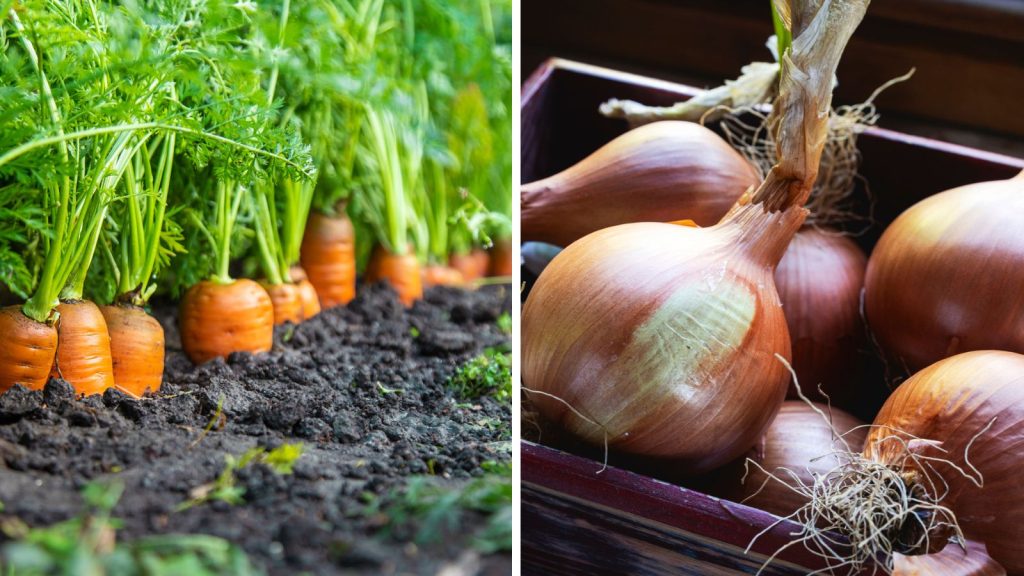
Carrots and onions are great partners as each can repel pests that target the other. The strong scent of onions confuses pests like carrot root flies, while
Cucumbers & Radishes
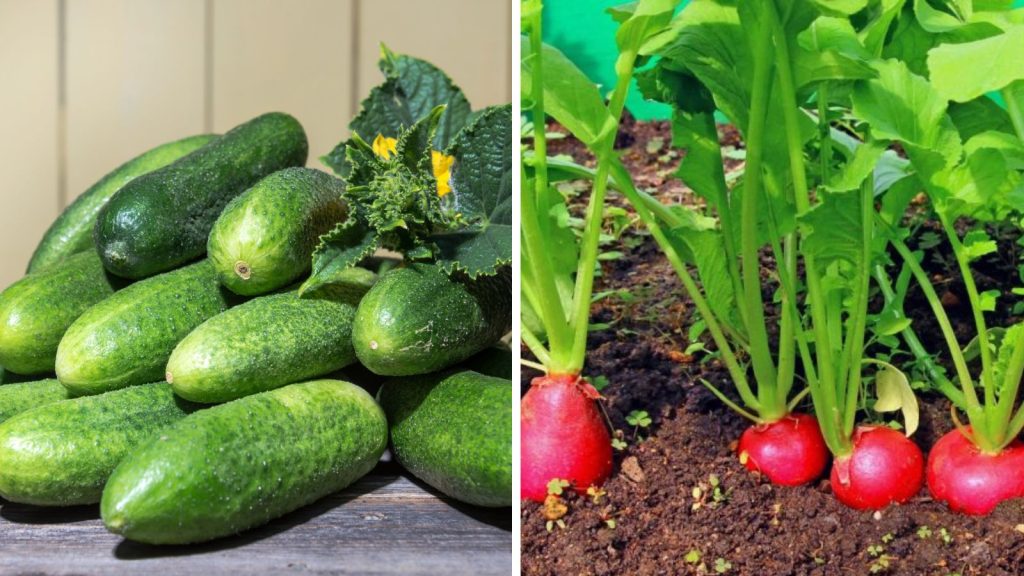
Radishes love the shade created by leafy
And, as
Lettuce & Spinach
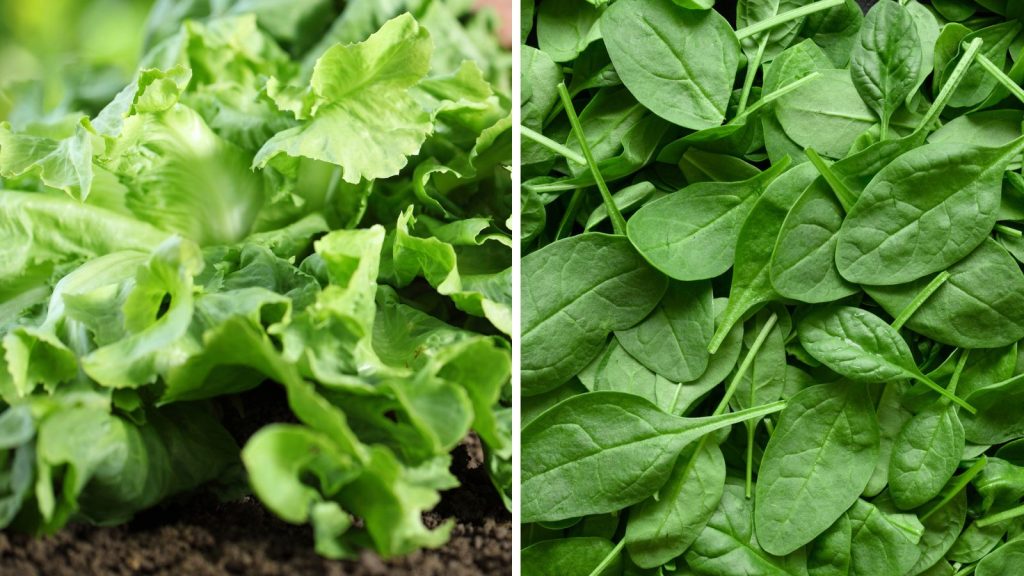
Alternating rows of
Beans & Corn
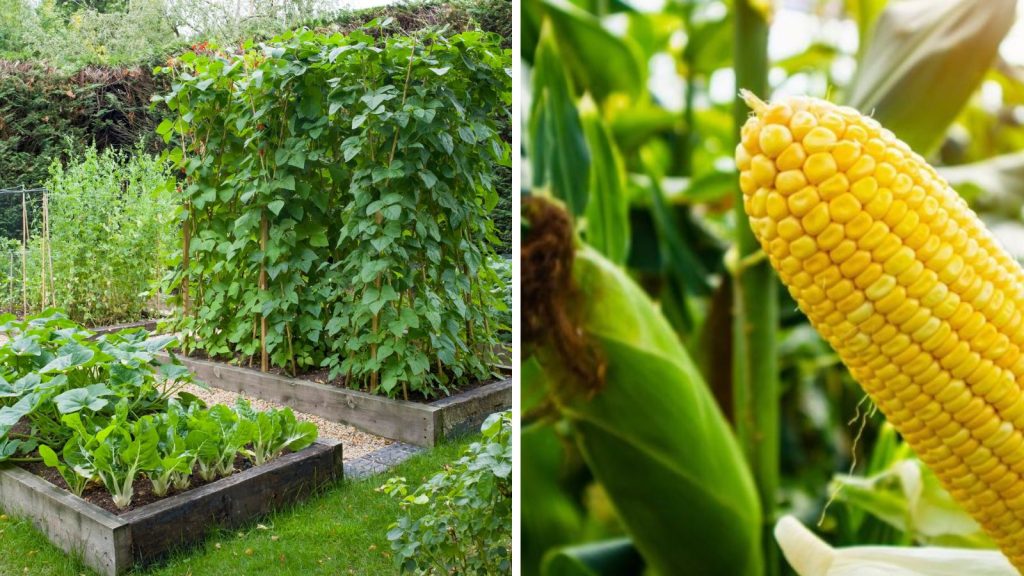
Beans and corn are part of the trio of vegetables known as the ‘three sisters’, but these two crops also work well when grown in raised beds.
Tall corn stalks act as natural supports for climbing bean plants, and the beans fix nitrogen in the soil, which boosts the growth of corn plants.
Peas & Carrots
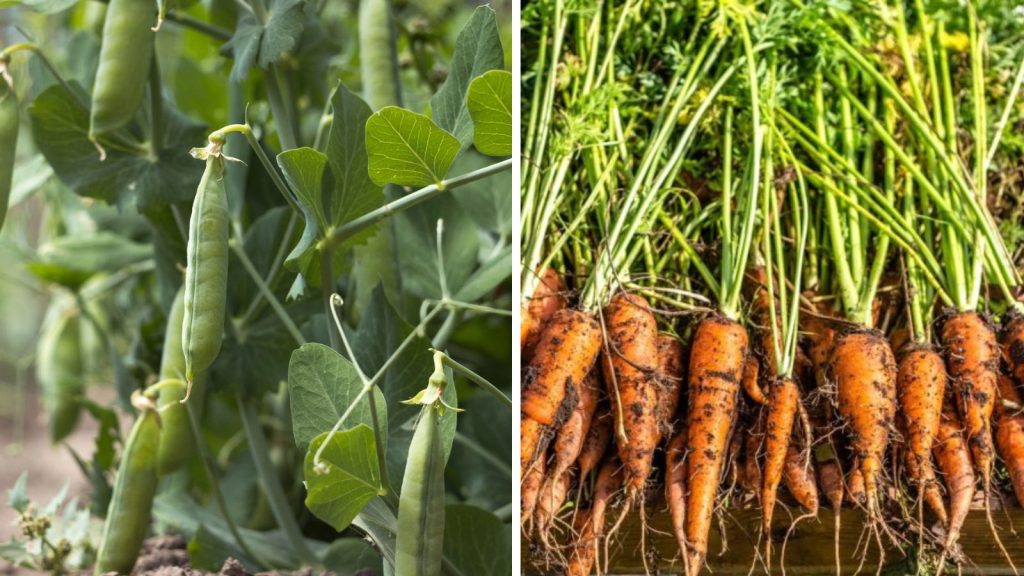
In warmer weather,
Cabbage & Dill
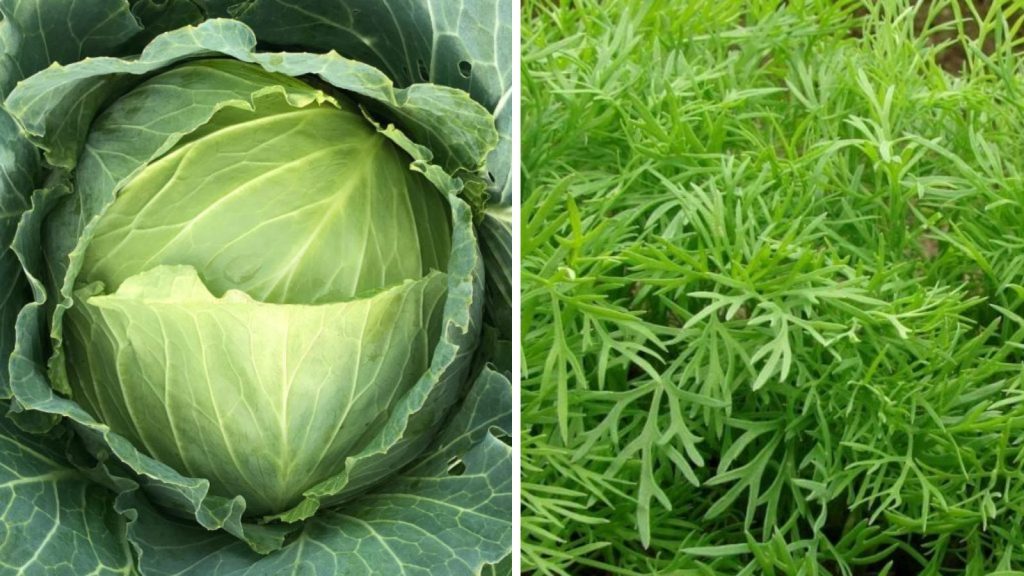
Dill is a vastly underutilized herb in the vegetable garden, and when grown with cabbages, it can yield some impressive results.
Leafy cabbage leaves shade the roots of
Zucchini & Nasturtiums
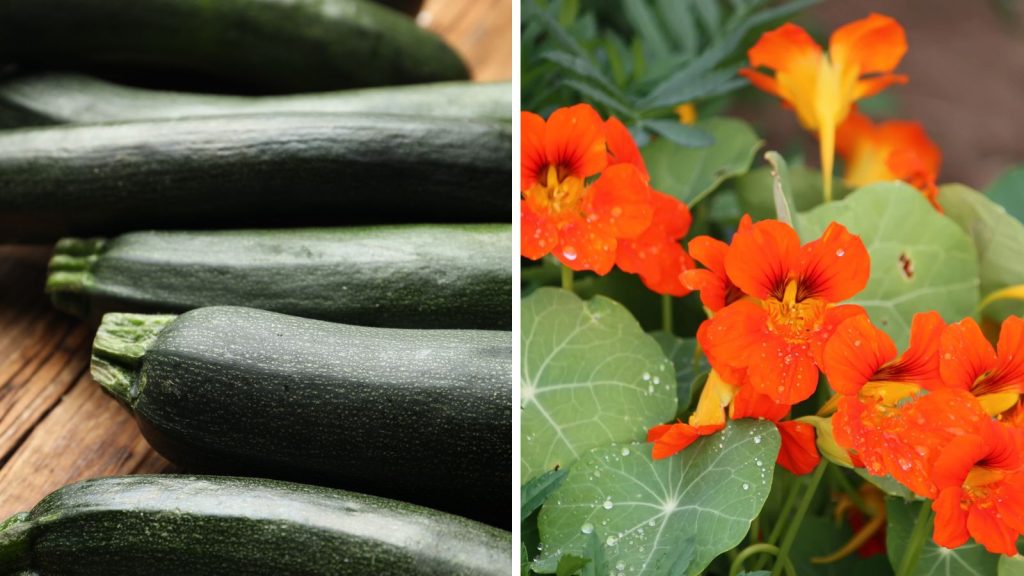
Not many plants can withstand the vigorous growth habit of
This combination works well where space is limited, especially if the plants can trail down the sides of raised beds.
Squash & Corn
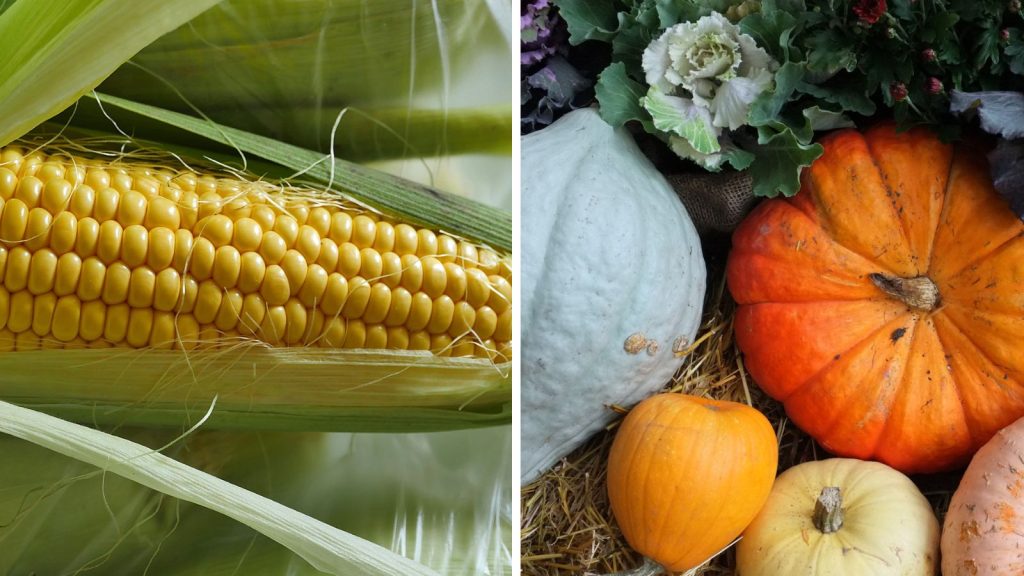
Another pairing from the three sisters trio, squash and corn are the perfect companions for a raised bed. Low-growing leafy squash plants provide ground cover, suppressing weeds and helping retain moisture in the soil.
In turn, thick corn stems support vining squash tendrils, creating a healthy growing environment that benefits both plants.
Beets & Garlic
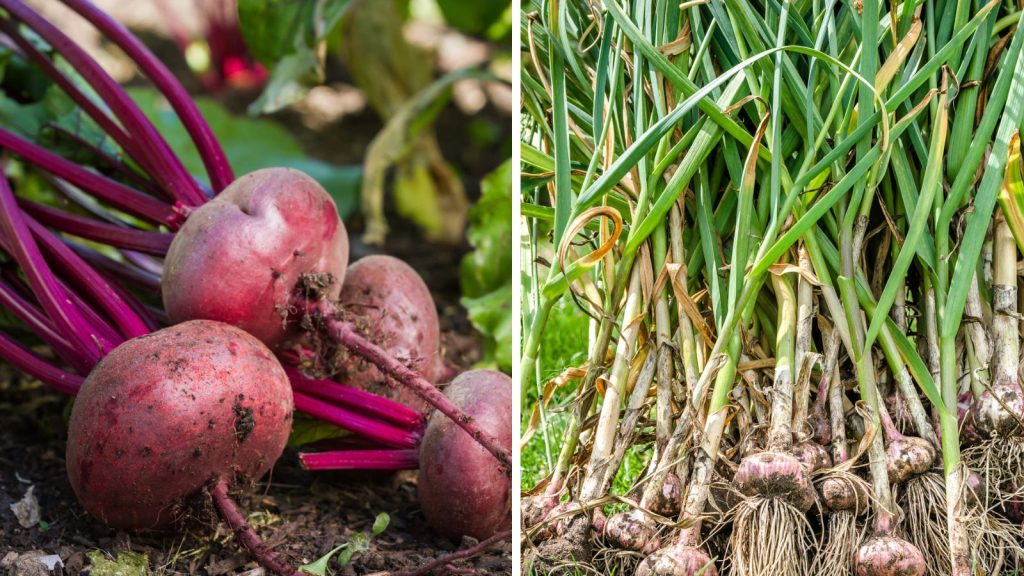
The strong scent of
These two crops can be grown close together, helping to use the space in raised beds more efficiently.
Broccoli & Celery
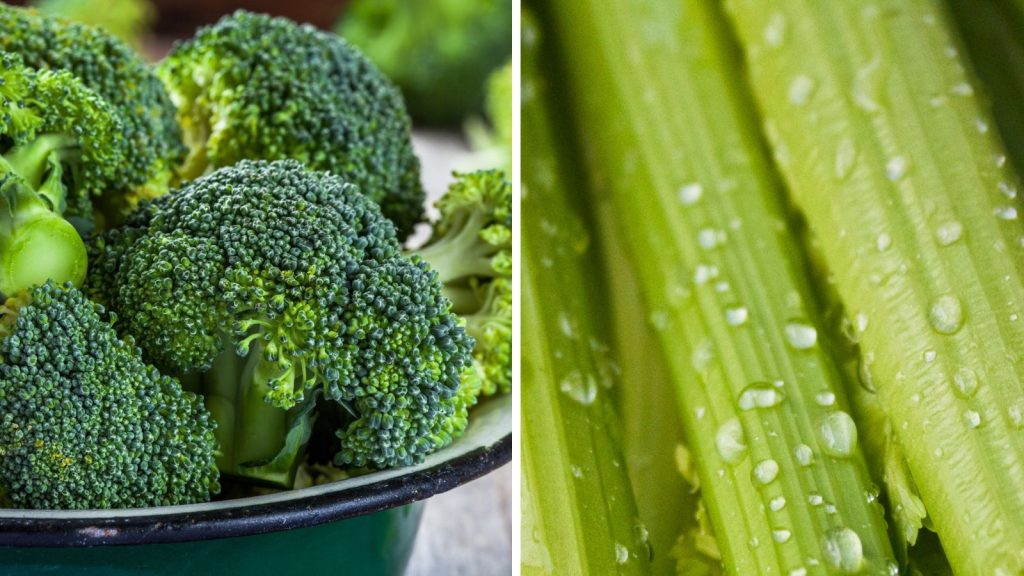
The celery aroma helps repel aphids and other pests that affect broccoli. In return, broccoli offers shade to the celery, which will thrive in slightly cooler temperatures.
This plant combination is especially beneficial in the early stages of growing when both crops are sensitive to temperature fluctuations.
Spinach & Strawberries

Spinach provides ground cover that helps keep the soil cool and moist, while strawberries’ spreading habit helps suppress weeds around
Leeks & Carrots
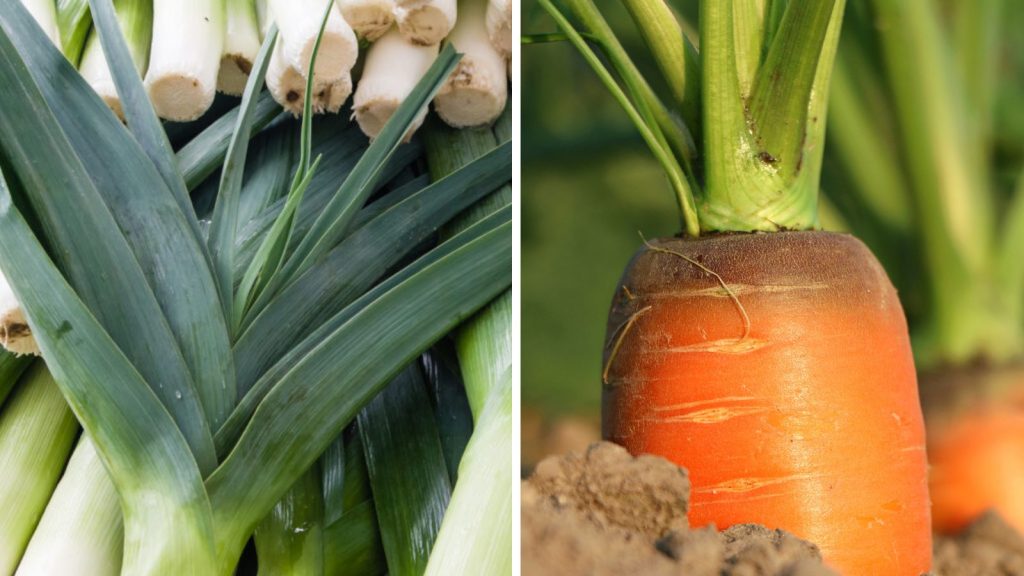
Leeks and
Both plants will benefit from the shade the other provides and can be densely planted in raised beds to boost overall yields.
Brussels Sprouts & Sage

Aromatic sage is well known for deterring pests like cabbage moths and aphids, which often target Brussels sprouts and other brassicas. Pair these together in raised beds to create a healthy, low-maintenance planting system.
Chard & Garlic
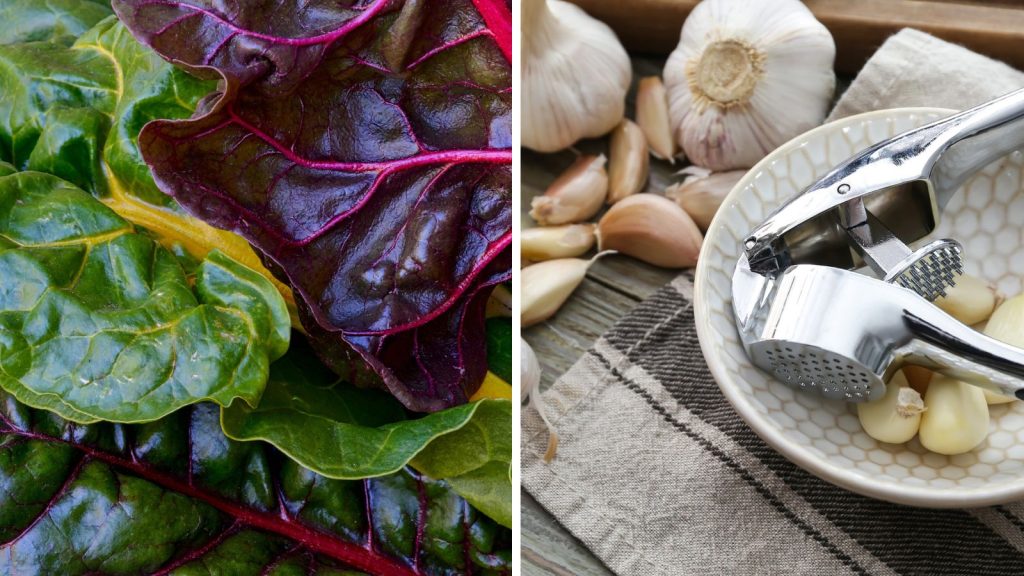
Chard and
Kale & Marigolds

Marigolds repel pests like aphids and cabbage worms, making them an excellent partner for kale in a raised bed.
Peppers & Spinach
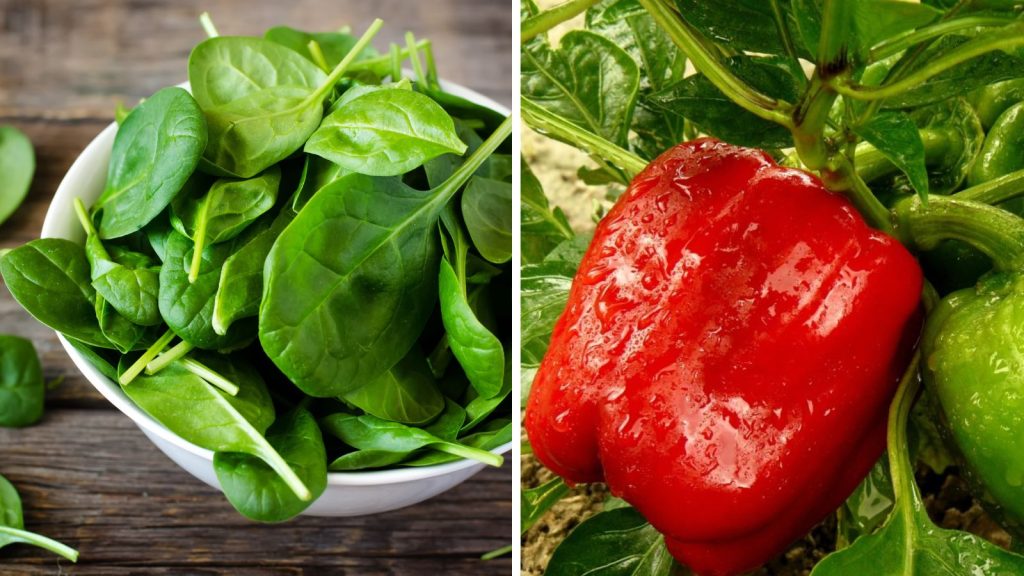
Peppers and
Potatoes & Horseradish

Horseradish acts as a natural deterrent for pests like the Colorado potato beetle, which commonly targets potatoes. Raised beds are the perfect location for horseradish, which can become somewhat invasive when grown in open ground.
21 Cheap Perennials to Grow That Will Make Your Garden Pop

You can fill your space with lush, eye-catching blooms with the right selection without overspending. Here are 21 affordable perennials bringing long-lasting beauty without stretching your wallet this year.
21 Cheap Perennials to Grow That Will Make Your Garden Pop
Your Strawberries Will Thank You for Growing Them Next to These 21 Plants

While some gardeners remain skeptical about companion planting, many have experienced firsthand the benefits of strategically pairing crops. Healthier plants, fewer pest issues, and a more abundant harvest are just a few of the advantages that make this method worthwhile. Here are 21 plants that can help your strawberries thrive.
Your Strawberries Will Thank You for Growing Them Next to These 21 Plants
32 Colorful Perennials That Will Never Leave Your Garden Once Planted

If you want to brighten your garden, consider these 32 colorful varieties that will thrive and bring life to your outdoor area year after year.
32 Colorful Perennials That Will Never Leave Your Garden Once Planted

Kate Chalmers
Kate is a passionate gardener who has a keen interest in all things related to homesteading and sustainability. She resides in Portugal with her husband and menagerie of animals and has over 15 years of experience in the UK veterinary industry. In 2020, Kate and her husband took on a dilapidated Portuguese house and abandoned olive grove, turning it into an abundant food forest and home for nature.
Life on the homestead is never the same from one day to the next, and Kate has mastered many skills that she is keen to pass on to anyone with an interest in becoming more self-sufficient. Kate believes that living a sustainable lifestyle is the key to happiness and fulfillment and that everyone can make simple changes that connect us back to nature and reduce our impact on the planet.