


Goats can be an excellent addition to a homestead, providing fresh milk, meat, fiber, and low-maintenance land management. From sustainable food sources, weed control, and friendly farm companions, goats are a valuable and rewarding investment. However, as with any livestock, goats require proper care, attention, and infrastructure to thrive.
Understanding the basics of raising goats is important for beginners before committing to giving these animals a home. Properly setting up your homestead to accommodate them will save time, money, and effort and prevent costly—and sometimes tragic—mistakes.
1. Choose the right breed
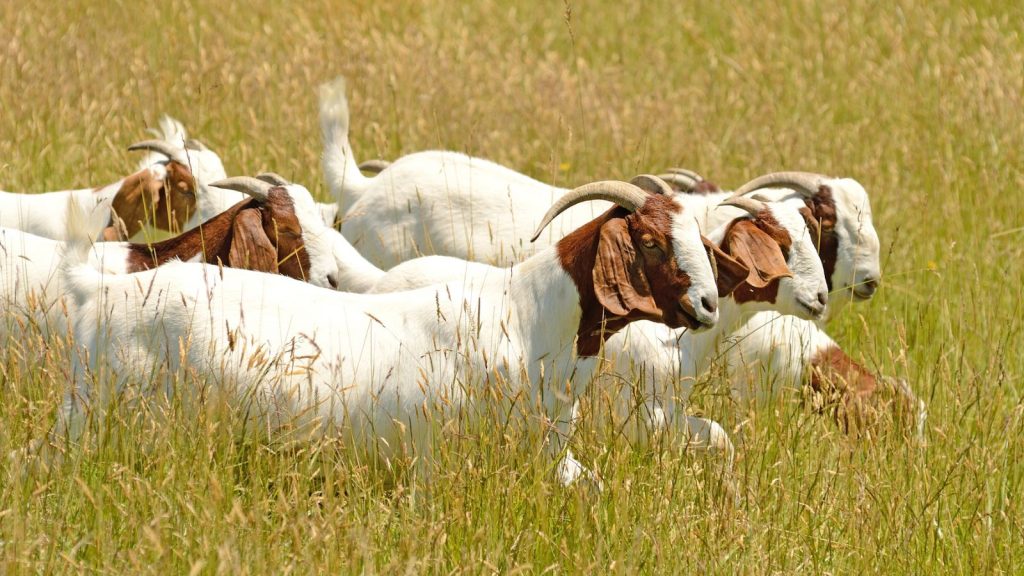
For beginners, the single most important breed characteristic is to get friendly, docile, and easy-to-handle goats. The best breed will also depend on what you intend on keeping them for—meat, milk, fiber, or simply pets that are great at land maintenance. It is also important to make sure the breed you pick is compatible with your local climate.
As a good starting point, here are some of the most popular goat breeds for homesteaders:
- Nubians and Saanens are great for dairy production
- Boer goats are popular for meat
- Angora goats are ideal if you’re interested in fiber production
- Nigerian Dwarfs and Pygmies are often kept as pets.
2. Routine care

Like any form of livestock, goats require daily care. They will need to be provided with fresh food and water, and a daily check for injuries, signs of illness, or behavioral changes is essential to nip bigger problems in the bud. This is a big commitment, and if you’re fond of vacations, make sure your housesitter is happy to keep an eye on the goats!
3. Housing
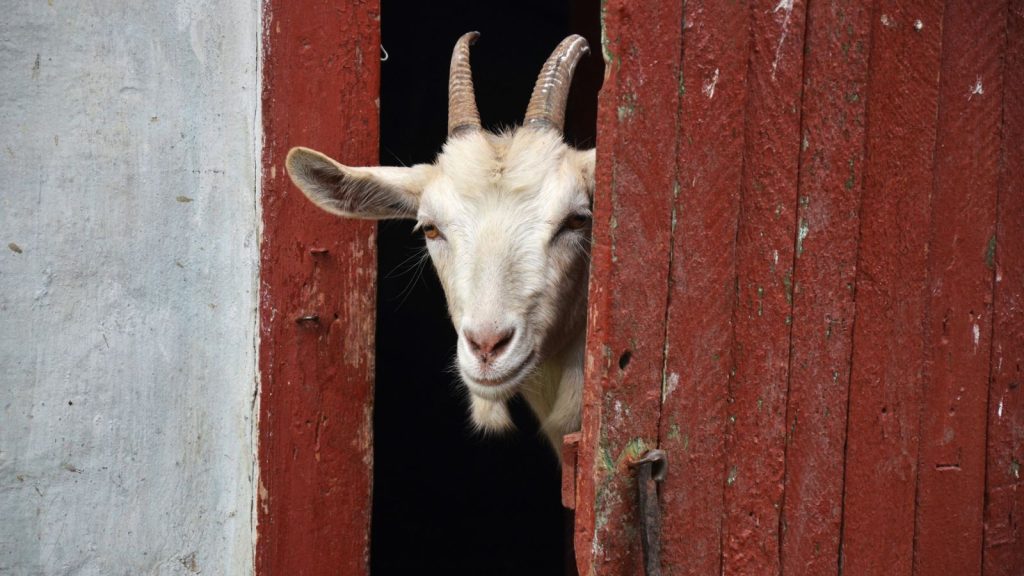
Each goat requires about 10–15 square feet of indoor housing and at least 200–250 square feet of outdoor space to thrive. Goats can and should live in groups, but if you plan on breeding from your herd, you may need separate areas for does, bucks, and young kids.
Housing for goats should consist of well-draining, hard standing, and easy-to-clean. It should be weatherproof but well-ventilated, and insulation may be required in colder regions. Goats are always grateful for a comfortable bed of hay or straw, but don’t be too surprised if they also eat it!
4. Grazing and forage
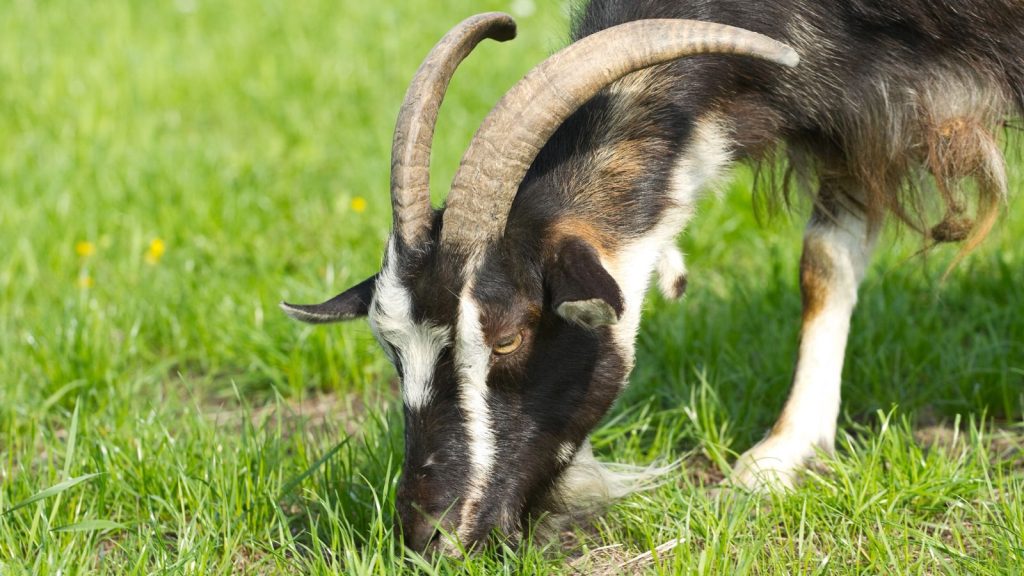
Goats are natural browsers rather than grazers, preferring to eat shrubs, leaves, and weeds over grass. Ensure your grazing land has a variety of plants and bushes, but bear in mind that goats can quickly destroy younger trees. It is a good idea to move goats to new grazing land regularly to maintain pasture quality and reduce parasite buildup.
If natural forage is limited, your goats will need an ample supply of good-quality grass hay or alfalfa. They also need space to move and play, so provide climbing structures to keep them happy and healthy.
5. Outdoor shelter
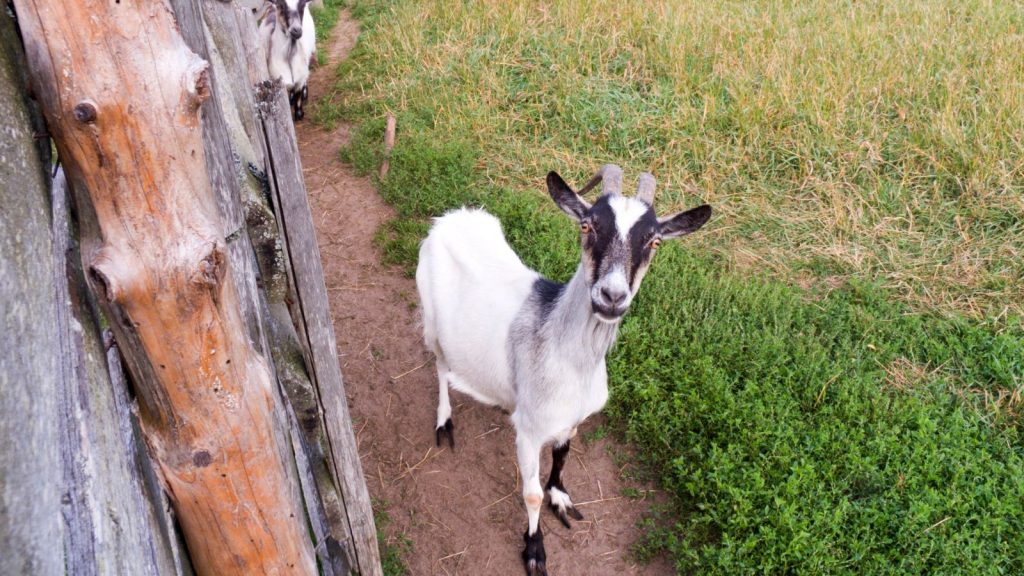
If your goats don’t have access to their housing during the day, they will need a dry, draft-free shelter to protect them from rain, wind, and extreme temperatures.
A simple three-sided shed is normally sufficient, provided it has enough space for all goats to lie down comfortably. Make sure the shelter is predator-proof, as goats can fall victim to coyotes, stray dogs, or even large birds of prey if left unprotected.
6. Secure fencing
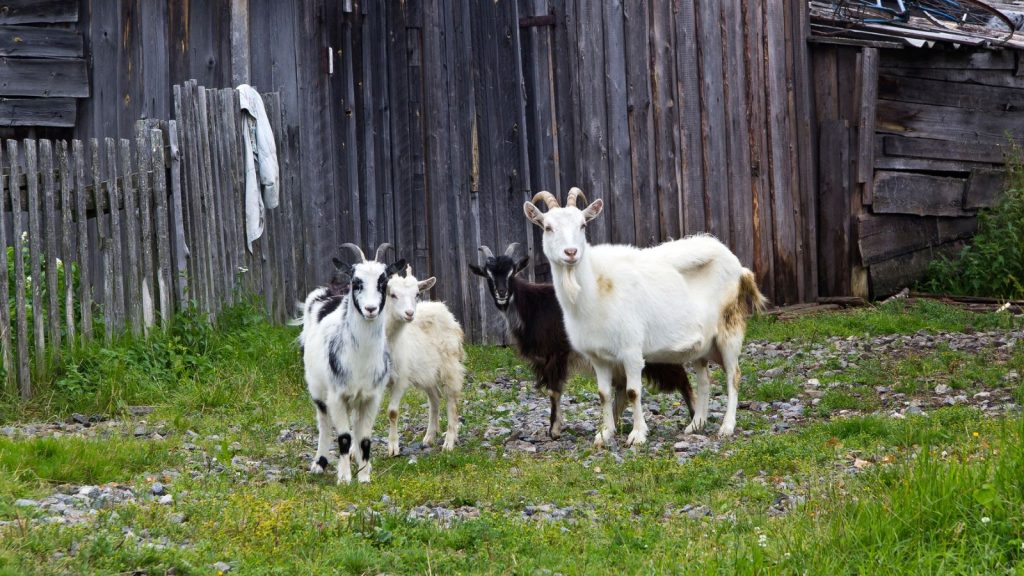
Goats are notorious escape artists, able to jump and climb heights of 5 feet or more! Strong, secure fencing, ideally woven wire or cattle panels, is crucial to keep them contained and safe from harm.
If you have a problem with predators or escaping goats, consider electric fencing or adding a livestock guardian animal, such as a dog or donkey.
7. Balanced diet
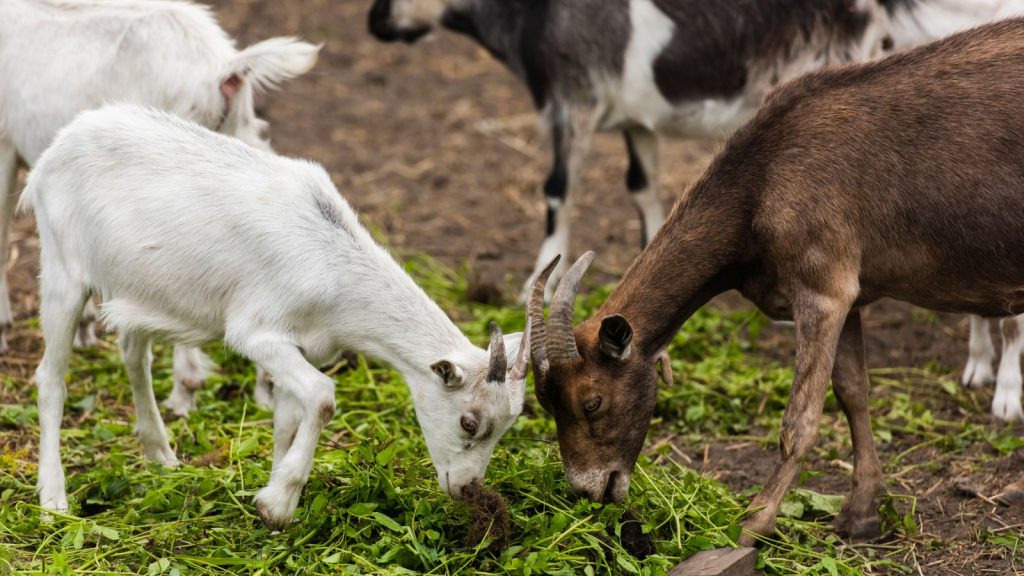
The bulk of your goat’s diet should be forage, either from browsing pasture land or high-quality hay. This will provide all the fiber and nutrients an adult goat needs, but young, pregnant, or lactating goats benefit from a small amount of grain.
Provide a loose mineral supplement specifically formulated for goats to help prevent deficiencies.
8. Freshwater

Goats drink more than you might expect, especially in hot weather or when consuming dry hay. Provide a constant supply of fresh water and ensure water troughs or buckets are cleaned regularly to prevent algae and bacteria buildup.
In winter, goats may refuse to drink icy water, so use heated water buckets or automatic waterers to ensure that water sources don’t freeze.
9. Herd dynamics

Goats are social animals and should never be kept alone. They thrive in herds and establish a pecking order, and new goats should be introduced gradually to prevent aggressive behavior. Conflicts can be minimized by keeping goats of similar size and temperament together.
10. Health care
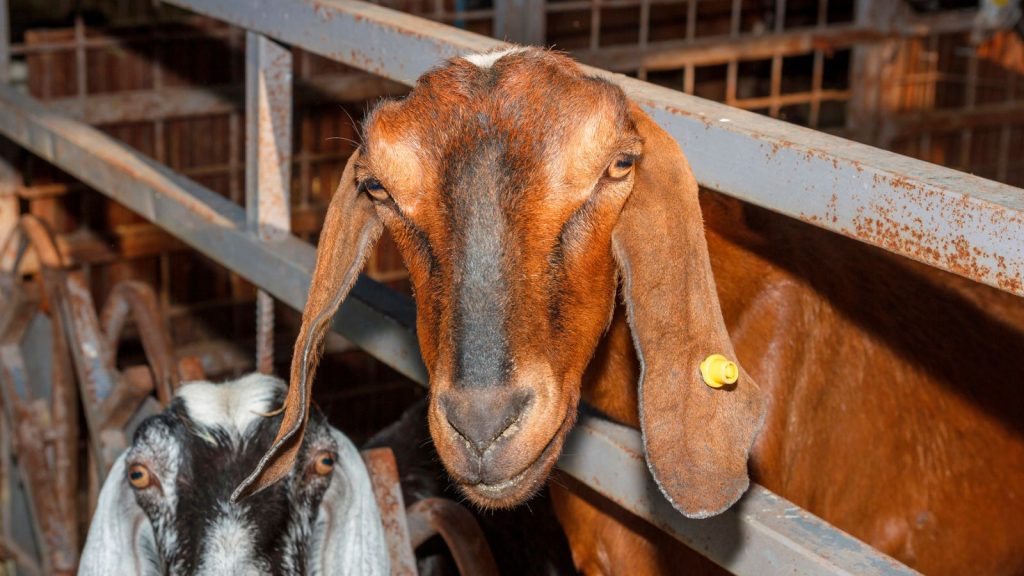
All livestock require routine health care to reduce the risk of diseases, and goats are no exception. You will need to work with your veterinarian to establish a vaccination and parasite control schedule and regular hoof trimming.
Well-handled goats are much easier to manage when it comes to routine health care, so get your herd used to being around humans right from the start.
11. Common diseases
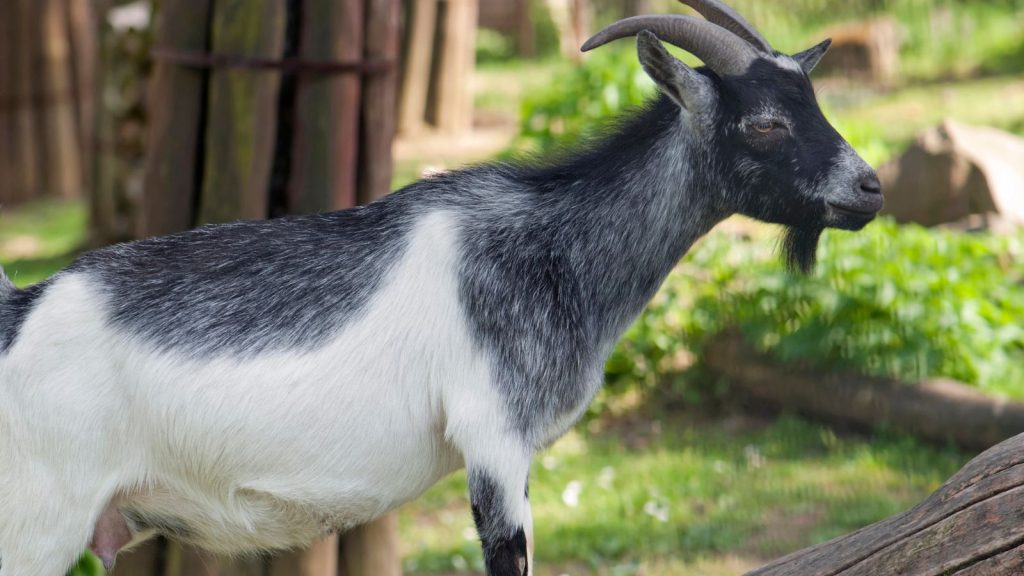
Goats are prone to many illnesses, such as bloat, pneumonia, and parasites. Observing your goats daily will help you detect issues early before they become too serious.
Signs of ill health in goats include weight loss, diarrhea, lethargy, or changes in appetite – always consult a vet if you are concerned.
12. Breeding
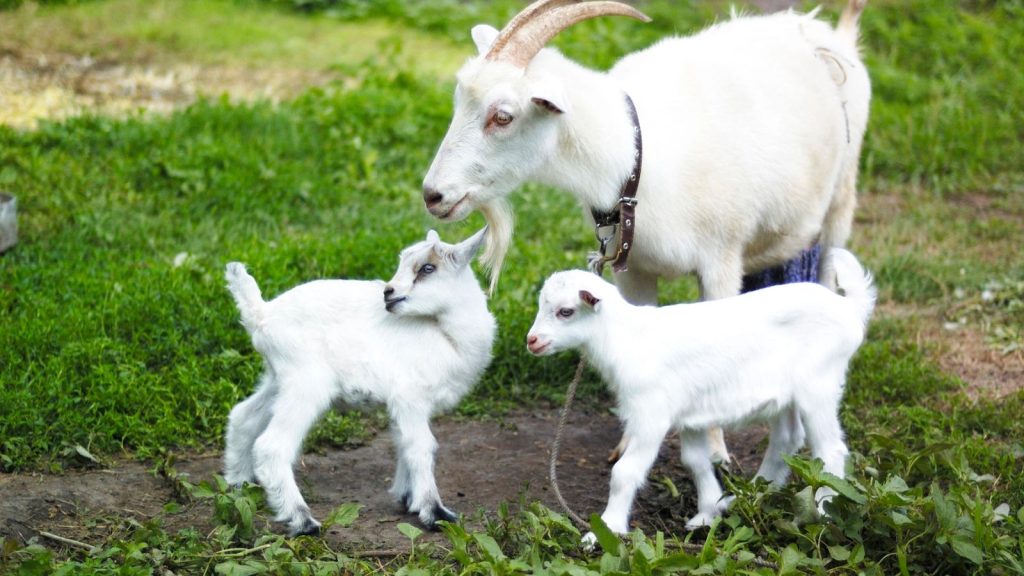
Breeding goats requires careful planning and should not be undertaken without careful consideration. Make sure you have a plan in place for the kids – are they destined for meat, or do you have potential homes lined up? Unwanted goats can quickly lead to overpopulation on the homestead!
Of course, if you want milk, then breeding from your female goats is the only way to achieve this. It is a good idea to seek the support of an experienced friend or neighbor to help you during the pregnancy, birth, and initial milking period to deal with any complications that may arise.
13. Milking
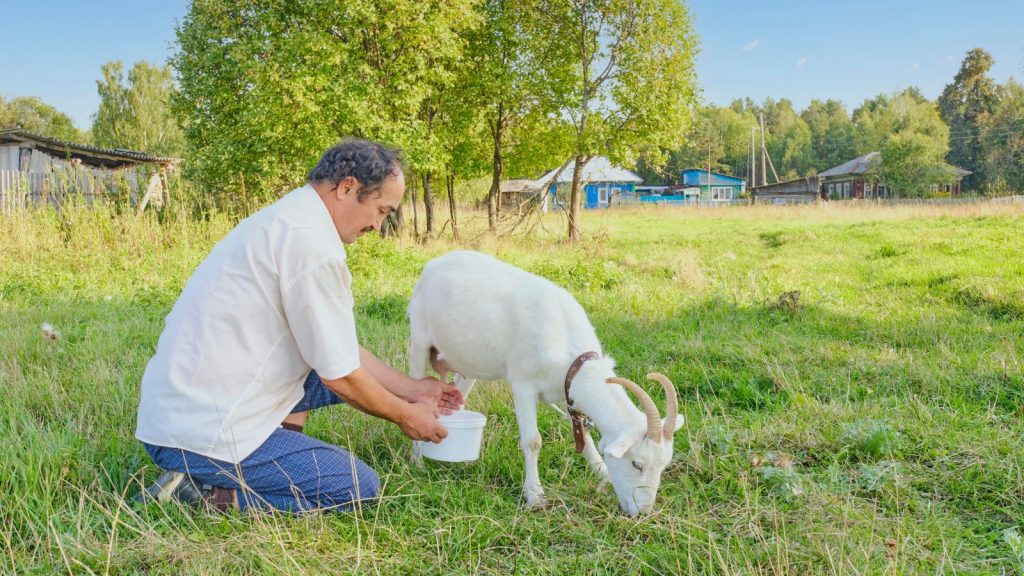
Dairy goats should be milked twice daily to maintain production and prevent discomfort. Some homesteaders use a partial separation system where the kid is separated from the doe for a few hours before milking, ensuring a steady supply of milk whilst maintaining the natural bond.
14. Waste management

The ‘waste’ that goats produce isn’t really waste – it’s one of the best natural fertilizers you can find! Clean out your goat housing regularly and add the contents to the compost heap, where it will break down quickly into top-quality compost.
15. Legal requirements
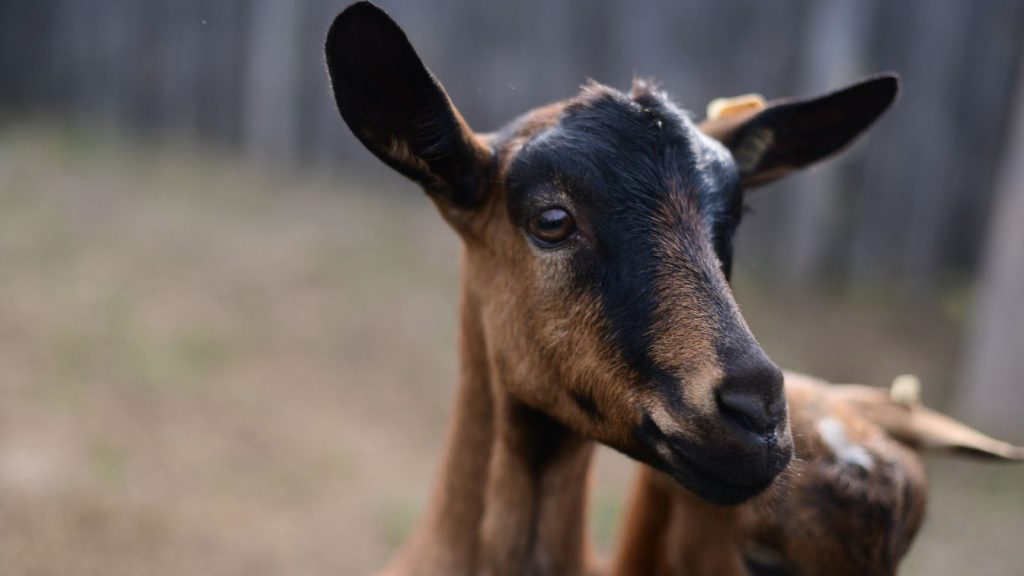
Before getting goats, check local zoning laws and livestock regulations to see what is permitted. Some areas limit the number of goats you can keep, while others may require licenses or health inspections.
Additional regulations may apply if you sell milk, meat, or fiber, so make sure to read up on any legal requirements ahead of time.
17 Best Goat Breeds to Raise for Milk, Meat, or Companionship
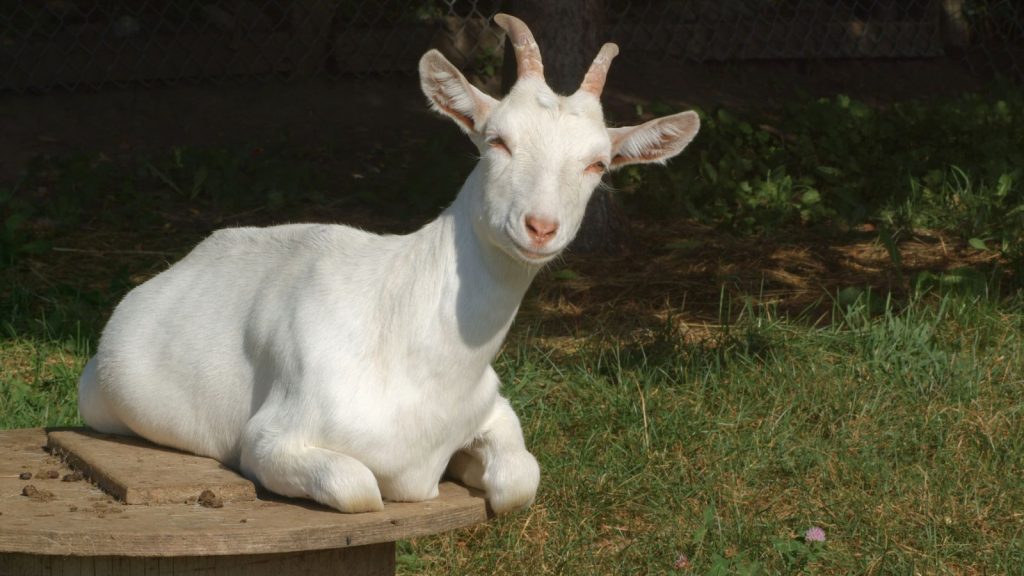
17 Best Goat Breeds to Raise for Milk, Meat, or Companionship
The Best Animals to Raise on Your Homestead That Aren’t Chickens
If you are looking for animals to raise on your homestead beyond chicken, here are 14 that we’ve rounded up.
The Best Animals to Raise on Your Homestead That Aren’t Chickens

Kate Chalmers
Kate is a passionate gardener who has a keen interest in all things related to homesteading and sustainability. She resides in Portugal with her husband and menagerie of animals and has over 15 years of experience in the UK veterinary industry. In 2020, Kate and her husband took on a dilapidated Portuguese house and abandoned olive grove, turning it into an abundant food forest and home for nature.
Life on the homestead is never the same from one day to the next, and Kate has mastered many skills that she is keen to pass on to anyone with an interest in becoming more self-sufficient. Kate believes that living a sustainable lifestyle is the key to happiness and fulfillment and that everyone can make simple changes that connect us back to nature and reduce our impact on the planet.


