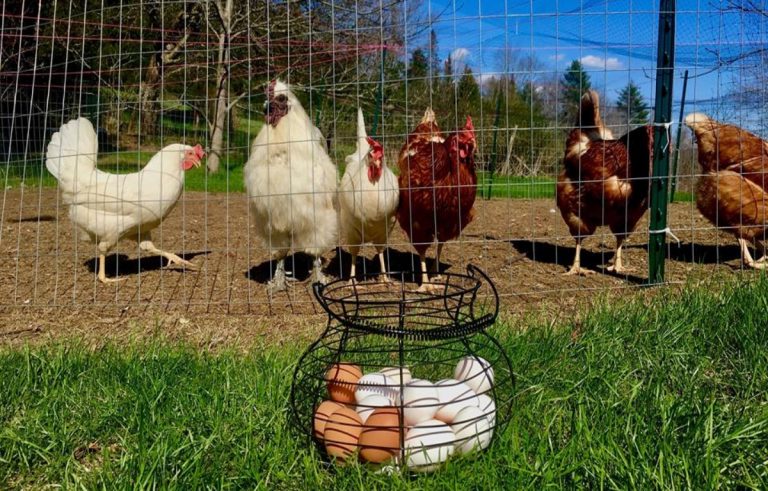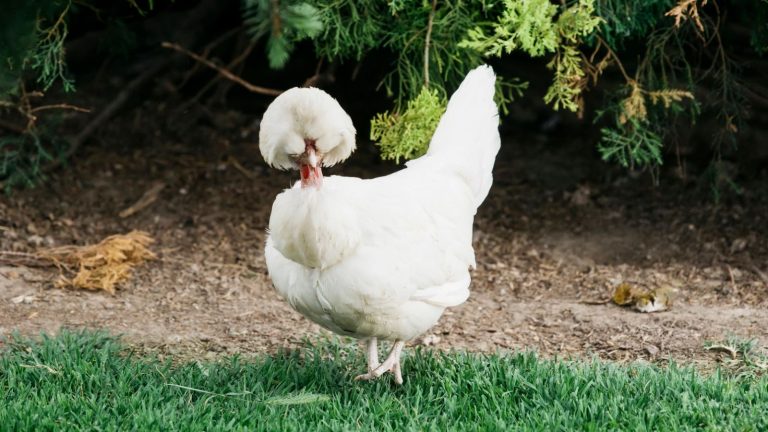

If you want to take control of your food supply and enjoy fresh, home-raised eggs, getting your own chickens is a great step toward self-sufficiency. Backyard flocks are becoming increasingly popular, and for good reason—chickens are relatively low-maintenance, provide a steady source of eggs, and even help with pest control and composting.
However, before you rush out to buy your first flock, there are a few essential steps to take to ensure you’re fully prepared. From choosing the right breed to setting up a secure coop, proper planning will make all the difference in raising happy, healthy chickens.
Use this checklist to get started and set yourself up for success as a first-time chicken keeper.
Coop & Run

Before bringing home your chickens, it’s essential to provide them with a secure, weatherproof shelter that keeps them safe from predators and harsh weather conditions. A well-designed coop should offer at least four square feet of indoor space per chicken, giving them enough room to roost and move comfortably. Additionally, a fenced outdoor run with at least ten square feet per chicken allows them to scratch, forage, and exercise safely.
While you can purchase a pre-made coop, repurposing structures like old sheds, playhouses, or even campers can be a cost-effective and creative alternative. Just ensure the coop is well-ventilated, insulated for extreme temperatures, and predator-proof to keep your flock healthy and secure.
Nesting Boxes

To keep your hens happy and encourage regular egg-laying, provide one nesting box for every three to four hens. Each box should be lined with straw or wood shavings to create a soft, comfortable space where hens feel secure while laying eggs. Nesting boxes don’t have to be expensive—you can easily build them using scrap wood, repurposed plastic totes, or even five-gallon buckets.
Perches/Roosts
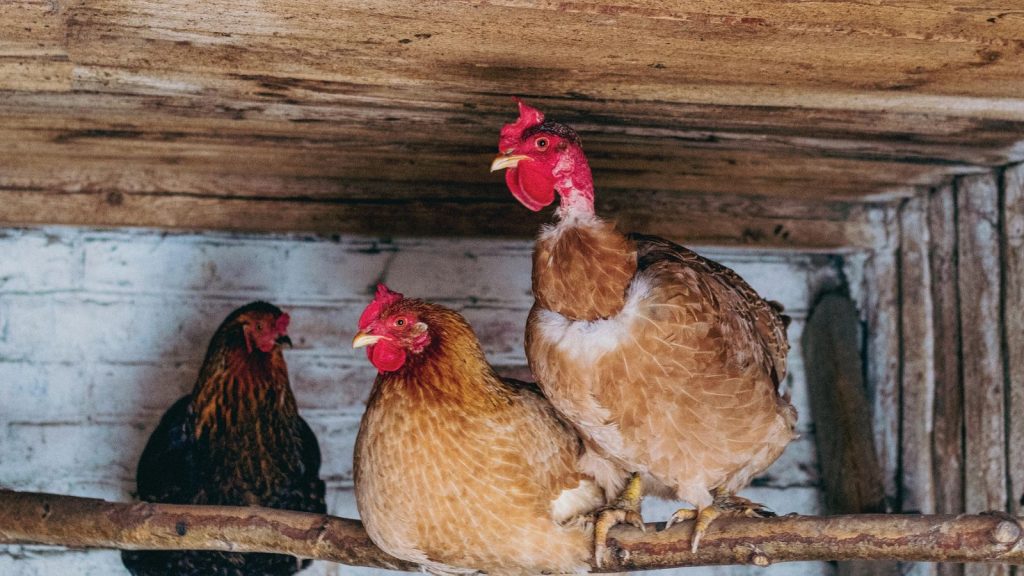
Chickens naturally prefer to sleep off the ground, so providing sturdy perches or roosting bars is essential for their health and safety. Each bird needs 8 to 12 inches of space to comfortably settle in for the night without feeling overcrowded. Roosting helps prevent health issues by keeping chickens away from moisture, parasites, and waste on the coop floor.
Wooden beams, thick branches, or repurposed lumber can all be used to create durable roosts. Install them at varying heights, with at least a foot of clearance from the wall, to accommodate your flock’s natural instincts to perch.
Secure Fencing & Predator Protection
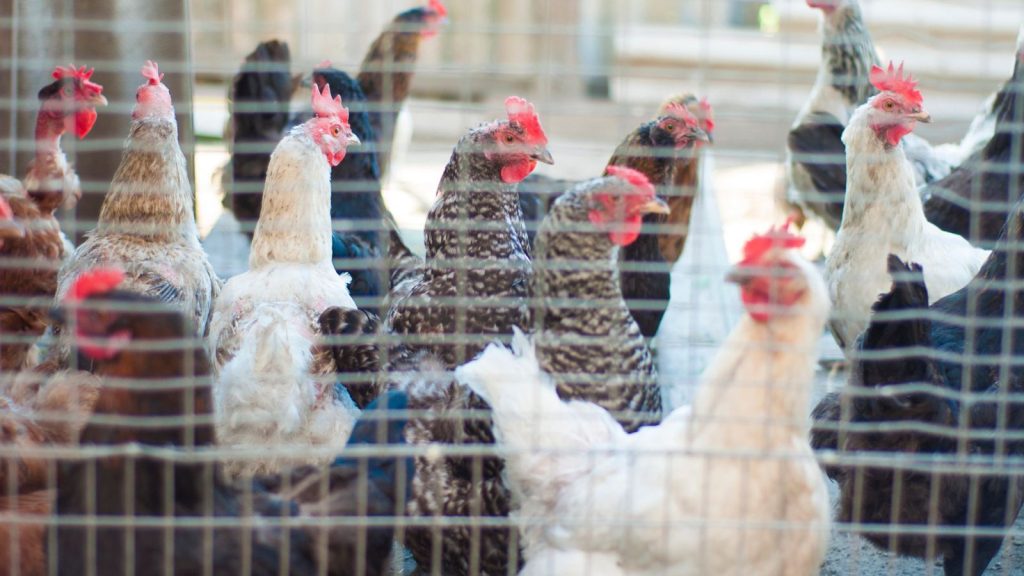
Protecting your chickens from predators is one of the most important aspects of coop design. Use hardware cloth instead of chicken wire, as it provides stronger protection against raccoons, foxes, hawks, and other threats. The fencing should be securely attached to the coop and buried at least 12 inches into the ground around the perimeter to prevent predators from digging underneath.
Feeder & Waterer

Providing your chickens with a reliable feeder and waterer is key to keeping them well-fed and hydrated. Invest in a sturdy, easy-to-clean design that holds enough food and water to last at least 24 hours, reducing the need for frequent refills. If you prefer a DIY approach, you can make a feeder or waterer using a simple bucket—many step-by-step guides are available online.
4 Best Chicken Poop SiftersFor those in colder climates, a heated waterer or water heater is essential to prevent freezing during winter months. Placing feeders and waterers in a clean, sheltered area helps keep the water fresh and feed dry, ensuring your flock always has access to what they need.
High-Quality Feed

Start chicks on starter feed, which is packed with nutrients to support their early development. As they grow, transition them to grower feed, which offers balanced nutrition to promote strong bones and feathers.
Once hens reach laying age, switch to layer feed containing higher protein and calcium to support egg production. Always ensure fresh, clean water is available, and consider supplementing with crushed oyster shells for additional calcium.
Grit & Oyster Shells

Chickens need grit to digest food and oyster shells for strong eggshells. This is typically sold as scratch and is fairly inexpensive. Digging also helps chickens stay healthy and prevents hens from getting egg-bound.
Bedding Material

Use pine shavings or straw for easy cleaning and odor control. Straw will need to be changed more frequently because it gets wet faster.
Dust Bathing Area

Provide dry dirt, sand, or wood ash for chickens to keep them mite-free. They bathe in the sand.
Good Ventilation

Ensure airflow in the coop to prevent moisture buildup, which can cause respiratory issues. Also, make sure the chicken wire is over any windows in the coop.
Lighting (Optional in Winter)

Chickens need at least 14 hours of light for consistent egg production. Put a light on a timer to make sure they get plenty of light.
First Aid Kit

Keeping a small
Regularly check your flock for signs of injury or illness, and separate any wounded birds to allow for proper healing.
Egg Basket or Collection System

Regularly collect eggs to prevent breakage and discourage egg-eating.
Chicken Treats

Offer healthy treats like
Plan for Cold & Hot Weather

Provide shade and water in summer and insulation and wind protection in winter. If you need to use a
16 Funny Chicken Shirts That Every Chicken Mama (or Papa) Will Love
10 Quirky Chicken Coop Signs Your Flock Will Love

Chicken coop signs are a fun and creative way to add character to your backyard chicken coop. Whether you’re looking to inject some humor, teach a little chicken knowledge, or make your coop feel more welcoming, we’ve got a sign for you.
10 Quirky Chicken Coop Signs Your Flock Will Love
19 Things You Should Know Before Getting Chickens

Before you jump into the world of chicken-keeping, there are a few essential things to know. Here’s our comprehensive guide of 19 essential tips to help you become a confident and successful chicken owner!