Growing your own fruits and vegetables is incredibly rewarding, but nature doesn’t always provide a steady, year-round harvest.
One season, you’re overwhelmed with abundant produce; the next, you’re left wishing for fresh ingredients. While freezing is a common way to preserve food, freezer space fills up fast—and not everything freezes well. That’s where food dehydration comes in.
Food dehydration allows you to extend the shelf life of your harvest by drying your fruits and vegetables. This allows for maintaining flavor and nutrients without refrigeration. Here’s how you can dehydrate fruits and vegetables for long-term storage so you can make the most of your harvest and enjoy your harvest all year long!
Best fruits and vegetables for dehydration

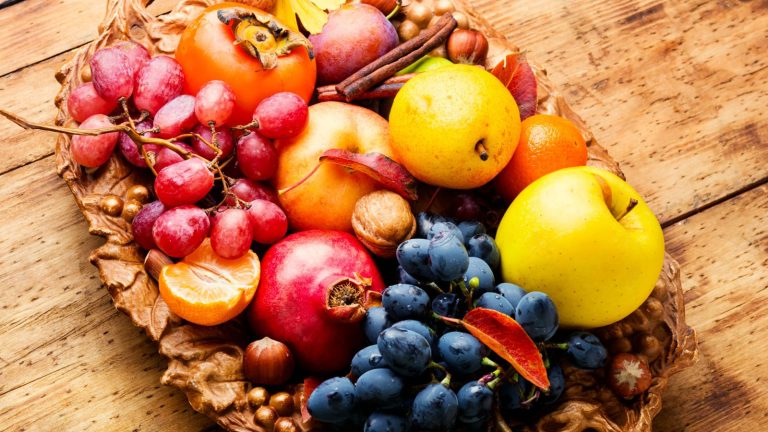
For the best results, pick the crops you wish to dehydrate carefully. The best fruits for dehydration are those with naturally high sugar content and low water content, such as apples, bananas, berries, mangoes, peaches, and pineapples.
Grapes can also be dried into raisins, and citrus peels can be dehydrated for zest and seasoning.
Tomatoes, bell peppers,
Choosing the right dehydration method

There are several ways to dehydrate food, and the best method for you depends on convenience, cost, and available equipment:
- A
food dehydrator is the most efficient and reliable option, offering consistent airflow and temperature control. - Oven drying is another option, requiring close monitoring to prevent overcooking.
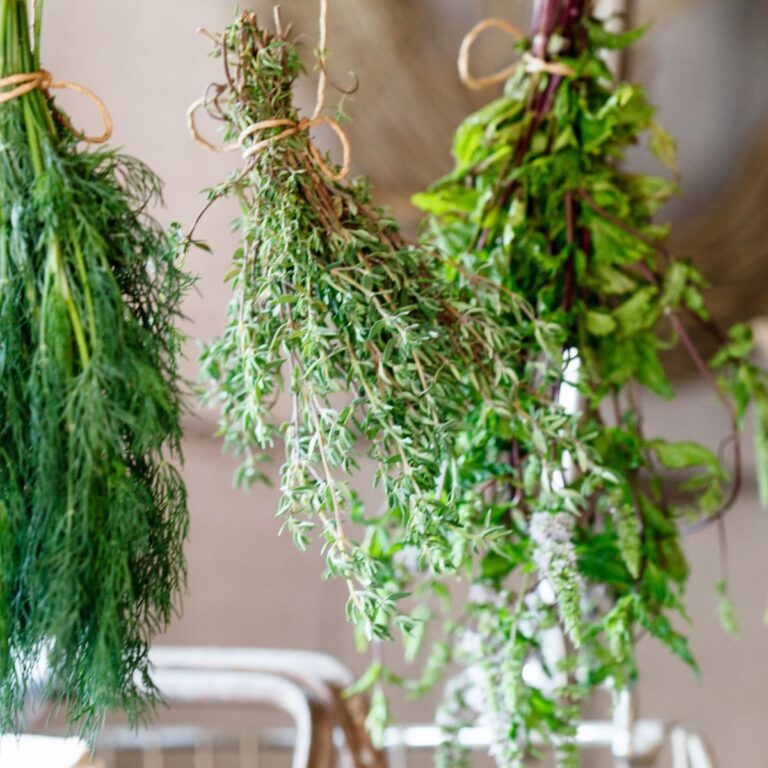
- Air drying works best for herbs and some vegetables but isn’t ideal for high-moisture foods.
- Sun drying can be effective in hot, dry climates but requires proper ventilation and protection from pests.
Wash your produce

Before dehydration, thoroughly wash all fruits and vegetables under cold running water to remove dirt, bacteria, and pesticide residues. Once washed, pat the produce dry with a clean towel to remove excess moisture. Remove any fruits and vegetables that are bruised or damaged.
Decide on peeling or leaving the skin on

Some fruits and vegetables can be dehydrated with the skin on, and keeping them intact can add extra health benefits. Apples, pears, and plums dry well with their skins, while citrus fruits should be peeled. For vegetables, tomatoes and
Slice evenly for consistent drying

Uniform slicing is vital to make sure your fruits and vegetables dry evenly. Aim for slices about 1/4-inch thick for most fruits and vegetables, but smaller items such as corn,
Pre-treat fruits to prevent browning

Fruits like apples, pears, bananas, and peaches tend to brown during dehydration due to oxidation. To prevent this, soak the slices in a solution of one tablespoon of lemon juice per cup of water for a few minutes. Drain and pat dry before dehydrating.
Blanch vegetables for better texture and storage

Vegetables like
Arrange food properly on trays for airflow

Whatever drying method you use, place food in a single layer, ensuring pieces don’t overlap or touch. In a
Stick to recommended drying temperatures

Select the temperature on your
- Fruits generally dry best at 125°F to 135°F
- Vegetables should be dried at 125°F
- Herbs require a lower temperature of around 95°F to 105°F.
Rotate trays in the dehydrator for even drying

Dehydrators are designed to circulate heat and air, but rotating the trays about halfway through the drying process guarantees uniform dehydration. If using an oven, shift racks from top to bottom and front to back to prevent hot spots and ensure even drying.
Check that your food is fully dehydrated

Drying times vary widely based on humidity, slice thickness, and the drying method used, ranging from a few hours to a full day. Check food regularly to make sure it doesn’t overdry – fruits should be pliable but not sticky, with no visible moisture when squeezed. Vegetables should be brittle or hard, snapping easily when bent.
PromotedUS & Schengen Visa Guide
Get step-by-step assistance for your tourist visa approval.
Cool and condition dried food before storing

After dehydration, allow food to cool completely before storing. Place dehydrated fruits and vegetables in loosely sealed jars for a few days, shaking them occasionally to check for moisture buildup. If condensation appears on the underside of the lid, the batch may need additional drying time.
Related: How to Dry Apples
Store dehydrated food correctly

Once you are satisfied your food is fully dehydrated, store it in a cool, dark, dry place in airtight containers. Label containers with the contents and drying date to track freshness. Well-stored dehydrated food can last months to years, depending on the type and storage conditions.
How to Use Dehydrated Foods

So now you’ve got all this dehydrated goodness, what do you do with it?! Dried fruits make excellent snacks or can be added to cereals, baked goods, or trail mixes, while vegetables can be rehydrated for soups, stews, or casseroles.
Dehydrated foods can also be ground into powder to use as flavorings – tomato powder for sauces is one of my favorites.
Rehydrating dried food
Did you know that you can bring your dried foods back to life by rehydrating them? Soak them in warm water for 15-30 minutes or add them directly to soups and stews to soften as the dish cooks. The liquid from rehydrated mushrooms and tomatoes makes a flavor-rich base for delicious stock.
28 Pantry Staples You’ll Be Surprised to Learn Are This Easy to Make at Home

What if you could make your favorite pantry staples at home instead of buying them at the store? Making things from scratch is a simple way to rely less on grocery stores and have more control over what’s in your food.
28 Pantry Staples You’ll Be Surprised to Learn Are This Easy to Make at Home
28 Ways to Live Sustainably and Reduce Dependence on Retail and Grocery Stores

Here are some ways to live more independently and cultivate a truly self-reliant lifestyle.
28 Ways to Live Sustainably and Reduce Dependence on Retail and Grocery Stores
23 Lost Homemaking Skills That Deserve a Comeback

Many traditional homemaking skills have faded from everyday life, though they were once essential for running a household. Here are 23 forgotten homemaking skills that deserve to make a comeback.

Kate Chalmers
Kate is a passionate gardener who has a keen interest in all things related to homesteading and sustainability. She resides in Portugal with her husband and menagerie of animals and has over 15 years of experience in the UK veterinary industry. In 2020, Kate and her husband took on a dilapidated Portuguese house and abandoned olive grove, turning it into an abundant food forest and home for nature.
Life on the homestead is never the same from one day to the next, and Kate has mastered many skills that she is keen to pass on to anyone with an interest in becoming more self-sufficient. Kate believes that living a sustainable lifestyle is the key to happiness and fulfillment and that everyone can make simple changes that connect us back to nature and reduce our impact on the planet.
Cheap Hostels & Airbnbs
Find the best affordable accommodation options across Europe and the USA.