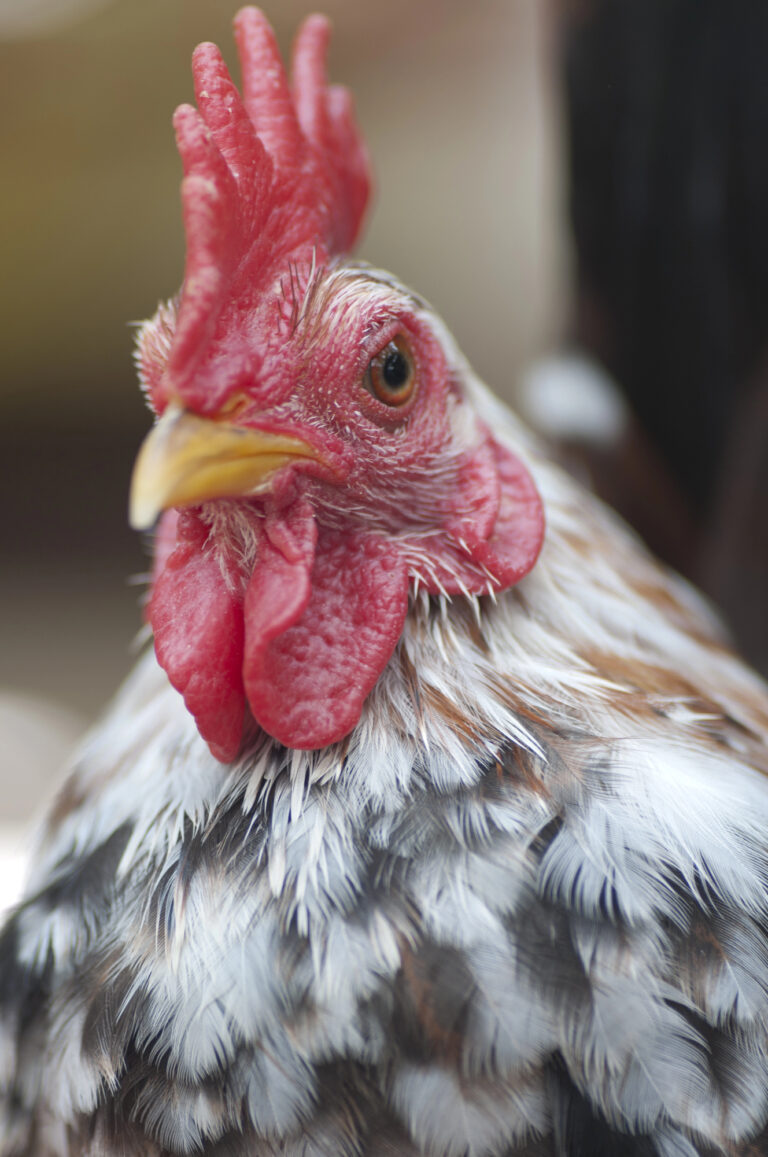
So you can’t have chickens due to a lack of space? Think again! Some chicken breeds cope well with a little less elbow room and will be perfectly content living in a smaller coop and run.
Confined living conditions are best suited to chicken breeds that are low-energy, calm, and friendly. However, it is important to remember that even though these breeds aren’t fussed about roaming far and wide, they’ll still need stimulation to stay happy and healthy. A small coop setup should include enrichment options such as hanging treat balls, dust-bathing areas, scratching spots, and foraging opportunities.
We’ve put together a list of chicken breeds that happily settle into life in an urban setup or compact backyard, giving you all the benefits of rearing chickens without taking up a lot of space. Let’s meet the best chicken breeds for small coops!
1. Buff Orpington

It might sound a bit odd, but our top chicken breed for a smaller coop and run is one of the gentle giants of the chicken world! Buff Orpington chickens are so laid-back that they’re happy to hang around in the same space all day, provided they’ve got plenty of interesting snacks to peck at.
This super-chilled chicken breed lays a plentiful supply of delicious, large brown eggs, and their quiet temperament and easygoing attitude make them fun backyard pets.
2. Australorp

Australorp chickens are so friendly and tame that they never wander far from the coop, except to hang out on your porch! This calm and docile breed is a dependable layer and one of the best choices for a productive, low-maintenance flock in a tight space. Originally from Australia, Australorps adapt well to both hot and cold climates.
3. Brahma

Brahmas may be big, but they’re extremely gentle and don’t need a ton of room to roam, thanks to their mellow nature. A personal favorite of mine, these fluffy-footed birds are excellent winter layers and do especially well in colder climates. They’re quiet, friendly, and won’t fly or cause chaos in a compact coop.
4. Belgian d’Uccle
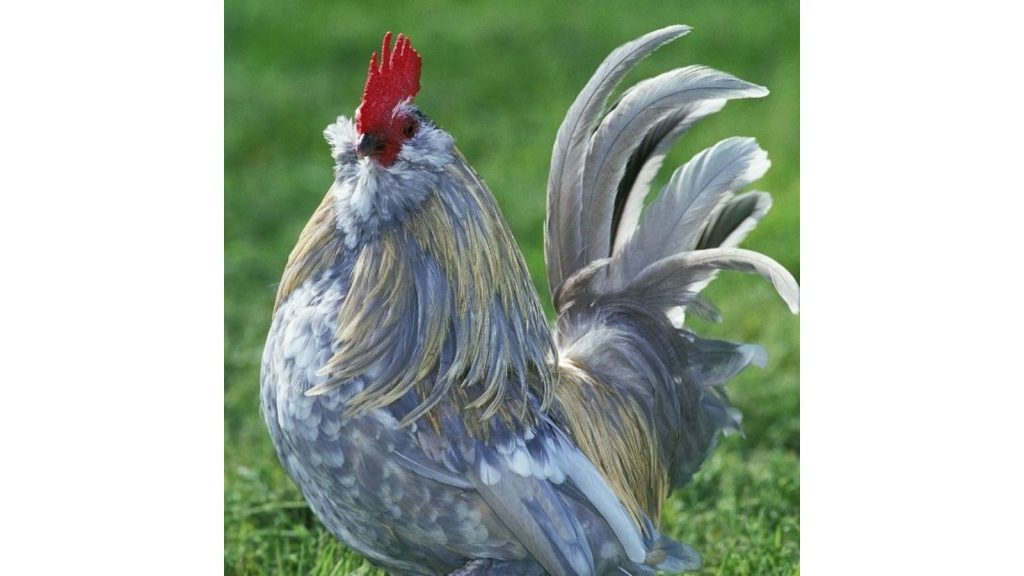
How adorable are these little guys! The Belgian d’Uccle is a small, feather-footed bantam known for its quirky charm and calm disposition. These pint-sized birds are friendly and love being handled, and they will lay a consistent supply of small eggs.
5. Cochin
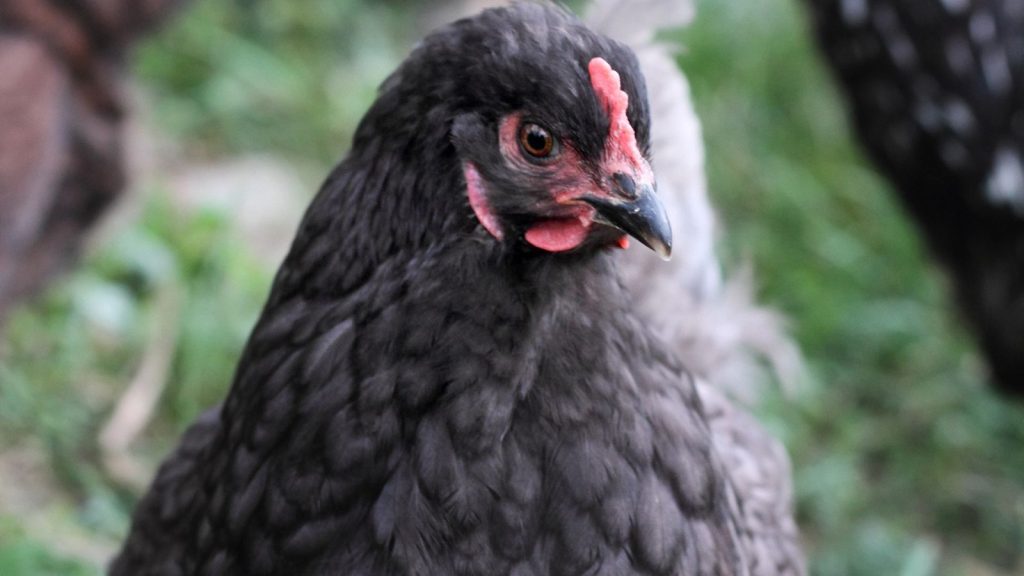
Cochins are the couch potatoes of the chicken world – they love to lounge around and are happy with minimal space. They’re super docile and get along with everyone, including kids and other chickens. Cochin chickens aren’t the most prolific layers, but they make excellent broody hens if you’re interested in hatching chicks.
6. Silkie

With their soft, fluffy feathers and sweet, cuddly temperament, Silkies are perfectly suited for very small coops or even indoor living! These little bantams are very sensitive to cold and wet, so make sure their coop is dry and draft-free. Their friendly nature makes Silkies great pets for children, but don’t expect a prolific supply of eggs.
7. Plymouth Barred Rock
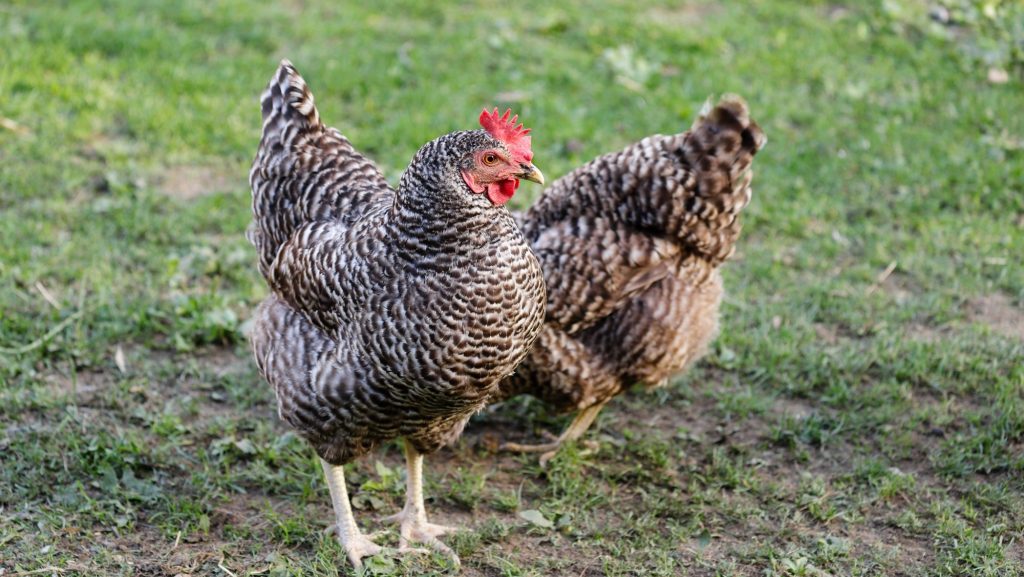
Barred Rocks are friendly, easy-to-care-for birds that lay reliably and adapt well to confinement. This would be my preferred breed if you’ve got a smaller coop but can let your flock out for supervised foraging, as they enjoy scratching around in the dirt to find tasty treats. In return, they’ll reward you with a steady supply of large brown eggs.
8. Sebright

Sebrights are one of the most eye-catching bantam breeds, with lacy, metallic plumage that looks straight out of a fairy tale. These tiny birds are true bantams, meaning they have no full-sized counterpart, and are best kept in small flocks where their beauty and quirky personality can shine.
While not prolific egg layers, they’re active, curious, and do surprisingly well in confined spaces if given enrichment and attention
9. Faverolles

If you want a friendly lap chicken, this is your bird! Faverolles are fluffy, gentle chickens with feathered feet and delightful beards and muffs. They’re incredibly sweet and quiet, making them ideal for small spaces or close neighbors, and they adore attention from their human friends.
10. Serama

The Serama is the smallest chicken breed in the world, but it packs a lot of personality into a tiny body! They thrive in extremely small spaces and need protection from cold weather, making them a popular choice for indoor coops or micro-flocks.
11. Sussex

A firm favorite amongst homesteaders and backyard chicken keepers, Sussex hens are great egg layers and tend to be tolerant of confinement as long as they have some enrichment or interaction. They come in several beautiful color varieties and are very friendly, easy to handle, and active without being too flighty.
12. Wyandotte

Wyandottes are calm, laid-back birds that don’t usually mind smaller spaces as long as they’re kept clean and dry. Their beautiful feathering makes them a stunning addition to a small coop and run, where they’ll happily scratch around and lay a regular supply of eggs.
13. Delaware

Delawares are calm, alert, and make great dual-purpose birds for small homesteads. They’re normally very chilled out and don’t mind being handled, making them easy to manage in a backyard flock.
Their white and black feathering gives them a classic farmyard look, and they consistently lay large brown eggs all year round.
14. Dominique

Dominiques are one of America’s oldest chicken breeds and are famous for their easygoing personality and cold-hardiness. This heritage breed is mellow, friendly, and will tolerate confinement without complaint, making them a great choice for smaller setups.
15. Dorking
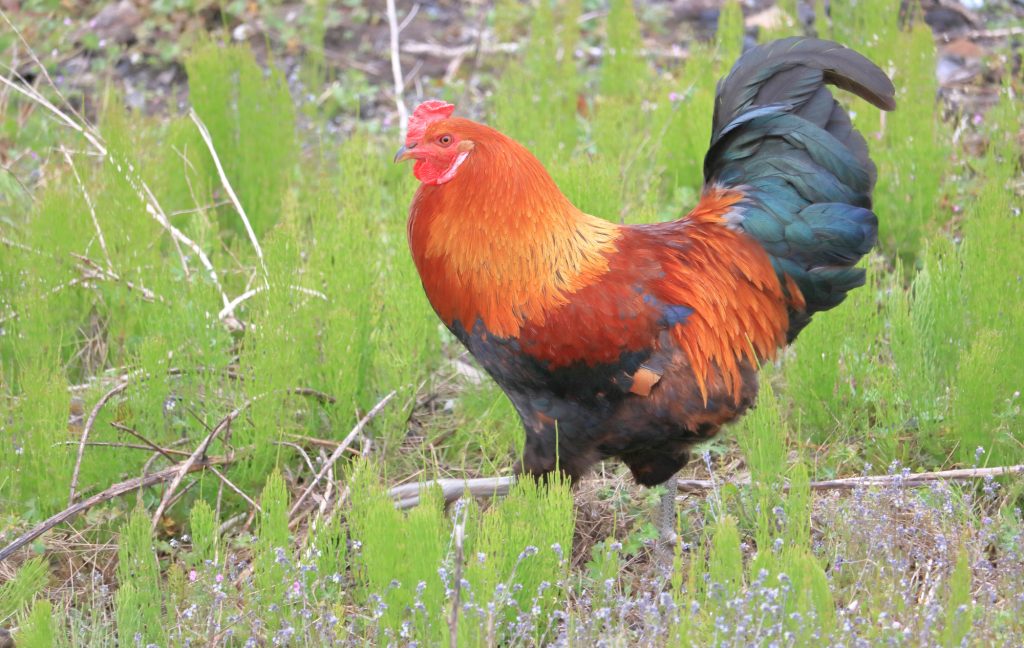
Dorking chickens are quite rare, but worth the effort in tracking down for their adorable personalities and charming nature.
These quirky chickens have unusually short legs, so they need a clean coop, but otherwise are very easy to care for. Dorking chickens are good layers and integrate well with other chicken breeds in the coop.

Kate Chalmers
Kate is a passionate gardener who has a keen interest in all things related to homesteading and sustainability. She resides in Portugal with her husband and menagerie of animals and has over 15 years of experience in the UK veterinary industry. In 2020, Kate and her husband took on a dilapidated Portuguese house and abandoned olive grove, turning it into an abundant food forest and home for nature.
Life on the homestead is never the same from one day to the next, and Kate has mastered many skills that she is keen to pass on to anyone with an interest in becoming more self-sufficient. Kate believes that living a sustainable lifestyle is the key to happiness and fulfillment and that everyone can make simple changes that connect us back to nature and reduce our impact on the planet.