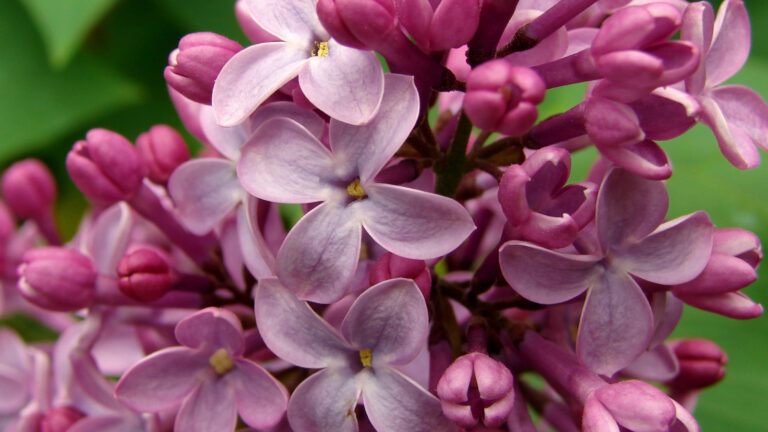
Planting purple annuals is an easy way to add bold, eye-catching color to your garden beds or containers. These rich, moody blooms stand out against green foliage, bringing a touch of drama and elegance to any space. Whether you’re filling in bare spots or designing a color-themed garden, purple flowers can make a lasting impression.
Wishbone Flower (Torenia fournieri)

Wishbone flowers are fragrant annuals that thrive in shade. They’re named for the wishbone-shaped markings often seen on their petals, which can be purple, pink, or white. These flowers prefer rich, well-drained, and slightly acidic to neutral soil.
Petunia (Petunia × hybrida)

Petunias are prolific bloomers, offering a range of trumpet-shaped flowers in various colors, including purple, pink, white, and red. Their stunning display makes petunias a garden favorite. They are excellent for containers, hanging baskets, and rock gardens, blooming continuously with regular deadheading. Plant in well-drained soil in a sunny spot for a summer full of vibrant colors and lush growth.
Cosmos (Cosmos Bipinnatus)

Cosmos are celebrated for their daisy-like flowers and bushy foliage, bringing life and color from summer to fall. They prefer sunny spots and well-drained soil, with minimal watering once established. The variety of colors—pink, white, red, orange, and purple—ensures a match for any garden theme.
These 21 Pretty Pink Plants Are Everything Your Garden Has Been Missing
Viola

Violas are cool-weather flowering plants with edible flowers and surprisingly good frost tolerance. They self-seed readily.
Although they can continue to bloom in hot climates if given enough shade, they prefer cooler temperatures. Plant your violas
Pansies

These fast-growing, vibrant flowers work well in containers or garden beds. With bright and bi-colored edible flowers, pansies are popular in both fresh salads and desserts. They flourish in full morning sunlight and well-drained, fertile soil.
Celosia

Celosia’s tall, spiky flowers make a dramatic statement with their intense summer colors. This plant adapts well to various climates, flourishing in full sun and high temperatures. With minimal maintenance required, Celosia is perfect for adding height and texture to garden beds and containers.
African Daisy

African Daisies, also known as Osteospermum, can be grown as either perennials or annuals, depending on the climate. In colder climates—zones 9 and below—they are generally treated as annuals and must be replanted annually.
Lisianthus

These elegant flowers have a soft, romantic feel with their gently ruffled petals, giving a distinctly rose-like quality to any garden space where they are planted. Lisianthus flowers are available in white, pink,
Rocket Larkspur (Consolida Ajacis)

Rocket Larkspur, also known as Wild Delphinium, features tall spikes of flowers in blue, white, pink, and purple, creating a stately effect in the garden. Due to its height, it prefers full sun or partial shade and may need staking.
This plant is a cool-season favorite, sprouting on its own when seeds are sprinkled in the garden in late winter. Its soft fern-like foliage complements the striking flowers, making it a standout in ornamental borders.
Sweet Pea (Lathyrus Ooratus)

Sweet Peas charm with their climbing vines and fragrant flowers in shades of pink, purple, and red. Ideal for trellises or fences, they fill the air with their scent and continue blooming if regularly dead-headed. Sow directly in fertile, sunny spots for robust growth and a long flowering period. Their vibrant colors and sweet fragrances make them a garden favorite from spring to fall.
Alyssum (Lobularia Maritime)

Alyssum creates a fragrant carpet of tiny white, pink, and purple flowers that attract beneficial insects. It thrives in full sun to partial shade and adapts well to poor soil and drought conditions. This low-growing plant is perfect for filling gaps in the garden or spilling over containers and rock walls.
Globe Amaranth (Gomphrena Globose)

Globe Amaranth’s unique, pompom-like blooms in vibrant shades of pink, purple, and red make it a standout in containers and ornamental gardens. This fast-growing annual thrives in full sun and well-drained soil, attracting butterflies and requiring little maintenance.
Cineraria (Pericallis × hybrida)

Cineraria is a low-growing plant recognized by its daisy-like flowers and heart-shaped leaves. Its clusters bloom in red, pink, purple, blue, or white, making it the perfect ornamental plant. It prefers partial shade or filtered sunlight, but not direct sun.
Cineraria grows best in slightly acidic to neutral soil with a pH between 5.5 and 6.0 and is suited for USDA zones 9–11. It blooms from late winter to early spring.
Morning Glory

Morning Glory vines are famous for their large, trumpet-shaped flowers that open each morning and close in the afternoon. They require full sun, well-drained soil, and regular watering. These vines are typically annual but may be perennial in warmer climates. Plant morning glory for a dynamic, daily display of vibrant blooms.
Salvia

Salvia plants are recognized for their spikes of purple flowers and are drought-tolerant, thriving in full sun. While some salvia varieties are perennials that return year after year in most zones, others may also be grown as annuals or biennials.
Bellflower

Bellflowers boast beautiful bell-shaped flowers in shades of blue, purple, and white. They’re perfect for adding a splash of color to sunny borders and attracting pollinators with their nectar-rich blooms.
This plant can be grown as an annual, biennial, or perennial, depending on the species.
15 Shade Loving Perennials That Won’t Overrun Your Garden

If you’ve been hesitant to plant perennials in the shadier parts of your garden, these choices will change your mind. These hardy plants thrive without direct sunlight, bringing rich foliage and colorful blooms to areas where other plants might struggle.
15 Shade Loving Perennials That Won’t Overrun Your Garden
21 Cheap Perennials to Grow That Will Make Your Garden Pop

You can fill your space with lush, eye-catching blooms with the right selection without overspending. Here are 21 affordable perennials bringing long-lasting beauty without stretching your wallet this year.
21 Cheap Perennials to Grow That Will Make Your Garden Pop
20 Flowering Shrubs That Will Make Your Garden Look Like a Work of Art
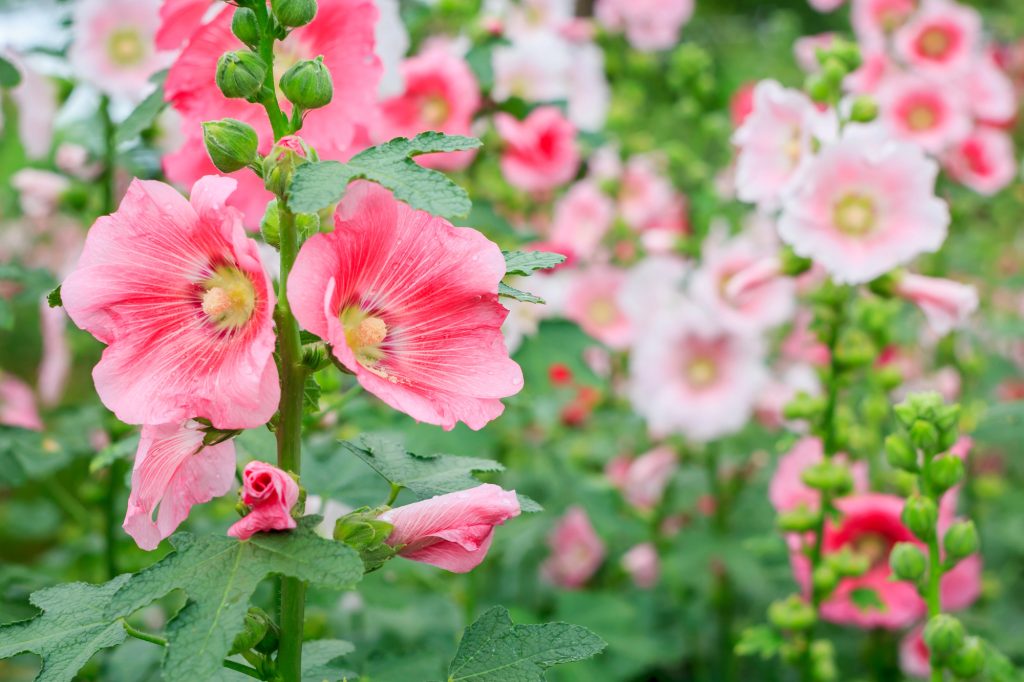
If you’re looking to bring a gorgeous touch to your landscape, here are 20 flowering shrubs that will make your garden look like a work of art.
Build Your Dream Garden with These 16 Easy DIY Raised Beds

While pre-made raised beds can be expensive, building your own is a cost-effective alternative. With some basic materials and a bit of effort, you can construct your own raised beds at a fraction of the cost. Here are 16 DIY Raised garden bed projects to help you get started.