We didn’t expect a wildflower garden to completely change the way we feel about our outdoor space—but it did. Wildflowers are beautiful and easy to grow. They’re also low-maintenance, budget-friendly, and perfect for gardeners of any experience level.
From their vibrant colors and unique textures to the way they attract bees, butterflies, and other pollinators, there’s so much more to love about wildflowers. They’re a simple, natural way to support biodiversity and make your garden feel alive all season long. Here’s why we’re completely hooked on having a wildflower garden of our own.
Help Attract Pollinators
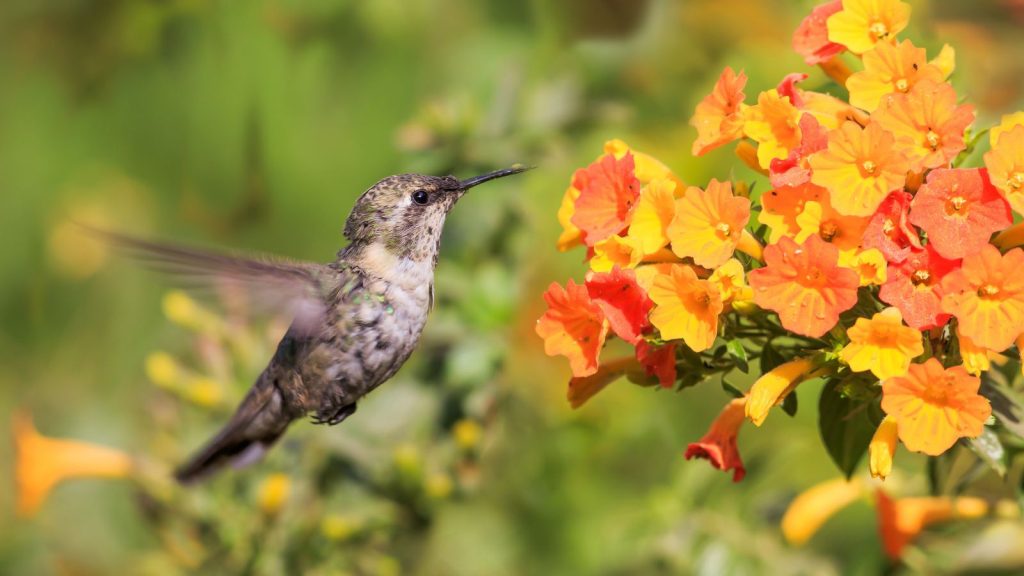
Wildflowers are a rich food source for many pollinators, such as bees, butterflies, and hummingbirds. Their leaves, nectar, and pollen provide the necessary nutrients these insects need.
These pollinators help pollinate other plants, which is vital for a healthy ecosystem. By planting wildflowers, you can help support these pollinators and contribute to your local environment’s overall diversity and health.
Affordable to Maintain
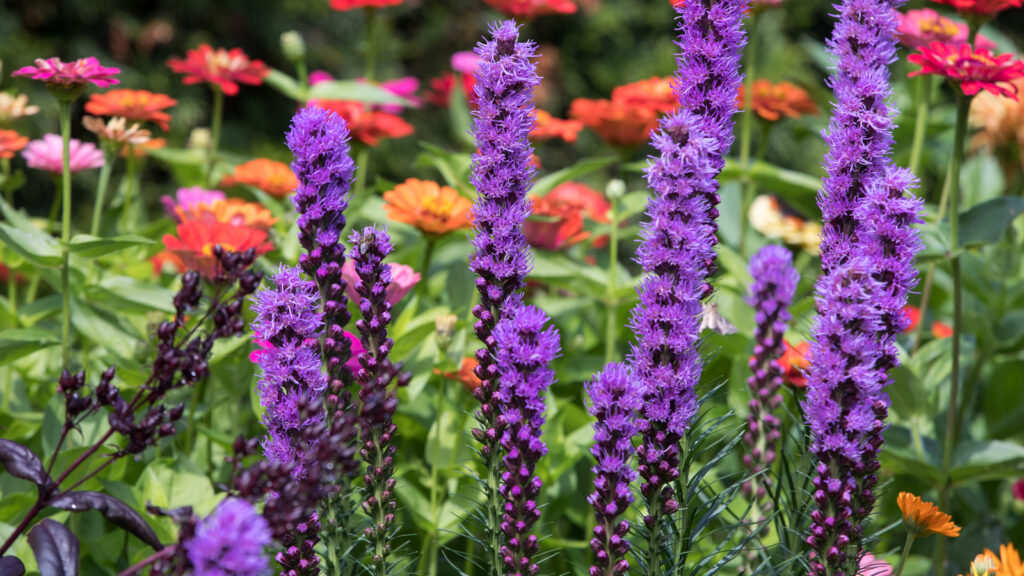
Maintaining a wildflower garden is significantly less expensive than caring for a traditional lawn or flower bed. There are no costs for regular watering, fertilizers, or lawn mowing.
Furthermore, many wildflower species are self-sowing, which means they naturally reseed, providing a continuous display of beauty.
Requires Less Care than a Traditional Lawn
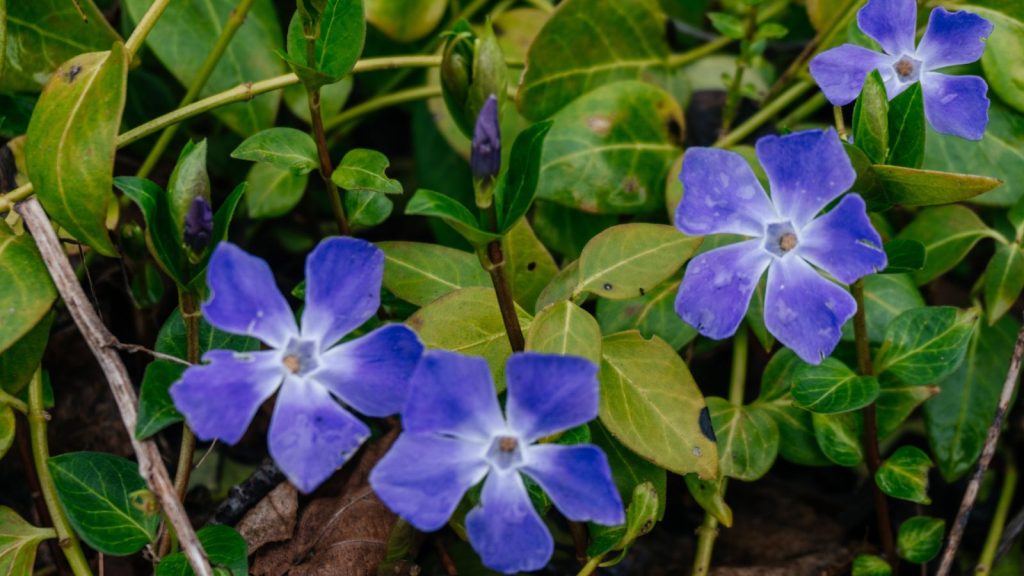
Wildflowers are inherently hardy, having adapted to grow naturally in the wild with minimal human intervention. Wildflowers require far less care than a traditional lawn.
They do not need regular mowing or frequent watering, and they thrive without the need for fertilizers, making them a hassle-free addition to any garden.
Resistant to Pests and Diseases

Wildflowers are generally more resistant to pests and diseases. Their hardiness and self-sustaining nature make them an ideal choice for an easy-to-maintain garden.
Help to Improve Air Quality

Wildflowers improve air quality by releasing oxygen through photosynthesis and capturing airborne pollutants. These plants are natural air purifiers, making your garden more beautiful and healthier.
Wildflowers Improve Soil Health and Prevent Erosion

Wildflowers’ deep and extensive root systems help stabilize soil and prevent erosion. By binding the soil together, wildflowers help retain nutrients in the ground, reducing runoff into water systems and enhancing soil fertility.
They Improve Water Quality

By stabilizing the soil and reducing runoff, wildflowers help maintain cleaner water sources. Their ability to filter and break down pollutants results in better quality water in your local ecosystem.
An Important Food Source During Colder Months

During the colder months, when food is scarce, wildflower seeds become a crucial food source for birds and small mammals. This helps local wildlife survive the winter.
Can Tolerate Tough Conditions

Native wildflowers are acclimatized to local weather conditions, making them easier to maintain than non-native plants. They thrive naturally in their environment, are very drought-tolerant, and often need only rain to grow.
Butterfly Breeding Grounds
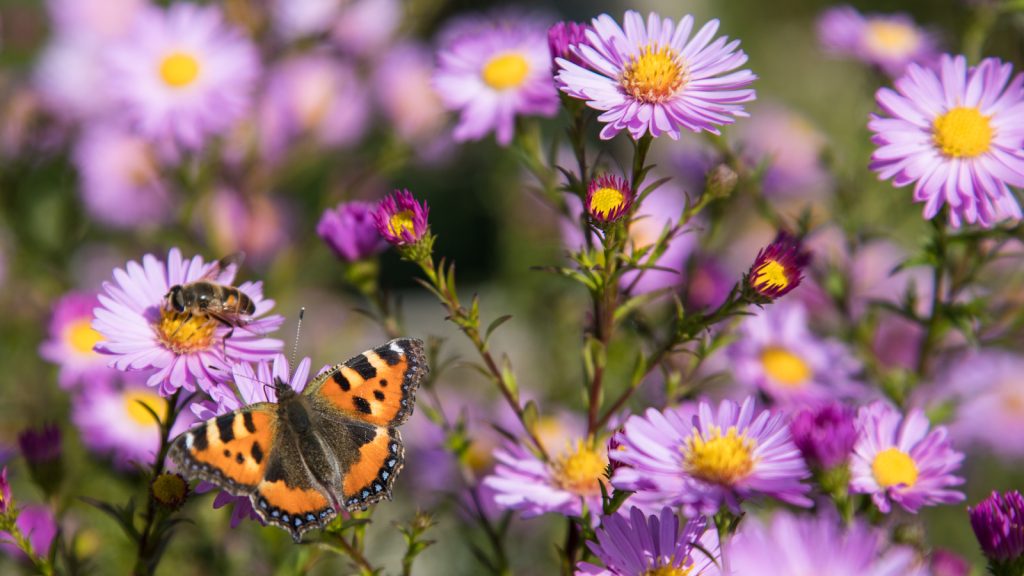
Specific wildflower species are the exclusive hosts for certain butterflies, allowing them to lay their eggs. These plants provide the necessary resources for the development of butterfly larvae, supporting the continuation of their life cycle.