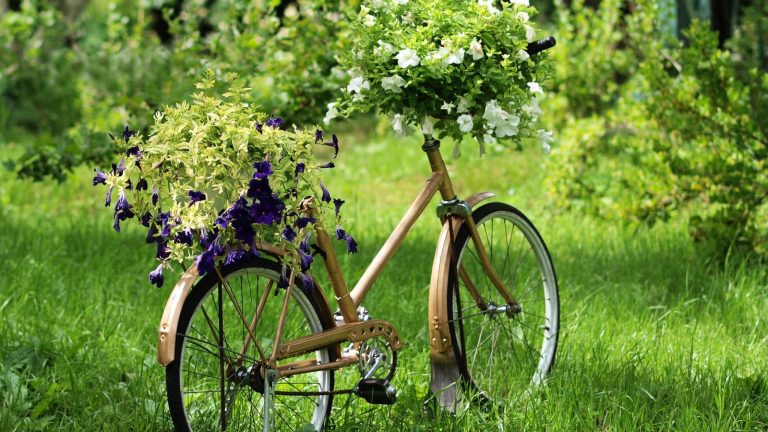

If you want to create a garden that feels full, colorful, and alive without constant upkeep, wildflowers are the perfect solution. Wildflowers come in a variety of shapes, colors, and sizes, making any garden space look lush and vibrant. They attract pollinators and support a healthy ecosystem.
To get that full, effortless look, choosing the right wildflowers is key. You’ll want varieties that are easy to grow and naturally spread to fill in bare spots. Here are 19 gorgeous wildflowers that will help you create a garden that feels abundant and beautiful.
Foxglove (Digitalis purpurea)
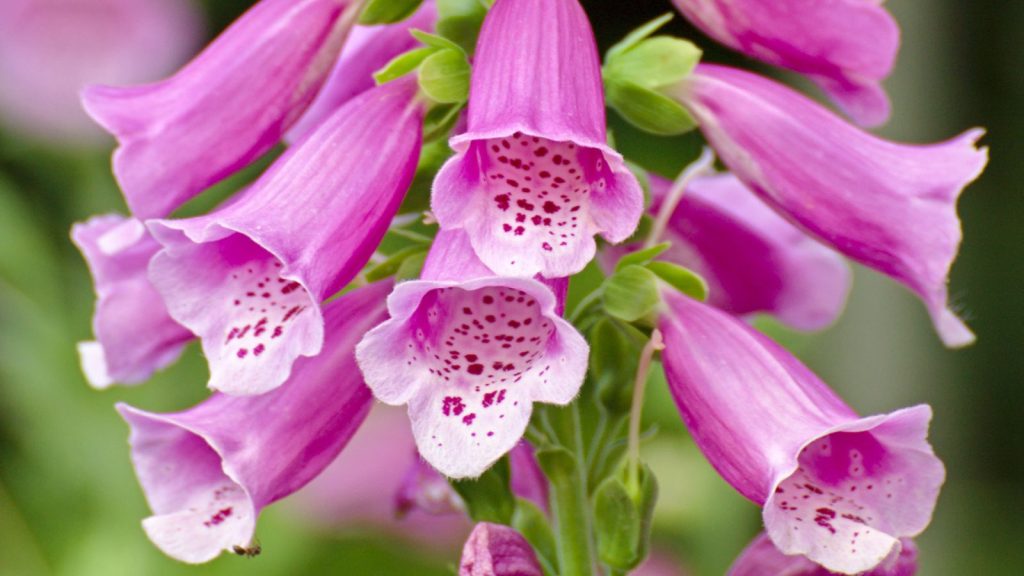
With towering spikes of bell-shaped flowers,
Snapdragons
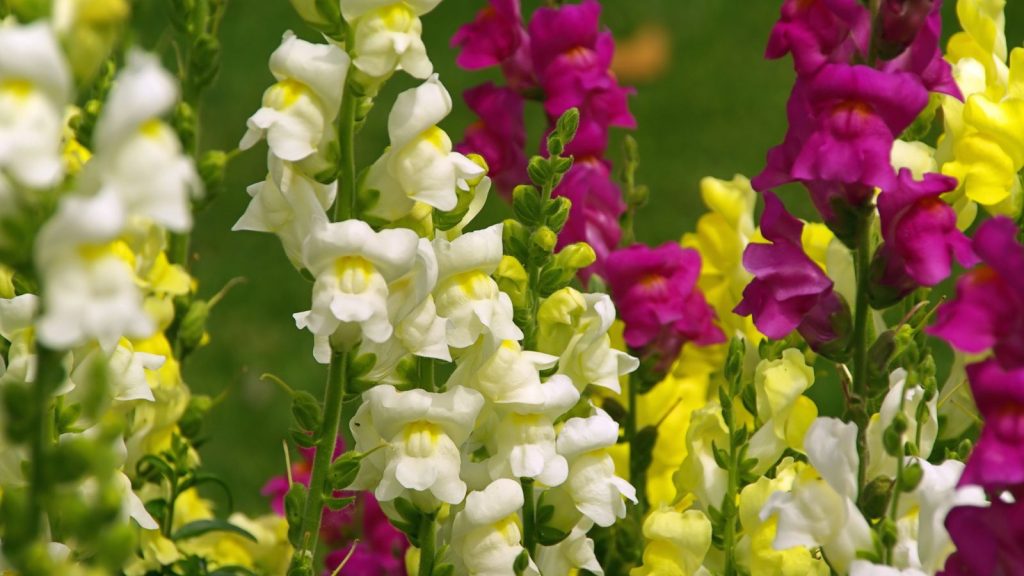
With their variety of shades,
Shasta Daisy
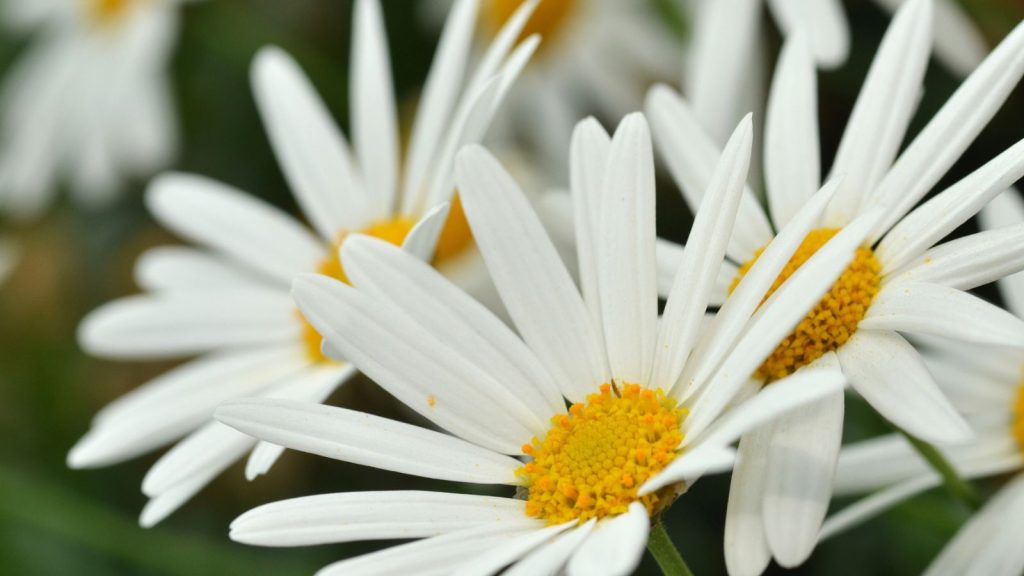
Shasta Daisies are charming with their simple white blooms and effectively attract butterflies. These daisies thrive in well-drained soil and can brighten any garden space while contributing to local biodiversity. Zones 4-9
Black Eye Susan (Rudbeckia hirta)
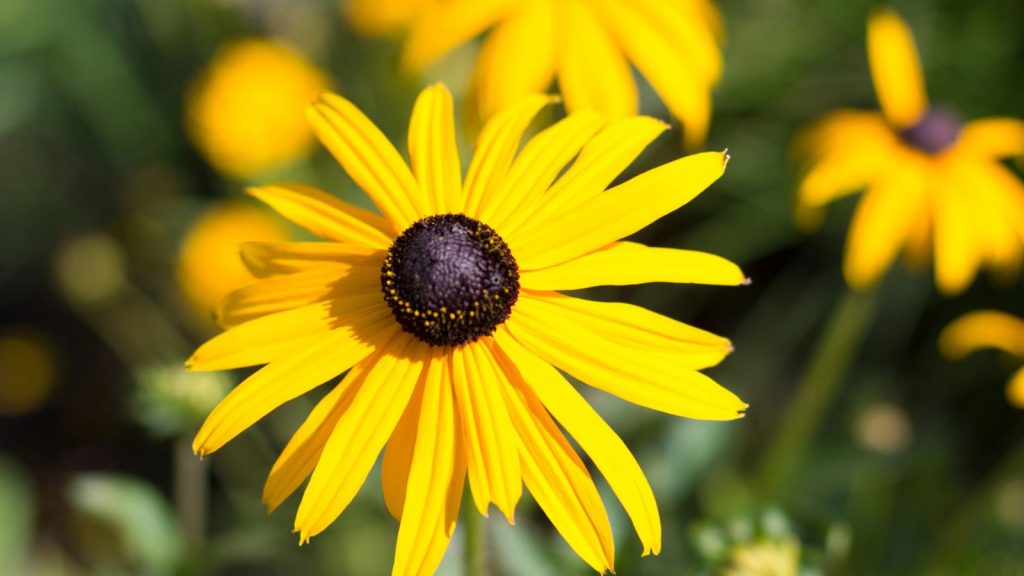
Known for their bold, yellow flowers, Black-Eyed Susans are excellent for attracting butterflies. These robust plants love the sun and are versatile enough to serve as borders, ground covers, or grouped in flower gardens, blooming from midsummer through the first frost. Zones 3-9
Bee Balm
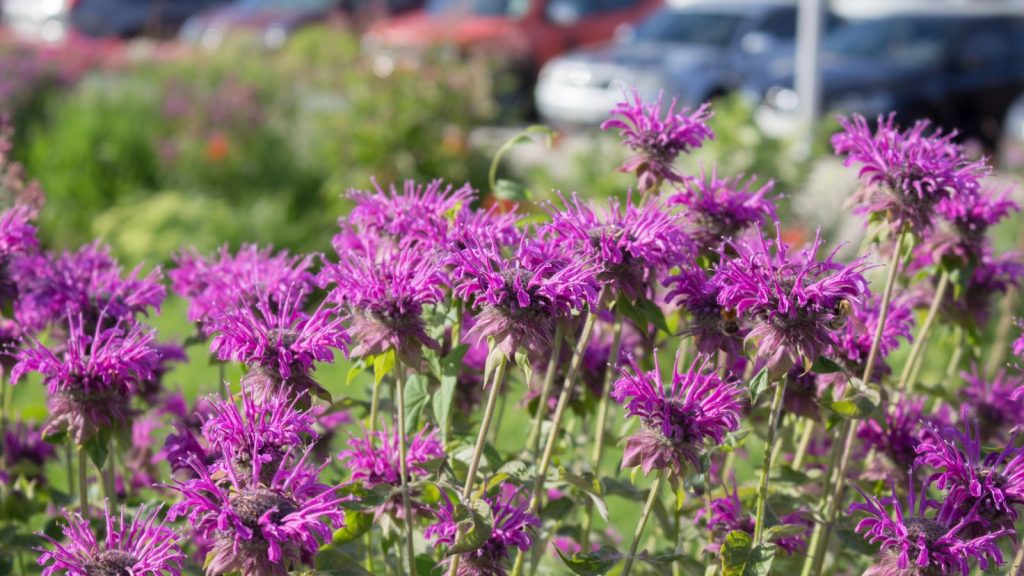
Bee Balm is a favorite among bees, butterflies, and hummingbirds. This plant is easy to grow, offering aromatic and colorful flowers in a range of shades. It thrives in full sun to partial shade and prefers moist, well-drained soil.
These Popular Herbs Naturally Repel Mosquitoes
Aster
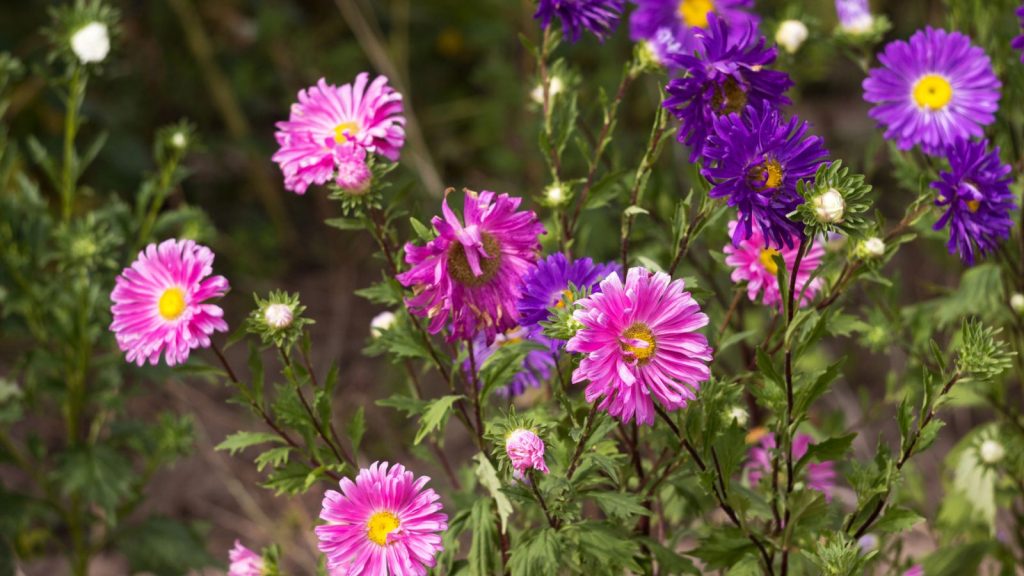
Asters extend the blooming season, bringing vibrant color to your garden late into the year. They thrive in full sun with moist, well-drained soil and benefit from regular watering and periodic division to maintain their health and vibrancy. Zones 3-8
Yarrow (Achillea)

Yarrow is celebrated for its drought tolerance and ability to thrive in full sunlight. It produces clusters of small, flat-topped flowers available in various colors, adding a beautiful and resilient element to any garden. Zones 3-9
Poppies
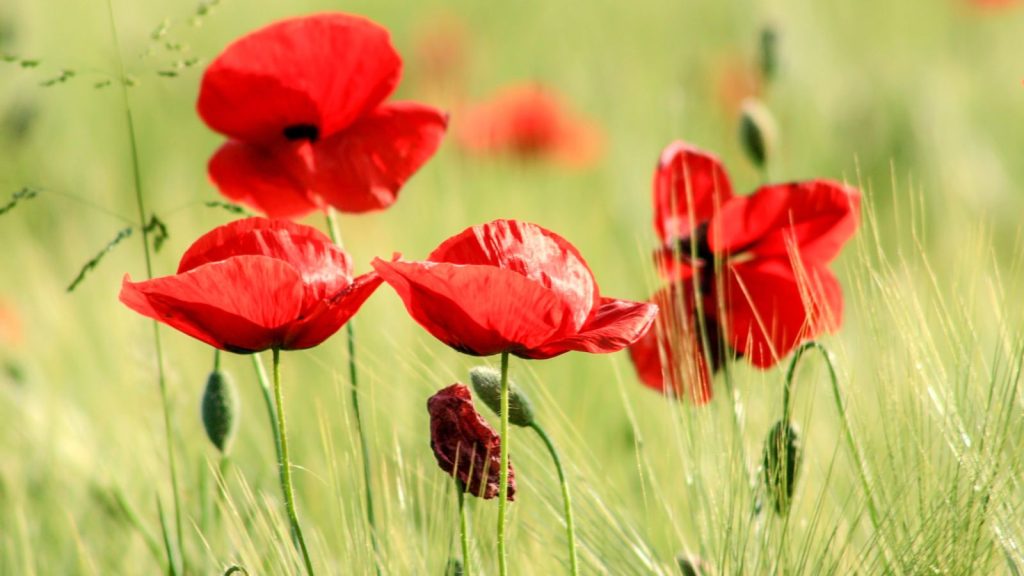
Poppies are known for their vivid, soft, papery petals, available in a range of colors, including red, orange, pink, and white. They add a dramatic pop of color to gardens and thrive in conditions that balance sun, shade, and nutrient-rich soil. These wildflowers are worth adding to your garden.
17 Pretty Flowers That Resemble Roses for Your Garden
Zinnias
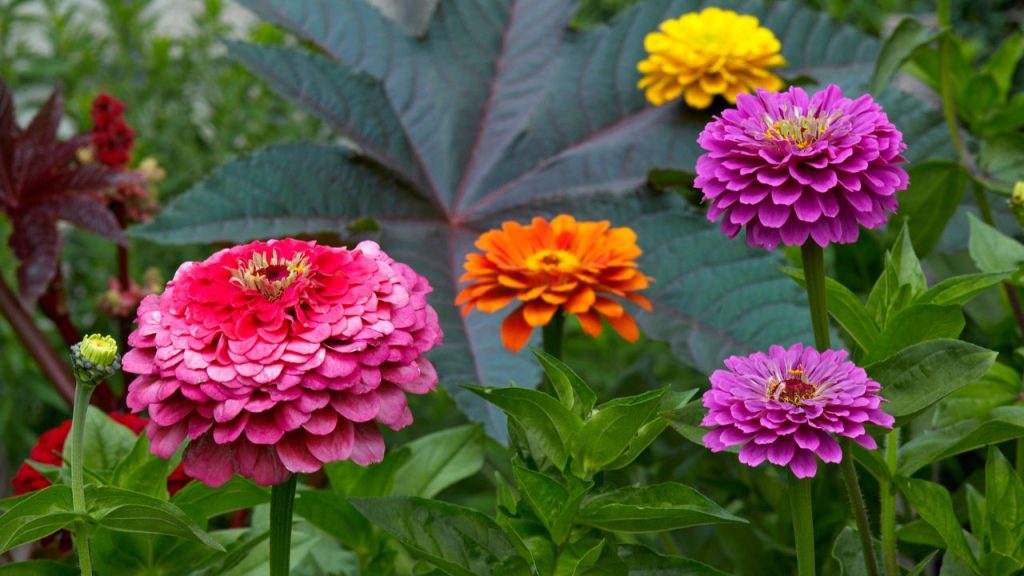
Zinnias are a delight in any bee-friendly garden, thanks to their easy-to-grow nature and ability to bloom throughout the summer. These vibrant flowers provide a continuous source of nectar for bees and add a lively splash of color to the landscape.
Blanket Flower
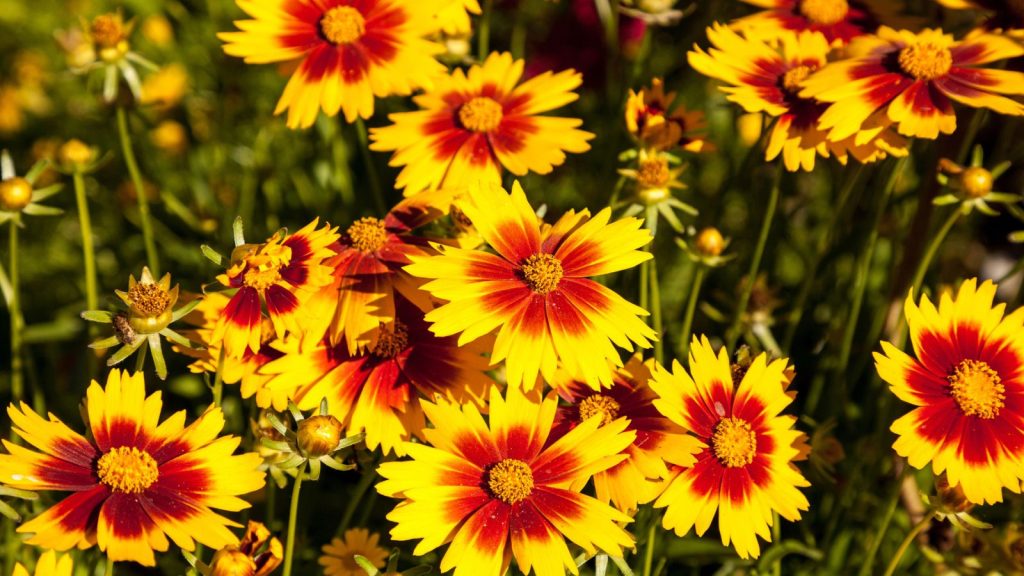
Ideal for zones 3 to 10,
Sweet Alyssum
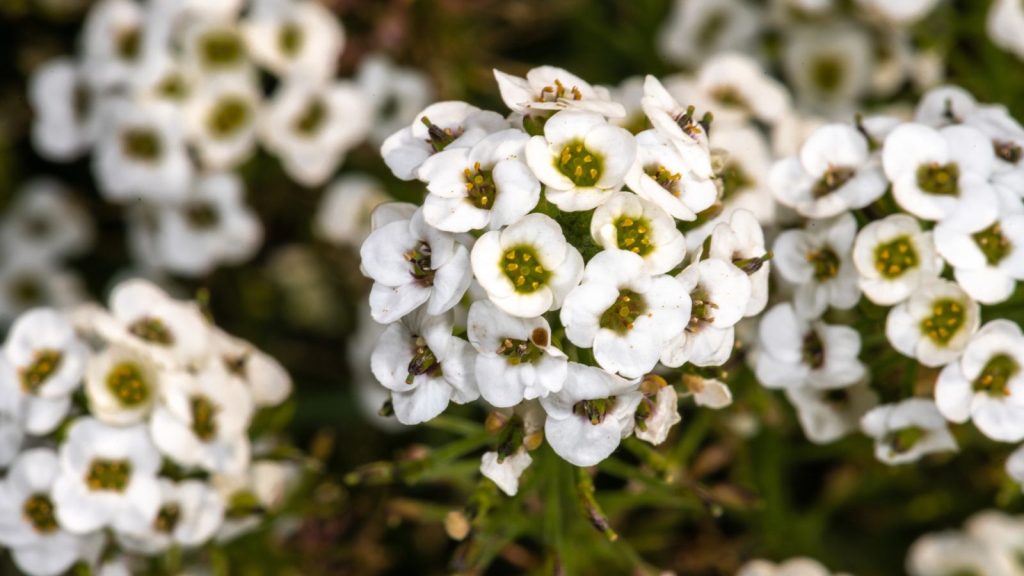
Sweet Alyssum produces dense blankets of fragrant flowers in white, rose,
Coneflower
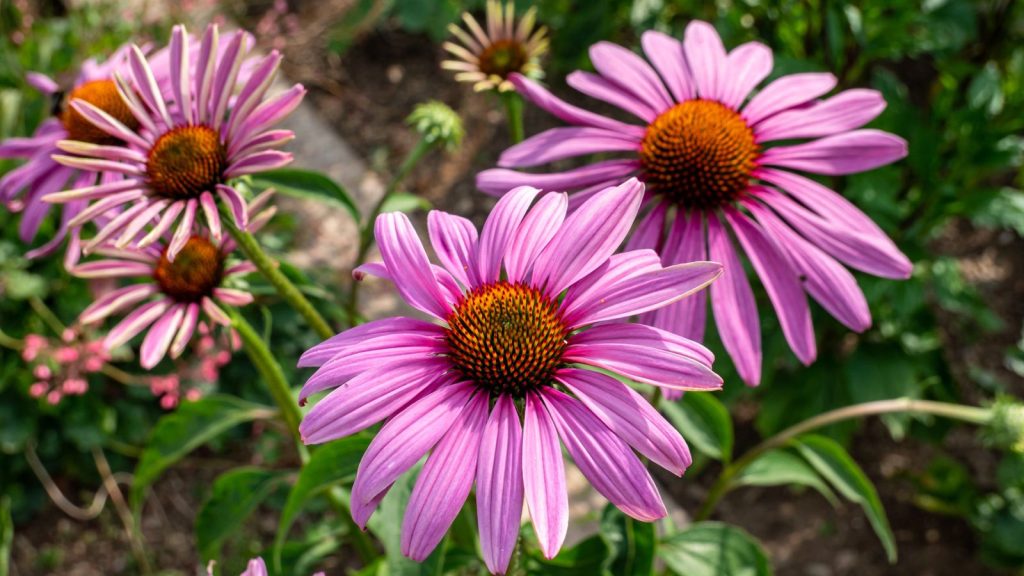
Also known as
Candytuft

An evergreen perennial, Candytuft blankets areas with white flowers each spring. It performs best in full sun and well-drained soil and is drought-tolerant once established. Pruning after blooming encourages bushy growth and prevents the plant from becoming leggy.
Coreopsis (Coreopsis spp.)

Coreopsis features bright, daisy-like flowers that range from yellow and gold to orange, and occasionally red or pink. This sun-loving, drought-tolerant plant blooms from early summer to fall, consistently adding color to the garden landscape.
15 Yellow Perennial Flowers That Will Brighten Your Garden
Columbine (Aquilegia spp.)

Columbine’s delicate, nodding flowers in shades of blue, pink, red, purple, and yellow create an enchanting touch in cut flower arrangements. Its airy, clover-like foliage adds a soft contrast to bold, structured blooms, making it a perfect filler for a bouquet.
14 Deer Resistant Perennials with Beautiful Blooms
Goldenrod (Solidago spp.)

Goldenrod flowers in late summer, offering a spectacular display of gold that attracts an array of pollinators. This plant is a robust addition to any garden, thriving in various conditions and supporting local wildlife ecosystems.
Blazing Star
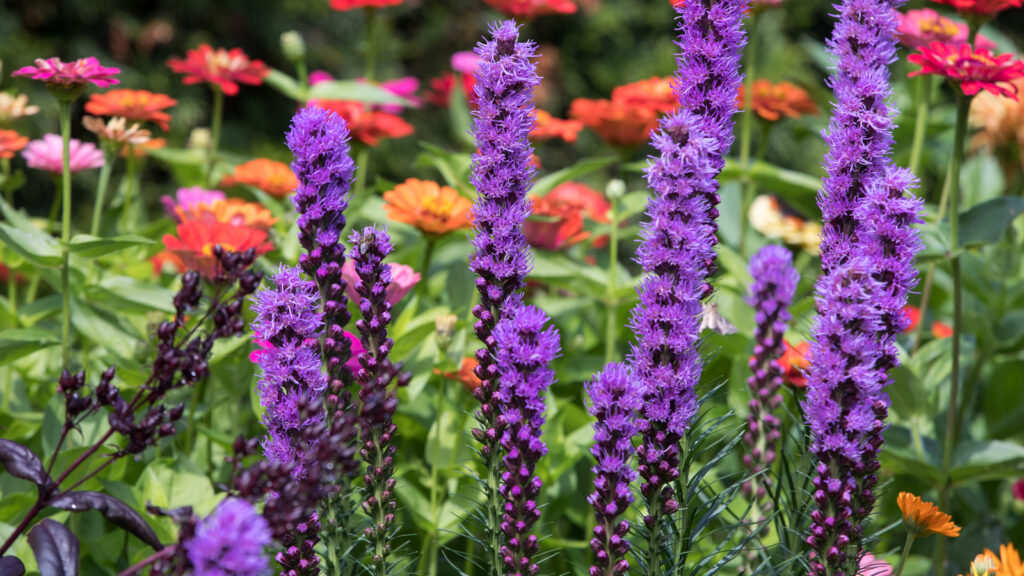
Blazing Star boasts tall spikes of vibrant purple flowers, making it a magnet for butterflies. Thriving in sunny spots with well-drained soil, this plant adds a striking vertical element to your garden and provides a valuable nectar pollinator source.
14 Stunning Plants That Bring Butterflies to Your Garden
Lupine

Lupine has impressive spikes of blue flowers. These wildflowers prefer cooler climates and grow best in full sun to partial shade with well-drained soil. While lupines are generally low-maintenance, they may require extra watering during dry spells. Zones 4-9.
Milkweed
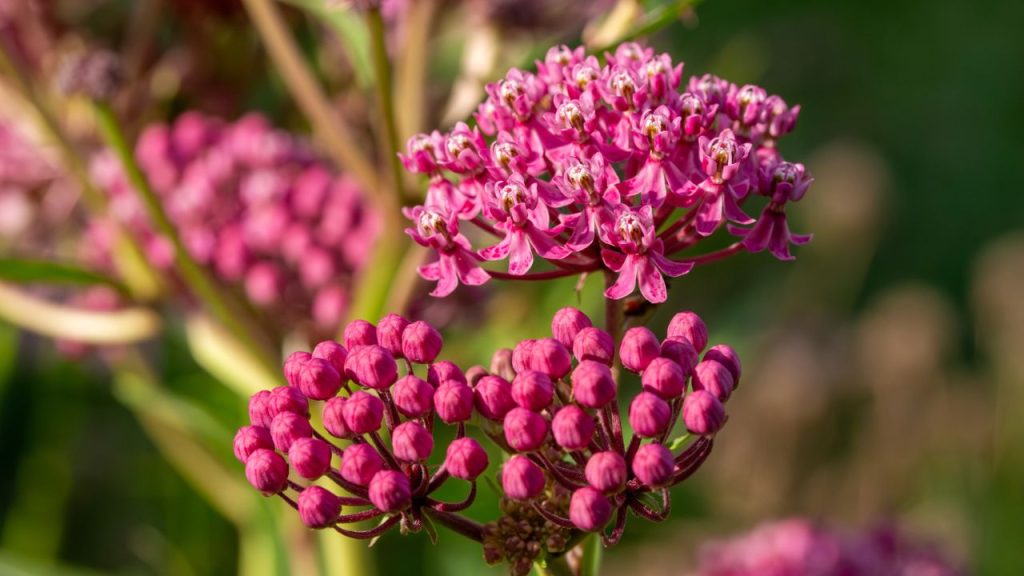
Milkweed, also known as Butterfly Weed, is essential for monarch butterflies, serving as a nursery and food source for their larvae. The plant’s flowers also offer nectar to adult butterflies, making it an essential component of a butterfly-friendly garden.