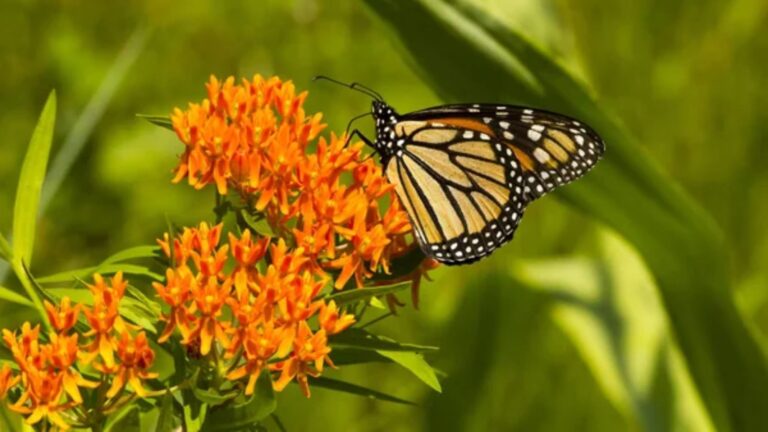
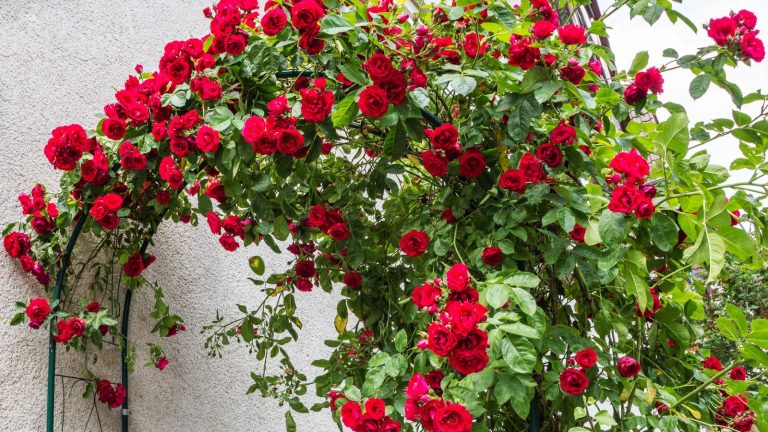
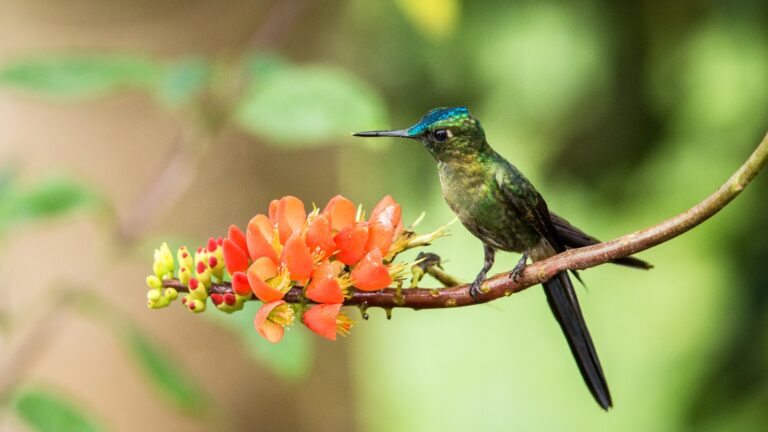
If you want to grow a garden but don’t have the time to constantly prune, weed, and fuss over it, a wildflower garden might be exactly what you need. It’s beautifully untamed, with an effortless charm that draws people in. Plus, it supports pollinators, enriches your soil, and doesn’t need constant upkeep.
If you’re already sold on the idea, here’s how to start your own low-maintenance wildflower garden.
1. Choose a location with plenty of sunlight

Wildflowers generally love sunshine, so pick a spot that gets at least 6 hours of direct sunlight each day. Exposure to morning sun is especially helpful, as it warms the soil early and promotes healthy growth. Also, avoid areas shaded by buildings or dense trees.
2. Select native wildflower species suited to your region
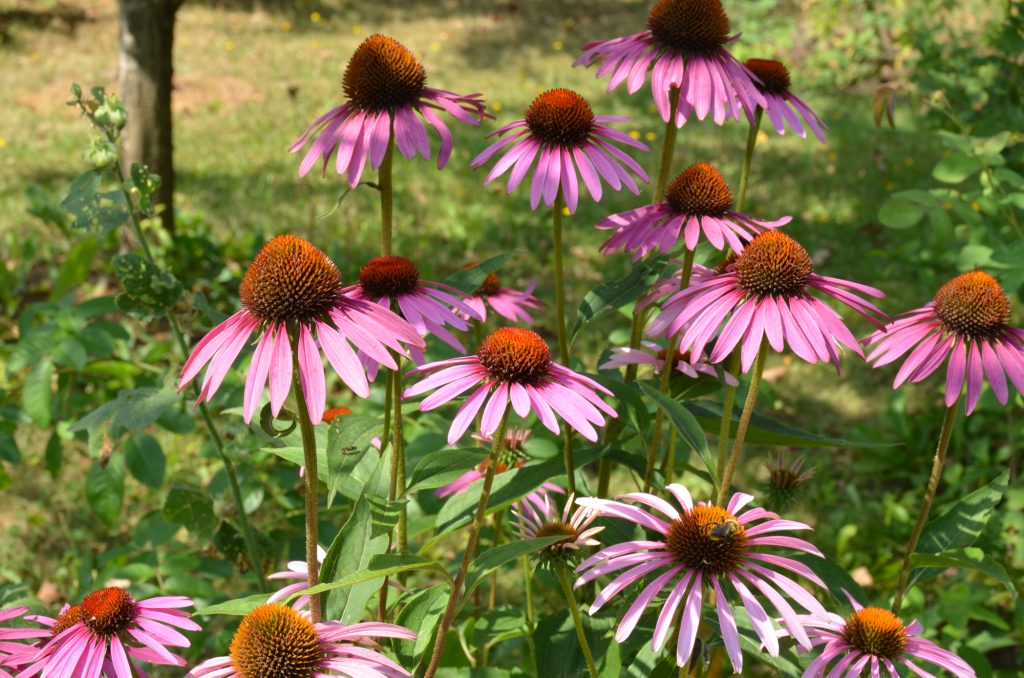
Native wildflower species are the real MVPs of low-maintenance gardens because they’re already adapted to your climate, soil, and local wildlife. Visit a local nursery or the USDA Natural Resources Conservation Service to find a list of native wildflowers for your region.
3. Pick a seed mix with perennial and self-seeding annuals
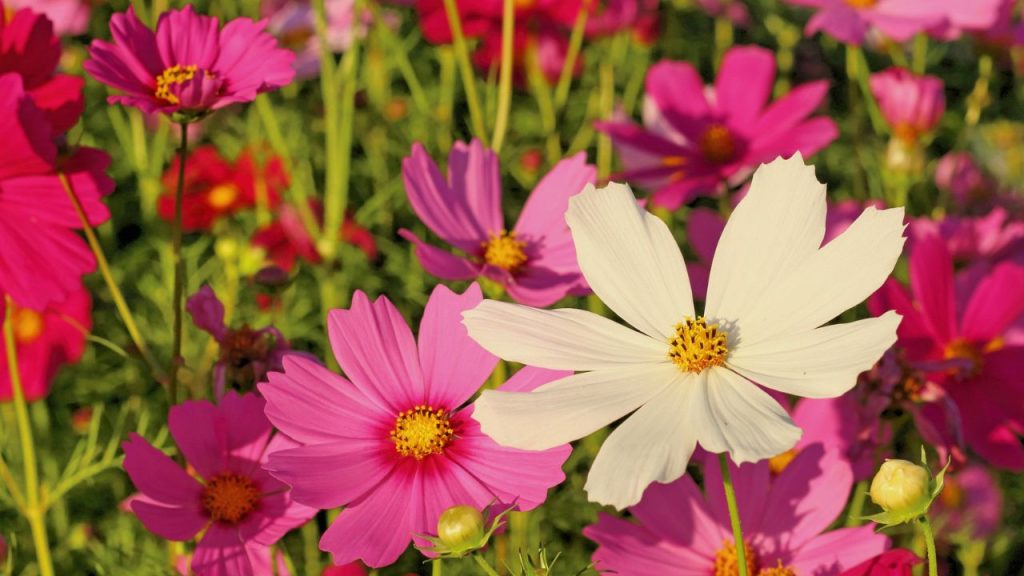
Blending resilient perennials like
The perennials offer stability and longevity, while the annuals fill in, providing colorful blooms as the perennials establish themselves. The result is a lively, dynamic patch that changes over time but always looks full and colorful.
4. Test your soil before planting
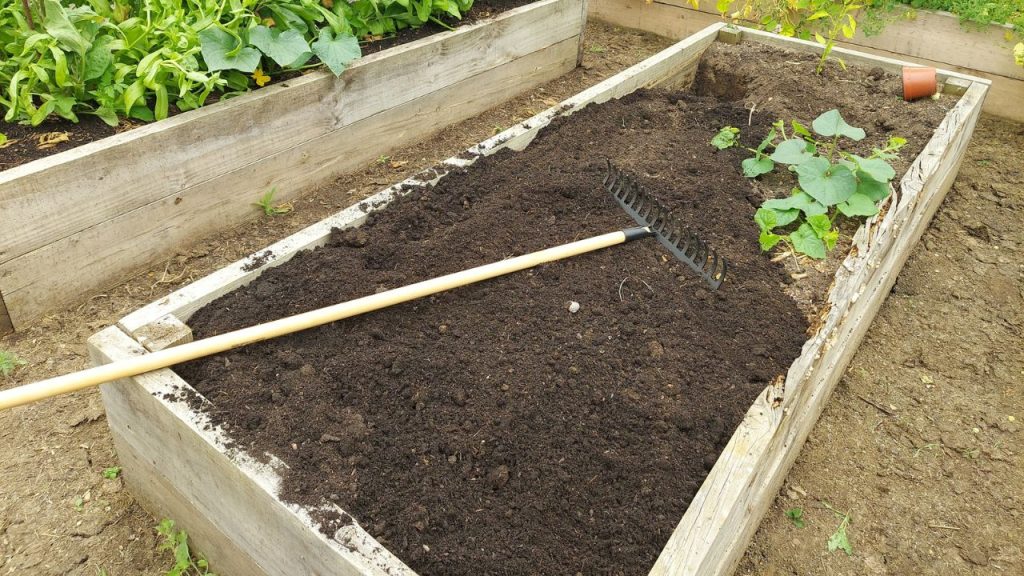
Generally, wildflower gardens don’t require any soil improvements, but it’s helpful to know what you’re working with. Test your soil pH and nutrient levels with a DIY kit or send a sample to your local extension service.
Most wildflowers prefer slightly acidic to neutral soil (pH 6.0–7.0), so you can skip lime or sulfur unless your soil is truly out of range.
5. Clear the area of grass, weeds, and debris

Even though wildflower gardens have a natural look, you don’t want competition from established grass or noxious weeds. Use a sod cutter to remove the top layer, then hand-pull any persistent weeds or roots. Rake away stones, sticks, and trash so your seeds have room to make good contact with the soil and get off to a strong start.
6. Skip the fertilizer

Adding fertilizer may benefit other types of flowers, but most wildflowers thrive in lean soil. Excessive fertility can lead to spindly growth, fewer blooms, and more aggressive weeds. Unless your soil test shows a serious nutrient deficiency, leave the mulch and fertilizer alone and just let the wildflowers do their thing.
7. Loosen the top layer of soil for better seed contact

After clearing, use a hoe or garden rake to gently break up the soil. You don’t need to dig too deep; you’re not making a seedbed for vegetables.
Only the top inch or two of soil is enough to provide texture for the germinating seeds to grip. Lightly breaking up the surface also helps keep seeds from washing away, giving them a better chance to sprout.
8. Scatter seeds evenly by hand or with a spreader
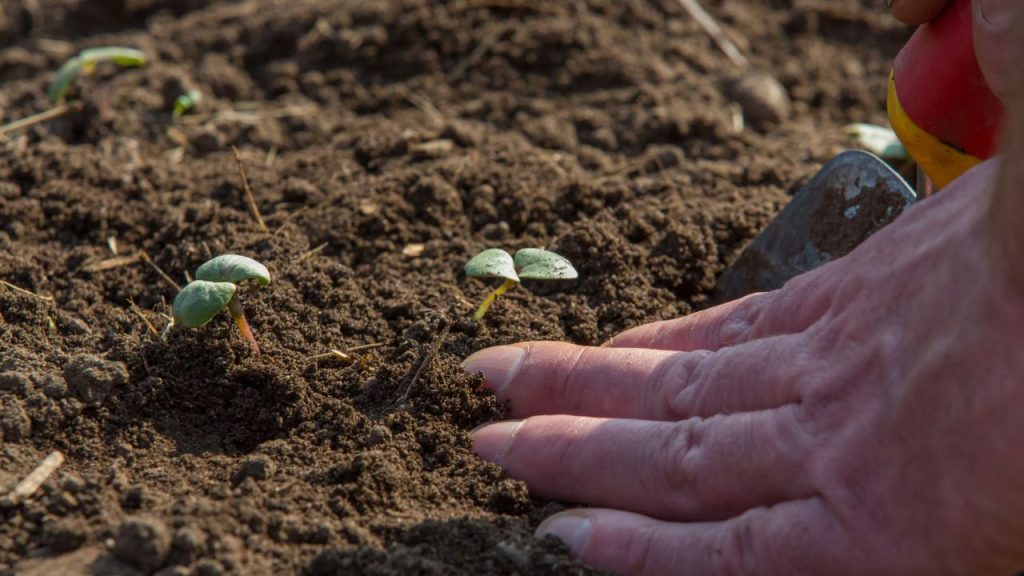
Shake the seed mix well, then sprinkle evenly across the bed you’ve prepared. If you’re doing it by hand, work in small sections to maintain uniformity. Alternatively, you can use a handheld broadcast spreader set to a light setting. It gives you more even coverage, especially in larger areas.
9. Lightly rake or press seeds into the soil

After scattering, gently rake the seeds in, just enough to cover them by an eighth of an inch. Do NOT bury them. If you’re not sure how deeply to cover them, just walk over the area in clean shoes or on boards to lightly press seeds into the soil. They’ll germinate more easily this way, and you avoid losing them beneath a thick layer of dirt.
10. Water consistently until seeds germinate

After planting, gently mist the area with water. Use enough water to moisten the soil without washing seeds away. Keep the topsoil moist for the first two to three weeks, until sprouts appear and the roots have anchored.
11. Avoid overwatering once plants are established

After seedlings reach two or three inches, scale back watering. Established wildflowers don’t do well with too much water.
When it becomes dry, water once a week (or as often as the dryness requires); otherwise, let nature take its course. Overwatering leads to weak stems, mildew, and the growth of competitive weeds.
12. Mulch lightly with straw to retain moisture
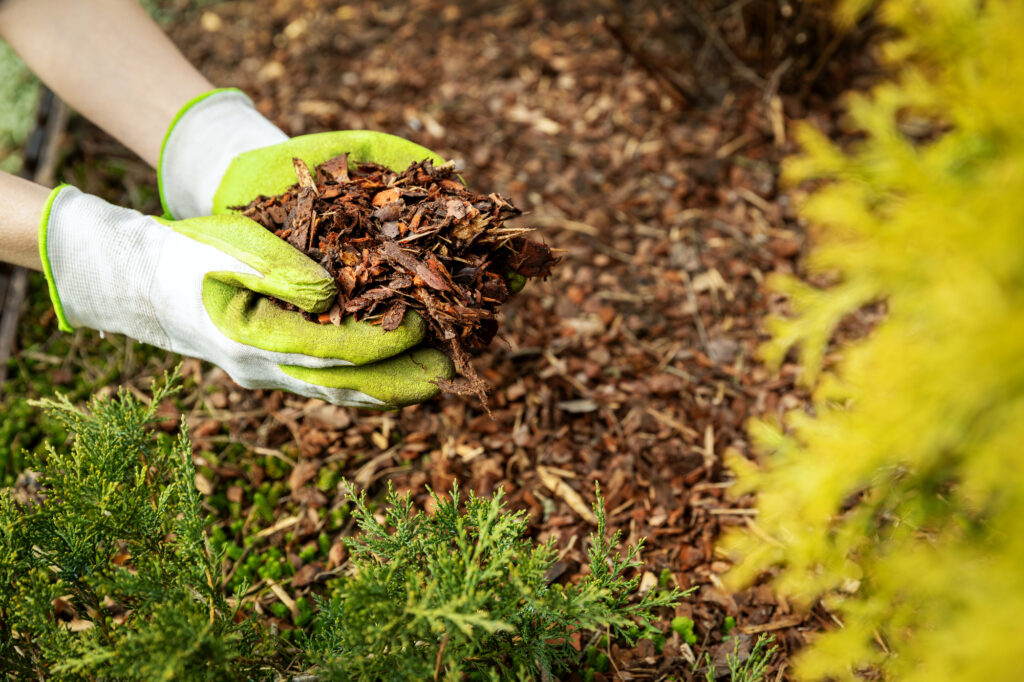
Cover the surface with about 1/4 to 1/2 inch of straw to serve as mulch. This thin layer helps lock in moisture, keeps seeds in place, and suppresses weeds. Select clean, weed-free straw and avoid hay that contains seeds or manure.
Work it gently into the soil so it doesn’t block growing seedlings, then leave it in place until the wildflowers are well-established.
13. Let the first season grow wild
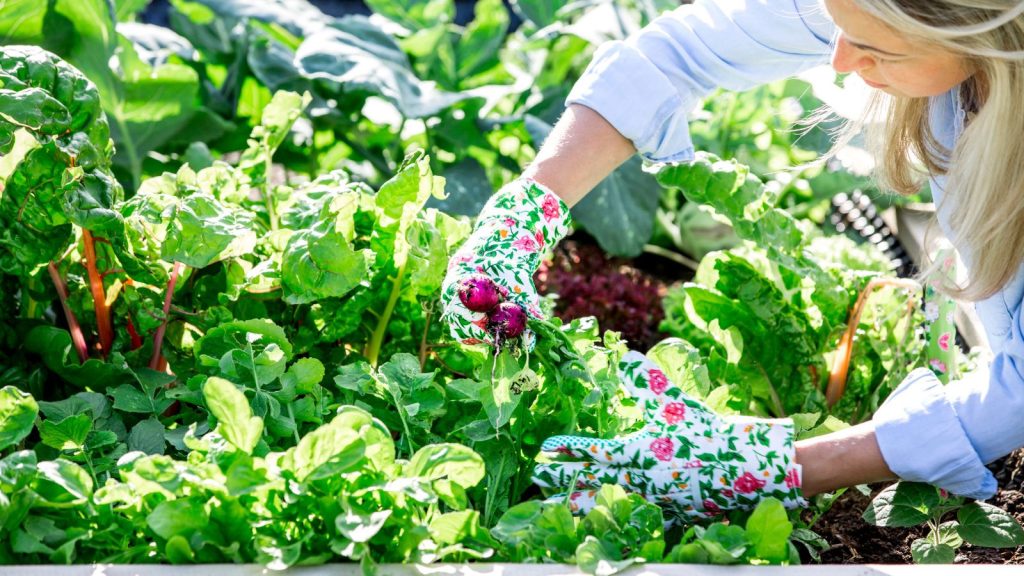
Your garden will look a bit rough in the first year, and that’s okay. Pull obvious weeds but resist the urge to prune, deadhead, or tidy the plants too soon. Leave everything, roots, leaves, flowers, to fully establish itself in its true, natural state.
14. Do not weed aggressively
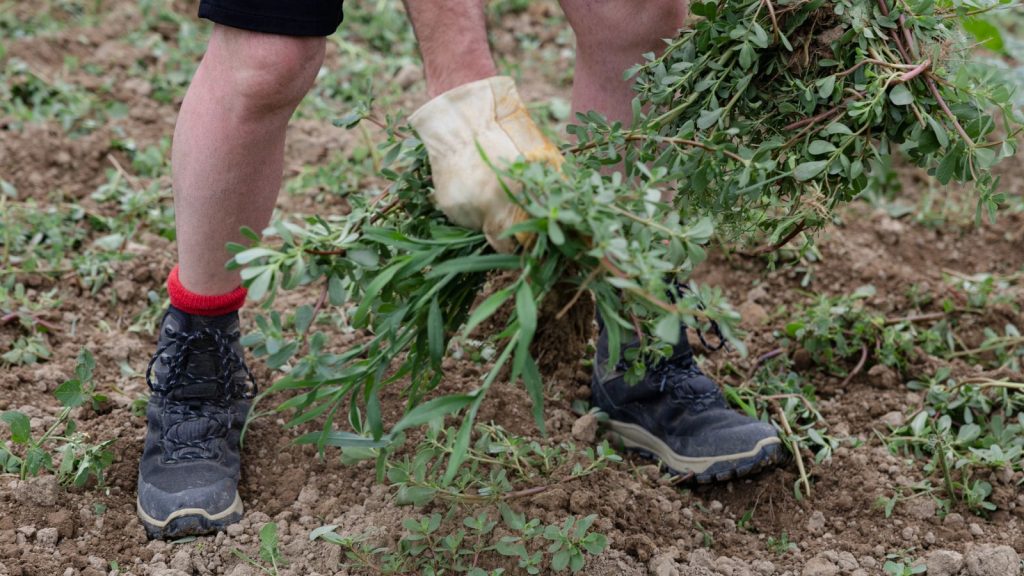
Spot-pull large weeds with deep roots that might compete for space, but don’t become a micro-manager. You might end up overweeding and removing all the beneficial “weeds” that offer shade for young seedlings or food for pollinators. Wildflowers don’t need a perfectly groomed bed, so aim for balance instead.
15. Mow just once a year

Each year, either in late fall or early spring, mow your patch down to about 6 inches. This clears out old growth, helps seeds scatter naturally, and makes room for new plants. If the clippings look healthy, leave them on the ground to decompose and replenish soil nutrients.
16. Leave seed heads through winter
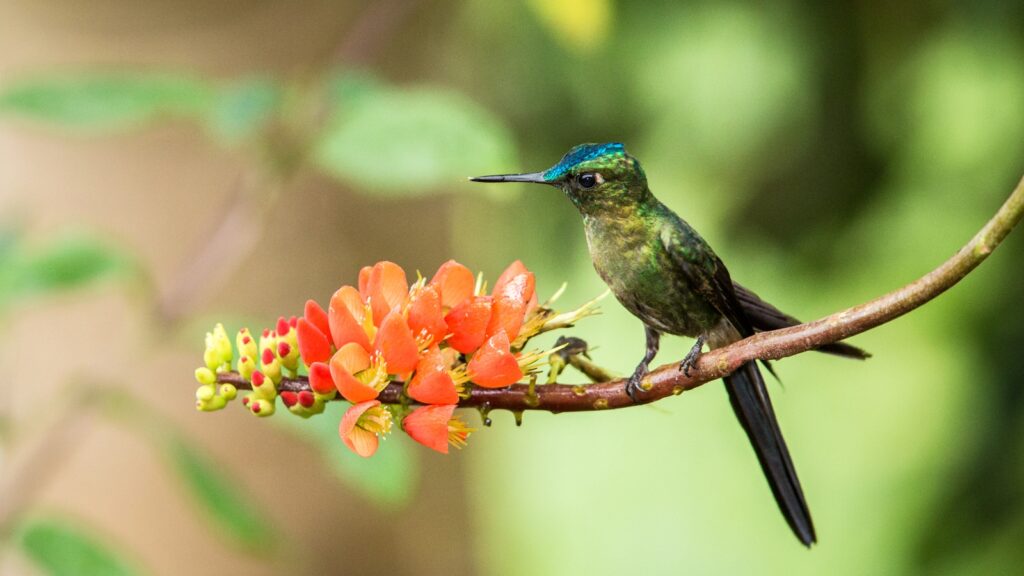
Avoid cutting off flowers in the fall. Leave the seed heads standing for birds to snack on and for the flowers to reseed themselves.
This makes your garden a more welcoming habitat for wildlife like birds, bees, butterflies, and beneficial insects. It also means less maintenance for you. Plus, a frosted seed head is beautiful in its own subtle way.