
If you’ve ever walked outside to admire your garden only to find half-eaten tomatoes, freshly dug-up bulbs, or bite marks along your planters, chances are squirrels are the culprits.
These clever little foragers may look harmless as they dart along fences and trees, but when food gets scarce or when your garden looks like an easy buffet, they can quickly turn destructive.
Squirrels chew on stems, dig through freshly planted beds, steal ripening produce, and bury treasures right where you don’t want them. And once they decide your yard is a reliable food source, they’ll keep coming back.
Thankfully, you don’t have to give up your garden or resort to harsh measures. With the right strategies, you can protect your plants and gently encourage those hungry squirrels to dine elsewhere.
Use Sound to Make Your Garden Less Inviting

If you’ve noticed squirrels getting a little too comfortable in your yard, sound can be a surprisingly effective way to make them think twice. Squirrels are naturally alert and cautious animals. Sudden or unfamiliar noises can signal danger, prompting them to retreat and seek food in a safer place.
Battery-powered ultrasonic repellers are one popular option. These devices emit high-frequency sounds when motion is detected, frequencies that are irritating to squirrels but typically inaudible to humans. When placed strategically around garden beds or near containers, they can discourage squirrels from lingering long enough to dig or chew.
You can also use more traditional noise tactics, such as motion-activated alarms, radios, or speakers. A sudden burst of talk radio, music, or a sharp alarm sound can startle squirrels and interrupt their feeding. To keep these methods effective, change the sound occasionally so they don’t grow accustomed to it. Aim speakers or devices toward the areas they frequent most, especially near vulnerable plants, bulbs, or newly planted beds.
Companion Planting

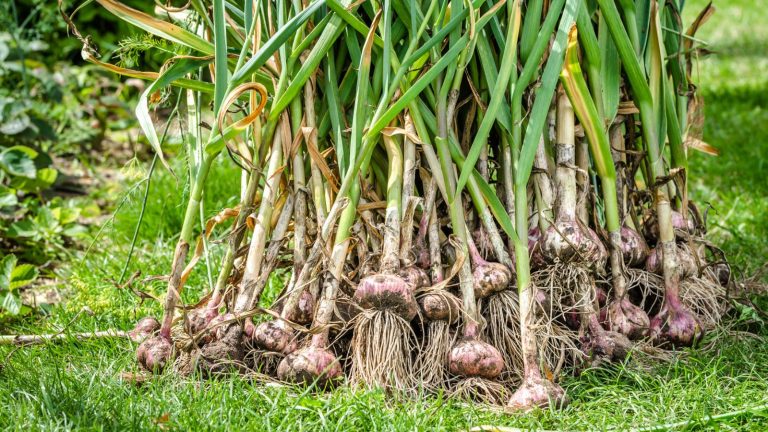
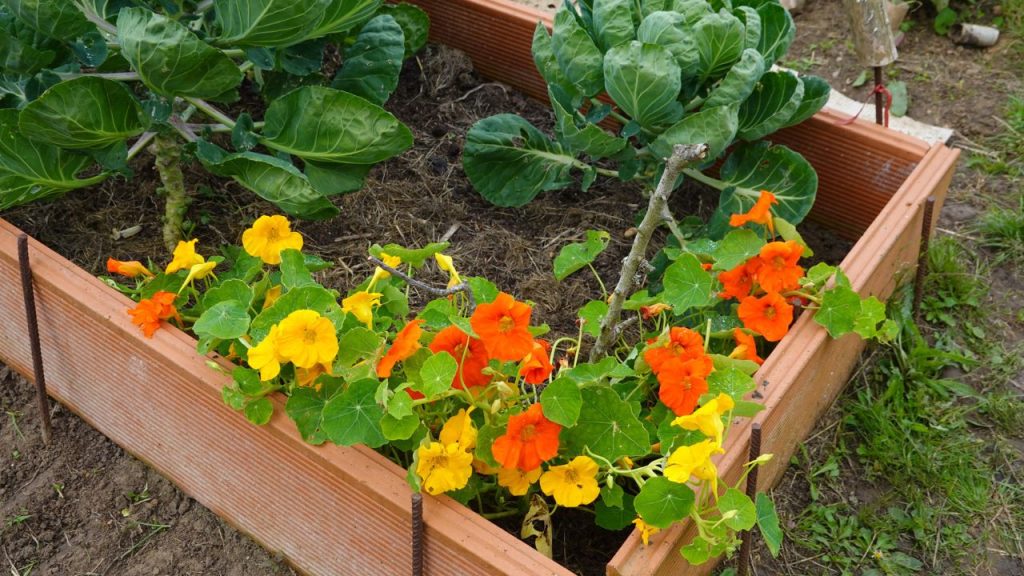
Incorporating certain plants into your garden can help repel squirrels due to their strong scents and taste. Effective squirrel-deterring companions include
For gardens near woodland areas or known squirrel habitats, it’s beneficial to plant these companions along the borders to create a natural barrier. Mix these repellent plants into the same containers as your fruits and vegetables. To ensure these plants are effective, maintain them with regular pruning and watering, which helps intensify their scents.
Eliminate Food Sources and Shelter

Eliminating nearby food sources and shelter will minimize squirrel traffic. Clean up fallen tomatoes, rotting vegetables, and nuts daily. Also, prune bushes, trim overhanging branches, and clear out potential hiding spots to expose squirrels.
To further deter squirrels, offer alternative food sources they prefer, such as corn cobs, sunflower seeds, or dried corn ears. Place these decoys away from your garden to divert their attention. Regularly check and refresh these alternative food sites to maintain their effectiveness.
Coffee Ground Barriers

Used coffee grounds serve as an eco-friendly squirrel repellent. Spread the grounds around the perimeter of your garden to create a scent barrier that squirrels find unpleasant. Reapply after rain to maintain effectiveness. The caffeine and acidity in the grounds may also enrich the soil as they decompose.
For a more durable solution, fill large mesh bags with used coffee grounds and place them around your plants. These bags last longer, resisting washout from heavy rains and acting as a physical barrier. Squirrels are often confused by these unfamiliar sacks. Replace the bags every few weeks as they begin to degrade.
Dogs and Cats

Use dogs as natural squirrel deterrents. Dogs actively chase away squirrels, while cats intimidate them with their presence and scent. Regular patrols by your pets can instill fear in local squirrels and alert you to their presence through barking or hissing.
Alternative Food Sources

To keep squirrels away from your plants, try offering them a more accessible food source. A feeder with their favorite treats—like nuts and seeds—can be a tempting alternative to your garden.
You can purchase a squirrel-specific feeder or create a simple DIY feeding station to distract them. Ideal snacks include unsalted nuts, chopped apples,
Install Motion Sensor Lights

Motion-activated lights are an effective way to deter squirrels, as they typically avoid well-lit areas because they are more vulnerable to predators. Install motion sensor spotlights around your garden.
A Sprinkler System

Motion-activated sprinklers are an effective way to keep squirrels out of gardens. When squirrels get close to fruit and vegetable plants, the system sprays a quick burst of water, which deters them from returning.
The surprise of being sprayed with water effectively keeps squirrels from trying to snack on their favorite fruits and vegetables.
Provide a Water Bowl

Some squirrels likely nibble on plants not out of hunger but because they’re thirsty. Seeing only small bites on your vegetables, such as tomatoes, could indicate that the squirrels are seeking moisture.
Placing a small water bowl near your garden can keep them hydrated and deter them from biting into your plants.
Owl Decoy

Just as gardeners use scarecrows to deter birds, owl decoys can be effective for keeping squirrels away. Squirrels are naturally afraid of owls, which are natural predators of rodents.
Applying Predator Urine

Squirrels have a keen sense of smell that they use to detect predators. You can use this to your advantage by applying predator urine, such as coyote or fox urine, around your garden. The scent triggers a fear response in squirrels, deterring them from the area.
Predator urine is available at many garden centers specifically for this purpose. For best results, spray the urine around your garden weekly and reapply after rain.
Chilli Pepper Sprays
Chili pepper spray, crafted from hot chili peppers, is an effective deterrent against squirrels targeting your plants. Squirrels are sensitive to capsaicin, the active ingredient in chili peppers, which they find unpleasant in both taste and smell.
To make the spray, blend or process the chili peppers, mix with water, and then strain out the pulp before applying.
Apple Cider Vinegar Solutions
Due to its pungent smell and tartness,
Additionally, you can place shallow dishes filled with cider vinegar around the perimeter of your garden. The strong vinegar odor serves as a deterrent, signaling to squirrels that the area is off-limits. Be sure to refill these dishes regularly, as their effectiveness can decrease with exposure to sunlight and moisture.
Plant More of Your Favorite Fruits and Vegetables
It might be disappointing to hear, but it’s nearly impossible to completely stop squirrels from occasionally biting into your plants. One practical approach is to plant more than you need and accept sharing some of your garden’s bounty with them.