Blueberry bushes are a favorite in many gardens, not just for their sweet summer harvest, but also for their spring blooms and stunning fall color. Compact and relatively low-maintenance, they’re one of the easiest fruiting shrubs to grow. But if your blueberry plants are struggling, the issue might not be with the bushes themselves—it could be what’s growing nearby.
Some plants make great companions, improving soil conditions or helping deter pests. Others, however, can compete for nutrients, invite disease, or create an environment that blueberries simply don’t like. Poor plant pairings can quietly hinder your blueberries’ growth.
If your bushes aren’t producing or seem unhealthy, it’s worth checking what’s planted around them. Here are 15 plants you should avoid growing near your blueberry bushes.
Broccoli

Due to its vigorous growth and large nutrient uptake, broccoli competes with blueberry bushes for nutrients and water. Additionally, its preference for a slightly more alkaline soil can disrupt the acidic conditions needed by blueberries. Planting broccoli near blueberries can hinder the growth and fruiting of the bushes.
Mint

Mint’s aggressive growth can quickly overwhelm nearby plants, including blueberries, leading to competition for nutrients and space. Its invasive nature can also reduce air circulation around blueberries, potentially increasing susceptibility to diseases.
Peppers

While peppers thrive in warmer soil, they are not suitable companions for blueberry bushes due to their differing soil pH needs. Peppers prefer less acidic soil, while blueberries thrive with this type of soil.
Tomatoes

Tomatoes, like peppers, require a less acidic soil environment compared to blueberries. Since tomatoes are heavy feeders, they can deplete the soil of nutrients that blueberries need, potentially stunting their growth.
Grow Juicier, Tastier Tomatoes with These 15 Companion Plants
Brussels Sprouts

Brussels sprouts can be detrimental to blueberries as they absorb a lot of nitrogen, which blueberries also heavily depend on. Brussels sprouts prefer a more alkaline soil pH, which contrasts with blueberries’ acidic preference. This mismatch can lead to nutrient competition and poor growth for the blueberries.
Cantelope

Cantaloupe’s extensive root system and preference for a neutral pH can disrupt the acidic soil environment needed by blueberries. This competition for nutrients and water, along with different soil pH needs, makes cantaloupe a poor companion for blueberries.
Watermelon

Watermelon, requiring a lot of space and nutrients, can overshadow and outcompete blueberries for essential resources. The vast difference in their growth requirements makes co-planting them problematic, often to the detriment of the blueberry bushes.
Dill

While dill attracts beneficial wasps, it depletes the soil of nutrients when it goes to seed, which can negatively affect blueberry growth and fruit quality.
How to Start a Herb Garden from Scratch
Cabbage

Cabbage thrives in well-drained, nutrient-rich soil with a neutral pH. However, these conditions are not ideal for acid-loving blueberries, potentially leading to poor growth.
Walnuts

Walnut trees produce juglone, a chemical that inhibits the growth of nearby plants, including blueberries. Their extensive root systems also compete heavily for water and nutrients.
Eggplants

As members of the nightshade family, eggplants prefer warmer, less acidic soils, which can clash with the acidic conditions blueberries require, resulting in mutual stunting of growth.
Cauliflower

Cauliflower competes with blueberry bushes for nutrients and water due to its heavy feeding nature and different soil pH preferences.
Kale

Kale’s high nutrient demands and preference for a more alkaline soil pH can make nearby soil conditions unsuitable for blueberries, inhibiting their growth
Sweet Corn

Corn consumes a lot of nitrogen, promoting excessive foliage growth in blueberries at the expense of fruit production.
Potatoes
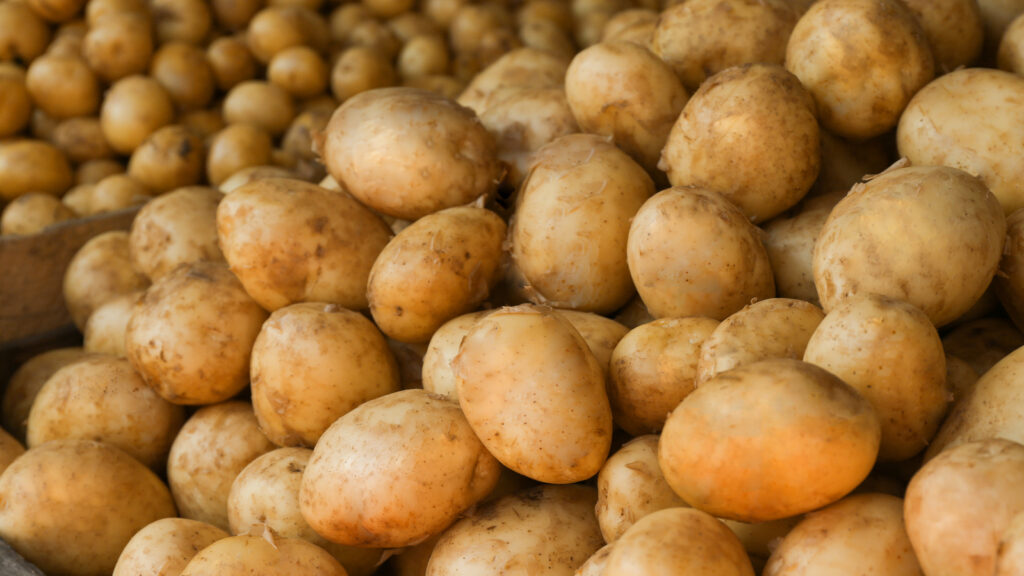
Potatoes share a high demand for nutrients and have different soil pH requirements compared to blueberries. This can lead to intense competition for soil nutrients, adversely affecting blueberry growth and health.
How to Harvest, Cure, and Store Potatoes
21 Cheap Perennials to Grow That Will Make Your Garden Pop

You can fill your space with lush, eye-catching blooms with the right selection without overspending. Here are 21 affordable perennials bringing long-lasting beauty without stretching your wallet this year.
21 Cheap Perennials to Grow That Will Make Your Garden Pop
Your Strawberries Will Thank You for Growing Them Next to These 21 Plants
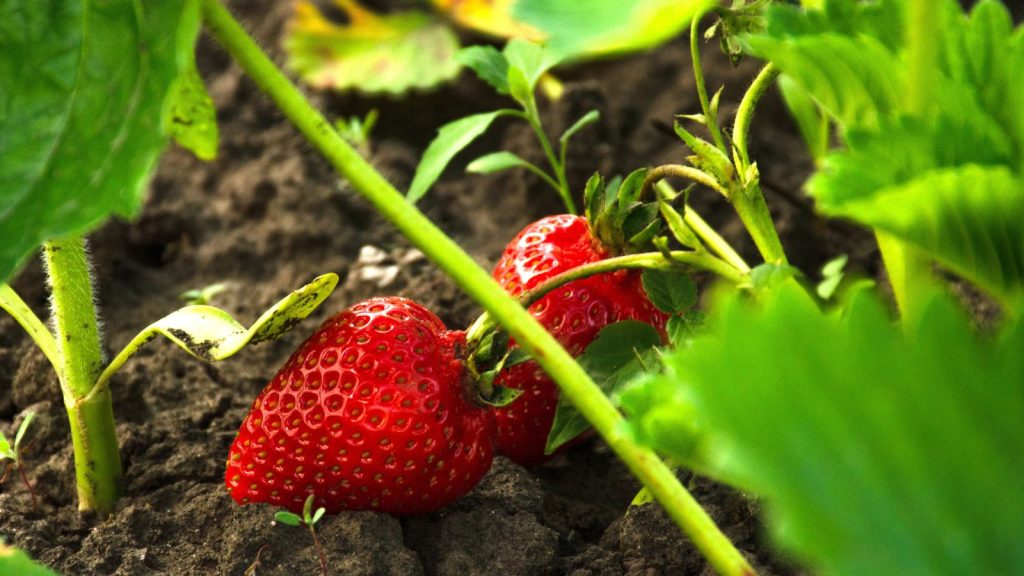
While some gardeners remain skeptical about companion planting, many have experienced firsthand the benefits of strategically pairing crops. Healthier plants, fewer pest issues, and a more abundant harvest are just a few of the advantages that make this method worthwhile. Here are 21 plants that can help your strawberries thrive.
Your Strawberries Will Thank You for Growing Them
12 Plants to Grow Alongside Your Blueberry Bushes to Keep Them Happy

Planting the right companion plants near blueberry bushes can help to ensure successful fruiting. Here are some plants that you should grow alongside blueberry bushes to help them thrive.
12 Plants to Grow Alongside Your Blueberry Bushes to Keep Them Happy