Gardening advice is everywhere—books, blogs, social media—you name it. While much of it is useful, some so-called “golden rules” are outdated or too strict for the realities of backyard gardening. It’s okay to bend the rules.
Give yourself permission to experiment. Break a few of these long‑standing guidelines, and you might discover a garden that’s easier, more productive, and a lot more fun to manage.
1. Don’t plant vegetables and flowers together

Who said you couldn’t grow vegetables with flowers in your garden together? Apart from the aesthetics, there are numerous practical benefits to be gained from this combination.
For example, mixing flowers like
2. Always follow spacing guidelines exactly

While it’s always sensible to follow instructions, experienced gardeners know that seed-packet spacing is based on ideal conditions.
With rich soil and regular trimming, you can get away with planting
3. Only grow what you like to eat

You might think you hate
A single row of a crop you would never have eaten before can expand your palate or feed a neighbor. In the worst case, it ends up in the compost and enriches the soil for the following year.
4. Stick to straight rows for planting

You can be a little flexible and creative when planning your garden rows. There are so many interesting orientations to follow than the typical straight rows. For example, curved beds, keyhole shapes, and zigzags help to maximize space along the edges and make them look far more interesting.
Sweeping lines guide the eye and make small yards feel larger. It’s easier to reach the center of a bed if you plant in blocks or triangles, and it yields just as well as ruler‑straight rows.
5. Only water in the early morning
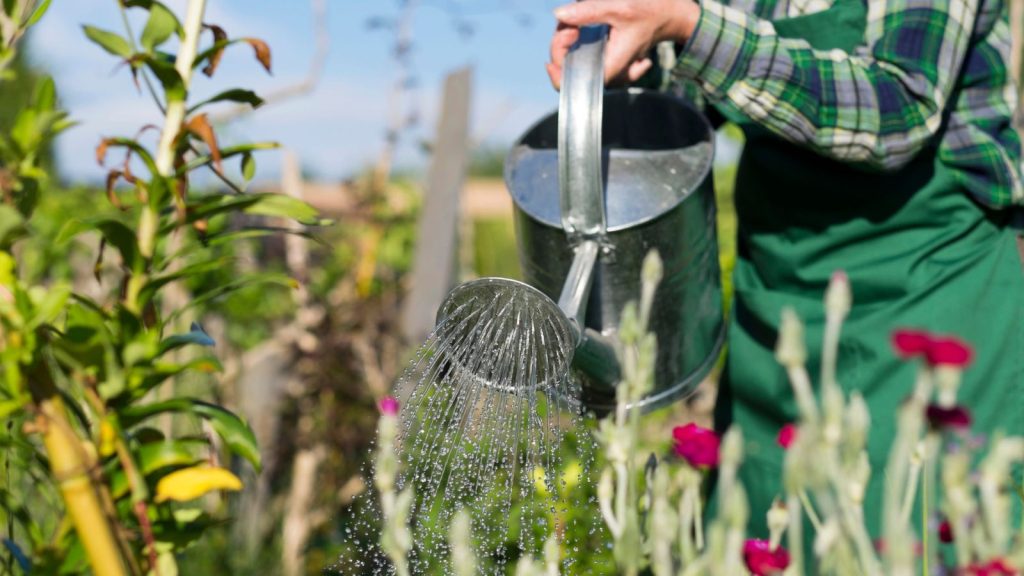
While it is best to water your plants early, if heat waves cause crops to wilt in the afternoon, an emergency
Using drip lines and soaker hoses to water reduces the amount of moisture that gets on the leaves, making it safe to water in the evening in dry climates. Just avoid spraying the leaves while watering late if nights are humid and cool.
6. Keep your garden perfectly weed‑free

Some weeds act as living mulch or attract pollinators. Focus on removing rampant garden invaders or anything that goes to seed. You can let low, noninvasive, beneficial weeds occupy tiny gaps in the soil and enjoy the benefits they offer.
7. Always use traditional garden beds

Repurposed laundry baskets, stock‑tank planters, or an old wheelbarrow can grow vegetables as well as any cedar box. You can use raised mounds, vertical towers, and straw bales to put those awkward corners into productive areas.
Sometimes, a bit of experimentation often beats spending money and time waiting to build proper beds.
8. Never grow from seed if you’re a beginner
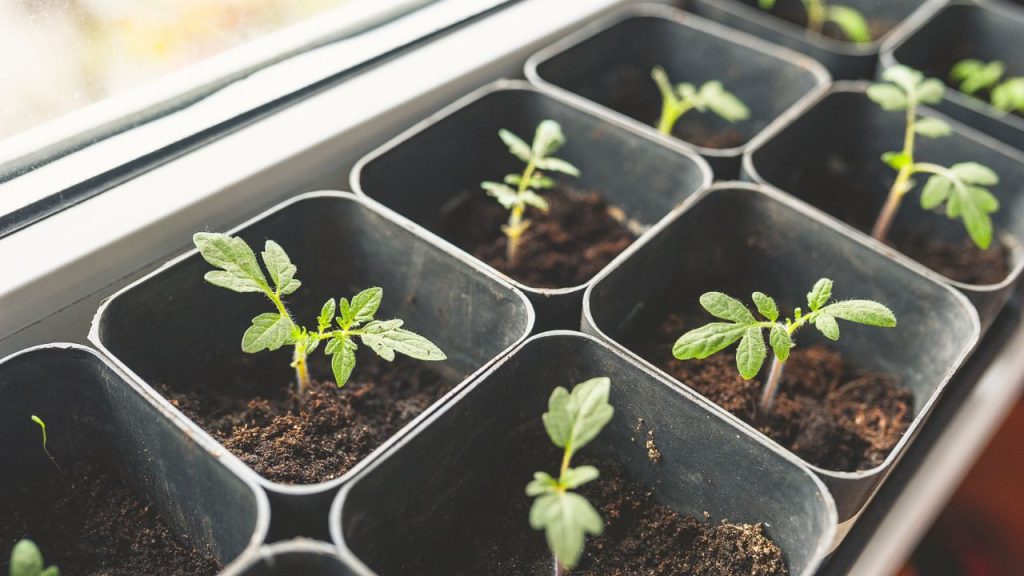
Beginners can learn to grow directly from seeds with easy, low-maintenance, dummy-proof plants like
Even if your plants fail, you’d have spent less on them than buying a single nursery six‑pack and have learned a lot from your mistakes for next season.
9. Use only matching pots and containers
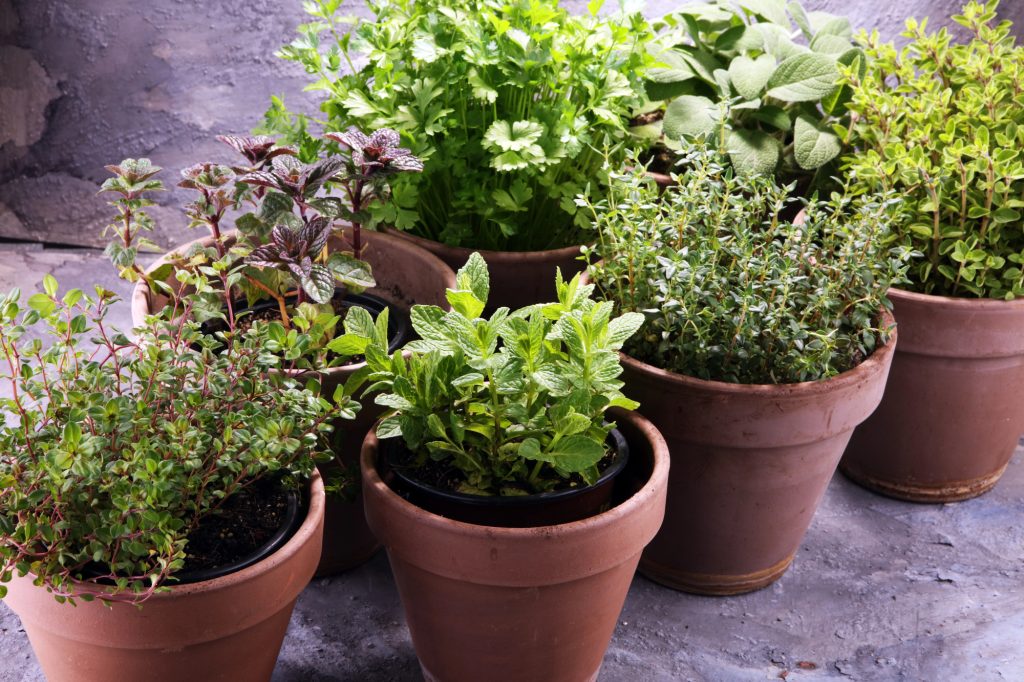
The aesthetics of your garden is an extension of your personal tastes. You don’t have to follow a strict template when mapping out your garden. A motley mix of terracotta, colorful food-grade buckets, and rescued wooden crates creates charm and has a high reuse value.
If you want better cohesion, group containers by plant height or color scheme; nobody will pay that much attention to the pots they’re in anyway. Just be sure each one has a drainage hole.
10. Only plant native or local species

Native plants are always a safe bet because they’re made for your local climate. But you can also grow non-native plants like
Check your area’s invasive species list first to know which plants to avoid. Mixing local favorites with global ones makes your garden more diverse, beautiful, and pollinator-friendly.
11. Don’t plant during the hottest part of summer
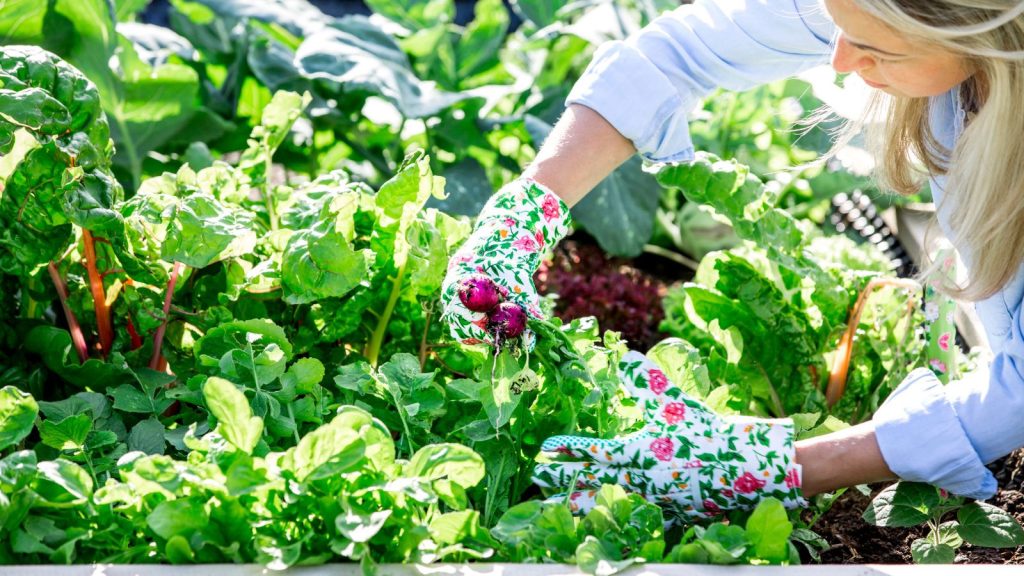
Seedlings don’t like the heat and will struggle when transplanted in hot summers. But if you’re sowing seeds for heat-loving crops like beans or cucumbers or fast-growing fall veggies like
Planting late in the summer can also help you avoid spring bugs and yield crops to fill your plate when farmers’ markets are running low.
12. Avoid using bold or clashing color combos
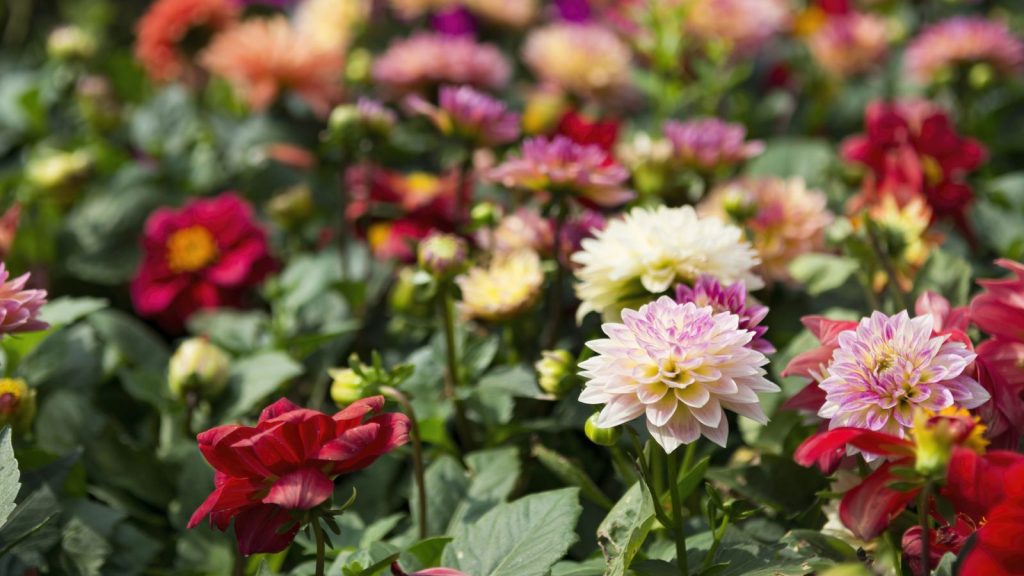
Who says you cannot grow hot orange
Plus, bold combos can bring your garden to life, and since bees even see colors we can’t, the more riotous the color, the better for pollination. If it makes you smile, plant it. Clashing colors and all.
13. Prune everything at the start of the season

While fruit trees might benefit from early shaping, cutting back all your plants too soon can remove flowers and stress the young plants.
Some plants benefit from a trim in summer, while others simply require deadheading. Observe how your plants grow, then prune as needed, not all at once.
14. Compost piles must be hidden away

Your compost bin doesn’t need to be treated like a forbidden monster. A tidy pile or colorful tumbler can look great near the garden, which makes it easier to use.
Watching scraps transform into rich humus can be a fun reminder for kids (and adults) of how nature recycles things. Keep it neat, layer your greens and browns, and any lingering nasty perceptions people have about compost piles will disappear.
15. Stick to one garden style or theme
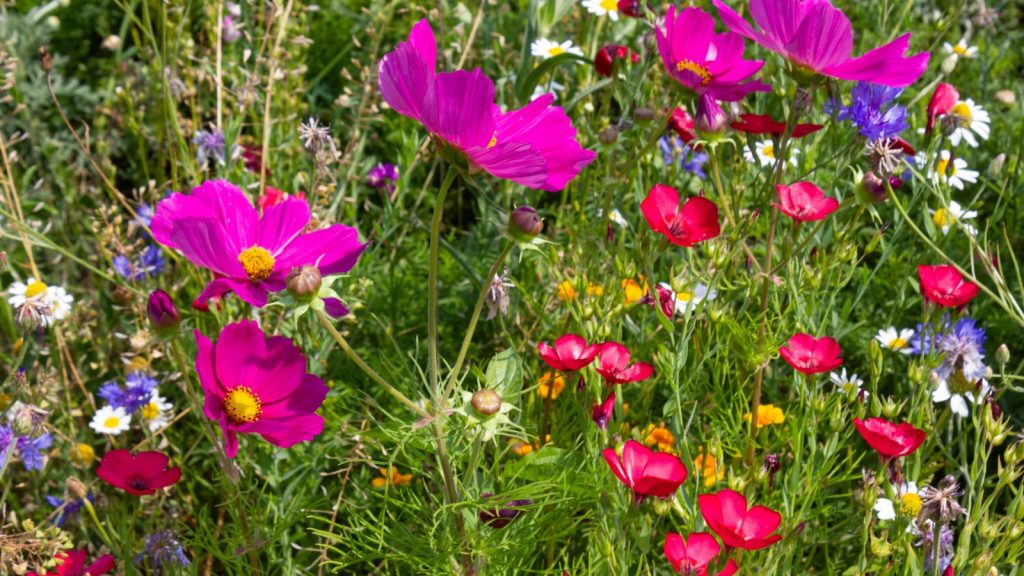
Say you want a cottage-style garden but don’t want to get rid of the modern layout you already have; who said you can’t have them both? Try pairing wildflowers with your modern patio, structured raised beds with soft flower borders, or plant tropical plants with rustic stone paths.
Nobody’s going to sue you for expressing your creativity. It’s your home. Mixing styles makes your garden feel more personal and creative. Just make sure to repeat a few key details, such as matching planters or a common mulch, to keep everything feeling cohesive.
16. Always plant in full sun for better results
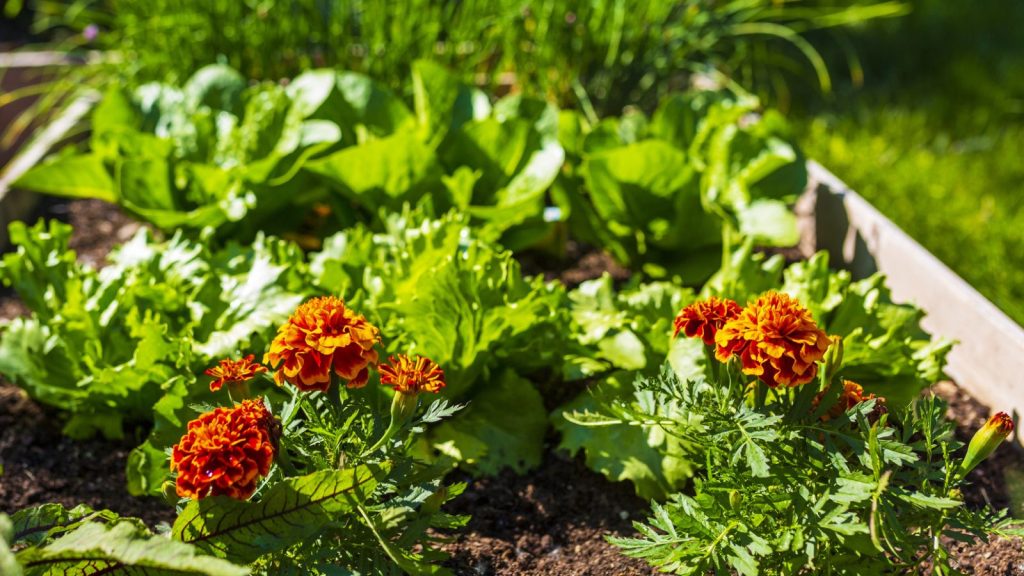
Not every plant thrives in full sun all day, especially in hot climates. Leafy greens, such as
Try planting in areas that get morning sun and afternoon shade to keep things cooler and reduce watering needs.
The key is to learn the specific light and temperature needs of each plant and observe how sunlight moves through your garden. Then, match each plant to the spot that suits it best, instead of assuming full sun is always ideal.