Don’t throw out those old newspapers just yet. There are so many environmentally friendly ways to repurpose it in the garden. You’ll be surprised by how resourceful they are. Here are 17 clever ways to use a newspaper in the garden.
1. Smother Weeds

If your garden bed is full of weeds, you don’t have to dig everything up—newspaper can do the hard work for you. Lay down 6 to 8 layers of regular black-and-white newspaper (skip the glossy ads), soak them thoroughly with a garden hose, and then cover the area with mulch.
In just a couple of weeks, the weeds underneath will die off, and the newspaper will naturally break down into the soil. It’s a simple, mess-free method that saves you from hours of pulling stubborn weeds, such as crabgrass.
2. Line the Bottom of Plant Pots

It’s not uncommon for gardeners to line the bottom of their pots, especially if they have large drainage holes or lack proper filters. Some might use pebbles, gravel, pieces of broken terracotta, or even mesh screens. However, newspapers can also be a great biodegradable substitute. Its main goal is to prevent soil from washing out while still allowing excess water to drain freely.
3. Protect Seedlings from Frost

Seedlings are more vulnerable to frost than mature plants. Even one cold night can kill seedlings or permanently stunt their growth. You can use newspapers as covers to trap heat and protect them from frost. Just make sure the newspaper is loosely draped over the plants so they can still breathe.
18 Low-Maintenance Flowers That Grow Easily From Seed
4. Create a Compost Layer
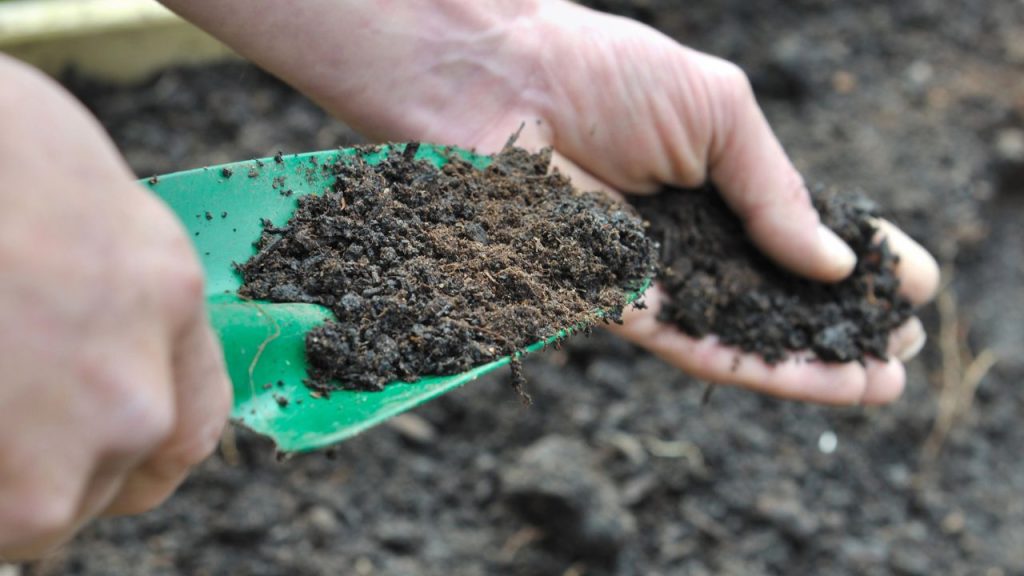
Newspapers make an excellent brown (carbon-rich) material for your compost pile. They help balance the wet, nitrogen-rich “green” materials, such as kitchen scraps. To use them effectively, shred three or four sheets and mix them in thoroughly. If left whole or in large pieces, they can clump together, block airflow, and slow down the composting process.
Shredded newspaper creates helpful air pockets that feed the microbes responsible for breaking everything down. You can add it to compost bins, open piles, or even use it for trench composting by burying it directly in the soil.
5. Start Seeds Indoors
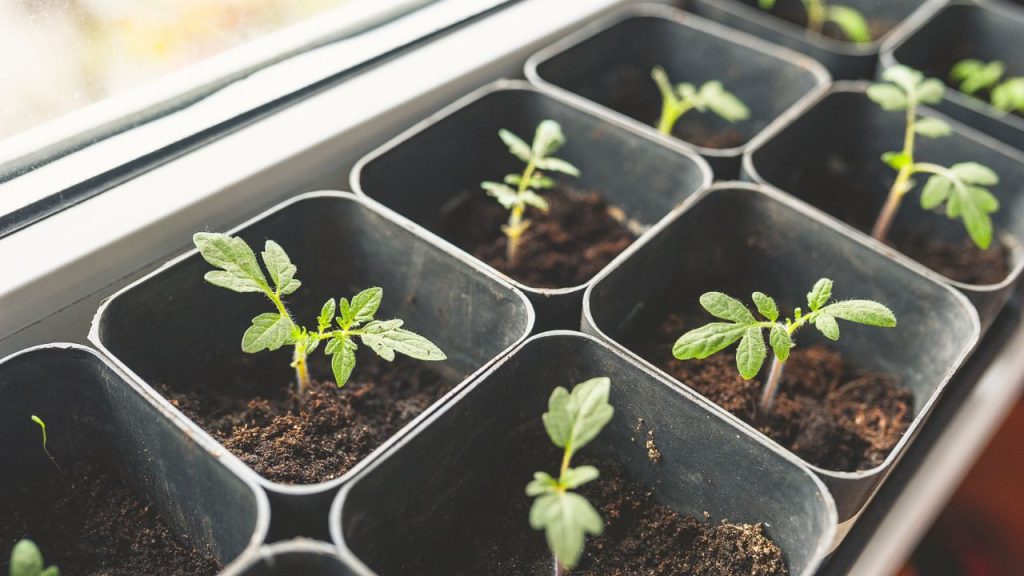
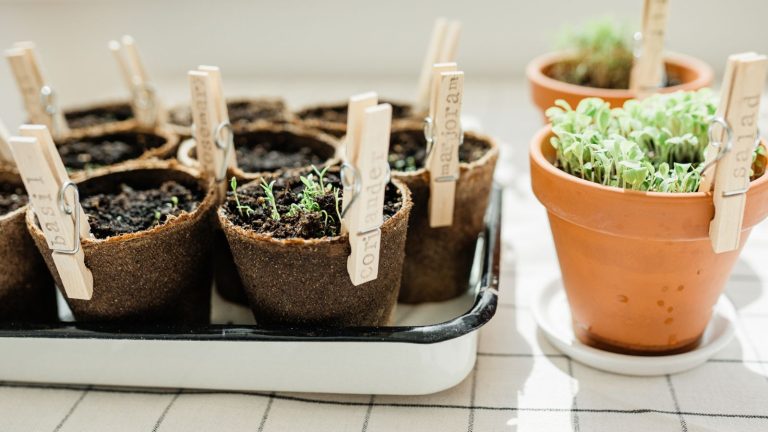
Most gardeners fold or roll strips of newspaper into small cylinders or boxes to make biodegradable seed-starting pots. These DIY pots are cost-free, easy to make, and break down right in the soil.
Once the seedlings sprout, you can plant the whole thing, pot and all, into the ground. This prevents transplant shock since you don’t have to disturb the roots. Tip: Use only black-and-white newspapers to minimize chemical residue exposure.
6. Make a Simple Mulch for Vegetable Gardens
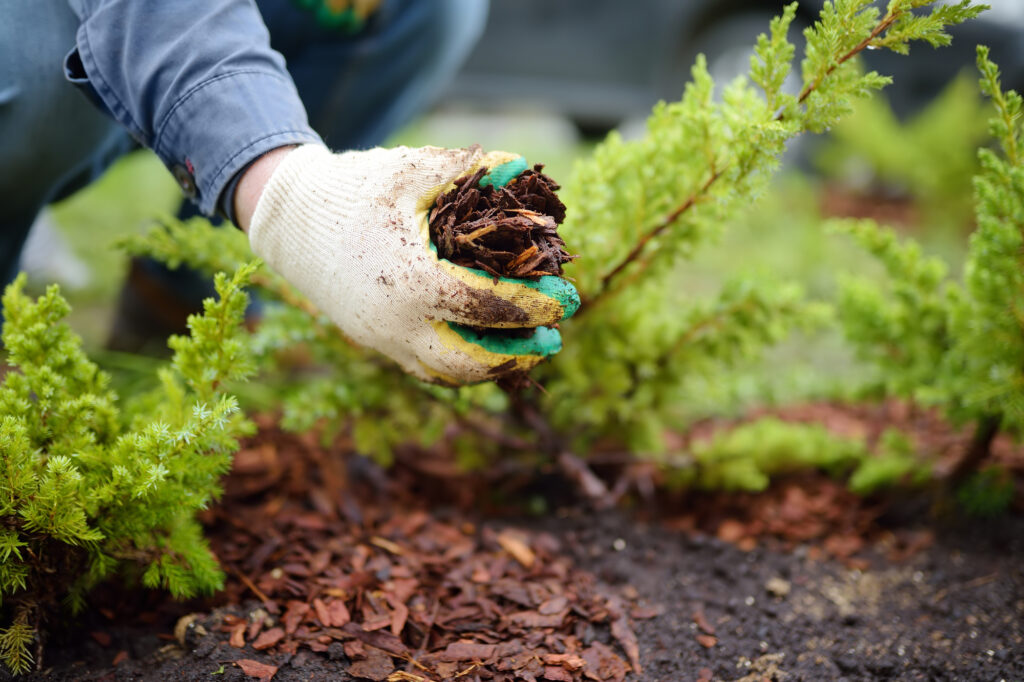
For vegetable gardens, newspaper can be a convenient and low-cost mulch option, especially when you’re short on straw or wood chips.
Lay 4 to 6 sheets of newspaper over the soil between your plants with a little space to allow them to breathe. Wet the newspaper to hold it to the ground and top it with a layer of compost, straw, leaves, or grass clippings for a tidier look and extra protection. You can always reapply when needed.
7. Absorb Excess Moisture in the Compost Bin
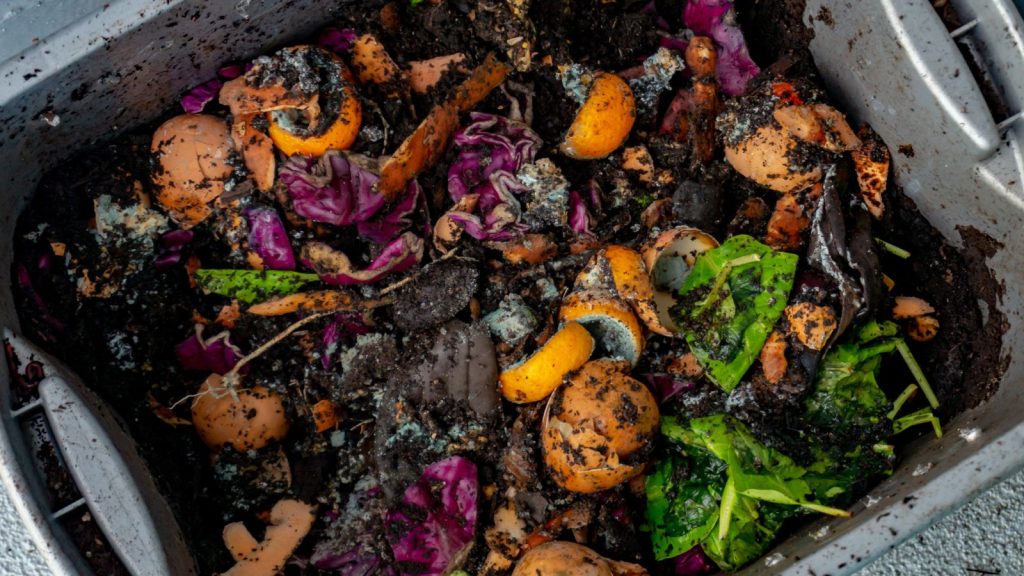
Compost bins require moisture for decomposition to begin, but sometimes, it can become a little too wet inside. Soggy compost smells bad and slows down the decomposition process. Adding crumpled or shredded newspaper will help soak up that extra moisture. Tear it into strips for best results, and mix it well into your bin or pile. Anytime your compost starts looking or smelling a little too wet and slimy, mix in some dry, torn-up newspaper.
8. Create Garden Bed Borders
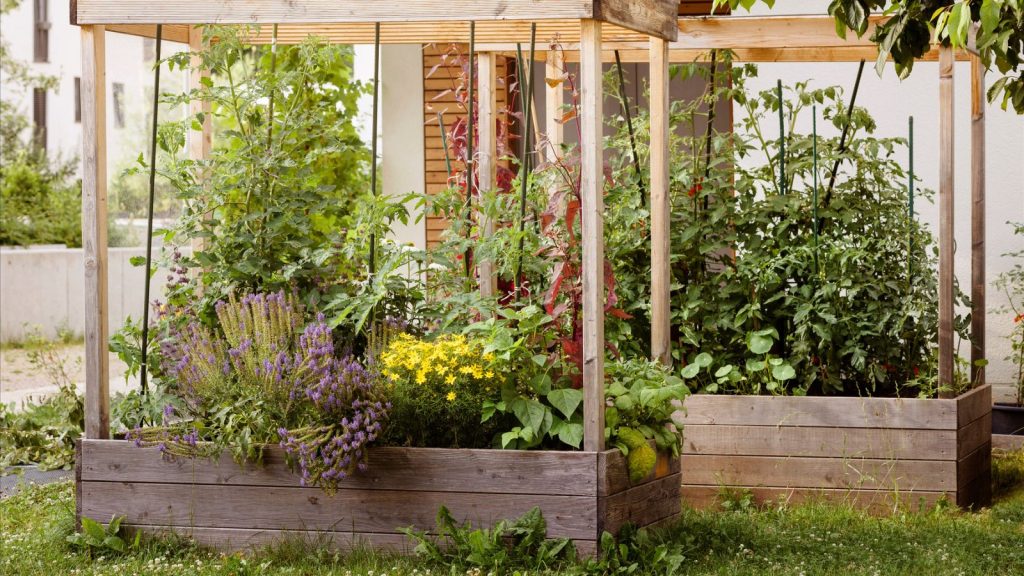
If your garden is next to lawns, creeping grasses might spread into your bed. You can use old newspapers as a barrier underneath brick, stone, or metal edging to prevent. Just lay several layers underneath the edges before setting your materials in place. The newspaper blocks growth temporarily, and by the time it breaks down, your border should be well-established and easier to maintain.
9. Clean Garden Tools

Crumpled newspaper is mildly abrasive and absorbent, making it great for wiping down dirty tools after a hard day in the garden. It can help remove dirt and moisture without scratching metal surfaces, and also keep your tools rust-free if you wipe them dry afterwards. Keep a stack of newspapers in your shed or potting bench so you can easily reach for them when needed.
10. Pest Control in the Garden

If slugs and snails have been a pain to manage, lay down sheets of newspaper around the base of your plants. The crinkly texture of newspapers will deter them, as they dislike crossing rough, crunchy surfaces.
11. Wrap Harvested Vegetables
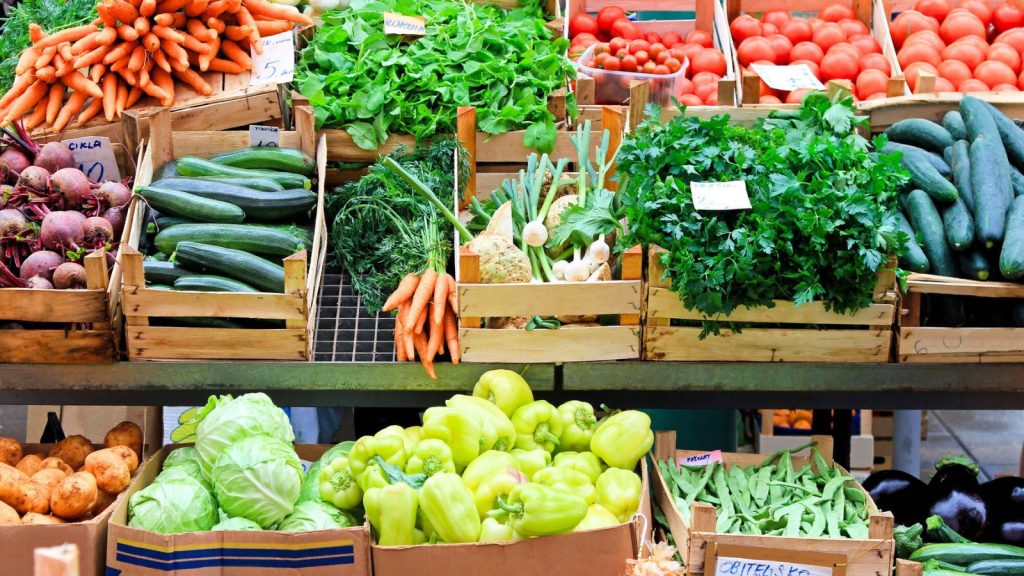
Once you’ve harvested root vegetables like
12. Insulate Plant Containers
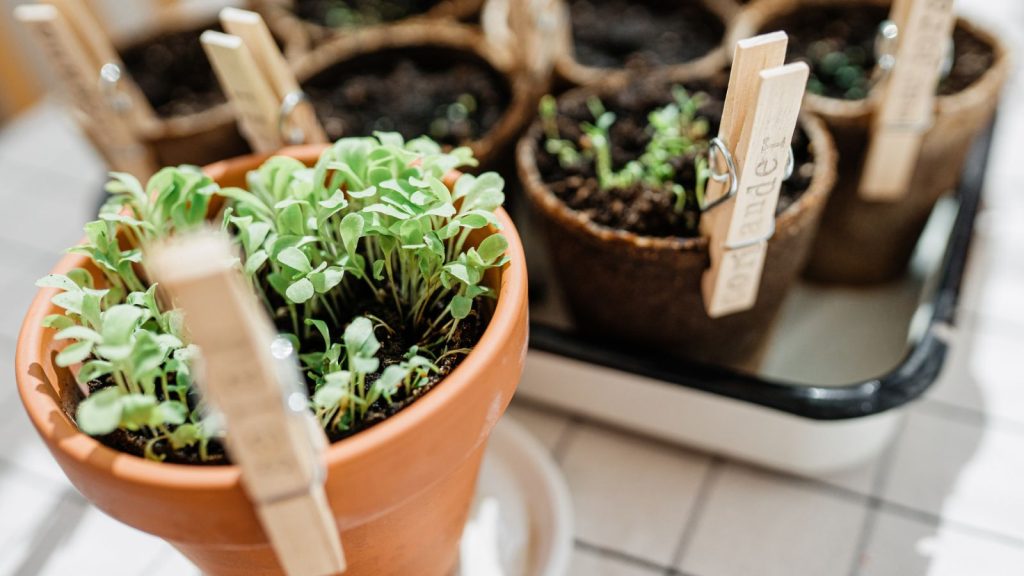
When it gets colder, you can wrap the outdoor pot in a few layers of newspaper to help insulate roots against sudden temperature drops. Hold the paper in place with twine, burlap, or even a larger decorative pot. This works well for overwintering herbs or perennials that might otherwise suffer from root damage in plastic or clay pots.
How to Make Newspaper Seed Starting Pots
13. Make an Instant Garden Path
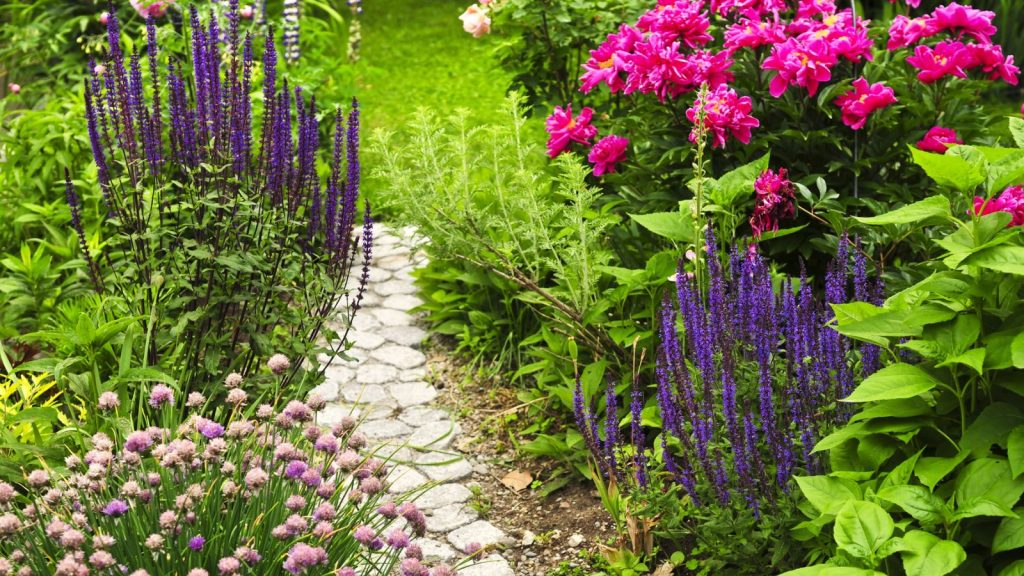
Sometimes, you need a pathway but don’t want to spend time and money maintaining a permanent one. You can make an instant garden path using a few layers of newspaper and wood chips. The paper will prevent grass and weeds from growing through, and the wood chips will give you a soft, walkable surface.
14. Protect Plants from Heavy Rain
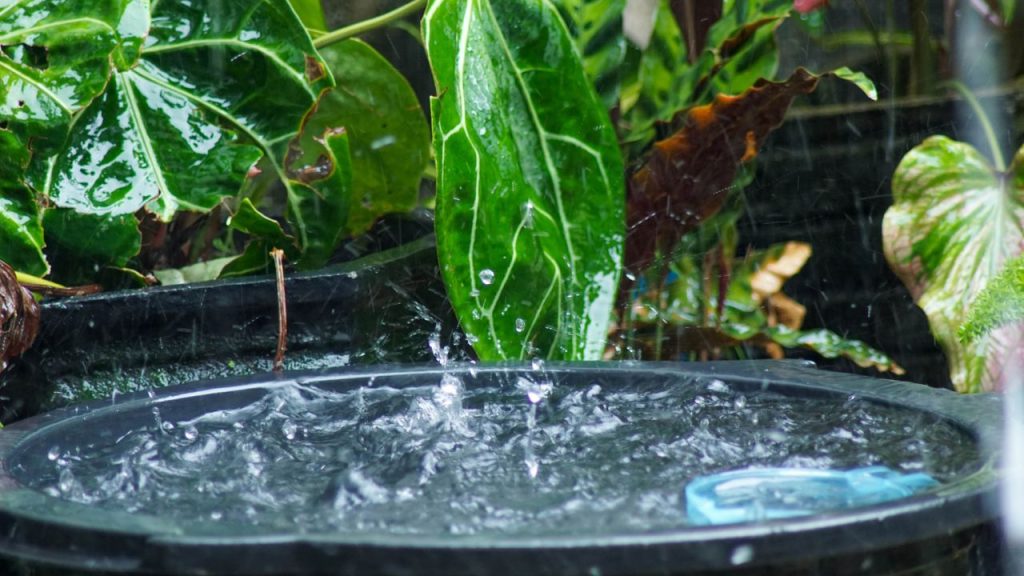
Heavy rainfall can wash off the soil and damage plants. But if you place a few layers of newspapers at the base of your plants, they can serve as a protective cover. This prevents the rain from pounding directly on the soil and keeps the ground from getting too soggy.
15. Make a Worm Bed
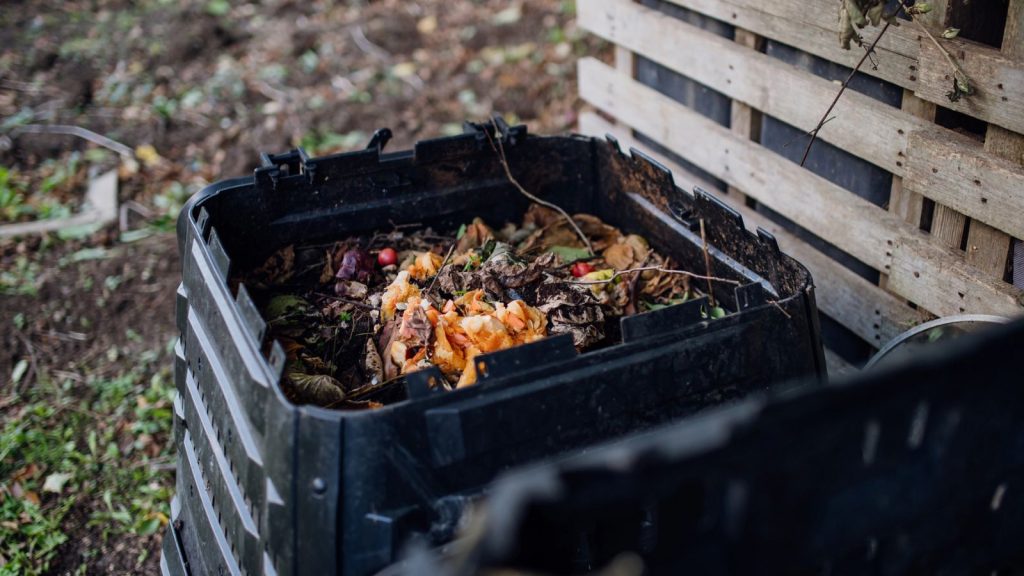
You can make a low-cost but inviting worm bed for your garden using newspapers. Tear up several sheets and place them in a shallow bin or directly in your garden. Add a bit of water to moisten the paper, and then cover with a few layers of compost or food scraps. The worms will come, and as they break down the paper, it will add organic matter to your soil..
16. Create a Budget Plant Support
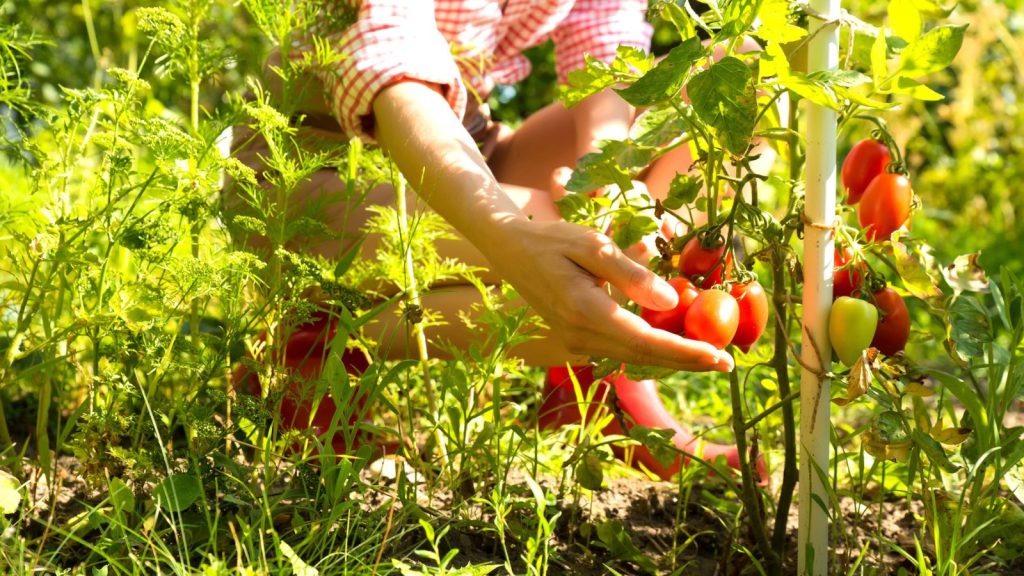
If you’re growing tall plants like tomatoes or beans, you can use newspaper to create cheap, temporary supports. Roll up several sheets of newspaper into thick tubes and place them next to your plants. As the plants grow, gently tie them to the paper supports. It’s a quick, inexpensive way to keep your plants upright without needing to buy pricey stakes or cages.
17. Absorb Oil and Grease Around the Garden

You can clean up spilled oil, grease, or other substances around your garden with newspaper. Lay down a few sheets of newspaper over the spill, then let it sit for a while to soak up the mess. Once it’s absorbed, you can dispose of the paper or compost it.
17 Best Materials to Fill the Bottom of Your Raised Garden Beds
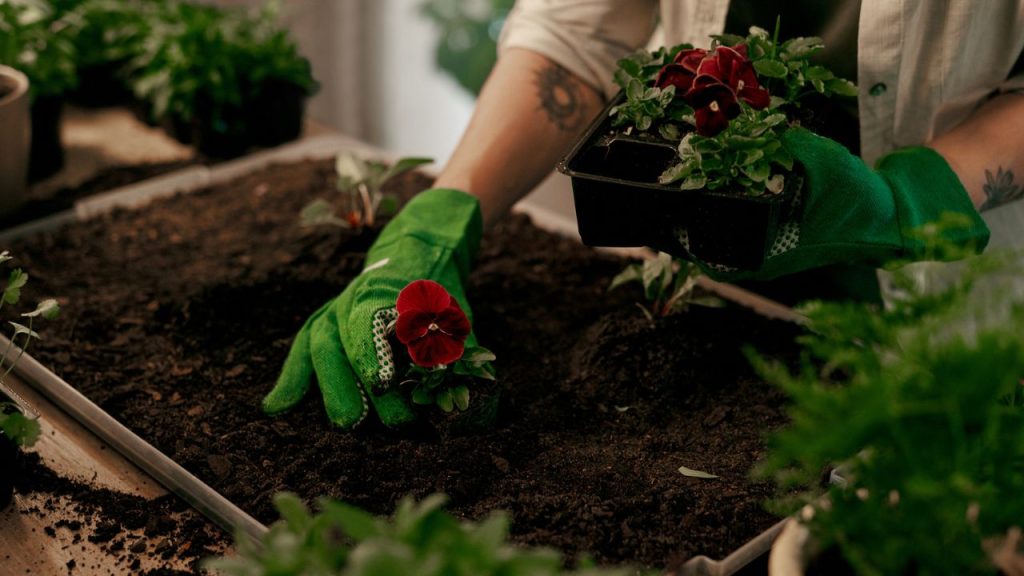
Below, you’ll find simple and budget-friendly ways to fill your raised garden bed—and get great results without overspending.
17 Best Materials to Fill the Bottom of Your Raised Garden Beds
Turn Yesterday’s Headlines Into Beautiful Newspaper Crafts

From handmade gift wrap to intricate paper art, newspapers can be repurposed in surprisingly beautiful and functional ways. Here are a few ideas to inspire your next project.
Turn Yesterday’s Headlines Into Beautiful Newspaper Crafts

Sandra Enuma
Sandra Enuma is a writer who's as comfortable with a trowel as she is with a keyboard. She’s passionate about sharing simple, down-to-earth tips to help you start and manage your own home garden, no matter your experience.