


Seramas are best known for two things: their extremely small size and their strong presence. Originating in Malaysia, they are considered the smallest recognized chicken breed in the world, with adults weighing anywhere from 6 to 15 ounces.
Despite their size, they are confident birds that stand out quickly, whether in a backyard flock or on the show table.
They were likely developed by crossing Japanese bantams with other small bantam breeds, resulting in a breed primarily bred for appearance and companionship rather than utility.
Distinctive Look and Carriage
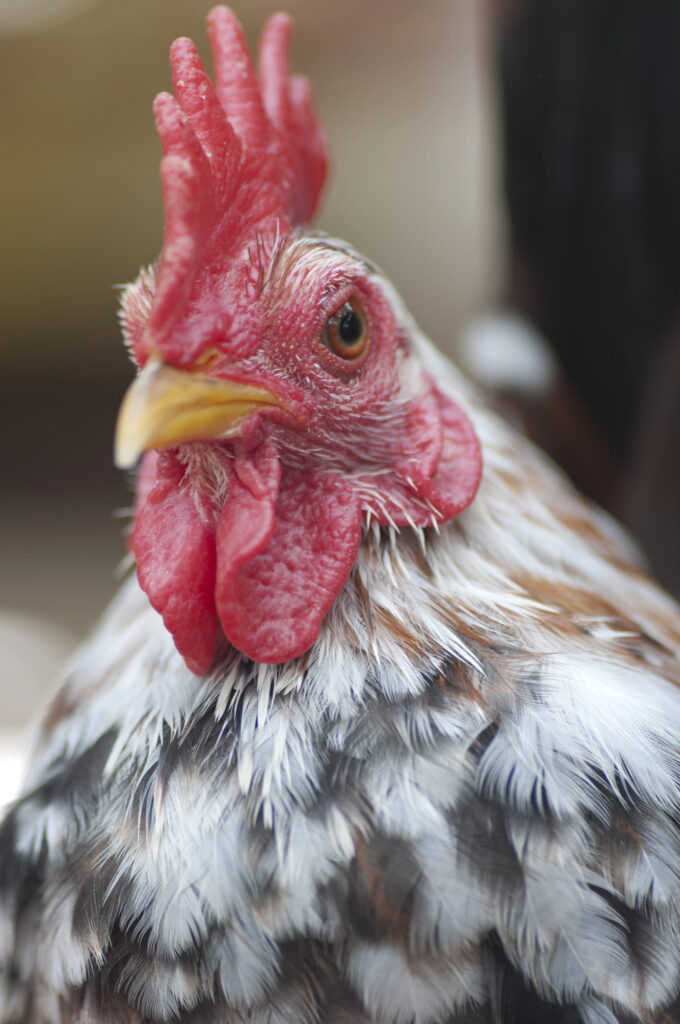
Seramas have a very recognizable posture. They carry a full, puffed chest, hold their wings downward so they nearly touch the ground, and keep their tail feathers upright and close to the body. This upright stance gives them a proud, balanced look that judges and enthusiasts admire.
They come in a wide range of colors and feather patterns, including smooth, silked, and frizzled varieties. Skin color may be white or yellow, and they have single combs, clean legs, and four toes.

Grab Your Chicken Record Keeping Planner
Take the guesswork out of managing your flock with this all-in-one Planner! This 45-page printable bundle helps you track egg production, maintain bird health, organize coop chores, and stay on top of your poultry finances—all in one place.
$17
Egg Production and Broodiness
While Seramas are classified as ornamental, they are surprisingly capable layers for their size. Hens typically lay about 4 tiny cream- or lightly tinted eggs per week, often starting around 5 months of age. Because the eggs are so small, it takes about four Serama eggs to equal one standard large egg.
Serama hens are also known for being very broody. They readily set eggs and are attentive mothers, often raising chicks with enthusiasm. Chicks hatch faster than most breeds, usually around 16 days, and mature quickly.
Temperament and Pet Qualities
One of the biggest reasons people are drawn to Seramas is their personality. They are known for being especially docile, friendly, and interactive. Many enjoy being handled and will follow their owners around, perch on shoulders, or sit nearby during daily activities.
They tend to be social and vocal, with hens often “talking” to their eggs and chicks. Noise levels are moderate overall, though their chatter is part of what many owners find endearing.

Housing, Space, and Care
Because of their small size, Seramas require less space than standard chickens, usually around 2½–3 square feet per bird, though more space is always better. They handle confinement well and can even be kept indoors in secure enclosures, similar to large bird cages.
Predator protection is critical. Their size makes them vulnerable, so coops should be built with hardware cloth rather than chicken wire. It’s also best not to house Seramas with larger chicken breeds, as they can be easily bullied.
Cold tolerance varies by bloodline, but many Seramas need extra protection in winter. Some keepers use heated brooders or indoor housing during colder months. Heat tolerance is generally good.
10 Chicken Coop Ideas and Plans
Feeding and Nutrition
Layer crumble works best for Seramas, as standard pellets are often too large for them to eat comfortably.
Their diet can be supplemented with fruits, vegetables,
Showing Seramas
Seramas have a unique place in poultry shows and are often featured in dedicated classes or events.
In addition to standard cage judging, they are known for tabletop showing, where birds are encouraged to pose, strut, and display their posture on a table. Roosters tend to excel at this, as they are more likely to show off their stance and behavior.
A Breed Chosen for Enjoyment
Seramas are often chosen for companionship, personality, and visual appeal. For keepers who enjoy interaction, showing, or simply spending time with their birds, Seramas offer something genuinely different.
They require a bit more consideration due to their size, but for many chicken keepers, the experience of raising and living with Seramas is well worth the effort.