When you’re building a backyard flock, it’s easy to fall in love with flashy feathers, quirky crests, or the promise of an abundance of eggs. But if you’re a homesteader or backyard chicken keeper, practicality should be at the forefront of your mind, rather than looks or productivity. Not every chicken breed is a good match, and some are so high-maintenance or temperamental that they’ll leave you wondering what you got yourself into.
We don’t mean to knock these breeds altogether – they have their place in specialist breeding programs, show circuits, or large-scale production facilities. But if you’re looking for hardy, low-fuss chickens that lay well, get along with others, and won’t cause you daily headaches, these are the breeds to think twice about before bringing them home.
1. Malay

Standing at 2 feet high or more, the Malay chicken is one of the tallest chicken breeds in the world. While they’re certainly an impressive sight, their giant stature comes with an aggressive temperament – not what you want in a backyard pet! They’re poor layers, require a lot of space to roam, and are known to be bullies in mixed flocks – definitely not one to add to your feathery wish list.
2. Modern Game
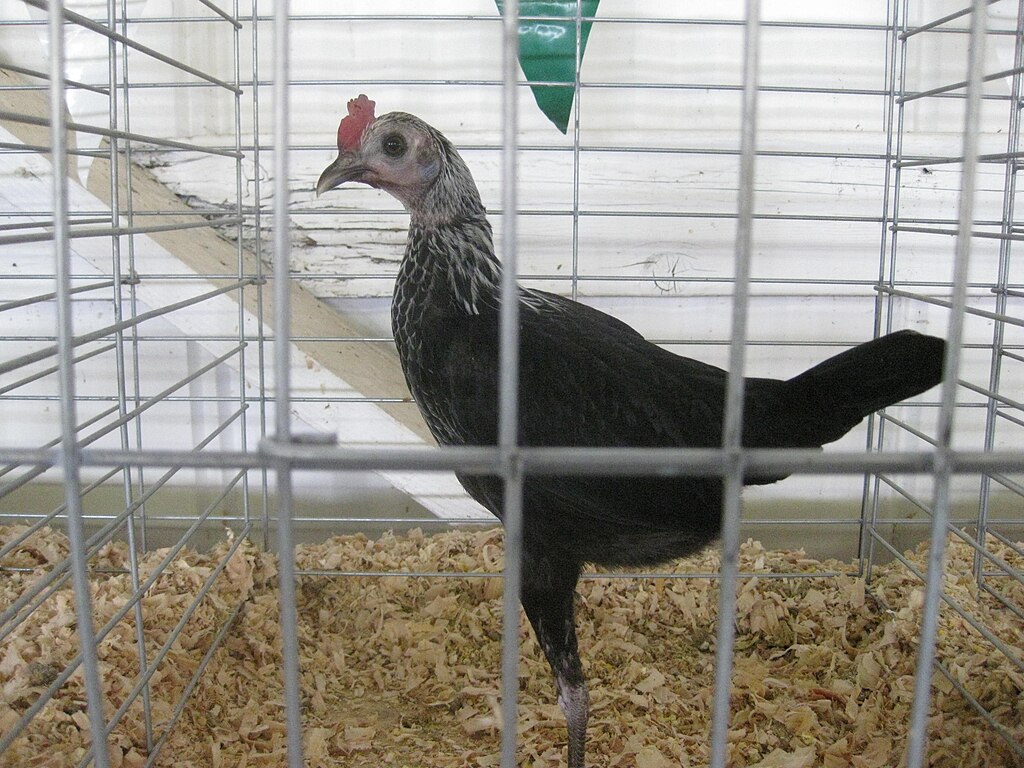
The Modern Game chicken may have the statuesque appearance of a fashion model, but unfortunately, it’s all looks and no practicality. These birds are normally bred for exhibition, not production, and don’t lay many eggs. They’re also flighty, nervous, difficult to handle, and are best left to the experts to rear.
3. Polish
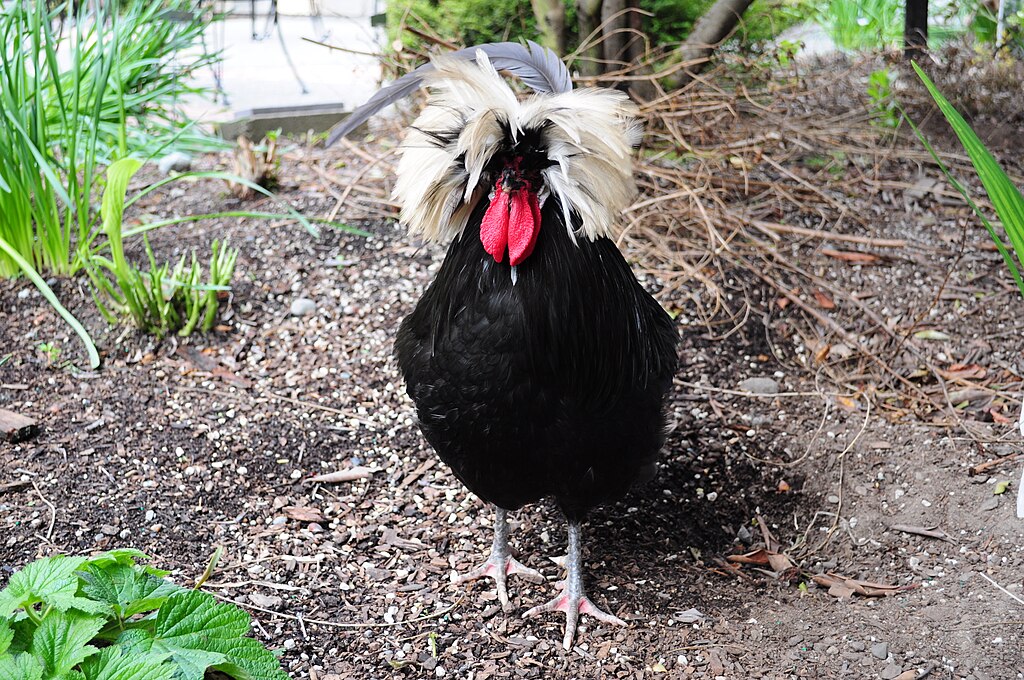
Polish chickens are instantly recognizable thanks to their extravagant crest of head feathers, but their delightful headdress makes them an easy target for predators. They need a secure coop and run with good protection from wet and cold weather, and should not be kept with other chicken breeds due to the risk of bullying. Polish chickens lay well, but their flighty nature makes them difficult to care for.
4. Yokohama

Who wouldn’t look at this magnificent chicken and think ‘I want one’! The Yokohama chicken is a stunning ornamental breed with incredibly long, flowing tail feathers, but with beauty comes a burden.
These chickens require meticulous care to keep their plumage clean and undamaged. They’re also poor egg layers, do not tolerate cold weather well, and are best left to ornamental chicken breeders.
5. Sumatra
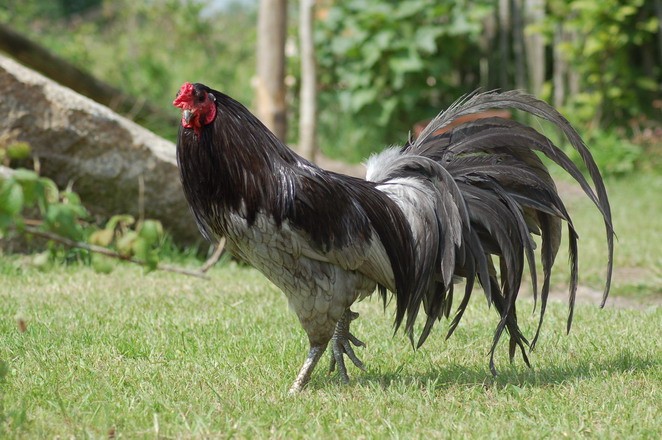
With glossy black feathers and magnificent spurs, the Sumatra chicken looks like something out of a fantasy novel. However, Sumatras behave more like wild birds than domestic poultry and don’t cope well with confinement. They are agile fliers, excellent escape artists, and have an aloof or even aggressive temperament.
6. Phoenix
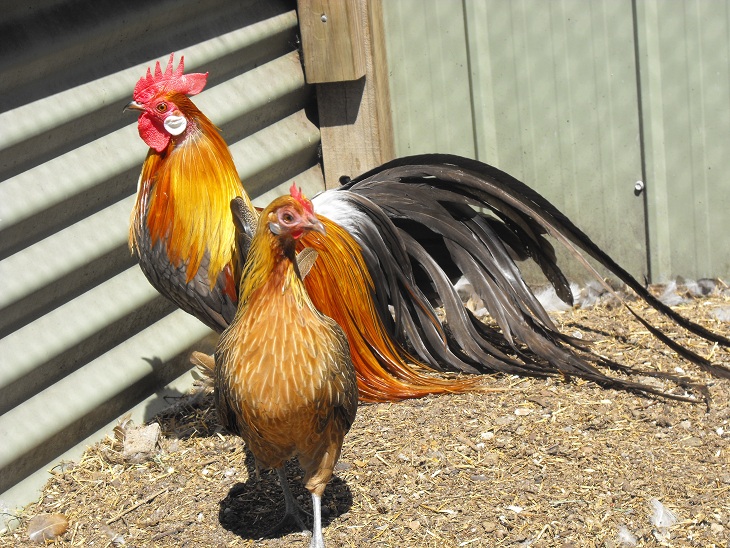
The extra-long tail feathers of the Phoenix chicken may look spectacular, but they’re also very high maintenance. These beautiful birds require a specialized setup, including elevated perches and spacious coops that are kept meticulously clean. Their stunning appearance might win them prizes at poultry shows, but low egg production means they’re far from practical for everyday chicken keepers.
7. ISA Brown (and other high-production hybrids)
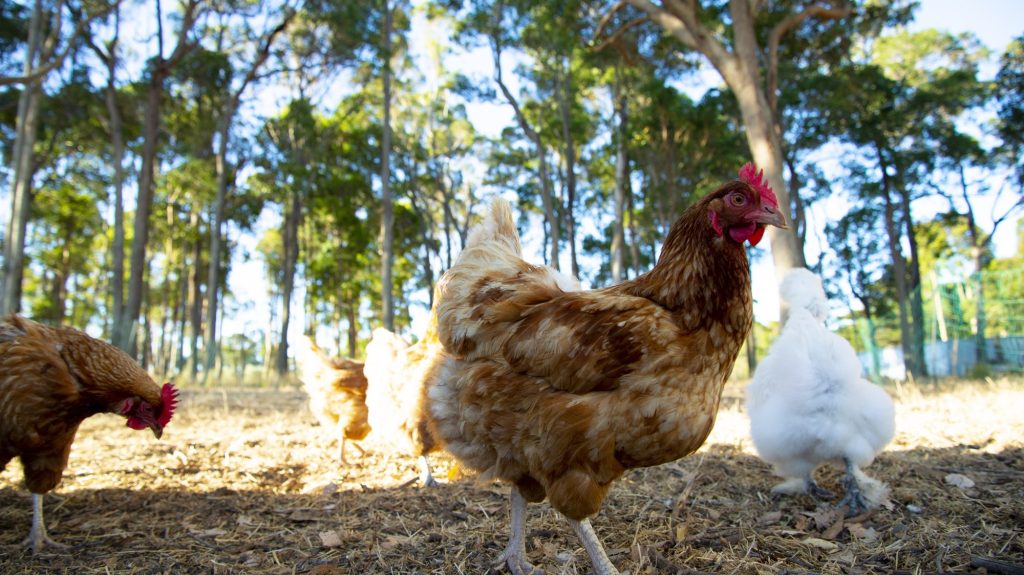
This choice might raise some eyebrows, but let me explain! The ISA Brown is often marketed as the perfect beginner bird, and it’s true that they’re friendly, easy to handle, and lay a stunning number of eggs. But what most people don’t hear is the downside: their productivity comes at a cost.
ISA Browns are bred for commercial efficiency. After their first 18 to 24 months of laying, their egg output drops sharply, and many begin to experience reproductive issues. For me, their shortened lifespan and susceptibility to burnout can be heartbreaking; we prefer to raise birds with longer, healthier lives. If you’re looking for a productive hybrid that lays for several years, Easter Eggers are a great alternative.
8. Spanish White-Faced
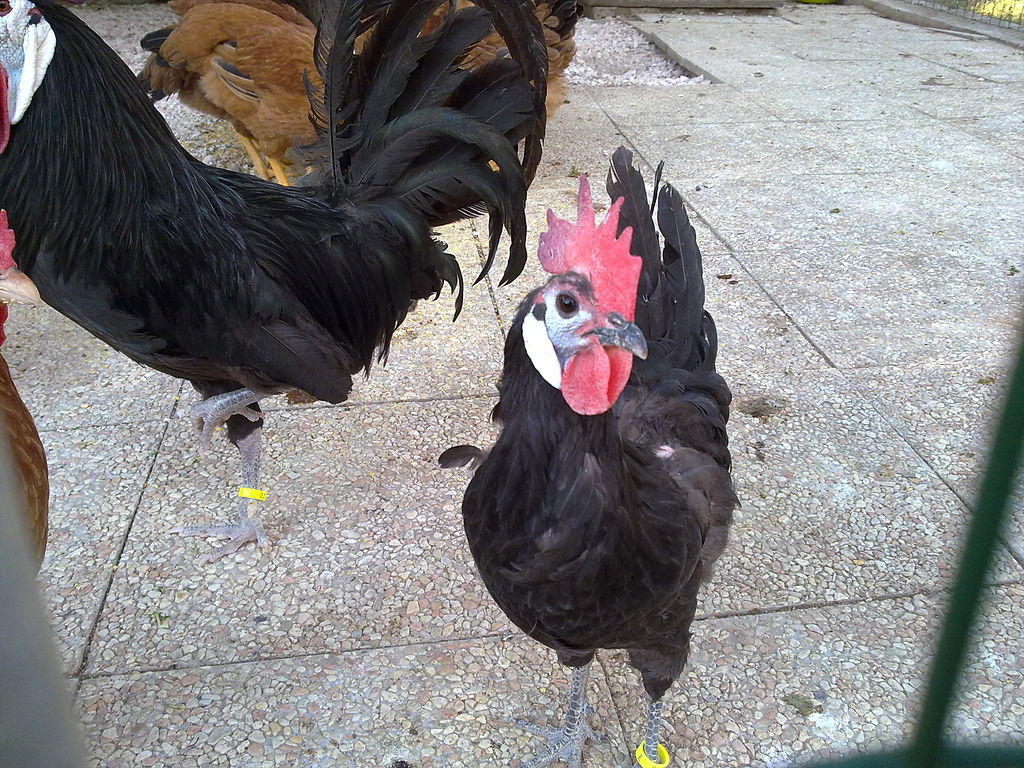
Spanish White-Faced chickens are especially vulnerable to cold, and their large combs and wattles make them prone to frostbite. They’re also known to be skittish and hard to tame. While they lay a decent number of white eggs, their sensitivity to weather and nervous disposition can be a dealbreaker for homesteaders.
9. Campine
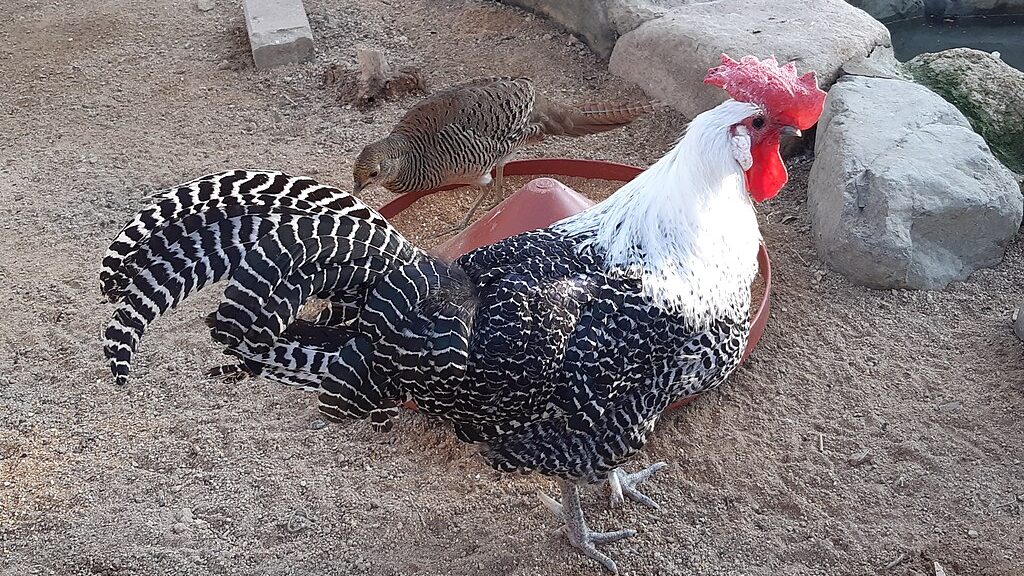
Campine chickens dislike confinement and need plenty of space to roam, making them ill-suited to backyard coops or smaller homesteads. While these hardy birds lay a fair number of white eggs, they’re notoriously flighty and difficult to handle, and their independent nature and restlessness can frustrate even experienced flock owners.
10. Lakenvelder

The Lakenvelder is a visually striking chicken with a black head and tail on a white body, but this beautiful breed is notoriously nervous and dislikes being confined. Their skittish behavior can create a restless flock environment, which is especially problematic if you have children or enjoy interacting with your birds. They also aren’t heavy egg producers compared to other popular chicken breeds.
11. Appenzeller Spitzhauben
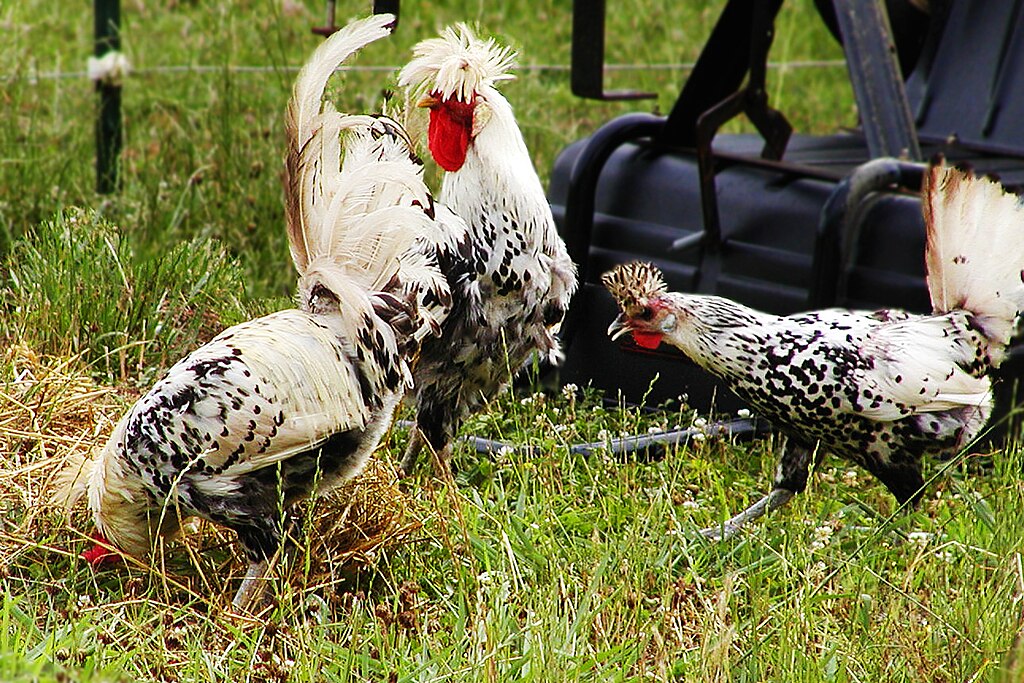
Appenzeller Spitzhauben chickens are excellent foragers and love to explore, but they hate being handled and don’t tolerate confinement well. Unless you have a ton of space and don’t mind a more independent flock, this majestic Swiss breed is probably not a great choice.
12. Sicilian Buttercup
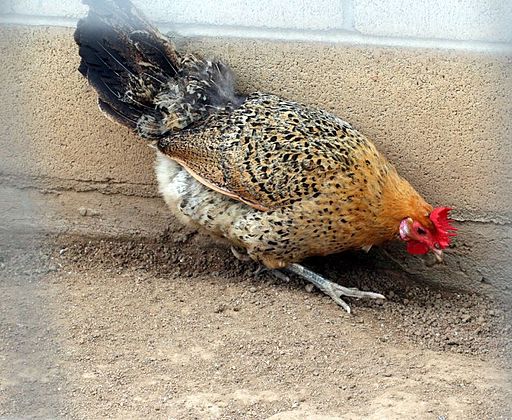
I’ve got to admit, I’m secretly hankering after a few of these gorgeous chickens! However, I’m holding off as the Sicilian Buttercup has a reputation for being highly energetic and skittish, and would potentially disrupt my chilled-out Brahma hens. Listed as ‘threatened’ on the Livestock Conservancy, heritage conservation breeders are valiantly trying to keep Buttercup chickens off the extinction list.
13. Sebright

Sebrights are delicate bantam chickens that often struggle with health issues linked to poor living conditions or inadequate coop maintenance. Despite their tiny size, they can also be feisty, making caring for them a challenge.
14. Leghorn

The Leghorn chicken is a legendary layer, but what works for industrial farms doesn’t always translate well to the homestead. Leghorns are incredibly flighty, don’t enjoy being handled, and are hard to catch if they get loose. Unless you’re after a sky-high egg count and don’t mind chasing your chickens, Leghorns are often more stress than they’re worth in a backyard setting.
15. Rhode Island Red
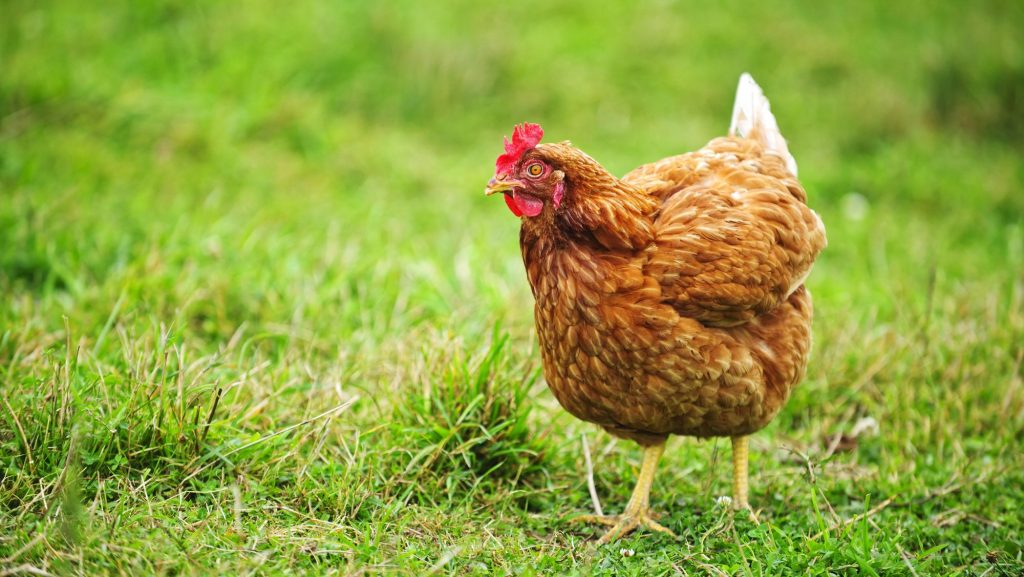
The Rhode Island Red is often recommended as a top-tier dual-purpose bird, but their temperament can vary wildly depending on the strain. Modern Rhode Island Reds have a reputation for being bossy and, in the case of roosters, aggressive.
If you can, source chicks from a hatchery breeding heritage-type Rhode Island Reds, as they tend to be more mellow and manageable.
Grab Your Chicken Record Keeping Planner
Take the guesswork out of managing your flock with this all-in-one Planner! This 45-page printable bundle helps you track egg production, maintain bird health, organize coop chores, and stay on top of your poultry finances—all in one place.
$17
The Best Animals to Raise on Your Homestead That Aren’t Chickens
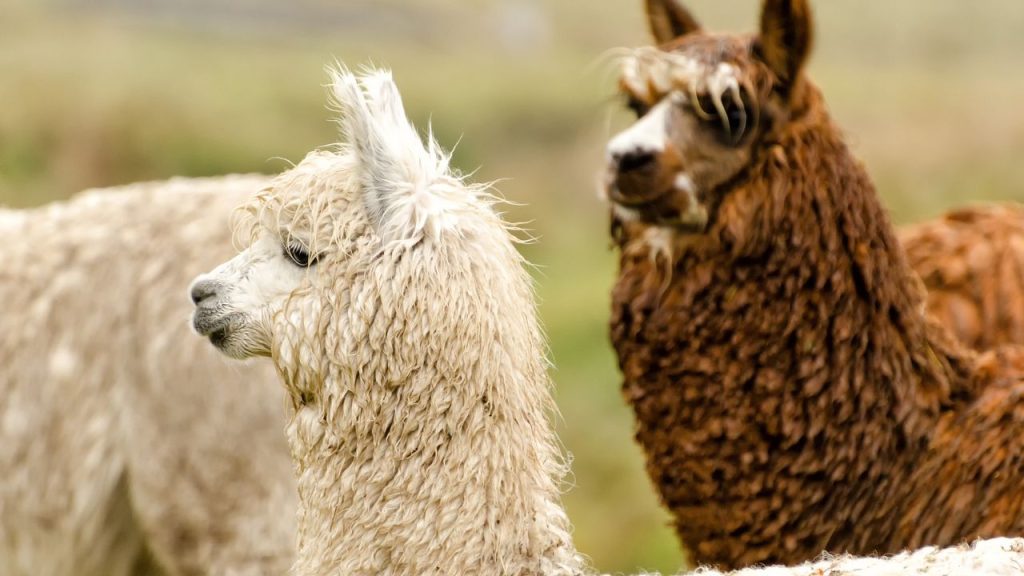
If you are looking for animals to raise on your homestead beyond chicken, here are 14 that we’ve rounded up.
The Best Animals to Raise on Your Homestead That Aren’t Chickens
19 Things You Should Know Before Getting Chickens

Before you jump into the world of chicken-keeping, there are a few essential things to know. Here’s our comprehensive guide of 19 essential tips to help you become a confident and successful chicken owner!
19 Things You Should Know Before Getting Chickens
How to Raise Your Own Chickens

Here’s a guide on how to raise your own chickens to lay eggs and eat meat.
How to Raise Your Own Chickens

Kate Chalmers
Kate is a passionate gardener who has a keen interest in all things related to homesteading and sustainability. She resides in Portugal with her husband and menagerie of animals and has over 15 years of experience in the UK veterinary industry. In 2020, Kate and her husband took on a dilapidated Portuguese house and abandoned olive grove, turning it into an abundant food forest and home for nature.
Life on the homestead is never the same from one day to the next, and Kate has mastered many skills that she is keen to pass on to anyone with an interest in becoming more self-sufficient. Kate believes that living a sustainable lifestyle is the key to happiness and fulfillment and that everyone can make simple changes that connect us back to nature and reduce our impact on the planet.