
Finding the right waterer for your chickens might seem simple—until you realize just how messy chickens can be. Between the scratching, pecking, and flapping, water often ends up dirty or spilled, leaving your flock with less to drink and more cleanup for you. And when waterers aren’t designed well, they can become a magnet for bacteria, bugs, and even rodents.
Whether you’re caring for a small backyard flock or a growing homestead, choosing a clean, efficient, and low-maintenance waterer makes a big difference. From DIY setups to hands-off automatic systems, there are plenty of options out there to keep your chickens hydrated and your coop cleaner.
To help you find the best fit, I’ve rounded up some of the most practical and popular chicken waterer ideas—along with the pros and cons of each—so you can pick the one that works best for your setup.
1. Automatic Water Dispenser with Float Valve

This automatic chicken waterer uses gravity or a float valve system to refill the drinking container. They are ideal for busy chicken keepers who prefer a more hands-off approach to watering.
Although this system can be expensive to set up, it helps minimize waste and ensure your chickens always have fresh water.
2. Farm Tuff Durable Top Fill Hanging Waterer

Hanging waterers are elevated off the ground, helping to keep your chickens’ water supply clean and free from contamination.
This style of automatic waterers are easy to refill and maintain simply by filling from the top of the waterer. And, if made from galvanized steel or plastic, it is a durable option for backyard chicken keepers with chickens, geese, or ducks.
3. Chicken Nipple Waterers
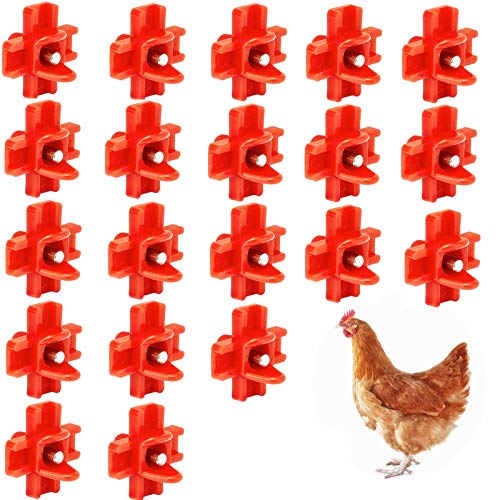
Nipple waterers provide clean, fresh water directly from a valve that chickens peck to release water. The nipple valves prevent water spillage and help to reduce the growth of algae and bacteria, ensuring a steady, clean water supply that keeps your flock hydrated and healthy.
4. Heated Chicken Waterer

Heated waterers are perfect for colder climates where icy temperatures can prevent chickens from accessing water.
These poultry waterers feature built-in heating elements to prevent freezing, ensuring your chickens always have fresh water in winter. They are generally easy to use and come in various sizes, from small capacity to large options for bigger flocks.
5. Cup Waterers

Cup waterers feature small cups that hold water, either attached to a water barrel or directly to a piped water system.
The chickens drink by pecking at a valve or nipple in the cup, helping to minimize waste and ensure your flock always has access to fresh water. This type of chicken watering system is easy to maintain and ideal for smaller flocks or those with limited space.
6. Vertical Waterers

Vertical waterers utilize a gravity-fed system that dispenses water as the chickens drink. They are great space savers, making them ideal for smaller coops or areas with limited space.
These waterers are efficient and easy to refill, though they require regular cleaning to prevent blockages and reduce contamination.
7. DIY Waterer Kits

DIY waterer kits offer a customizable option for those who want to build their own watering system. They typically have the necessary components to create a gravity-fed or automatic watering system.
Perfect for homesteaders who like a hands-on approach, these kits let you tailor the waterer to your specific flock’s needs.

Kate Chalmers
Kate is a passionate gardener who has a keen interest in all things related to homesteading and sustainability. She resides in Portugal with her husband and menagerie of animals and has over 15 years of experience in the UK veterinary industry. In 2020, Kate and her husband took on a dilapidated Portuguese house and abandoned olive grove, turning it into an abundant food forest and home for nature.
Life on the homestead is never the same from one day to the next, and Kate has mastered many skills that she is keen to pass on to anyone with an interest in becoming more self-sufficient. Kate believes that living a sustainable lifestyle is the key to happiness and fulfillment and that everyone can make simple changes that connect us back to nature and reduce our impact on the planet.