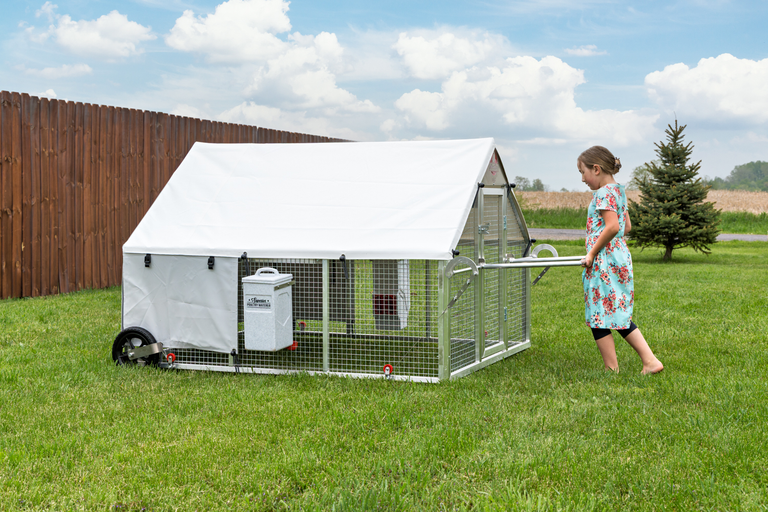
There’s something special about opening the nesting box and finding a basket filled with green eggs. They stand out right away and add a little extra fun to collecting eggs each day.
Many people are surprised to learn that green eggs come from certain chicken breeds and crosses that naturally produce them. The color comes from pigments added as the shell forms, giving the eggs shades that range from soft sage to deep olive green.
The eggs themselves aren’t any different from white or brown eggs in taste or nutrition. What makes them special is the color and the unique breeds that lay them.
If you’re building a backyard flock and want a more colorful egg basket, these chickens are some of the most popular green egg layers around.
Easter Egger
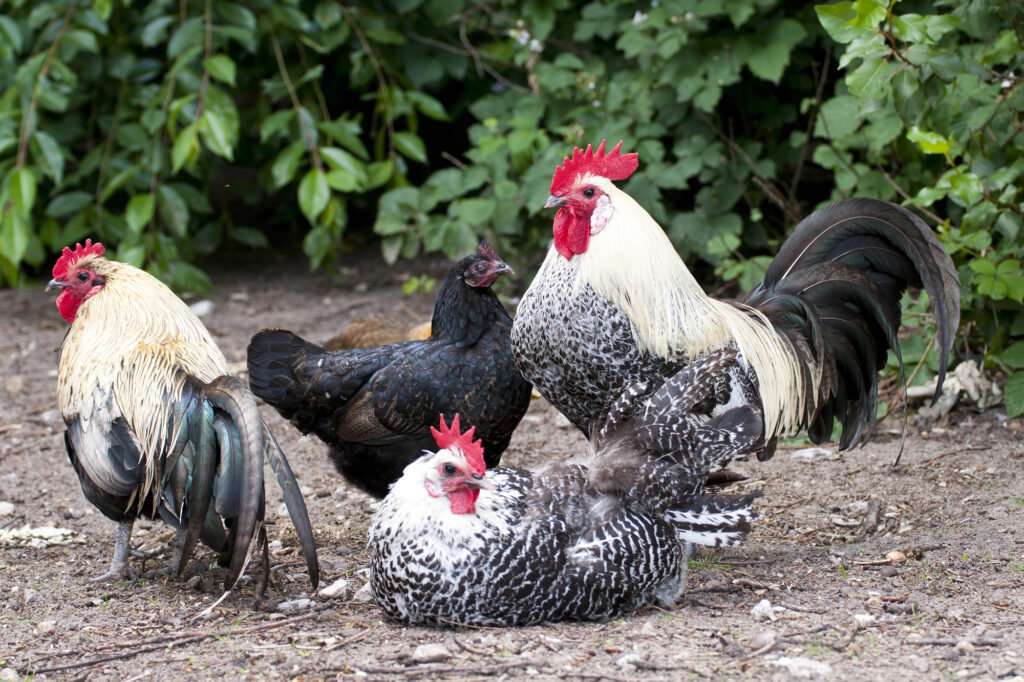
Beloved for their variety of colors, Easter Egger hens are not a pure breed, but a hybrid chicken often descended from Ameraucana chickens or Araucana chickens.
These birds are famous for producing eggs in shades of green, blue, and even pink eggs. With friendly dispositions and a yearly output of over 250 chicken eggs, they’re a good choice for backyard flocks. However, because they’re a mix, you won’t get consistent egg colors or traits when hatching their chicks.
Olive Egger

A cross between blue egg layers like Ameraucana and brown egg-laying breeds such as Marans, Olive Egger chickens are bred specifically for their signature olive-colored eggs.
Thanks to the layering of a blue egg gene and brown color, these hens lay rich olive green eggs that stand out in any egg carton. Hardy and adaptable, they do well in various climates.
Ice Cream Bar
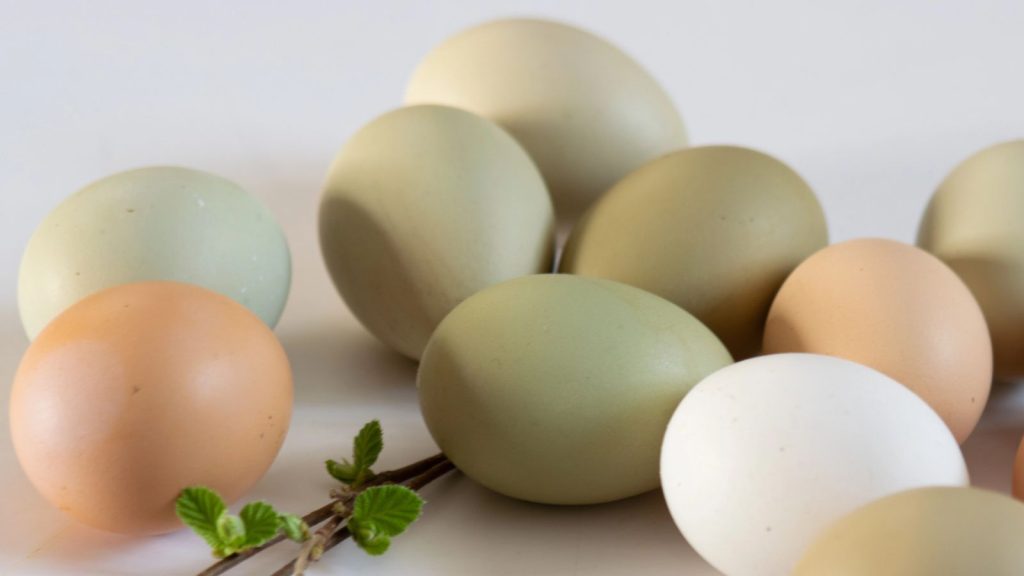
One of the more whimsically named hybrid breeds, Ice Cream Bars are the result of crossing Cream Legbar chickens with Isbars.
These birds lay colorful eggs in pastel tones—think soft green and pale blue. With a friendly temperament and curious nature, they’re ideal for families or those who enjoy spending time with their flock.
Isbar

Originating in Sweden, the Isbar (pronounced “ice-bar”) is one of the few blue egg-laying breeds that is also a pure breed. These chickens lay soft green eggs and tolerate cold weather well. Known for being excellent foragers, they thrive in free range setups and offer both charm and utility.
Starlight Green Egger

Another hybrid breed, the Starlight Green Egger is often created by crossing Rhode Island Reds or other brown egg layers with blue egg layers like the Ameraucana. The result? Chickens that produce bold green egg layers with a calm personality and steady egg production.
Whiting True Green
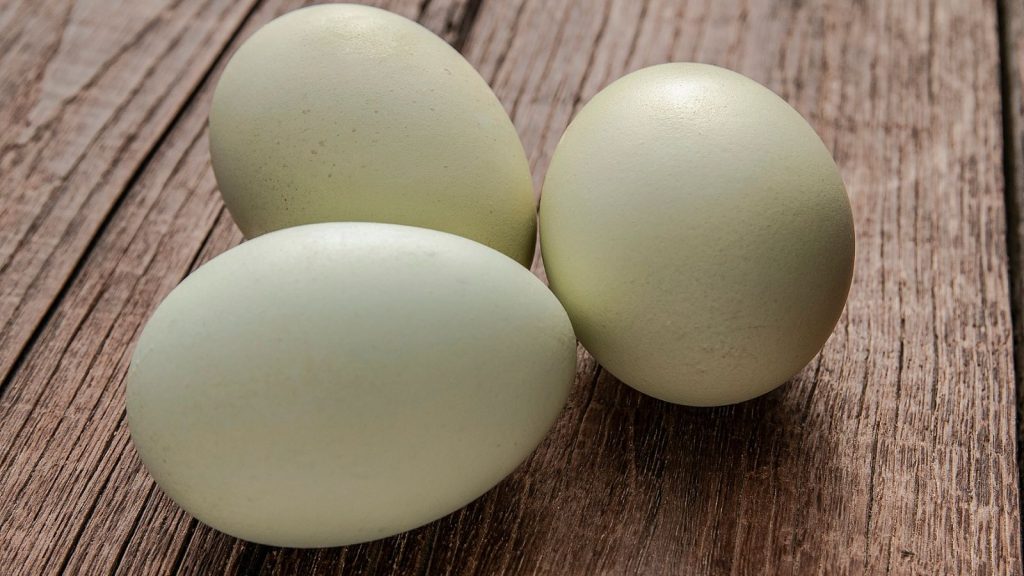
Bred for consistent egg color, the Whiting True Green is known to lay a uniform shade of green across the flock. Developed from Whiting True Blue lines, these birds bring reliable green eggshell color and are great for those who want a dependable source of olive eggs.
Green Queen

Another colorful character in the coop, the Green Queen is an offshoot of the Easter Egger line and often includes genes from Ameraucana chickens. These birds lay a spectrum of green eggs and are known for their friendly dispositions, making them a popular choice for backyard chicken keepers who want unique eggs in different shades.
Araucana

With their tufted ears and tailless appearance, Araucana chickens are truly one of a kind. Native to South America, they carry the original blue egg gene and are responsible for the development of many green egg layers today.
While they lay beautiful blue eggs that can shift toward green when combined with other genetics, they’re also known for being a bit flighty—so a secure coop is a must.
Ameraucana

Often confused with their Easter Egger cousins, Ameraucana chickens are a recognized breed of chicken by the American Poultry Association.
They lay blue-green eggs with a soft tint, and their friendly, cold-hardy nature makes them perfect for homesteads and small farms. Unlike hybrids, Ameraucana traits are more predictable and consistent.
Cream Legbar

The Cream Legbar is a British-born blue egg-laying chicken known for its single comb and sleek look. While they’re best known for beautiful blue eggs, crossing them with brown egg-laying breeds can result in green-tinted eggs.
These birds are also auto-sexing—meaning you can tell males from females at hatch—a handy trait for breeders.
Favaucanas

A newer name in the world of green egg layers, the Favaucana is a cross between the fluffy Faverolles and the Ameraucana.
These hybrid chickens produce cream eggs in colors like olive, sage, and light blue. With their fluffy beards and friendly personalities, they’re a great addition to flocks that need a little personality and flair.
19 Things You Should Know Before Getting Chickens

Before you jump into the world of chicken-keeping, there are a few essential things to know. Here’s our comprehensive guide of 19 essential tips to help you become a confident and successful chicken owner!
19 Things You Should Know Before Getting Chickens
The Best Animals to Raise on Your Homestead That Aren’t Chickens
If you are looking for animals to raise on your homestead beyond chicken, here are 14 that we’ve rounded up.
The Best Animals to Raise on Your Homestead That Aren’t Chickens
How to Raise Your Own Chickens

Here’s a guide on how to raise your own chickens to lay eggs and eat meat.