Preparing for emergencies doesn’t always mean spending hundreds of dollars on brand-new gear. In fact, many experienced preppers regularly shop at thrift stores because they know you can find durable, practical items for a fraction of retail prices.
Goodwill is one of the best places to build emergency supplies without stretching your budget. From camping gear to kitchen tools, plenty of secondhand items still have years of life left in them. With a little patience, you can put together a reliable stockpile while saving quite a bit of money.
Here are 16 prepper essentials worth watching for the next time you visit Goodwill.
Boots
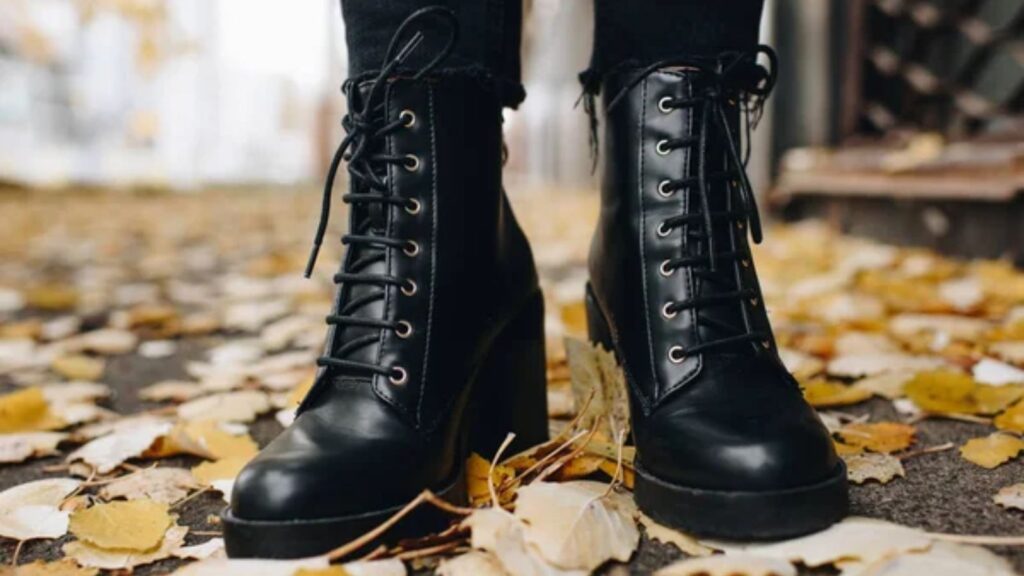
A dependable pair of boots is one of the most useful things you can own during an emergency. Whether you’re clearing storm debris, hiking, or working outdoors, good footwear protects your feet and keeps you moving.
Look for leather or heavy-duty hiking boots with solid soles and plenty of tread. A little wear is fine, but avoid pairs with cracked soles or damaged stitching.
Related: 10 Canned Beans Every Emergency Pantry Should Have
Backpacks
A quality backpack is useful for bug-out bags, camping, travel, or simply storing emergency supplies.
Goodwill often has school backpacks, hiking packs, and travel bags at low prices. Check the straps, zippers, and seams to make sure everything is in good condition before buying.
Flashlights
You can never have too many flashlights. Keep them in bedrooms, vehicles, workshops, and emergency kits so there’s always one within reach during a power outage.
Battery-powered and rechargeable models both show up regularly at thrift stores. Just test them before purchasing if possible.
Cast Iron Cookware
Cast iron cookware has earned its reputation for a reason. It works on almost any heat source, including campfires, grills, wood stoves, and gas ranges.
Even rusty pans can usually be restored with a little effort, making secondhand cast iron one of the best bargains in any thrift store.
Related: 23 Long-Lasting Foods That Are Perfect for Emergency Storage
Camping Gear
Camping equipment is built for outdoor living, which makes it useful during emergencies as well.
Keep an eye out for tents, sleeping bags, lanterns, camp stoves, cookware, sleeping pads, and folding camp chairs. Buying these items secondhand can save a substantial amount compared to purchasing them new.
Books
Books remain one of the most dependable sources of information because they don’t rely on electricity or internet access.
Look for books covering gardening, food preservation, first aid, home repairs, survival skills, fishing, hunting, animal care, woodworking, and basic mechanics. A well-stocked bookshelf can be every bit as valuable as a well-stocked pantry.
Homeschooling Materials
Educational supplies aren’t just useful for homeschooling families. Workbooks, dictionaries, science books, atlases, and math resources can all be valuable if schools are closed or internet access becomes unavailable.
Goodwill often has shelves full of inexpensive learning materials for every age group.
Related: 39 Foods You’ll Wish You Had Stocked Before an Emergency
Durable Clothing
Heavy jackets, flannel shirts, work pants, rain gear, hats,
Choose clothing made from durable fabrics that can handle outdoor work and changing weather. Extra layers are always useful during emergencies.
Candles
Candles provide light without
Many thrift stores carry decorative candles that have never been used. They can also help provide a small amount of warmth and make it easier to cook or move around when the lights go out.
Crayons
Crayons might seem like an unusual prepper item, but they’re surprisingly useful. They can entertain children during emergencies, and they also burn longer than many people realize.
Some people even melt broken crayons into homemade emergency candles, giving new life to something that might otherwise be thrown away.
Related: 14 Things To Buy Monthly To Build Your Emergency Preparedness Supply
Thermos
A quality thermos keeps coffee hot during cold mornings and drinking water cool during hot weather.
In an emergency, having hot drinks or warm soup available without reheating can make a difficult situation much more comfortable.
Blankets
Extra blankets always come in handy. Wool blankets are especially valuable because they continue to provide warmth even when damp.
Beyond keeping people warm, blankets can be used for bedding, insulation, privacy, temporary shelters, or protecting fragile supplies during transport.
Canning Jars and Storage Containers
Mason jars, glass jars, and food storage containers are often easy to find at Goodwill.
They’re useful for preserving garden harvests, storing dry foods, organizing supplies, and building a long-term pantry without spending full retail prices.
Related: 14 Essential Items to Stockpile Monthly for a Strong Emergency Stash
Fabric
Sheets, blankets, curtains, and fabric remnants all have countless uses.
They can become clothing repairs, cleaning rags, emergency bandages, reusable shopping bags, quilts, or temporary window coverings. Keeping extra fabric on hand gives you plenty of options when something needs fixing.
Hand Tools
Basic hand tools rarely go out of style. Hammers, screwdrivers, wrenches, pliers, saws, and adjustable wrenches often appear at thrift stores for just a few dollars.
Before buying, check for cracked handles, rust, or missing parts. Older tools are often built exceptionally well and can last for many more years.
Manual Kitchen Tools
Manual kitchen tools become especially valuable if electricity isn’t available.
Hand-crank can openers, food grinders, egg beaters, potato mashers, graters, and hand-powered mixers allow you to prepare meals without relying on electric appliances.
Simple tools like these often last for decades, making them excellent additions to any emergency supply collection.