A few years ago, I’d have said that having an emergency bag packed was the type of thing that only cropped up in apocalyptic movies! But fast forward to today when people are displaced due to hurricanes and wildfires, and suddenly, you are faced with the reality of evacuation plans, escape routes, and, yes, getting a bug-out bag together.
To help you get prepared, here are our top 16 items to include in a bug out bag.
What is a Bug Out Bag?

A bug out bag (BOB) is a portable emergency kit designed to help you survive for at least 72 hours in case you need to evacuate quickly due to a crisis. This could be a natural disaster like a hurricane or wildfire, a sudden evacuation, or even civil unrest – no matter what the cause, the aim is to take everything you need to be safe and self-sufficient until you can reach a safer place or help arrives.
The term bug out bag comes from the military concept of ‘bugging out,’ meaning to quickly evacuate or retreat from a dangerous situation. The bag itself should be portable and easy to carry, enabling you to leave quickly and safely should the worst-case scenario happen. It is also vital that it isn’t too heavy, which is why paying attention to exactly what you need to pack is vital.
Check out the list of items here:
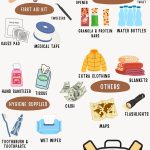
1. Water and Water Filtration

The minimum recommended amount of water for survival is one liter per day, so you should pack three liters per person to cover 72 hours.
Use smaller water bottles with secure lids – collapsable bottles or hydration bladders are great for saving space in your bag. If contamination of municipal water supplies is a concern, consider investing in a portable water filter or water purification tablets.
2. Non-Perishable Food

Food can be the bulkiest item in your bug out bag, so stick to lightweight, calorie-dense options like nuts, energy bars, and freeze-dried meals. Include enough food to last at least three days for each person, avoid anything that needs cooking, and don’t forget to pack a spoon and knife if necessary.
3. First Aid Kit

Your basic first aid kit should contain bandages, antiseptic wipes, gauze, medical tape, pain relievers, tweezers, and any prescription medications you or your family members need. If you live in a remote area, consider adding trauma supplies like a tourniquet or clotting bandages.
4. Multi-Tool or Knife

Don’t overload your bug out bag with heavy tools – a multitool or survival knife will take up minimal space in your pack and perform tasks such as cutting, prying, screwing, and food preparation.
5. Fire-Starting Tools

Fire can be a lifesaver in an emergency, providing essential warmth, a means of cooking, and the potential to send smoke signals. Make sure your bug out bag contains waterproof matches, a lighter, and some dry kindling or a fire starter.
6. Emergency Shelter

If there is any risk that you might not make it to safety within 24 hours, pack a lightweight tarp, bivy sack, or emergency space blanket to protect yourself from the elements. Items such as a tent, sleeping bag, and roll mat can help keep you comfortable, but will take up a lot of space in your pack so require careful consideration.
7. Extra Clothing

Clothing can be bulky so select just a few essential items that are compact and quick-drying. A thermal base layer, waterproof outerwear, and a change of underwear should help to keep you comfortable for 2-3 days. However, your clothing requirements will vary according to the climate, and bear in mind that you may have to quickly leave the house wearing whatever you’ve got on at the time!
8. Flashlights

Flashlights are a must, and LED lights are ideal because they last longer on less power. Solar lights, even the inexpensive ones from the dollar store, are a great choice as they can recharge daily and last for about six hours. Consider crank lights, glow sticks, and solar or battery-powered lanterns as well. This will be necessary to help with navigating in the dark.
9. Hygiene Supplies

You don’t need a fully-stocked washbag, but basic hygiene items like a toothbrush, toothpaste, soap, hand sanitizer, tissues, and wet wipes can help you stay comfortable in tough situations. Sunscreen and insect repellent may also be advisable in warmer climates.
10. Map and Compass

Don’t rely solely on electronics to help you navigate – pack a physical map and compass too, and make sure know how to use them. This will save your precious phone battery for when it’s really needed.
11. Paracord

Paracord is a versatile, lightweight rope that can be used for everything from setting up a shelter to bundling gear – a 50-foot length should be more than enough to tackle most tasks.
12. Cash

It is very common for card readers to go down in an emergency, and ATMs can quickly run out of money. Pack some cash in small bills in case you get the opportunity to buy supplies or need to pay for transport.
13. Whistle and Signaling Devices

A whistle, small mirror, or signal flare can help attract attention if you need help or when rescuers are searching for you. Space blankets can also double up as a highly visible flag.
14. Duct Tape

A small roll of duct tape is invaluable for making quick repairs to gear, patching tents, building shelters, or even securing a bandage or splint.
15. Personal Identification and Documents

Store copies of important documents such as your ID, passport, insurance information, and medical records in a waterproof envelope in your bug out bag. It is also a good idea to have digital copies of all relevant paperwork saved in a location that can be accessed from any device.
16. Other Electronics

Make sure to pack extra batteries or opt for a hand-crank or solar-powered light – these can often be used to charge phones and other small electronic devices as well. A power bank is also useful as a backup power source, and make sure you’ve got all the necessary charging leads packed.
15 Essential Things Preppers Should Stockpile Besides Food And Water

Here’s a list of 15 things you should start stocking up on now, beyond just food and water, to stay prepared and ready for anything.
15 Essentials Things Preppers Should Stockpile Besides Food And Water
28 Ways to Live Sustainably and Reduce Dependence on Retail and Grocery Stores

Here are some ways to live more independently and cultivate a truly self-reliant lifestyle.
28 Ways to Live Sustainably and Reduce Dependence on Retail and Grocery Stores
18 Survival Skills Our Great-Grandparents Knew That Most Of Us Today Don’t

Many activities were once essential survival skills, but today, they’ve been forgotten by many. While technology has certainly made life easier, previous generations didn’t have these systems, making them far more self-sufficient. Here are 18 basic skills they mastered that many people today have no idea how to do.
18 Survival Skills Our Great-Grandparents Knew That Most Of Us Today Don’t