May marks the height of spring’s harvest, bringing a wave of fresh fruits and vegetables just before summer arrives. It’s the perfect time to enjoy produce at its peak—vibrant, flavorful, and packed with nutrients.
Whether you like to eat it fresh or preserve it by freezing, drying, or canning, taking advantage of spring’s bounty now means you’ll have delicious, seasonal ingredients on hand long after May ends.
If you’re ready to make the most of what’s in season, here are the top fruits and veggies to look for this month.
Strawberries
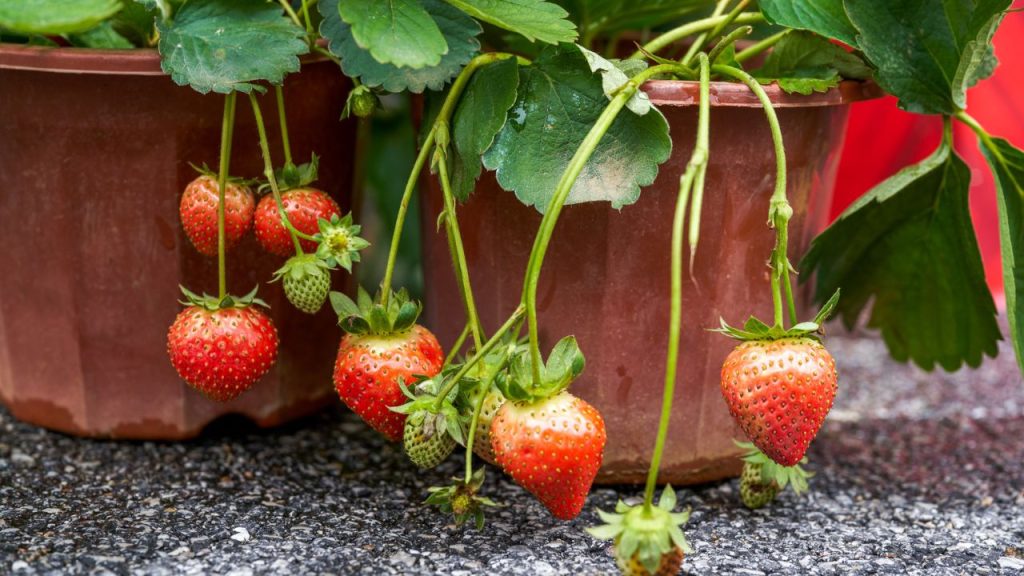
May is peak season for strawberries—the first sweet taste of the year’s berry harvest. These vibrant red fruits are loaded with vitamin C, manganese, and antioxidants that help boost skin health and reduce inflammation.
Strawberries preserve well, whether frozen, dehydrated, made into jam, or canned, and they maintain their rich flavor.
Apricots

Soft, sweet, and slightly tart, apricots are a springtime stone fruit that’s high in vitamin A, potassium, and fiber. They support eye health, digestion, and skin renewal. Fresh apricots are best enjoyed as snacks, in baked goods, or dried for long-term storage.
Pineapple

Though often associated with tropical climates, pineapples are best in late spring. They are packed with vitamin C, bromelain, and antioxidants, supporting digestion and immune health. Use them fresh in salads and smoothies or preserve them by drying or canning for year-round use.
Cherries

Cherries start appearing in markets during May, offering a burst of flavor and antioxidants, vitamin C, and anti-inflammatory benefits. Freeze, dry, or turn them into jam to enjoy their flavor later.
Artichokes

Artichokes are a spring staple, high in fiber, folate, and antioxidants. They support liver function and digestive health. Though best eaten fresh and steamed, artichoke hearts can also be canned or marinated for later use.
Fava Beans

These protein-rich legumes are a lesser-known spring treasure. Fava beans support energy production and heart health and are full of fiber, iron, and folate. Blanch and freeze them to preserve their flavor or shell and sauté them for a fresh, earthy side dish.
Zucchini
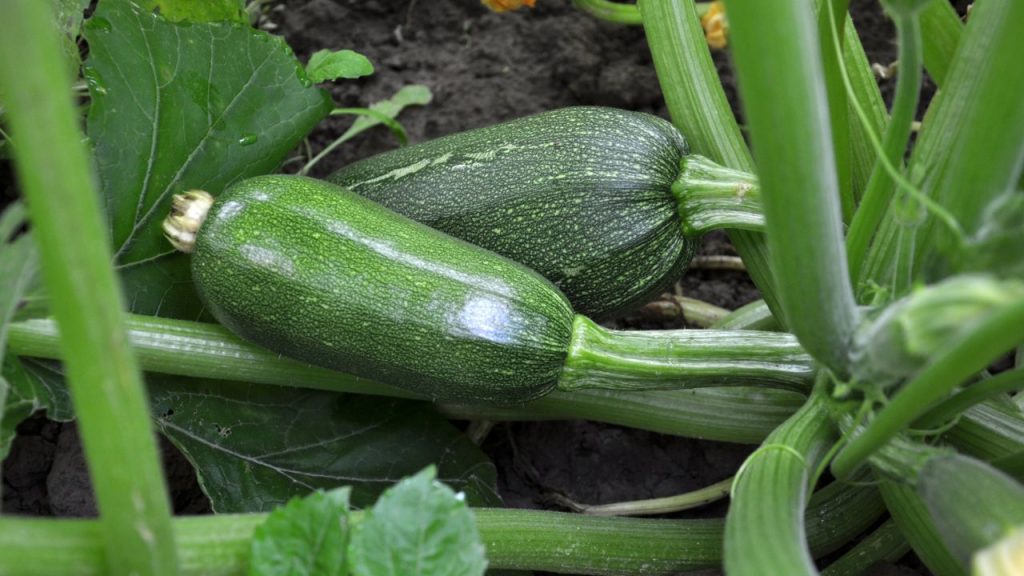
Zucchini is great for roasting, grilling, and sautéing. Rich in antioxidants, vitamin C, and potassium,
Asparagus

Tender asparagus spears are one of spring’s top delicacies. Asparagus supports healthy skin and digestion and is high in fiber and vitamins A, C, E, and K. Preserve it by blanching and freezing—this helps retain flavor and nutrients.
Spinach

This leafy green is packed with iron, calcium, vitamins A and C, and powerful antioxidants. It promotes bone strength, eye health, and immunity.
Radishes

Radishes add a crisp, peppery bite to salads and slaws. They’re low in calories but high in vitamin C and fiber, supporting immune health and digestion. While difficult to preserve, pickling is a great option if you find yourself with a surplus.
Leeks

Mild and sweet, leeks add depth to soups, quiches, and stir-fries. They’re rich in vitamins A, C, and K, along with manganese—beneficial for bone and heart health. Slice and freeze leeks to use throughout the year.
Arugula

Arugula is a leafy green rich in calcium, potassium, and vitamins A and K. It’s great for bone health and maintaining healthy blood pressure. Leafy greens don’t store well. Once harvested, they’ll only last a week or two, but enjoy them fresh.
Cauliflower

Cauliflower offers high levels of vitamin C and fiber. It supports immunity and digestive health. Freezing cauliflower is an excellent option. It maintains much of the flavor and works great for stir-fry or steaming.
Carrots

Carrots are loaded with beta-carotene, fiber, and vitamin A. They are essential for eye health and skin. If you have a root cellar, this root crop will last for months in a cool spot. Freezing, canning, or dehydrating are also options.
Chard

Chard is high in vitamins A, C, and K, as well as magnesium and potassium. It supports muscle and bone health. With it being another leafy veggie, it doesn’t preserve well. You can, but it is often mushy and just lacks flavor.
Sweet Potatoes

Sweet potatoes are nutrient powerhouses full of vitamins A and C, fiber, and potassium. They support digestion and immune function and store well in a cool, dry place. You can also freeze or can them for long-term storage.
Peas
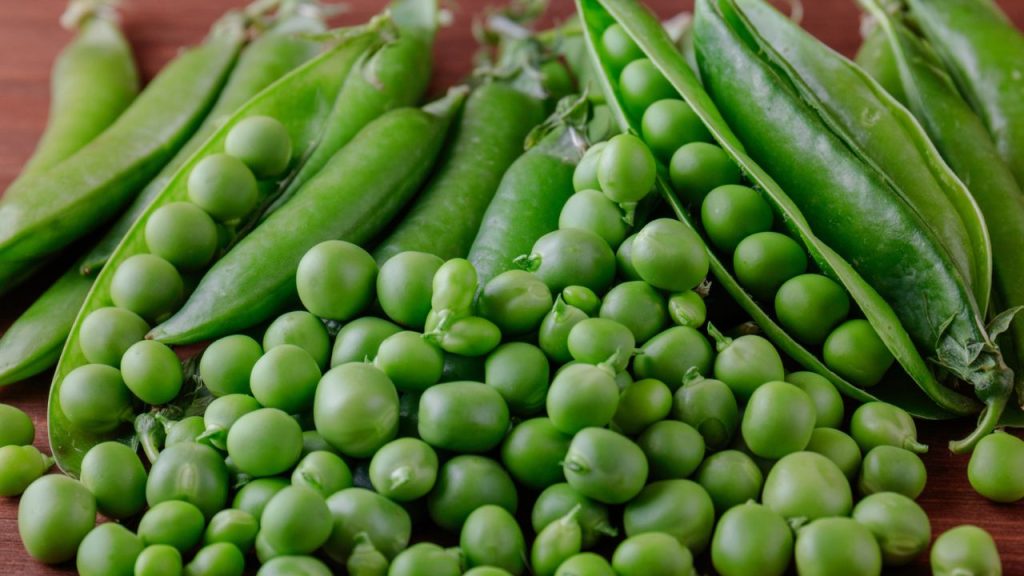
Peas are a classic spring crop—sweet, crisp, and packed with protein, fiber, and vitamins A and K. They’re excellent for digestion and muscle repair. Freeze
Rhubarb

Rhubarb is high in vitamin K and fiber. It supports bone health and aids digestion. This can be made into jams, jellies, or frozen.
Cabbage

Cabbage is full of vitamin C and fiber, which help improve digestive health and immune function. Typical methods are not a great option because it is a leafy green. But it makes great sauerkraut.
Fennel

Fennel contains fiber, vitamin C, and potassium. It supports digestion and can help reduce bloating. While everything is fresh, you can preserve fennel using traditional methods. However, it doesn’t hold up well in the canning process.
28 Pantry Staples You’ll Be Surprised to Learn Are This Easy to Make at Home

What if you could make your favorite pantry staples at home instead of buying them at the store? Making things from scratch is a simple way to rely less on grocery stores and have more control over what’s in your food.
28 Pantry Staples You’ll Be Surprised to Learn Are This Easy to Make at Home
12 Clever Ways to Use Up Leftover Orange Peels

The next time you peel an orange, think twice before tossing the peel. While many people see the peel just as something to throw away, it can actually be useful for things like skincare, cleaning, and cooking- proving that the outer layer of this popular fruit is as beneficial as its nutritious interior.
12 Clever Ways to Use Up Leftover Orange Peels
23 Bell Pepper Dishes That Taste Incredible

From easy to healthy, these dishes highlight the beautiful colors and flavors of yellow, green, and red peppers, proving that nothing beats the sweetness and crispness of a freshly picked pepper. Here are 23 recipes to try.