
On the homestead, every dollar, every hour, and every resource matters, and adopting a frugal mindset is the key to living within your means. Frugal living isn’t about being cheap and cutting corners – it’s about making thoughtful choices and being smart with what you have. Over the years, I’ve found that living frugally has actually made life richer, as it encourages us to be more creative and resourceful.
Frugal living isn’t just good for the wallet, either. Adopting these habits can help keep your homestead running smoothly, build resilience, and help you find your place within the community. Let’s take a look at some of the frugal living habits that have made the biggest difference for us – maybe they’ll inspire you too!
Eat Seasonally
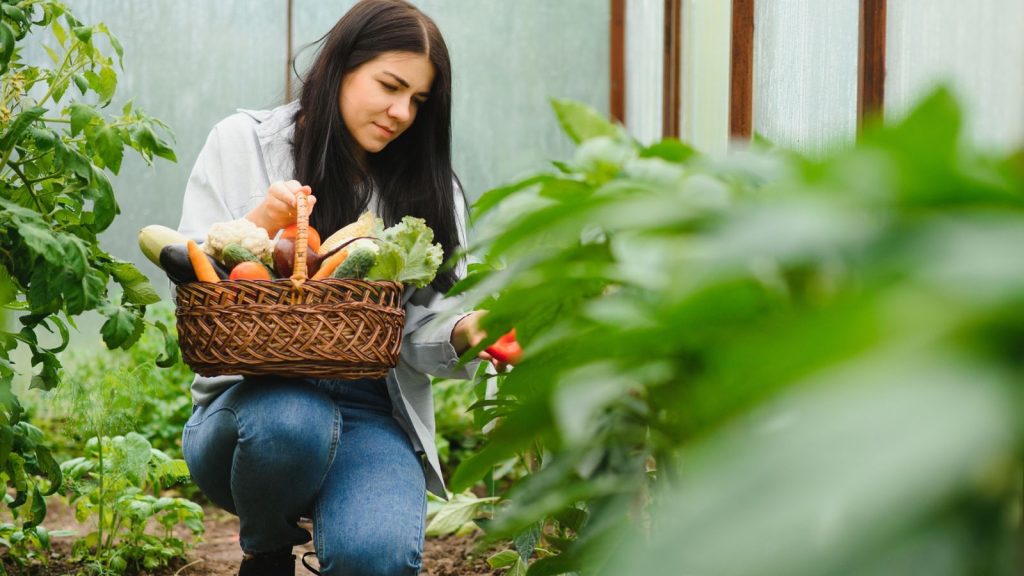
Seasonal eating saves a ton of money, since you’re not paying premium prices for out-of-season imports at the store. And when you start to realize how much better food tastes when it’s fresh, local, and truly in season, you’ll start to wonder why you ever wasted so much money on tasteless strawberries and insipid tomatoes grown in artificial conditions.
Our seasonal routine includes greens and
Save seeds
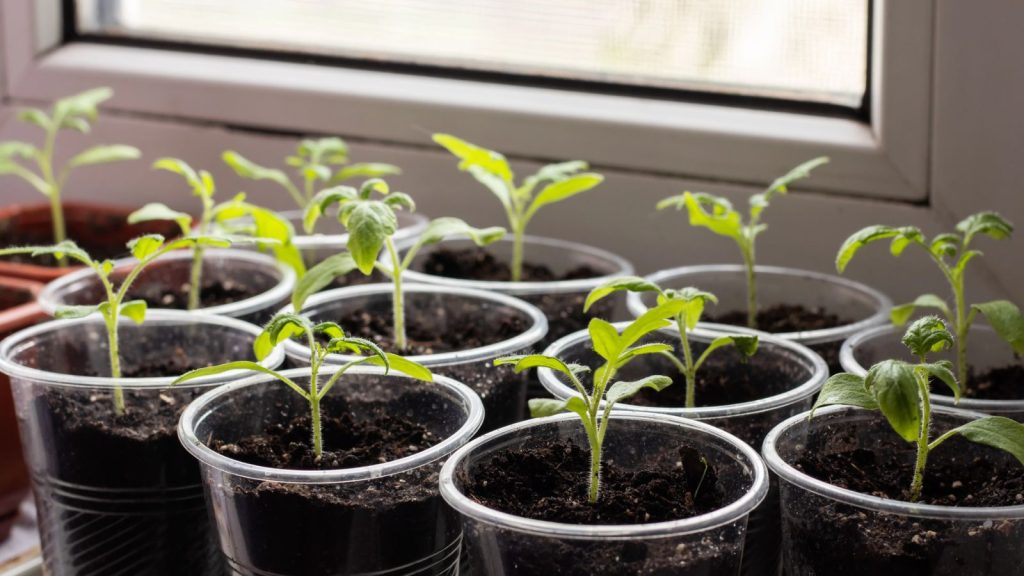
Don’t get me wrong – I enjoy nothing more than buying new and interesting varieties of seeds! However, the bulk of our food crops are grown from seeds saved from the previous year, which keeps my budget more manageable. Plus, plants grown from saved seed are more resilient and adapted to our soil and climate.
Make compost
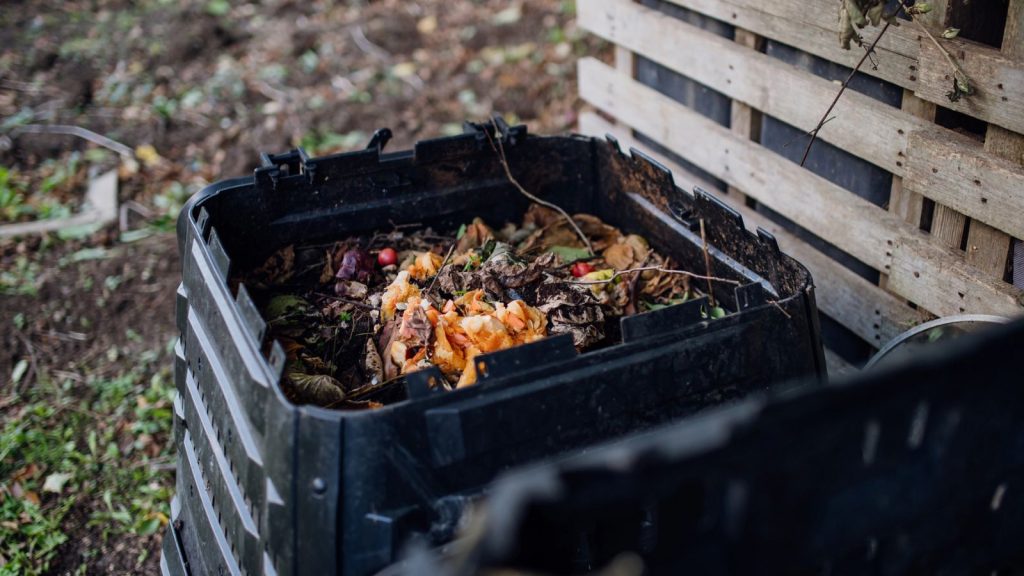
Composting is the ultimate recycling system, turning waste materials into rich, black gold for the garden. Garden waste, chicken manure, eggshells, vegetable peels, and coffee grounds are all added to the compost pile, enabling us to produce enough compost each year to top up our no-till garden beds.
Preserve food

There’s nothing like seeing shelves lined with jars of food that we grew ourselves! Preserving food happens all year round here, starting with canning or freezing vegetables in the spring and summer.
As fall approaches, fruits gifted from neighbors are turned into delicious jams and syrups. We even foraged for mushrooms through the winter, taking care to stick to ones we are 100% sure are edible, of course!
Keep chickens
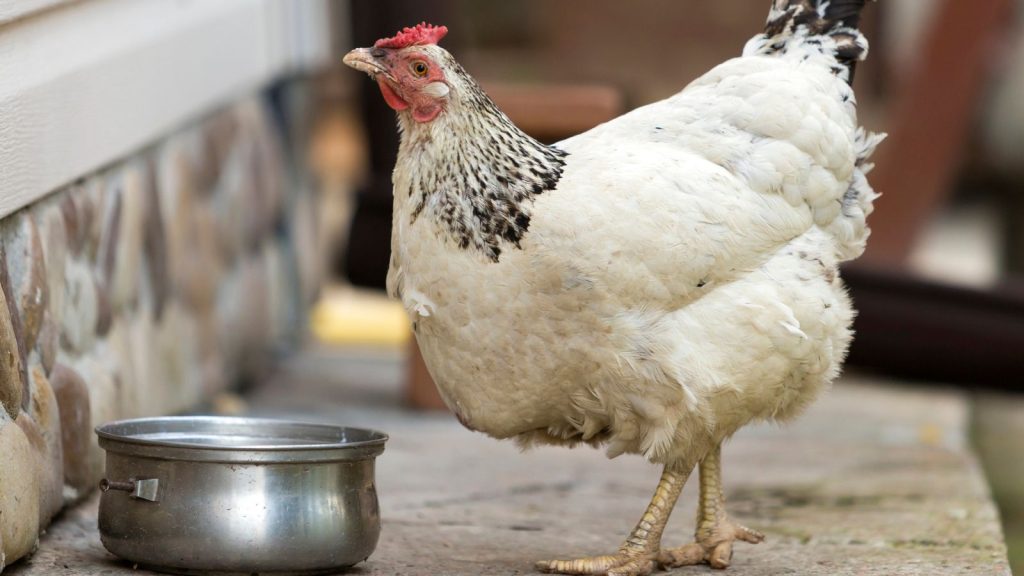
Home-produced eggs aren’t always necessarily cheaper than store-bought, but our little gang of feathered friends brings other money-saving benefits to our homestead.
In addition to providing a steady supply of fresh eggs, chickens produce nutrient-rich fertilizer, recycle kitchen and garden waste, and are highly effective at controlling pests. We keep costs down further by rearing our own chicks and growing food for our hungry flock.
Team up with neighbors

Homesteading shouldn’t be a solo project – building relationships with neighbors and finding ways to collaborate can make life easier (and cheaper!) for everyone. We barter and swap excess produce, share tools, and assist each other with larger projects to ease the workload.
In our area, there is a longstanding tradition of gifting plants to new homesteaders, and it was a happy day when we were able to pay this gift forward by sharing plant cuttings with our new neighbors.
Make and mend clothes

Learning some basic clothing repair skills has saved us hundreds of dollars over the years. From patching torn jeans to replacing buttons, work clothes can last for much longer with some simple TLC. And if it turns out you’ve got hidden talents, making new clothes is a great way to get a fancy new outfit on a tight budget.
Learn animal care

We don’t take a trip to the vets unless it’s truly essential! Being able to handle everyday care ourselves keeps our animals healthier and our budget intact.
With the help of our friendly local farm store, we can deal with parasite problems, and I’ve become pretty experienced in dealing with common chicken health issues, too.
Make homemade cleaners

One of the easiest frugal switches we made was switching from store-bought cleaners to homemade versions. Homemade cleaners cost pennies compared to the fancy stuff at the store, plus they’re less toxic to the environment and our health.
Cook for less

One of the best ways to save on energy costs in the kitchen is by cooking smarter, not harder. Batch cooking is a game changer – making large pots of soup, stew, or chili in one go means only using the stove or oven once to make meals that can be reheated or frozen for later.
Build from scratch
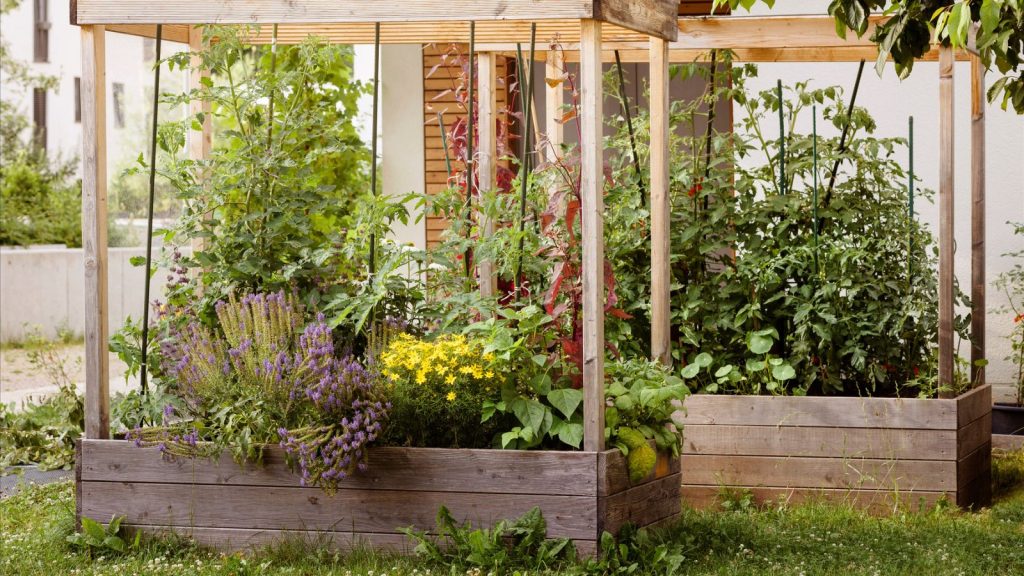
If we can build it ourselves, we usually do. From the chicken coop and run to raised garden beds to a rustic little greenhouse, DIY projects have saved us thousands. You don’t have to be a master carpenter either – online tutorials and a little patience go a long way.
Related: How To Fill a Raised Garden Bed for a Successful Harvest
Use free energy
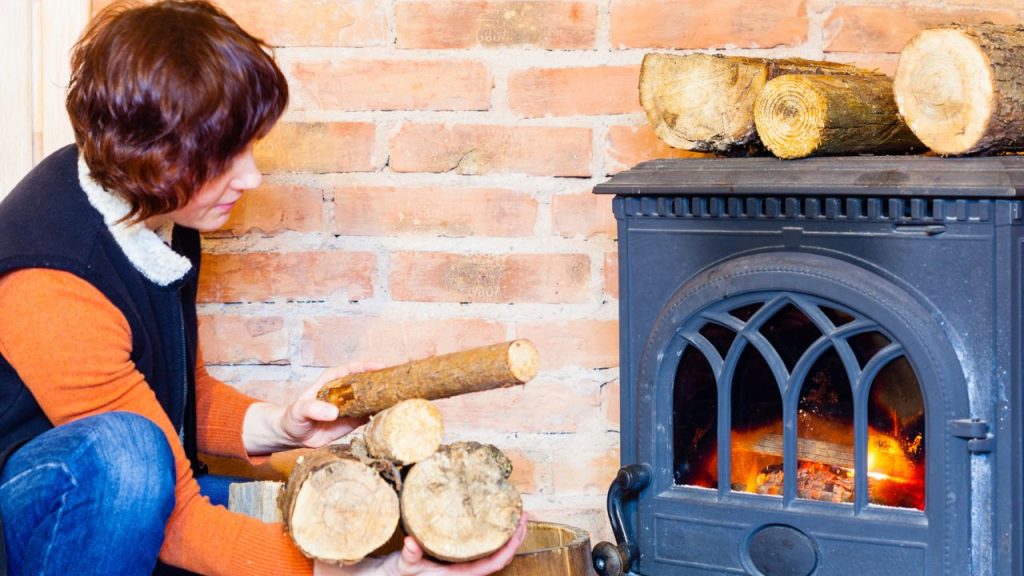
Let’s face it – energy bills don’t look like they’re going to drop anytime soon! Even if you’re not ready to invest in an off-grid energy supply, a basic solar setup can help you cook for free on sunny days.
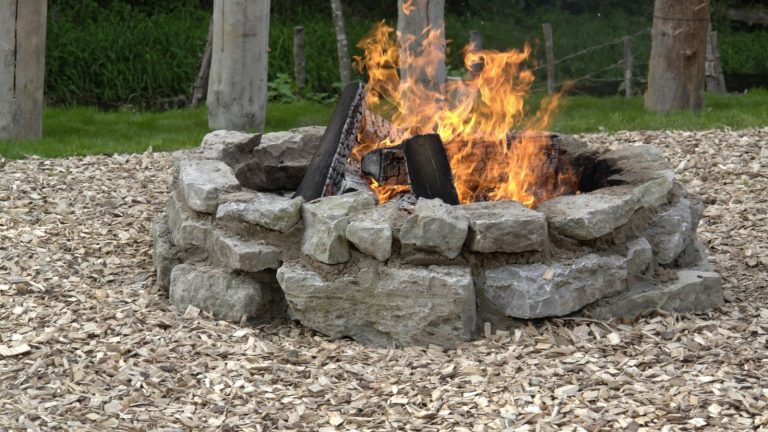
We also harness ‘free’ energy the old-fashioned way: clotheslines instead of dryers, woodstoves for heating and cooking, and simple projects such as solar-powered food dehydrators.
Forage for food

While I love growing our own food, foraging is one of the most fun ways to get food for free. We forage for wild greens, berries, nuts, and mushrooms, supplementing our pantry with nature’s bounty without spending a dime.
Buy in bulk

Many shelf-stable food items are way cheaper per pound when bought in bulk. We stock up on big bags of oats, flour, rice, beans, and even animal feed, splitting bags with neighbors if necessary to keep costs down and prevent waste.
Learn new skills

Whether it’s learning to bake sourdough bread, welding a broken gate, fishing, or grafting fruit trees, picking up new skills keeps life interesting and saves us a lot of money! With rising prices making everyday life more expensive, I love the challenge of figuring things out and being more self-sufficient with each passing year.
25 High-Demand Crafts People Make Lots of Money Selling Online

From timeless traditions to modern handmade trends, these 25 high-demand crafts have proven to be bestsellers online. If you’re ready to turn your skills into a thriving business, these ideas might just inspire your next big success.
25 High-Demand Crafts People Make Lots of Money Selling Online

Kate Chalmers
Kate is a passionate gardener who has a keen interest in all things related to homesteading and sustainability. She resides in Portugal with her husband and menagerie of animals and has over 15 years of experience in the UK veterinary industry. In 2020, Kate and her husband took on a dilapidated Portuguese house and abandoned olive grove, turning it into an abundant food forest and home for nature.
Life on the homestead is never the same from one day to the next, and Kate has mastered many skills that she is keen to pass on to anyone with an interest in becoming more self-sufficient. Kate believes that living a sustainable lifestyle is the key to happiness and fulfillment and that everyone can make simple changes that connect us back to nature and reduce our impact on the planet.