

Most garden bugs are harmless—and many are actually helpful—but vine borers are a different story. If you’ve ever walked out to check on a thriving squash plant only to find it suddenly wilted and collapsing overnight, chances are a vine borer is to blame.
And these destructive little bugs don’t give you any warning signs – you’ll have a healthy plant one day, and a scene of complete devastation the next. Squash vine borers are difficult to spot and cause irreversible damage.
If you’re tired of losing squash to these silent destroyers, it’s time to take action—before they strike again.
What are squash vine borers?
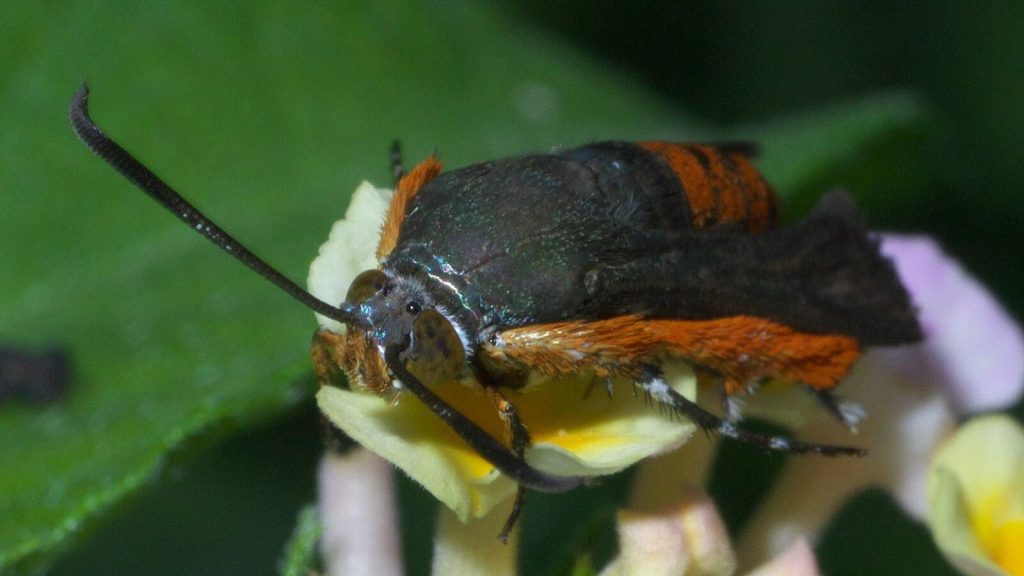
Squash vine borers (Melittia cucurbitae) are destructive pests that bore into plant stems, causing them to suddenly wilt and die. This method of attacking from the inside out makes them incredibly hard to spot before the damage has been done, so knowing how to identify them is crucial to keep your plants safe.
Adult vine borers are moths but look more like wasps. This is a clever defense mechanism – unlike most moths, they fly during the day, so mimicking a stinging insect keeps them safe from potential predators. They have a distinctive orange abdomen with black spots, metallic greenish-black wings, and orange and black legs.
Squash vine borer moths emerge from hibernation in late spring to early summer when the weather warms, just around the time your squash plants are reaching maturity. Adult vine borers are most active in the morning and lay individual eggs at the base of squash stems after mating.
These eggs, which are incredibly hard to spot, hatch after about a week into white, grub-like caterpillars with brown heads. Newly hatched larvae quickly bore into the stem of the squash plant, where they feed for several weeks.
Due to their secretive lifestyle, squash vine borer larvae are seldom spotted until their host plant starts to look like it is suffering. Once they reach maturity, the larvae burrow into the soil and pupate over winter, ready to emerge as adult moths the following spring.
What do vine borers eat?
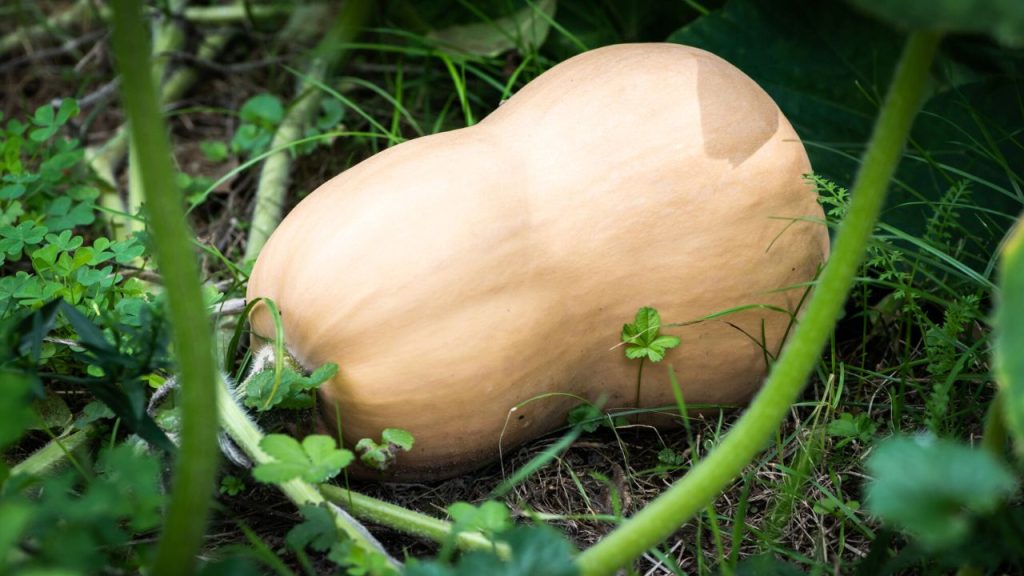
As the name suggests, squash vine borers favor squash plants. Their preferred varieties are summer squash and
As their lifestyle is so secretive, the first sign of vine borers is often the sudden wilting of an entire squash or
Unfortunately, by this point, the damage has already been done – the plant’s ability to transport water and nutrients has been cut off, and the wounds caused by squash borers can open the door to fungal infections and rot.
Let’s take a look at how to get rid of vine borers and keep our squash and
Use Row Covers

Row covers prevent adult vine borer moths from laying eggs on your plants. Remove the covers once flowering starts to allow insects access for pollination. If vine borers are a persistent problem, consider leaving the row covers in place and pollinating plants by hand.
Staggered Planting Times

Vine borers tend to emerge at specific times during the year, normally in early summer. Plant successive crops of squash and
Remove Eggs
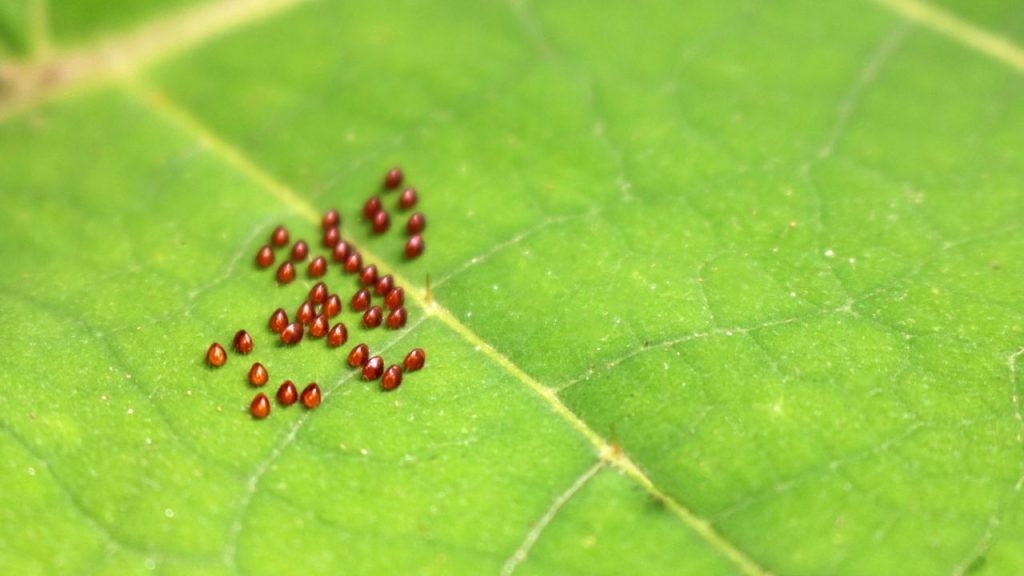
They can be hard to spot, but vine borer eggs can be gently scraped off before they hatch. Look for tiny, reddish-brown dots near the base of squash and
Yellow Traps

Yellow bowls filled with water and a drop of dish soap will trap two notorious garden pests: adult vine borer moths and
Related: How to Make a Cucumber Beetle Trap
Neem Oil

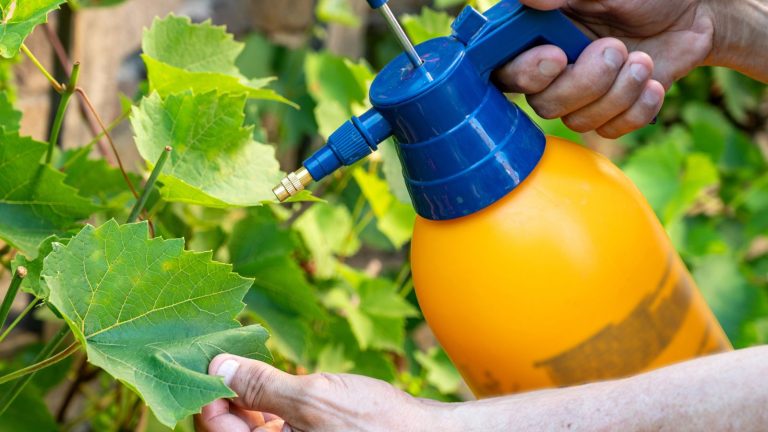
Neem oil can repel egg-laying vine borer adults and disrupt the life cycle of young larvae. Spray diluted
Mound Soil Over Leaf Nodes
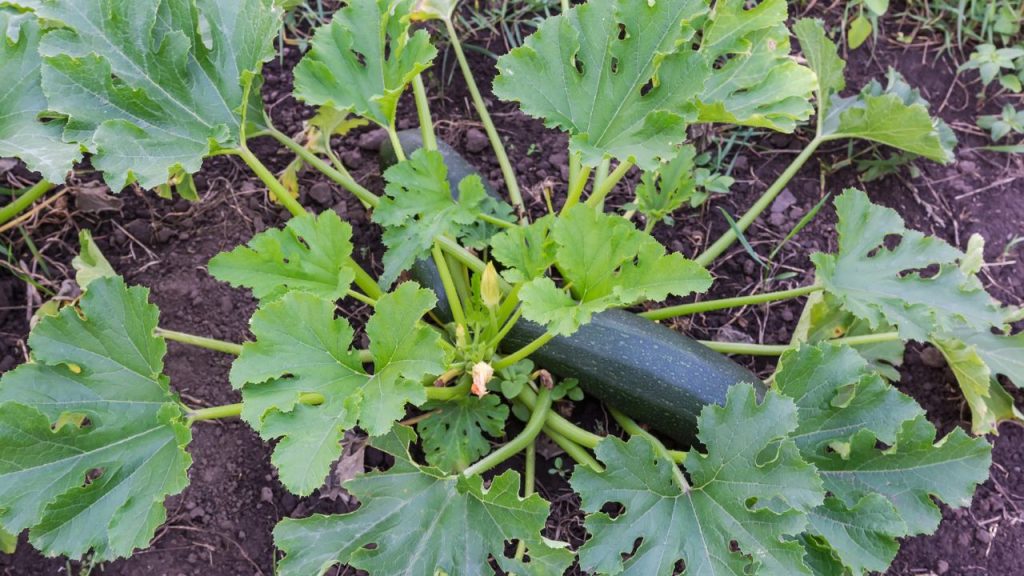
This clever trick can work well to minimize the damage caused by vine borers. Every two or three feet, create a mound of soil over the stem of the plant, making sure to cover a leaf node. This will encourage roots to emerge, giving the plant a chance of survival should damage occur lower down the stem.
Remove Larvae from Affected Plants

Removing larvae from an affected plant is a delicate procedure, somewhat akin to surgery for plants. If a plant shows signs of infestation, slit the stem lengthwise with a clean knife, remove the larvae, and bury the wounded stem in soil to encourage rooting and recovery. It may not work, but it’s worth a try rather than losing the entire plant.
Destroy Infected Plants
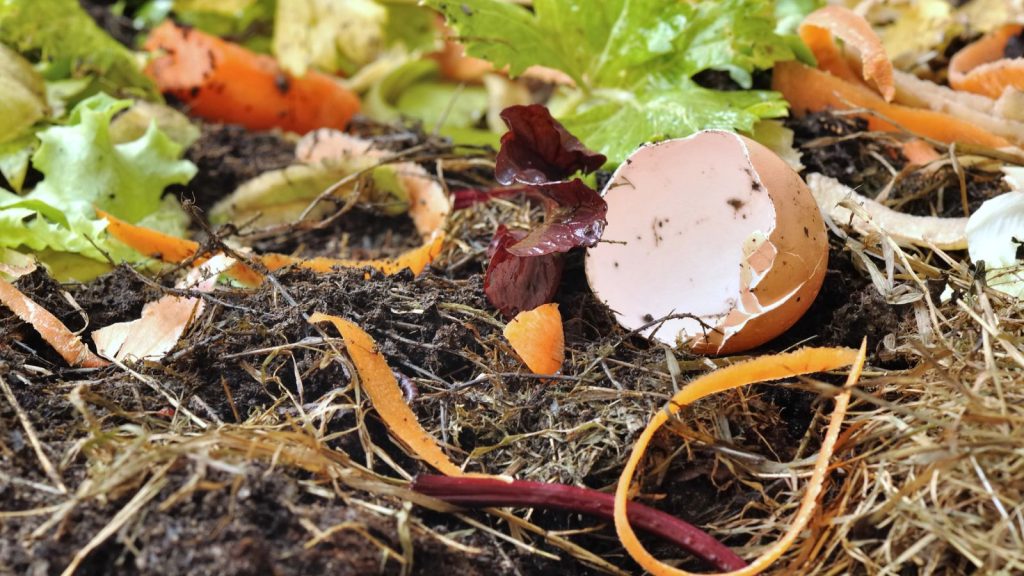
If your plant cannot be saved, don’t be tempted to throw it on the compost pile. Plants infected with vine borers should be burned or trashed to prevent reinfestation.
Clean Up Garden Debris

Clear all plant material in the fall to eliminate overwintering sites for vine borer larvae and reduce the population the following year.
Rotate Crops
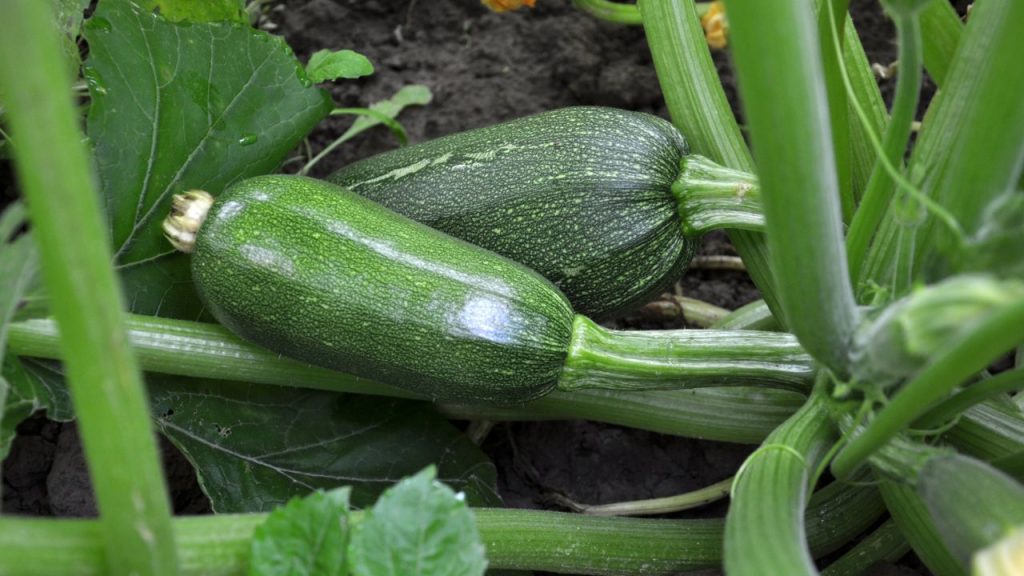
Don’t plant squash and
Grow Resistant Varieties
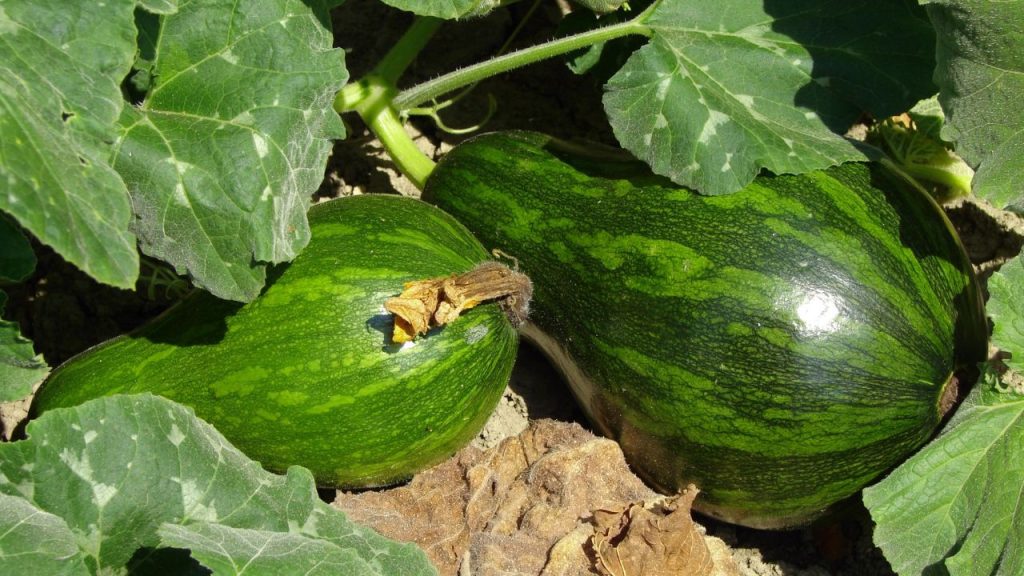
If vine borers are persistently damaging your summer squash and
Plant Trap Crops

Squash vine borers are particularly attracted to Blue Hubbard squash. Plant a row of this variety a few weeks before your main crop and remove any infested plants to protect the rest of your garden. This is also a great way to get rid of squash bugs at the same time, as they also favor this unfortunate variety of squash!
Cover stems of young squash plants
Squash vine borer moths lay their eggs directly on the base of squash and
Struggling to Grow Squash? These 16 Companion Plants Can Help
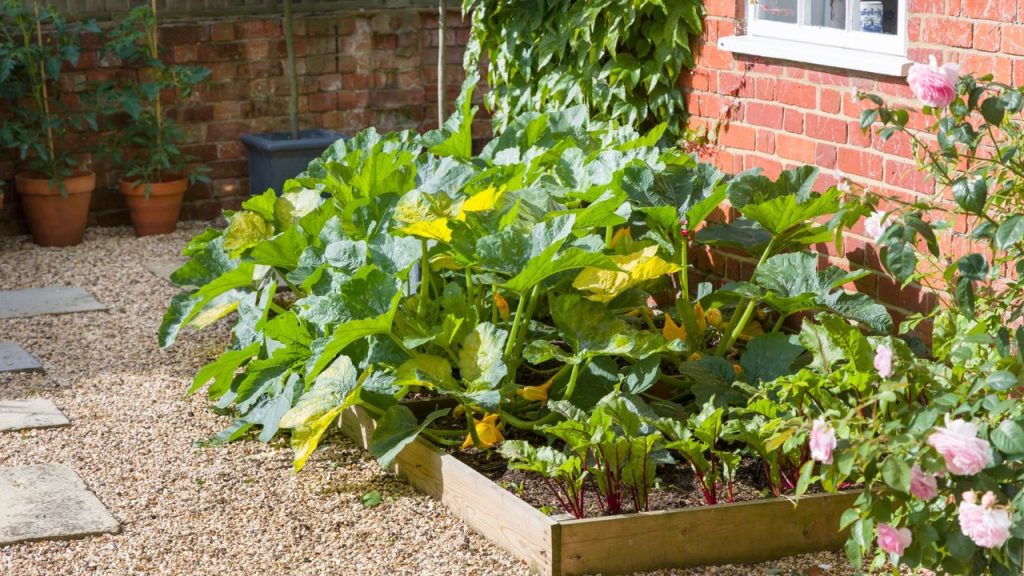
If you’ve struggled with squash in the past or are growing it for the first time, companion planting can make a big difference. Choosing the right neighbors can help protect your plants, improve soil health, and even boost your harvest. Here are 16 of the best companion plants to grow alongside your squash.
Struggling to Grow Squash? These 16 Companion Plants Can Help
24 Creamy, Sweet, and Savory Butternut Squash Recipes You Can Make Tonight

From hearty mains to side dishes, soups, and pasta, there’s no shortage of delicious ways to enjoy butternut squash. Explore the collection of 24 butternut squash recipes.
24 Creamy, Sweet, and Savory Butternut Squash Recipes You Can Make Tonight

Kate Chalmers
Kate is a passionate gardener who has a keen interest in all things related to homesteading and sustainability. She resides in Portugal with her husband and menagerie of animals and has over 15 years of experience in the UK veterinary industry. In 2020, Kate and her husband took on a dilapidated Portuguese house and abandoned olive grove, turning it into an abundant food forest and home for nature.
Life on the homestead is never the same from one day to the next, and Kate has mastered many skills that she is keen to pass on to anyone with an interest in becoming more self-sufficient. Kate believes that living a sustainable lifestyle is the key to happiness and fulfillment and that everyone can make simple changes that connect us back to nature and reduce our impact on the planet.