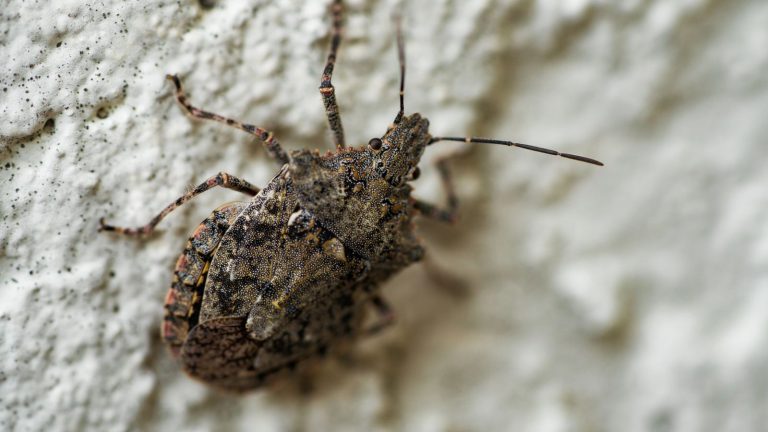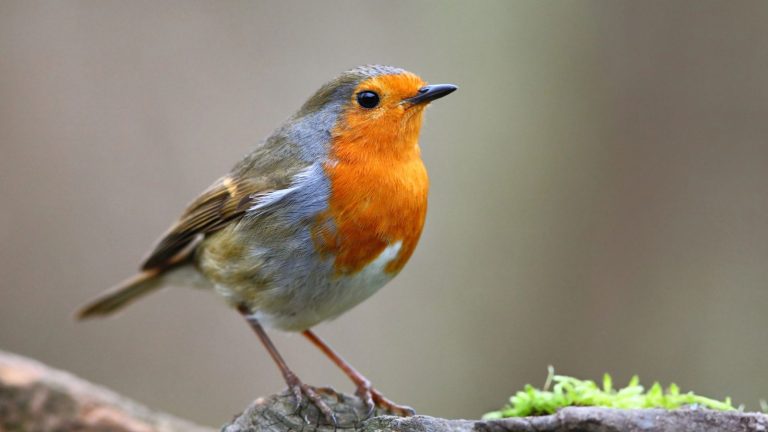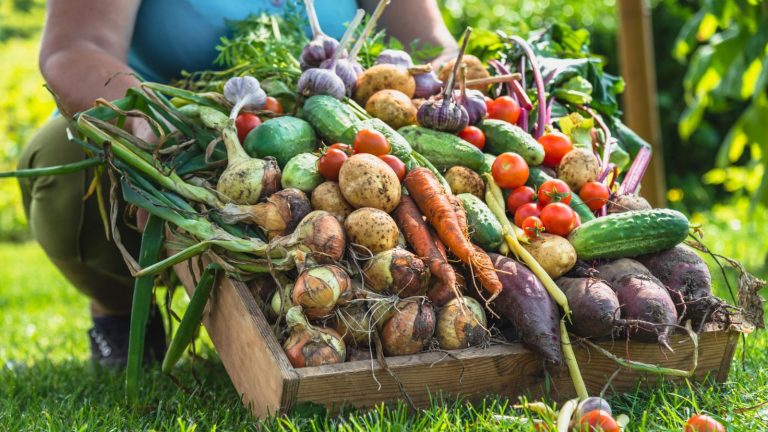


A thriving garden depends on a balanced ecosystem, and many insects—like ladybugs, butterflies, and bees—play a crucial role in pollination and natural pest control. These beneficial bugs help keep harmful pest populations in check, making them valuable allies to gardeners. However, not all insects are helpful; certain plants can act as magnets for some of the worst garden pests.
Some plants attract aphids, leafminers, armyworms, spider mites, and cutworms, which can wreak havoc on your crops. These pests suck sap, chew through leaves, weaken stems, and spread plant diseases, leaving your garden struggling to recover.
If you’re not careful, the plants you choose could invite these destructive pests into your garden. Here are 12 plants that tend to attract the worst garden pests.
Sunflower

Sunflowers are a summertime favorite, known for their bright yellow blooms and ability to attract pollinators. As self-seeding plants, sunflowers can naturally regrow year after year—if you can keep squirrels, birds, and other critters from devouring the seeds, especially in winter.
Beyond wildlife, sunflowers also attract insects like moths and weevils, damaging the seeds and weakening the plants.
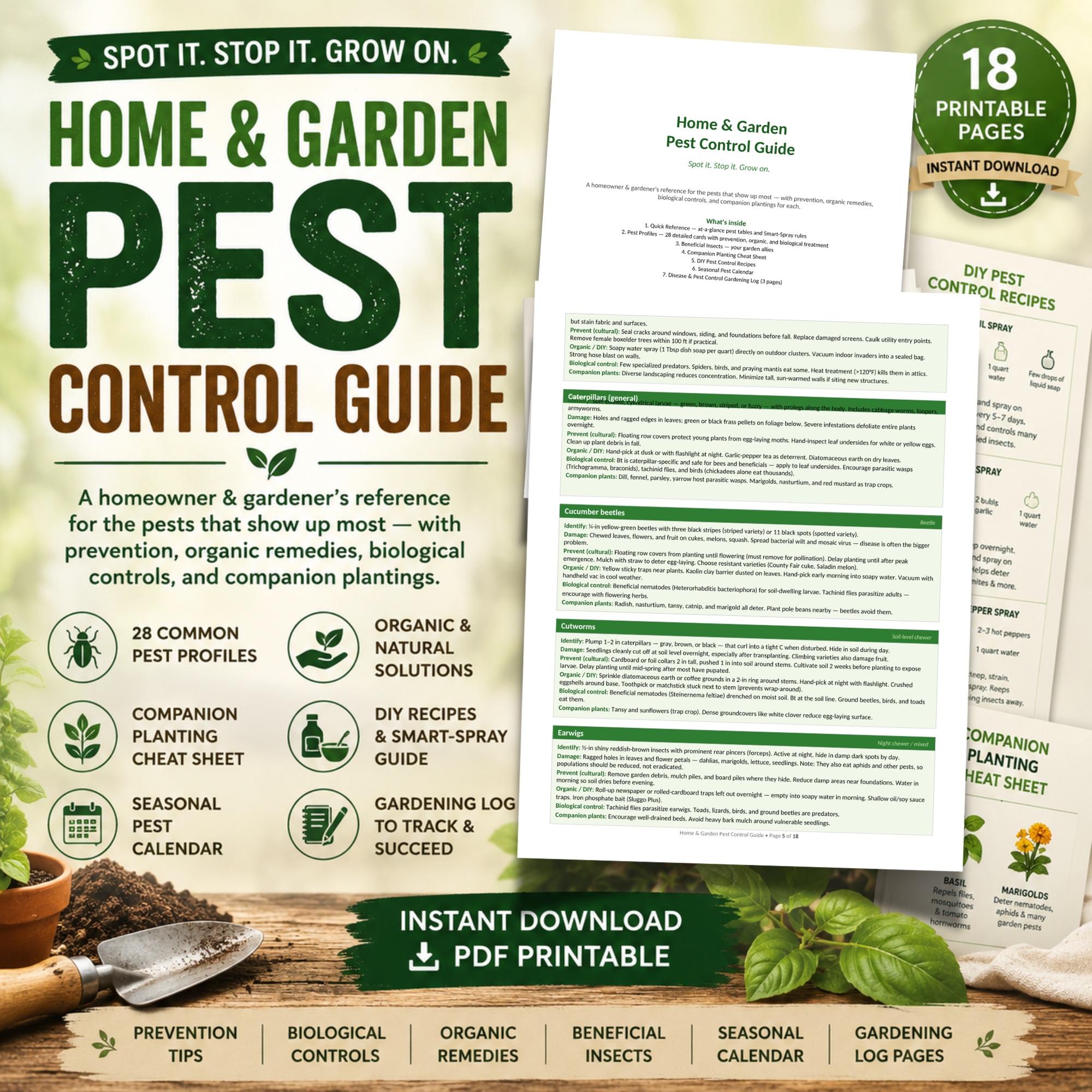
18-page quick guide and reference for gardeners dealing with pests that show up the most. From prevention strategies to treatment and remedies, this is the perfect printable for your garden.
Blueberry Bushes
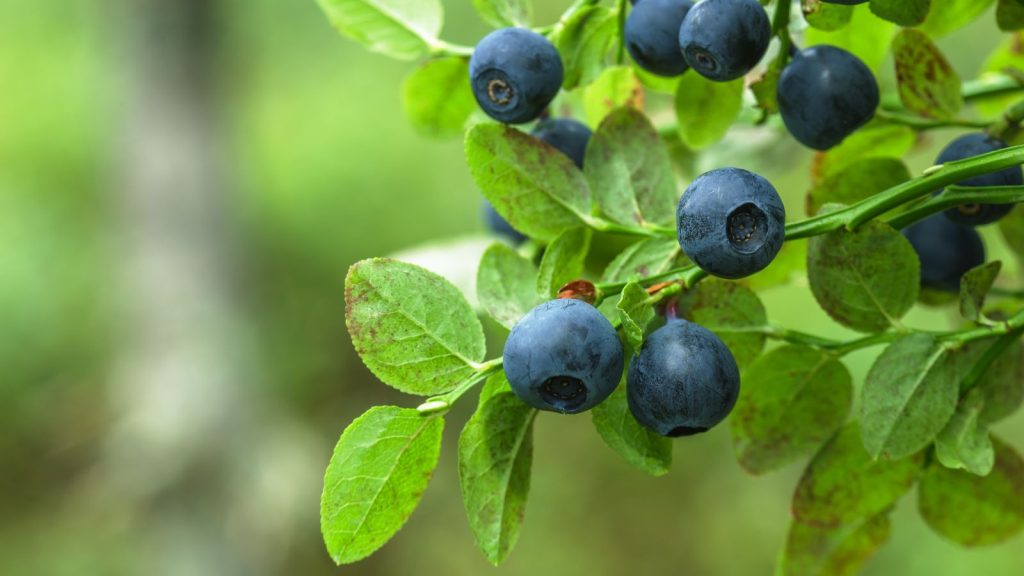
Blueberry bushes are a triple-threat in the garden, offering delicate spring flowers, delicious summer berries, and vibrant fall foliage. These beautiful shrubs reliably produce fruit year after year and, thanks to their manageable size, are one of the easier edible perennials to grow. Though they develop at a slow to moderate pace, they are well worth the wait.
Deer, rabbits, and birds love to feast on the tender shoots and berries, often stripping the plants if left unprotected. Aphids, mealybugs, spider mites, and thrips can also target blueberry plants, weakening them over time.
Tulips

Tulips are a classic springtime favorite, known for their vibrant colors and elegant blooms. They thrive in full sun with well-drained soil and, once established, can return year after year. However, they’re also a magnet for hungry wildlife—deer and rabbits often nibble on the tender shoots before they even have a chance to bloom.
Even if your tulips reach full size, they’re still at risk of damage from aphids, thrips, and spider mites, weakening the plant and affecting flowering. If you’re growing tulips in an area with high pest activity, consider protective measures like fencing, repellents, or companion planting to help keep them safe.
Roses

Roses are a garden favorite, admired for their fragrant, abundant blooms and their popularity as fresh-cut flowers. They thrive in full sun with well-drained soil, making them a beautiful addition to any landscape. However, these stunning flowers also attract a wide range of pests that can damage leaves, stems, and buds.
Common garden pests like Japanese beetles, spider mites, aphids, and thrips are frequent visitors, while rose-specific pests such as rose slugs and rose leafhoppers can cause significant harm. Even rabbits find roses irresistible, often nibbling on tender shoots. If you plan to grow roses, be prepared to monitor for pests and take protective measures to keep them healthy and thriving.
Tomatoes

Tomatoes are a garden favorite, but they’re also a magnet for hungry pests. Larger critters like rabbits, squirrels, and deer often nibble on the leaves and fruit, making it difficult to protect your harvest. Even if wildlife isn’t an issue, tomatoes attract a variety of insects that can cause significant damage.
Hornworms, whiteflies, aphids, and stink bugs are some of the most common pests that target tomato plants, feeding on the leaves, stems, and fruit. Regular monitoring and preventive measures, such as companion planting and organic pest control, can help keep your tomato plants healthy and productive throughout the season.
Melons

Watermelons are relatively easy to grow, but their sweet scent and juicy flesh make them a prime target for pests. As they spread across the garden, these sprawling vines can attract a variety of unwanted visitors that threaten their health and yield.
One of the biggest threats to watermelon plants is the
Eggplants

Eggplants are a rewarding but slow-growing crop, requiring a long growing season and plenty of warmth to thrive. These plants can reach a considerable height as they mature, making proper support essential. Staking or caging helps keep the plants upright, prevents breakage under the weight of heavy fruit, and improves airflow to reduce disease risk.
One of the most common challenges with growing eggplants is dealing with pests, particularly flea beetles. These tiny, hopping insects can quickly infest plants, leaving behind a trail of small holes in the foliage. Flea beetles can weaken the plant, stunting growth and reducing yields.
Strawberries

Strawberries are a popular choice for vertical gardening, thriving in containers, towers, and hanging baskets. Their trailing growth makes harvesting easy while also helping to reduce issues like rot and ground-dwelling pests. However, these sweet and juicy berries attract more than just gardeners.
Rabbits, squirrels, and other critters can quickly wipe out a strawberry crop if left unprotected. Strawberries are also vulnerable to pests like thrips, whiteflies, and aphids, weakening the plants and reducing fruit production.
Cucumbers

With the help of a trellis or vertical support, cucumber vines can grow upward, maximizing space and producing an abundant harvest in even small gardens. Training them to climb saves room and improves airflow, reduces the risk of disease, and makes it easier to spot and pick ripe cucumbers at the perfect size.
However, cucumbers are not without their challenges. One of the biggest threats to their health is aphids. These tiny pests latch onto the plant, piercing its tissues and sucking out sap, which can lead to stunted growth, curled leaves, and overall plant weakness.
Broccoli

Broccoli is a great choice for beginner gardeners, thriving in cooler temperatures and producing a nutritious, rewarding harvest. It requires consistent watering and well-drained soil. However, while broccoli can be easier to grow, it is not entirely immune to pest problems.
Several insects find broccoli just as appealing as gardeners do. Cabbage worms, Aphids, Flea beetles, cutworms, Flea beetles, and armyworms love this veggie. These pests can feed on the leaves, suck sap and weaken the plant, chew tiny holes in the foliage as well attack young seedlings, severing them at the base.
Cabbage

Cabbage is perfect when eaten fresh in salads or as a tasty side dish in cooked meals. They are relatively trouble-free and easy to grow crops. However, they do face some challenges, especially from pests.
Cabbage can attract unwanted pests like Aphids, Cabbage worms, Flea beetles, whiteflies, and thrip. These pests can cause severe damage by puncturing the plant’s leaf tissue and extracting the sap, which diminishes the plants’ vigor and causes leaves to yellow and wither.
Kale

Kale is a hearty, nutrient-dense vegetable that grows well in containers or racks as part of a vertical garden. This hardy vegetable is the perfect low-maintenance addition to a winter vegetable garden. While kale is great in our salads, they are plagued by pests similar to cabbage.