This post may contain affiliate links.


Growing enough fruit to last a year requires careful planning, but it’s a worthy investment both in terms of time and money. Some fruits, like strawberries and melons, provide quick returns, while others, like apple or pear trees, are long-term commitments that can yield for decades.
But while you want enough fruit for your family and to share with friends and neighbors, it’s important not to plant so much that you’ve got overripe fruit rotting on the ground! It’s also a good idea to focus on fruits that are easy to store and have a long shelf life, otherwise you’ll end up throwing a lot of it away before it spoils.
So, to help you plan your new fruit garden, we’ve figured out exactly how much to plant for a year’s supply of fruit.
1. Apples

- Optimum yield per plant: 80–150 apples per mature tree
- Number of plants per person: 1–2 trees
Apples are a delicious fruits that can be enjoyed fresh, baked, or canned year-round. Harvest apples in late summer to fall, and store unblemished fruits in a cool, dark, dry place for up to 4–6 months.
2. Strawberries

- Optimum yield per plant: 1–2 pounds of fruit
- Number of plants per person: 15–20
Sweet homegrown strawberries can be picked from late spring to late summer. Surplus fruits can be frozen for desserts or made into jam to keep their vibrant flavor alive for months.
3. Blueberries

- Optimum yield per plant: 5–10 pounds of berries
- Number of plants per person: 2–3
Blueberry bushes can take several years to start producing a decent crop but are well worth the wait. Pick fresh from midsummer to late summer, and freeze any extra fruits to add to desserts and baked goods during the winter months.
12 Plants to Grow Alongside Your Blueberry Bushes to Keep Them Happy
4. Raspberries

- Optimum yield per plant: 1–2 quarts of berries
- Number of plants per person: 5–10
Raspberries are one of the easiest fruits to grow and can produce a huge crop on a small area of land. Surplus berries can be frozen or made into jam. Top tip – yogurt with granola and frozen raspberries is absolutely delicious at any time of day!
5. Blackberries

- Optimum yield per plant: 1–2 quarts of berries
- Number of plants per person: 5–10
Just a short row of blackberry canes will produce a plentiful supply of rich, tangy blackberries from midsummer to early fall. Any extra fruits can be frozen, canned, or made into jam.
6. Grapes

- Optimum yield per plant: 15–20 pounds of fruit
- Number of plants per person: 1–2 vines
Grapes are the perfect fruit to grow in smaller gardens, as their vertical growth habit means they take up very little ground space. Store fresh grapes for 1–2 months, turn them into juice or jelly, or dry them to make delicious raisins.
7. Peaches & Nectarines
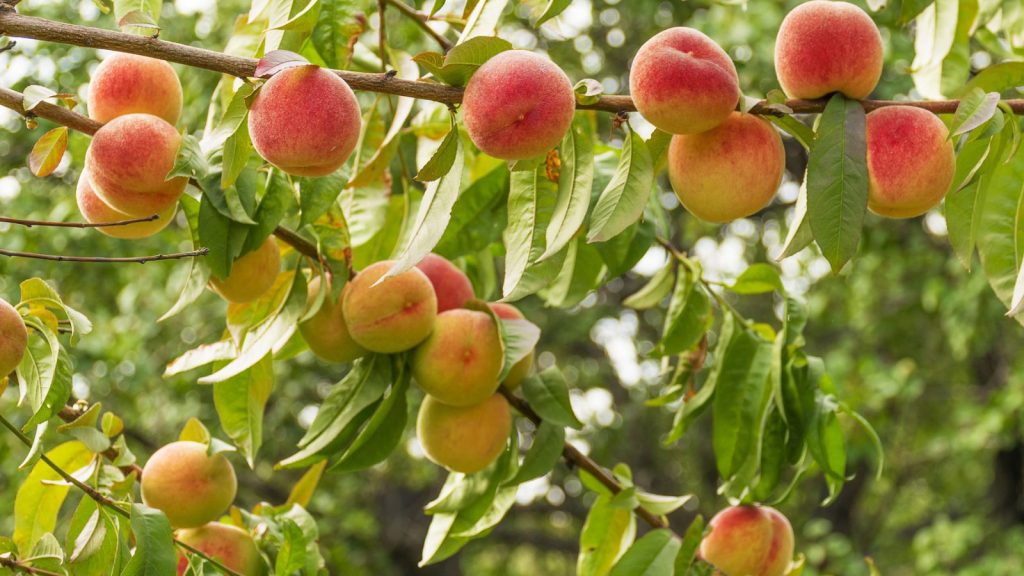
- Optimum yield per plant: 50–150 fruits per mature tree
- Number of plants per person: 1–2 trees
Homegrown peaches and nectarines taste incredible compared to their shop-bought counterparts! They are best enjoyed fresh, but can also be canned or frozen for adding to desserts.
8. Cherries

- Optimum yield per plant: 30–50 pounds of fruit per tree
- Number of plants per person: 1–2 trees
A single mature cherry tree can produce a huge yield of cherries, but make sure the birds don’t get to them first. Any that you don’t eat fresh can be frozen and used for pie fillings in the colder months.
9. Plums

- Optimum yield per plant: 50–150 fruits per tree
- Number of plants per person: 1–2 trees
We planted a couple of plum trees a few years ago which are just starting to produce a decent crop – and oh, how lovely they are! Harvest plums just before they are fully ripe and they can be stored in a cool, dry place for up to a month.
10. Pears

- Optimum yield per plant: 50–100 pears per tree
- Number of plants per person: 1–2 trees
Like apples, pears can be stored in a cold place for several months, but check them regularly for any signs of deterioration. Canned pears are also a delicious treat, especially with ice cream!
11. Rhubarb

- Optimum yield per plant: 2–5 pounds of stalks
- Number of plants per person: 2–3
Hands up if you can remember eating fresh rhubarb stalks dipped in sugar as a child? Yes, me too! Harvest rhubarb stalks from spring to early summer, then leave the rest to grow and allow the plant to restore energy reserves for the winter ahead.
12. Melons

- Optimum yield per plant: 2–4 melons
- Number of plants per person: 2–3
I’m always caught out by how long melons take to grow and ripen, so it’s a good idea to start seeds early in a propagator or buy plug plants. Fresh melons don’t store well for long, but any surplus can be frozen to add to smoothies.
13. Persimmons

- Optimum yield per plant: 30–80 fruits per tree
- Number of plants per person: 1 tree
The joy of growing persimmons is that they ripen in late fall, long after all other fruiting crops have finished! Store them fresh for a few weeks, or freeze the pulp for use in baking or smoothies.
14. Gooseberries

- Optimum yield per plant: 4–6 pounds of fruit
- Number of plants per person: 2–3
Gooseberries can be eaten fresh or used for making desserts or jam. These tart little berries keep well when frozen for up to 6 months.
15. Cranberries
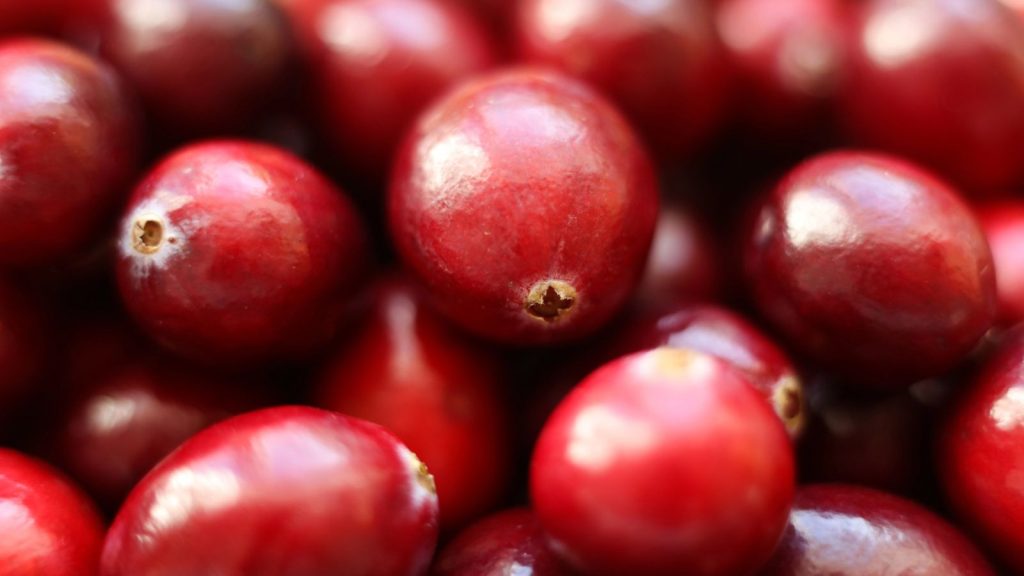
- Optimum yield per square foot: 1–2 pounds of fruit
- Number of square feet per person: 5–8
Just imagine making your own cranberry sauce fresh from the homestead! Ripe cranberries last for months in the fridge, or can be frozen for a year-round supply.
30 Cranberry Recipes You’ll Never Get Tired Of

Kate Chalmers
Kate is a passionate gardener who has a keen interest in all things related to homesteading and sustainability. She resides in Portugal with her husband and menagerie of animals and has over 15 years of experience in the UK veterinary industry. In 2020, Kate and her husband took on a dilapidated Portuguese house and abandoned olive grove, turning it into an abundant food forest and home for nature.
Life on the homestead is never the same from one day to the next, and Kate has mastered many skills that she is keen to pass on to anyone with an interest in becoming more self-sufficient. Kate believes that living a sustainable lifestyle is the key to happiness and fulfillment and that everyone can make simple changes that connect us back to nature and reduce our impact on the planet.