



OK, I know what you’re thinking – surely there’s no such thing as a blue chicken? Well, we’re not talking about vibrant sky-blue shades here, but in the chicken world, the word blue is used to describe smoky gray feathers with a hint of slate or
The blue chicken coloring comes from a type of gene called a dilution gene, which ‘waters down’ the intensity of the color. In this case, the dilution gene turns jet black feathers into ‘blue’ ones, like the color of faded old denim jeans.
And just like blue jeans, no two blue chickens are quite the same. Some are lighter, some darker, but every one of them turns heads in the coop. So, let’s take a look at the most eye-catching and popular chicken breeds that come in shades of blue!
P.S. I’m a little biased when it comes to blue chickens, as my favorite hen is a beautiful blue girl called Bluebell, given to us by a friend after a fox took out most of our flock. She’s been through some tough times, but this bird is definitely a survivor!)
1. Blue Orpington
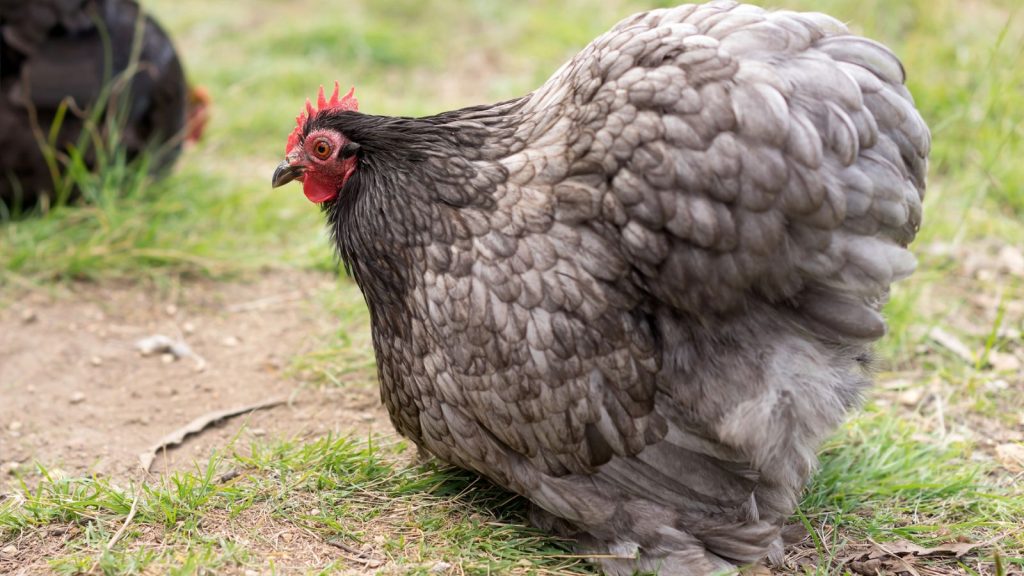
Big, fluffy, and incredibly friendly, Blue Orpingtons are the giant teddy bears of the chicken world! Not to be confused with the lighter
These majestic slate-blue chickens lay a steady supply of large brown eggs and can also be reared for meat.
2. Blue Ameraucana
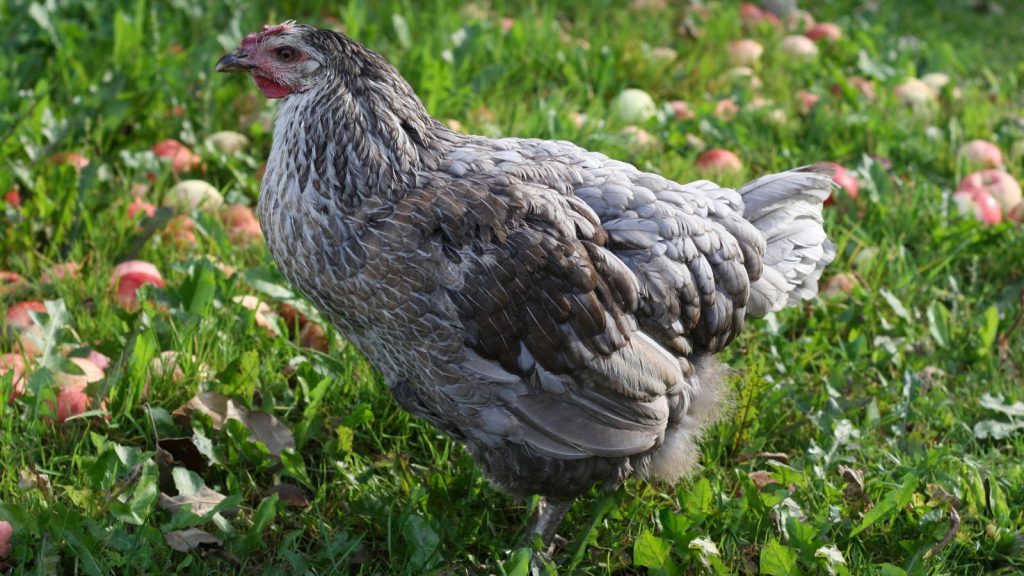
Blue Ameraucana chickens aren’t just blue in color – they also lay beautiful blue eggs! These medium-sized birds have slate-blue feathers and sport a gorgeous little fluffy beard and pea comb that makes them easy to spot in a crowd.
This breed is a top choice for homesteaders as they enjoy the opportunity to forage and will reward you with a plentiful supply of eggs.
3. Blue Cochin
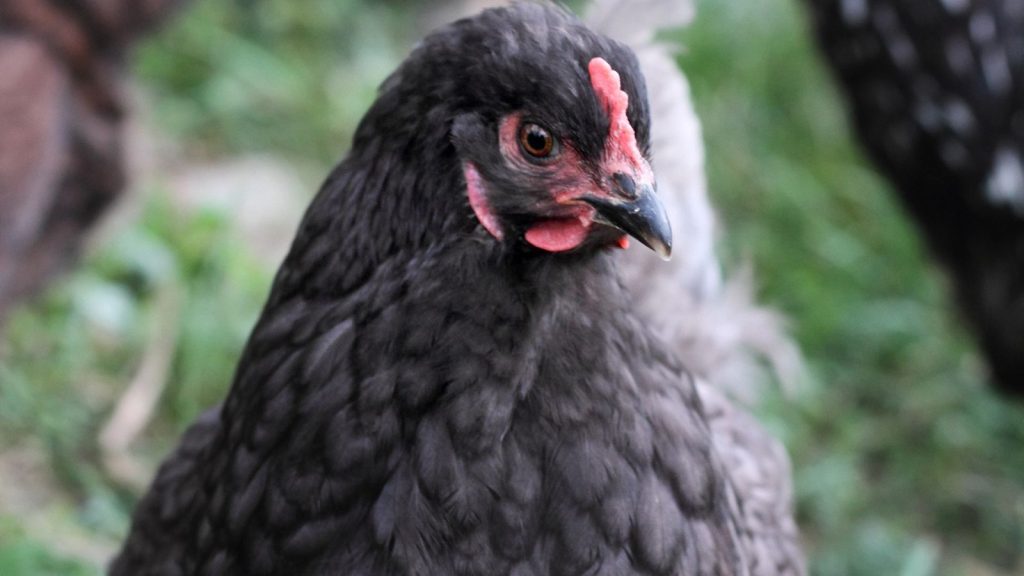
Just look at these giant blue fluffballs! Blue Cochins boast an abundance of soft blue feathers that even adorn their legs and feet. They’re docile and friendly birds that cope well with confinement, making them ideal for a backyard flock.
4. Blue Copper Marans

Blue Copper Marans add an extra twist to the world of blue chickens, as their smoky blue plumage is highlighted with elegant copper-colored feathers around the neck. Marans are hardy birds that adapt well to both hot and cold climates, producing a regular supply of beautiful dark brown eggs.
5. Blue Australorp
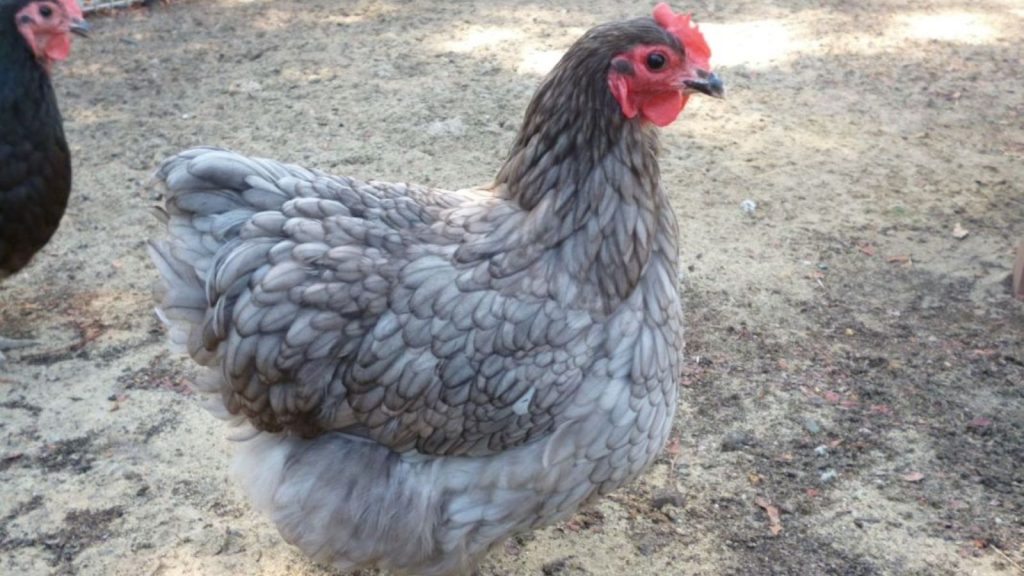
Blue Australorps are relatively rare compared to their black counterparts, but they carry the same stellar egg-laying genetics and easygoing personality. Their blue feathers shimmer in the sun with a soft
6. Blue Laced Red Wyandotte
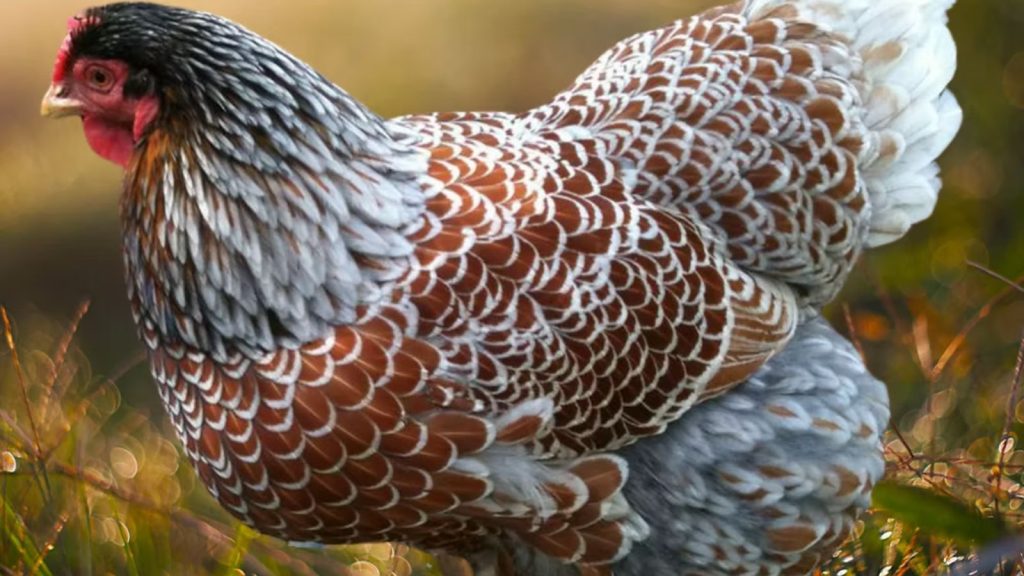
Chicken coloring doesn’t come much more spectacular than this – rich red feathers edged with delicate smoky blue, creating a stunning contrast that instantly captures the eye. Not only are Blue Laced Red Wyandotte chickens beautiful to look at, but they’re also great dual-purpose birds known for steady egg-laying and high-quality meat production.
7. Blue Silkie
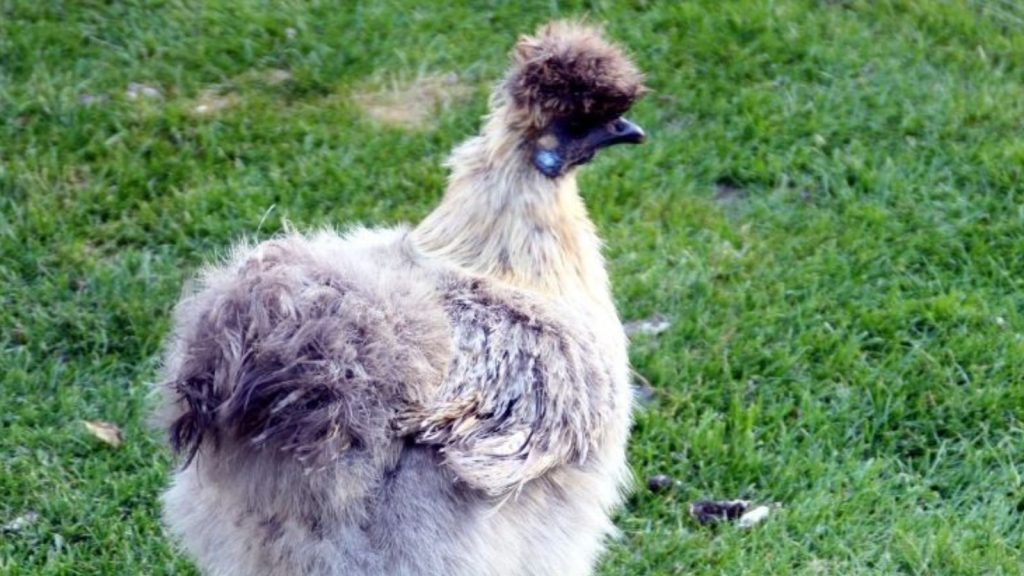
With their soft, hair-like plumage in a dreamy shade of slate-blue, Blue Silkies are gorgeous little puffballs that you just won’t want to put down! Luckily, Silkies are famous for their friendly nature, acting more like a lapdog than livestock. As well as blue feathers, these pint-size bantams also have black skin and blue earlobes.
8. Blue Andalusian
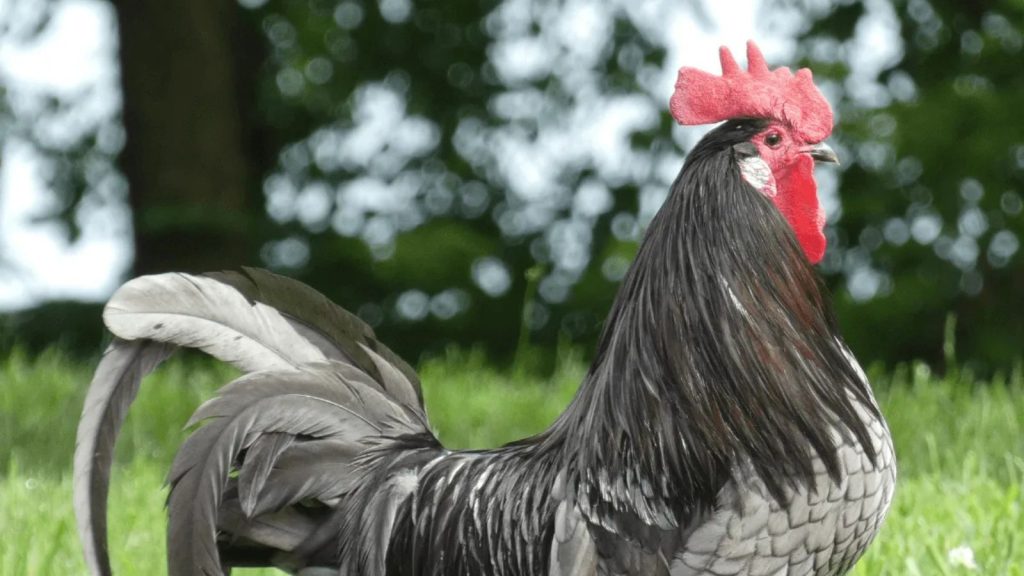
Lean, graceful, and eye-catching, the Blue Andalusian is a sleek, spectacular bird that looks like a runway model amongst ‘normal’ chickens. They have solid-colored slate blue feathers with darker edging that adds to their elegant appearance. This Mediterranean breed copes well with the heat, making them a great option for Southern homesteads.
9. Blue Plymouth Rock
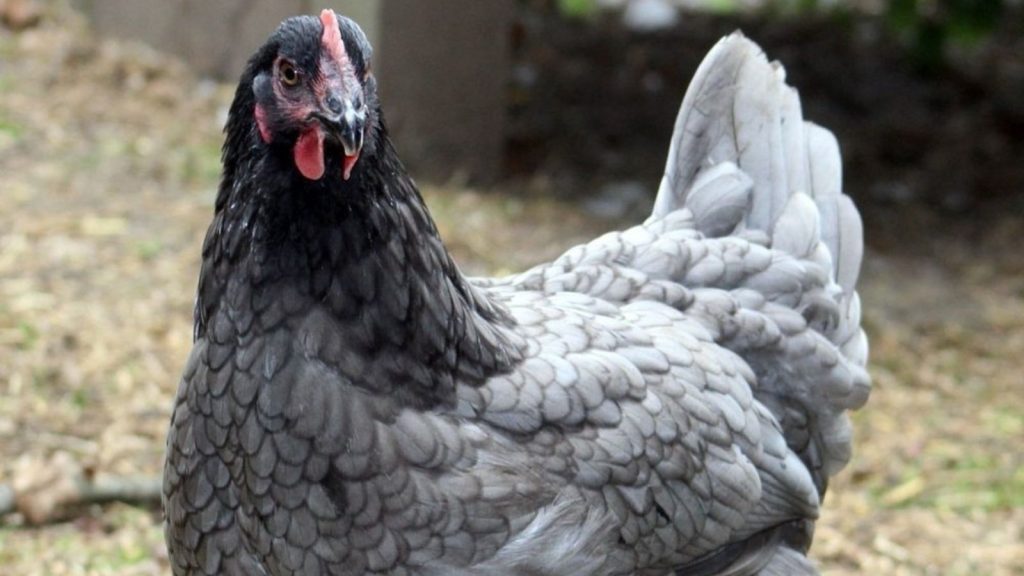
We’re all familiar with the famous Barred Plymouth Rock, but did you know there’s a blue version too? True Blue Plymouth Rock chickens can be hard to find, as the blue color gene is very rare in this breed. However, many hatcheries supply a hybrid cross of a Blue Australorp and a Barred Plymouth Rock to get the same effect.
10. Blue Jersey Giant
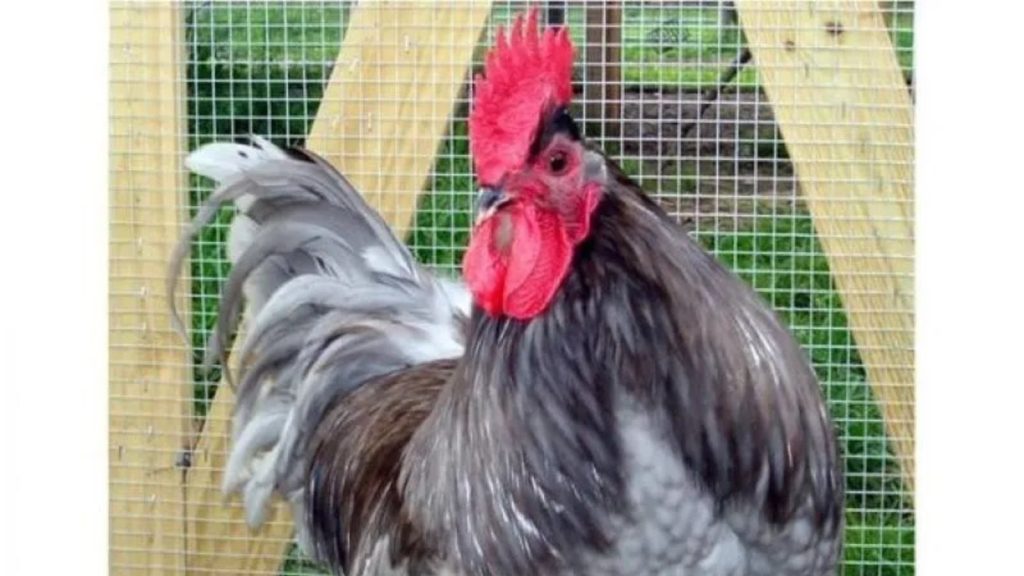
As their name suggests, Blue Jersey Giants are huge, with roosters topping the scale at 13 lbs plus. Don’t let their size fool you though, as these gentle giants are famous for their sweet, mellow temperament. Jersey Giants do well in colder climates and handle confinement without fuss, making them ideal for smaller chicken setups.
SponsoredCheap Flights to Europe & USA
Book your tickets now and save up to 40% on top destinations.
11. Blue Polish
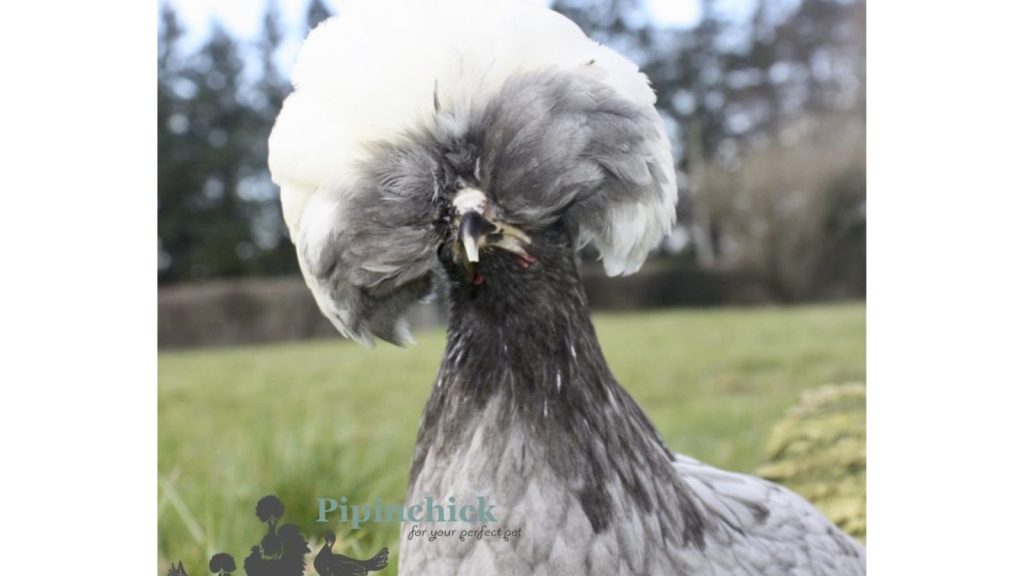
Blue Polish chickens are more ornamental than practical, but can be fun pets for children to keep. They have soft steel-gray feathers offset with a wild, fluffy crest that looks like an oversized feather hat! Because these feathers can limit their visibility, they are normally kept in confined spaces to reduce stress and keep them calm.
12. Blue Araucana
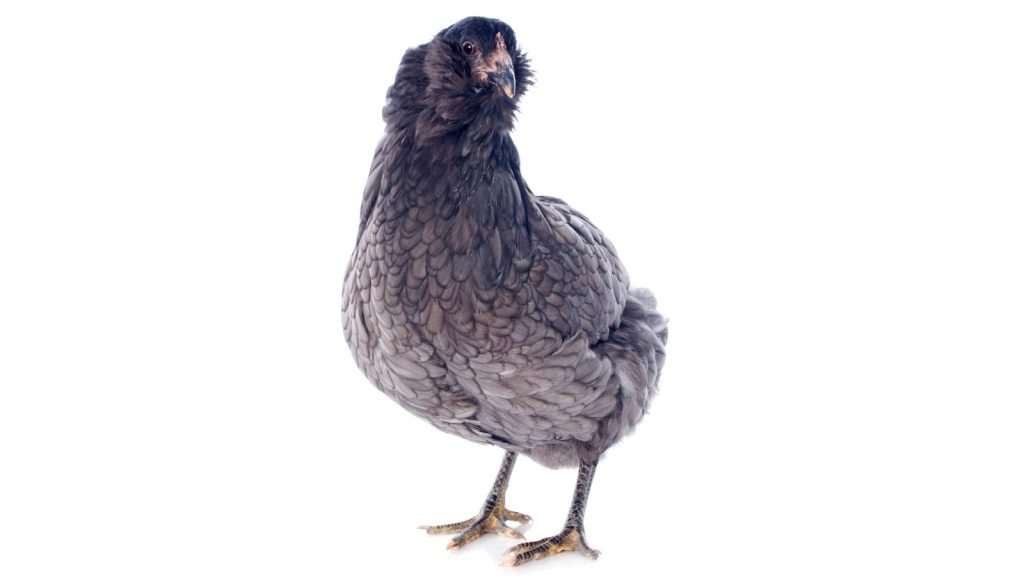
Blue Araucana chickens are similar to Ameraucanas, but have no tail and sport unique ear tufts rather than a feathered beard. These prolific layers of bright blue eggs are active foragers who love to roam, making them ideal for larger homesteads with a free-range flock or large run.
13. Blue Langshan
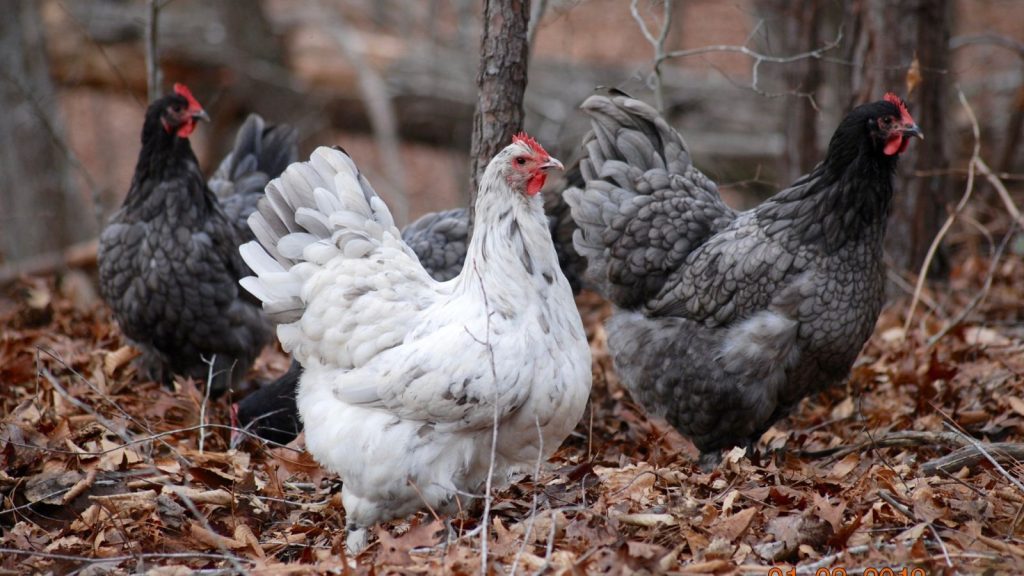
Blue Langshans are an elegant heritage chicken breed with rich blue feathering. There are two types of Blue Langshan chicken – feather leg and Asiatic – and both produce large, dark brown eggs with a slight purple sheen. They thrive in cooler climates and fit in well with most types of flocks.
14. Self Blue Bearded Belgian d’Uccle
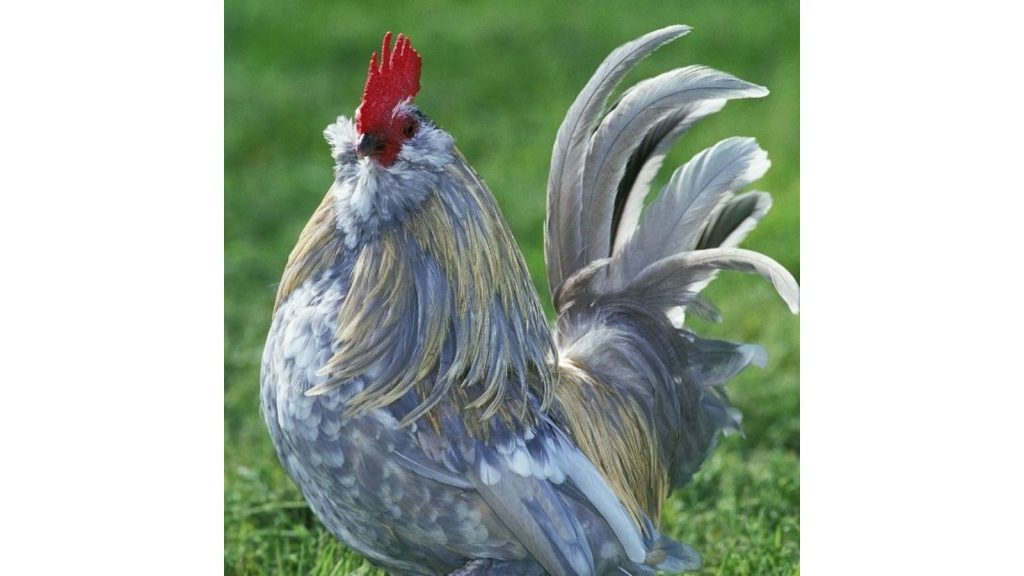
Small, sweet, and dressed to impress, the Self Blue Bearded Belgian d’Uccle is a little bantam with big charm! Their feathers are a pale
15. Blue Dutch Bantam
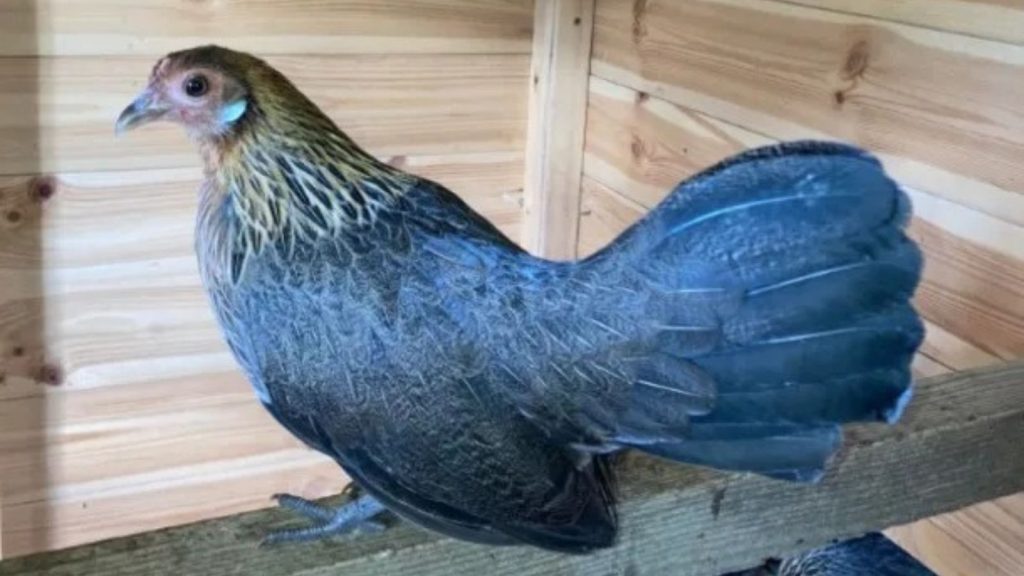
Tipping the scales at just over a pound, Blue Dutch chickens are one of the smallest true bantams. They have a soft, shimmery blue coloration, often paired with distinctive white earlobes and a proud, upright tail. If you’re short on space but still want a productive little flock, the Blue Dutch Bantam fits the bill.
19 Things You Should Know Before Getting Chickens

Before you jump into the world of chicken-keeping, there are a few essential things to know. Here’s our comprehensive guide of 19 essential tips to help you become a confident and successful chicken owner!
19 Things You Should Know Before Getting Chickens
How to Choose a Heritage Chicken Breed for Your Homestead

Many homesteaders raise heritage breed chickens on their land for eggs, meat, or both. Here are the best ways to choose a heritage breed over a hybrid or production breed.
How to Choose a Heritage Chicken Breed for the Home
How to Raise Your Own Chickens

Here’s a guide on how to raise your own chickens to lay eggs and eat meat.
How to Raise Your Own Chickens

Kate Chalmers
Kate is a passionate gardener who has a keen interest in all things related to homesteading and sustainability. She resides in Portugal with her husband and menagerie of animals and has over 15 years of experience in the UK veterinary industry. In 2020, Kate and her husband took on a dilapidated Portuguese house and abandoned olive grove, turning it into an abundant food forest and home for nature.
Life on the homestead is never the same from one day to the next, and Kate has mastered many skills that she is keen to pass on to anyone with an interest in becoming more self-sufficient. Kate believes that living a sustainable lifestyle is the key to happiness and fulfillment and that everyone can make simple changes that connect us back to nature and reduce our impact on the planet.
Last-Minute Flight Deals
Grab incredible discounts on flights to New York, Paris, and London.


