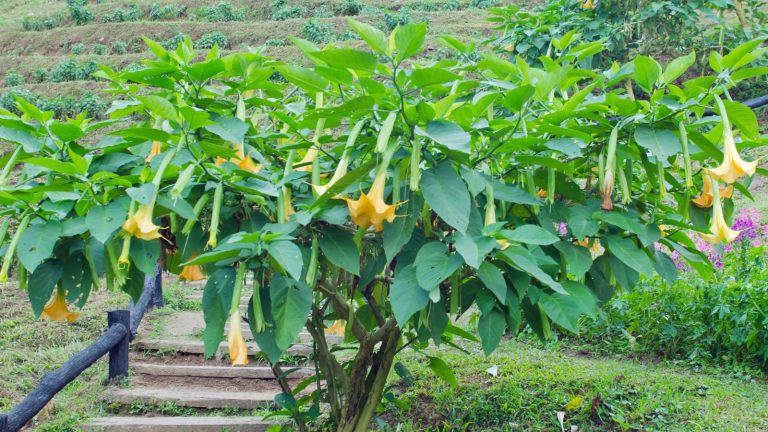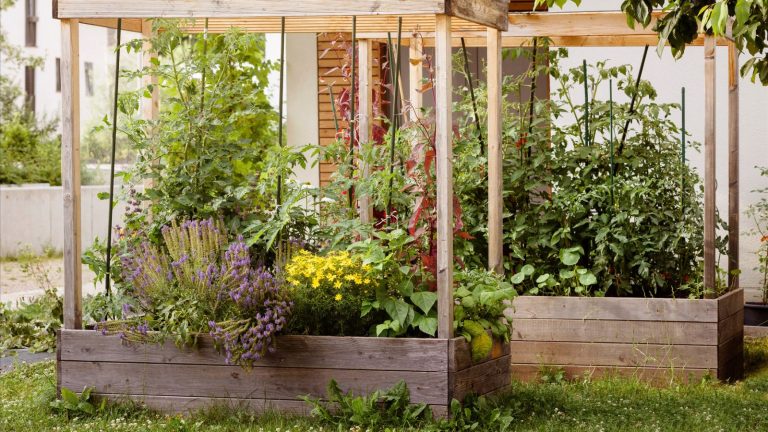

It’s easy to assume that permaculture gardening is only for those with large plots of land or farming experience. Social media often reinforces this idea, showcasing vast food forests filled with edible crops and wildlife. These stunning images can make it seem like permaculture is out of reach for smaller spaces—but that couldn’t be further from the truth.
The reality is that permaculture principles can be applied to any garden, whether it’s a sprawling homestead, a small backyard, or even a balcony. By working with nature, you can grow an abundant harvest, create beautiful floral displays, and improve soil health—all while fostering biodiversity, no matter the size of your space.
And no, you don’t need specialist training or qualifications to embrace permaculture in your garden. Bring along an experimental mindset and openness to changing traditional habits, and your garden can become more productive, resilient, sustainable, and a positive force for nature.
What is permaculture gardening?

The main focus of permaculture gardening is working with nature rather than against it. The goal is to develop a garden that requires minimal human intervention while maximizing efficiency and sustainability.
This is achieved by integrating elements such as soil regeneration, water conservation, and companion planting to create resilient and productive growing areas.
The topic of permaculture can be quite overwhelming at first, as there is a lot of theory behind it! Many resources refer to the principles of permaculture, and while these can be useful if you enjoy diving deep into a topic, for a complete beginner the concept can become overwhelming.
So, to keep things simple, we’ve taken all the practical elements of permaculture gardening and combined them into a simple guide that even the most novice gardener will understand. Let’s take a look!
How does permaculture gardening work?
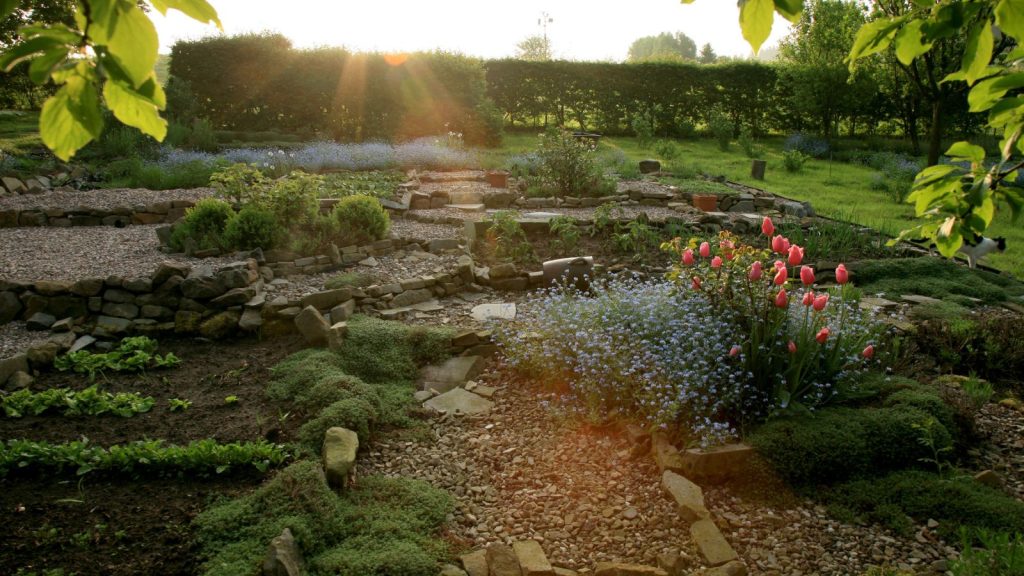
Permaculture gardening creates an interconnected system where plants, animals, soil, and water all work together. Instead of growing crops in neat, weed-free rows, permaculture aims to mimic a natural forest ecosystem.
This approach leads to improved soil fertility, natural pest control, and increased biodiversity, all of which reduce our reliance on chemical herbicides, pesticides, and fertilizers.
Techniques used in Permaculture gardening

Permaculture gardening is achieved by using techniques such as:
- Building hügelkultur beds to enhance soil fertility and water retention
- Mulching soil to reduce water evaporation, suppress weeds, and improve soil structure
- Planting a variety of compatible plant species together to reduce the risk of pests and diseases
- Harvest rainwater to ensure sustainability during dry periods
- Setting up a composting system to recycle organic waste into nutrient-rich fertilizer
Implementing permaculture principles will help you cultivate a garden that works in harmony with nature for years to come. We’ve broken the process down into simple steps to set you on the right path to gardening success!
Step 1: Observe and assess your land

Begin planning your permaculture garden by studying the sunlight patterns, wind direction, and soil conditions on your land.
Identify where existing plants thrive and what wildlife is present, and note any areas that are in the shade, waterlogged, or exposed to wind. It can be helpful to draw a simple map containing your findings.
Step 2: Plan your garden
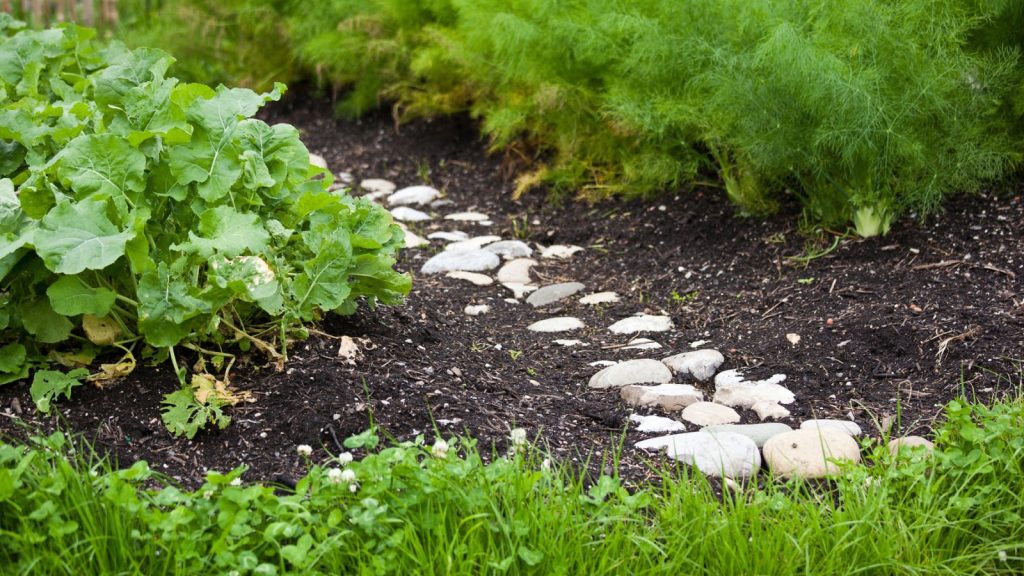
The principles of permaculture talk about creating zones, but this can be difficult to envisage in a smaller plot. So, using your garden map, pinpoint areas that are ideal for different crops and infrastructure, focusing on efficiency and accessibility. For example:
- Place high-maintenance plants like herbs and salad greens near pathways or kitchen entrances for easy harvesting.
- Perennial vegetables, fruit trees, and shrubs can be positioned in a permanent location where they will receive optimal sunlight and water.
- Use areas where plants fail to thrive to create compost bins and a rainwater collection system.
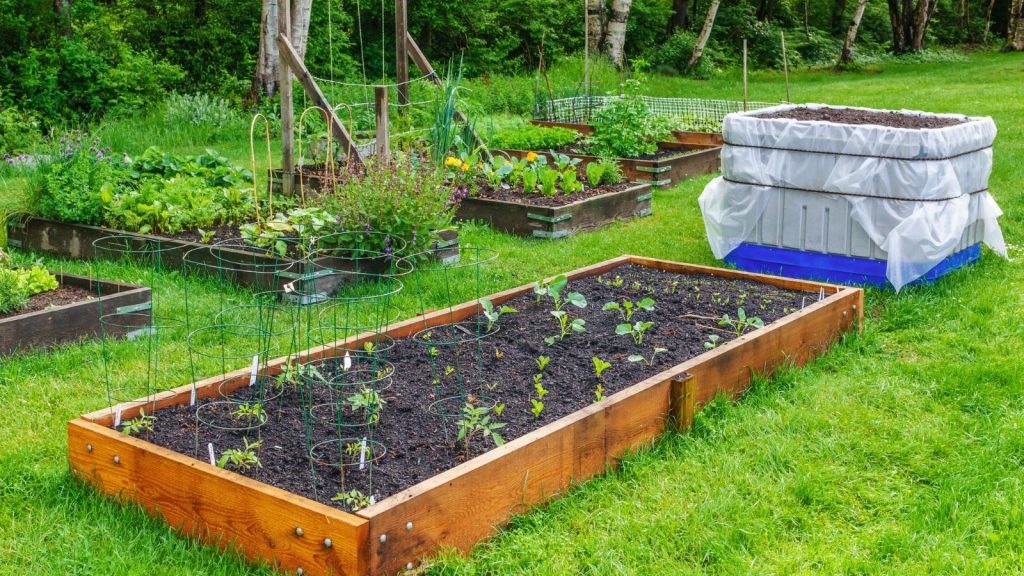
- In smaller gardens, add vertical growing systems, containers, and raised beds to boost productivity.
Don’t forget about your garden boundaries, as it is here that your managed land connects with wilder areas. Consider replacing solid fences with live hedging, create access holes for wildlife, and leave untouched corners where insects can hibernate.
Step 3: Improve your soil
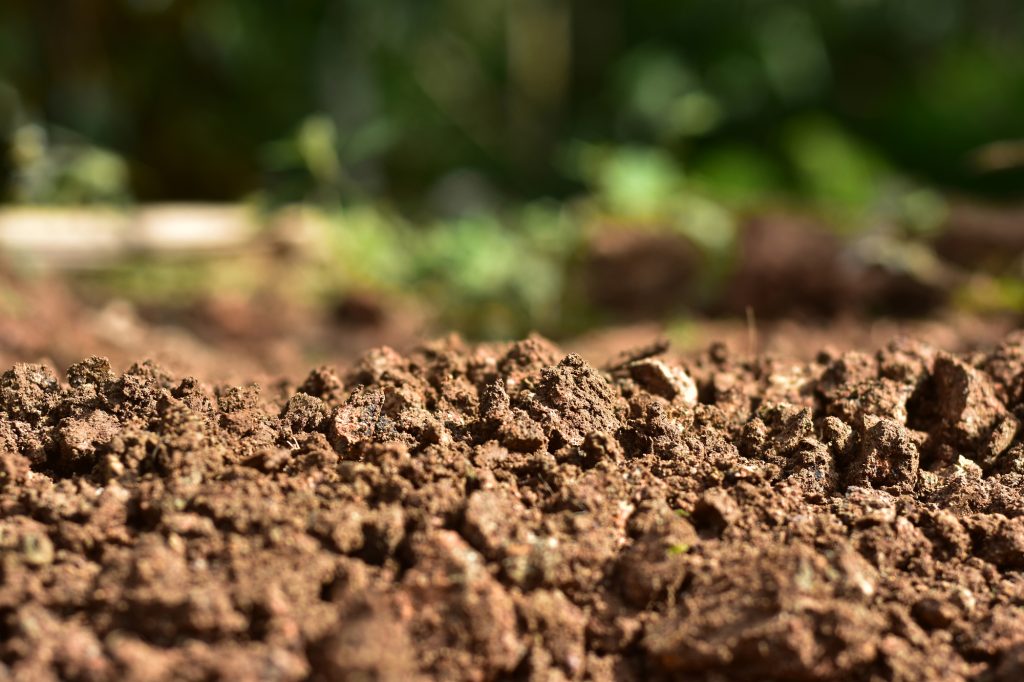
This is my favorite part of permaculture gardening – building good soil! I’d strongly advise switching to a no-dig system, using top dressings of compost, manure, and organic matter to mulch the soil and improve fertility.
Cover crops and nitrogen-fixing plants, such as legumes, naturally enrich the soil, further boosting plant growth and resilience.
Step 4: Collect and store water efficiently
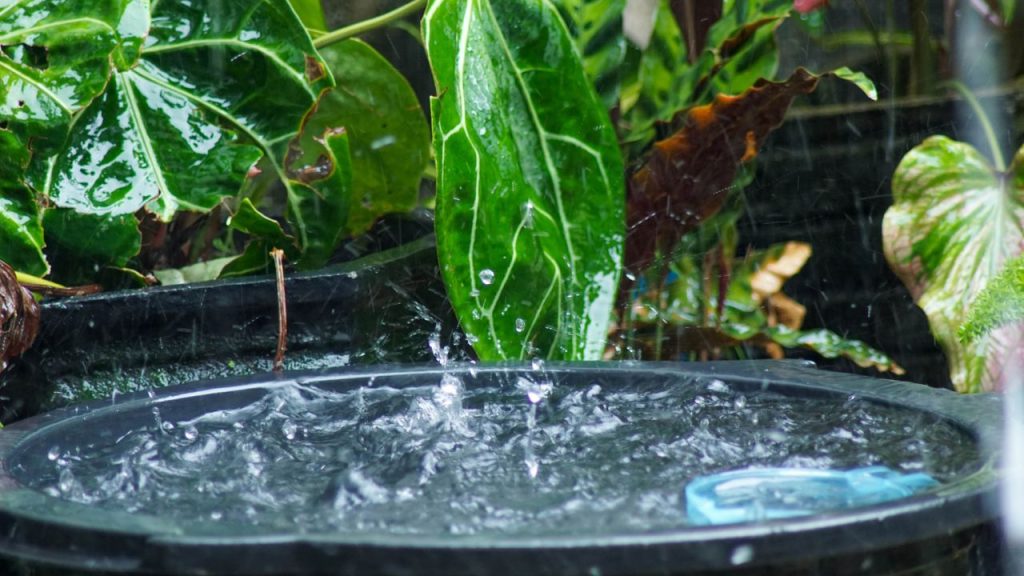
The aim of permaculture is to use every drop of water wisely. To capture rainwater, install rain barrels, swales, or ponds, and use mulch and ground cover plants to retain moisture in the soil.
Step 5: Choose the right plants

Select low-maintenance native and perennial plants suited to your climate – these adapt well to local conditions and are more resilient to pests and diseases.
Companion planting can help boost growth and biodiversity, and don’t forget to include pollinator-friendly plants too. Deep-rooted plants can help break up compacted soil, while ground covers reduce soil erosion and evaporation.
Step 6: Implement layered planting

Layered planting may sound confusing, but all you are doing is mimicking a natural forest. Even in small gardens, layering can be applied effectively:
- Canopy layer: If you don’t have space for large fruit trees, opt for small dwarf cultivars or espaliered trees along a fence or wall to maximize space.
- Low tree layer: Plant fruit-bearing shrubs and small nut trees at the back or center of your garden beds, where lower-growing crops will benefit from the partial shade.
- Herbaceous layer: Grow herbs and leafy greens, such as basil,
lettuce , and kale, between your shrubs and trees. - Ground cover layer: Use low-growing plants like strawberries, creeping thyme, or clover to suppress weeds and retain moisture.
- Root layer: Grow root vegetables like
carrots ,radishes , and onions in available spaces to make full use of the soil depth. - Climbing layer: Train vining plants such as beans,
peas , or cucumbers to grow up trellises, fences, or even the trunks of small trees.
Step 7: Encourage biodiversity

Biodiversity plays an essential role in a permaculture garden, reducing reliance on artificial inputs. Plant a variety of flowers and herbs to attract beneficial insects and wildlife and create habitats like ponds, log piles, and birdhouses. Then, all you have to do is sit back and enjoy the fruits (and vegetables) of your labors!
8 Best Raised Garden Beds (What to Consider Before Buying)
11 Impressive Trees You Can Tap for Sap and Syrup
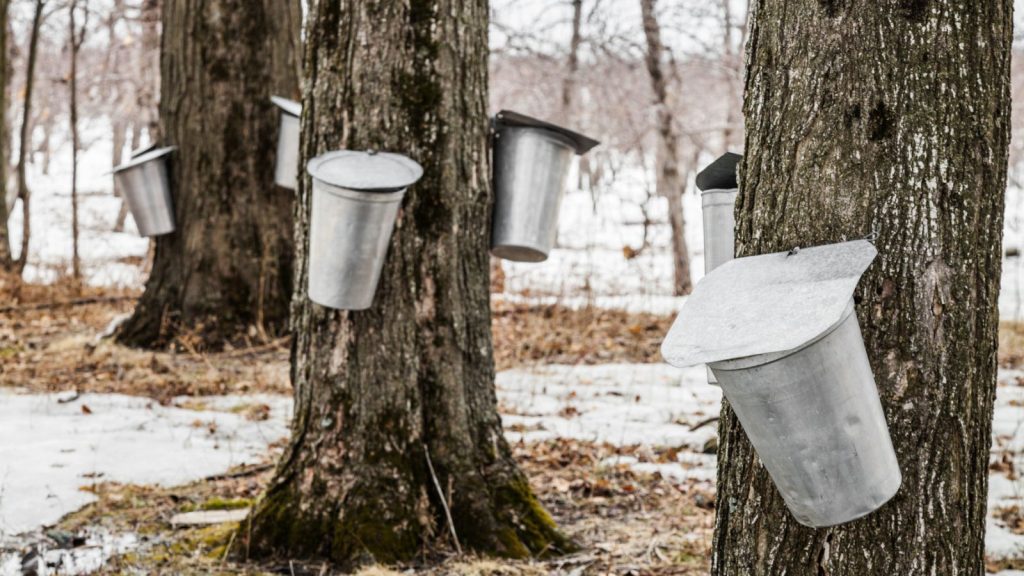
Tapping trees is an age-old skill that is often overlooked by modern-day homesteaders. But when you realize that tree sap can be used to make syrup, candy, vinegar, natural sweeteners, and fermented drinks, this free resource becomes far more appealing!
11 Impressive Trees You Can Tap for Sap and Syrup

Kate Chalmers
Kate is a passionate gardener who has a keen interest in all things related to homesteading and sustainability. She resides in Portugal with her husband and menagerie of animals and has over 15 years of experience in the UK veterinary industry. In 2020, Kate and her husband took on a dilapidated Portuguese house and abandoned olive grove, turning it into an abundant food forest and home for nature.
Life on the homestead is never the same from one day to the next, and Kate has mastered many skills that she is keen to pass on to anyone with an interest in becoming more self-sufficient. Kate believes that living a sustainable lifestyle is the key to happiness and fulfillment and that everyone can make simple changes that connect us back to nature and reduce our impact on the planet.