Spring kicks off the heart of gardening season, and by now, many gardeners are well into planting—some even got a head start by starting seeds indoors during the colder months. With so much excitement around fresh vegetables and thriving garden beds, it’s easy to get swept up in the promise of homegrown harvests.
But not every crop is as easy to grow as it seems on the seed packet. While some vegetables are beginner-friendly and forgiving, others are far more stubborn—demanding just the right conditions, perfect timing, or constant attention to succeed.
These tricky growers can test your patience, especially if you’re expecting quick results. Yet despite the challenges, many of these vegetables are worth the effort for their taste, nutritional value, or sheer satisfaction of finally getting them to thrive.
Before you plan out your next garden bed, take a look at these popular—but surprisingly finicky—vegetables that may give you a run for your money.
Parsnips

Parsnips are among the vegetables that require extra time and care to grow well. They need deep, loose soil without any rocks or clumps—otherwise, the roots can end up misshapen or forked. Preparing the soil properly before planting is key.
They also take their time to get started. Parsnip seeds have a long germination period, often taking two to three weeks to sprout, and they don’t always come up evenly. Cool, consistent moisture helps, but you’ll still need patience. If you’re expecting quick results, parsnips might not be the best fit—but if you’re willing to wait, the reward is worth it.
Fennel
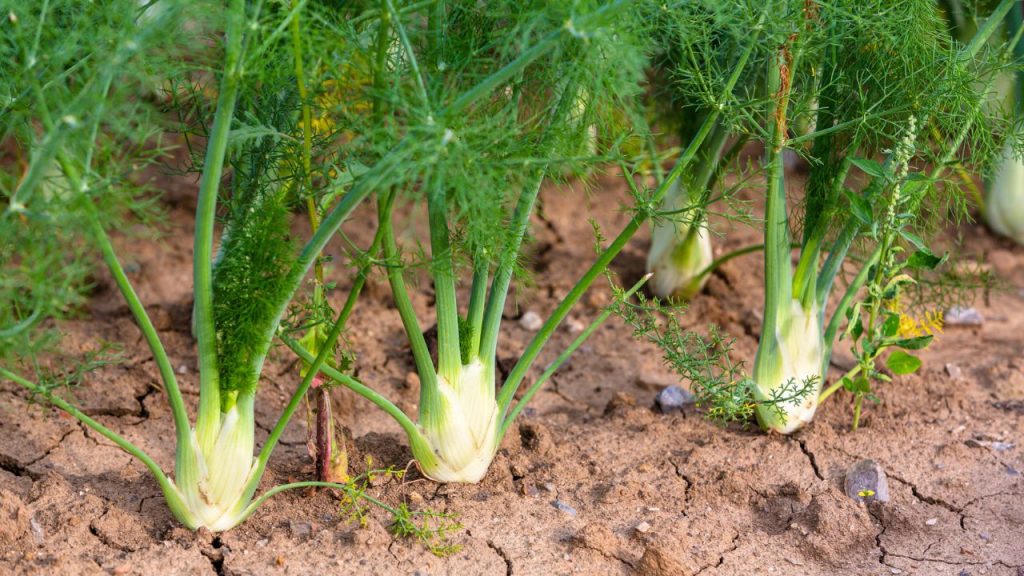
Fennel can be a frustrating plant to grow, even though it’s a favorite in many kitchens. It doesn’t handle stress well—too much heat, not enough water, or being moved after planting can all cause it to bolt.
It also requires specific growing conditions to thrive. If it’s planted too close to other vegetables, the bulbs may not form properly because the plants compete for nutrients. Fennel is known to emit chemicals that can impact nearby plants, rendering it a poor companion in mixed beds. Because of this, some gardeners grow it in containers or give it a spot all to itself. It can be done, but it takes careful planning and attention.
Artichokes
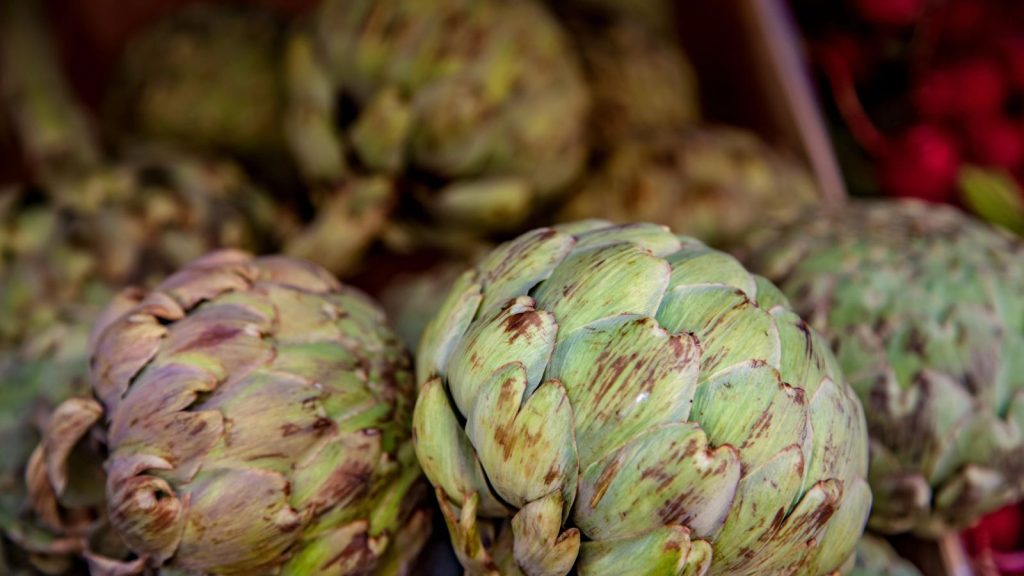
Artichokes may look impressive in the garden, but growing them takes serious patience. They can take up to 2 years to mature and require a period of cold (known as vernalization) to trigger flowering.
Artichokes also prefer sandy, well-drained soil with consistent moisture—making them a challenge for gardeners with clay soil or inconsistent watering.
Asparagus
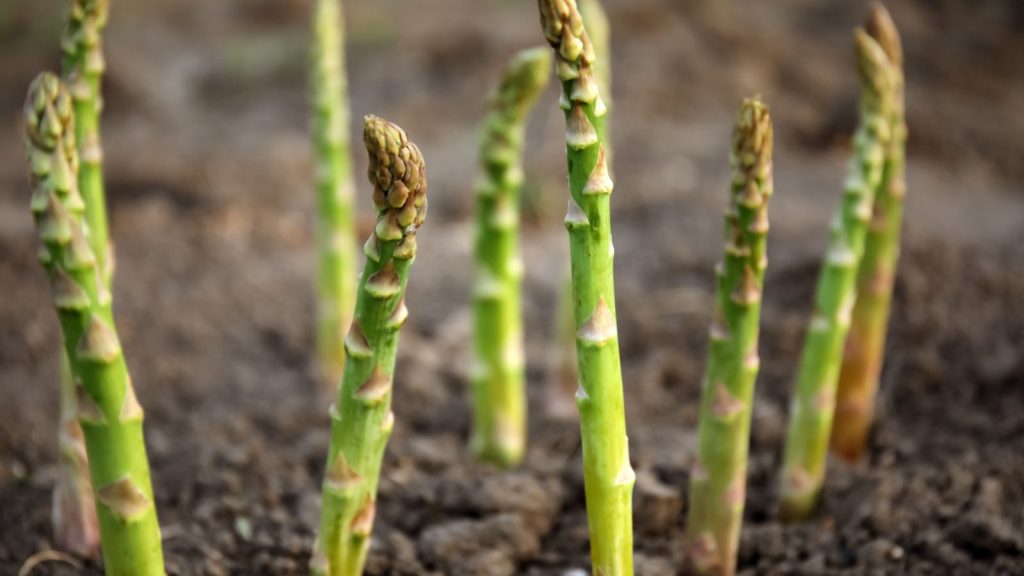
Asparagus is a long-haul crop. It can take three to five years before you get a decent harvest, and it needs plenty of space to grow—each plant can spread several feet. It’s also a perennial, so you’ll need to commit to a permanent spot in the garden. While the payoff is worth it for some, many gardeners find asparagus too slow and space-hungry to justify growing it.
Bell Peppers
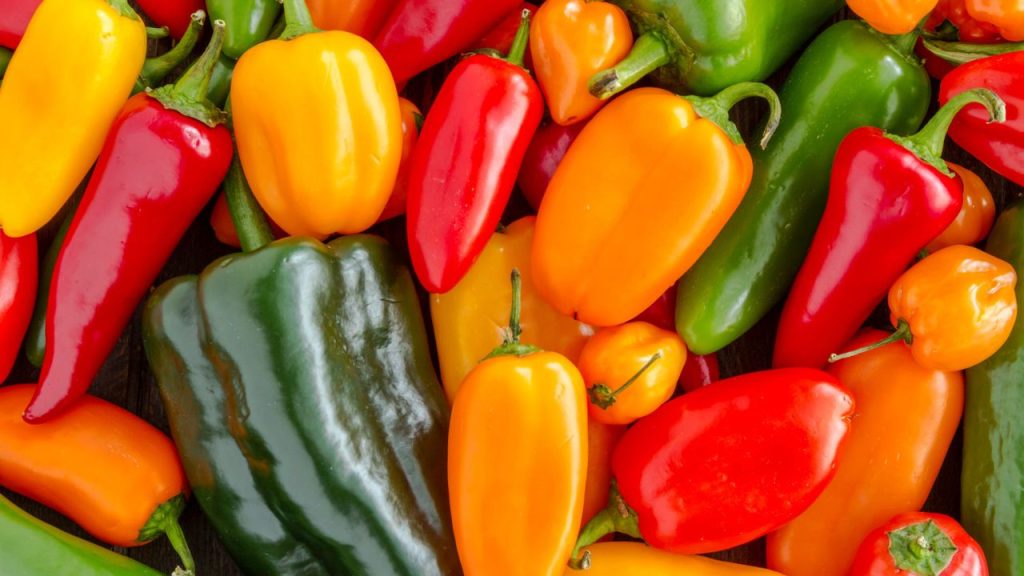
Bell peppers may be popular, but they’re surprisingly fussy—especially in cooler climates. They need warm, consistent temperatures to thrive, and don’t handle cold snaps or excessive heat well. They’re also slow to mature, prone to pest problems like aphids and spider mites, and often struggle with blossom end rot due to uneven watering or calcium imbalances.
Brussels Sprouts

Brussels sprouts demand both time and attention. They take 80 to 110 days to mature after transplanting, and during that time, you’ll need to stay on top of watering, feeding, pest control, and even staking.
Cauliflower

Cauliflower is known for being picky. It needs steady, cool weather over several weeks to form full heads. It’s also sensitive to water stress—too much or too little can result in bitter, tough florets. In short, cauliflower doesn’t like surprises.
Celery
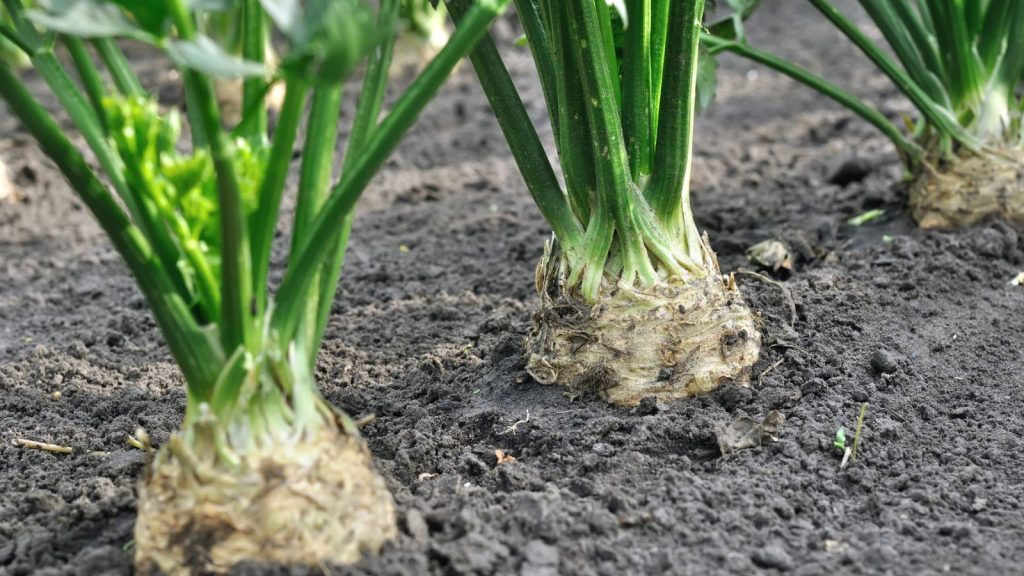
Celery has a reputation for being one of the most high-maintenance vegetables to grow. It needs consistently moist (but not soggy) soil, prefers cool weather, and requires nutrient-rich conditions to avoid becoming stringy or yellow. It’s also a slow grower and easily stressed, making it hard to grow well without careful attention.
Cilantro
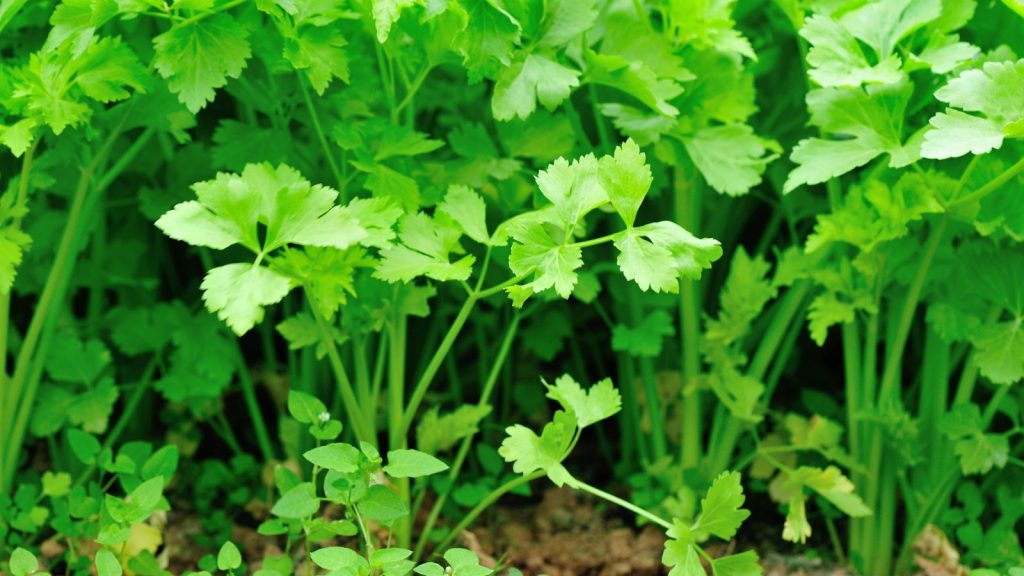
Cilantro can be frustrating, especially in warm climates. It bolts quickly as soon as temperatures rise, sending up flowers and going to seed before producing many usable leaves. Even in cooler weather, cilantro has a short harvest window. It grows fast but also fades quickly—making timing and succession planting essential.
18 Herbs That Boost Soil Health and Biodiversity in a Permaculture Garden
Corn
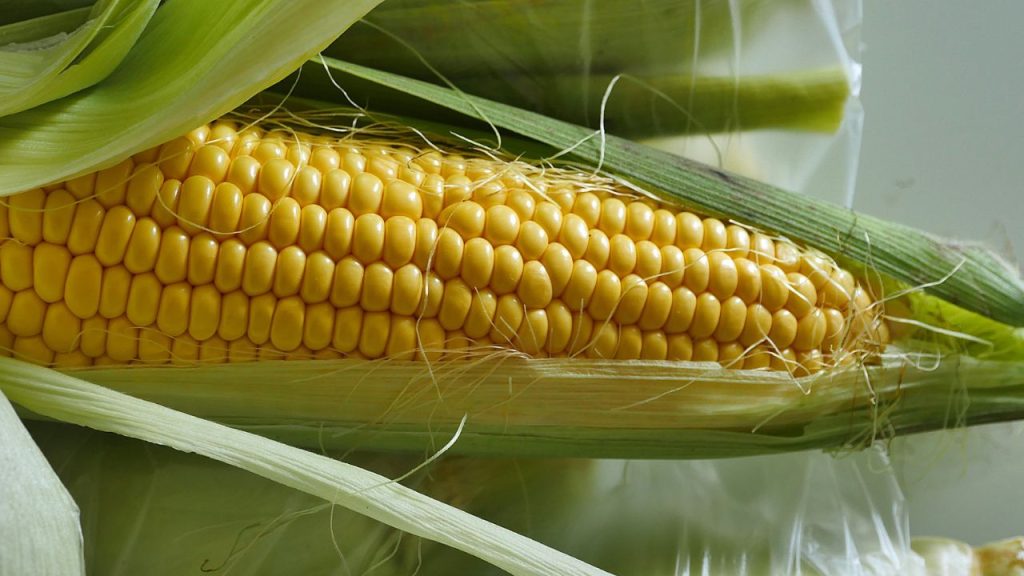
Growing corn in a home garden sounds great in theory, but it’s tough to do well on a small scale. Corn is wind-pollinated and needs to be planted in large blocks (not rows) for good pollination. Without enough plants, you’ll end up with poorly developed ears. It also needs full sun, lots of nutrients, and space to grow, so it’s not ideal for container gardens or tight plots.
Eggplants
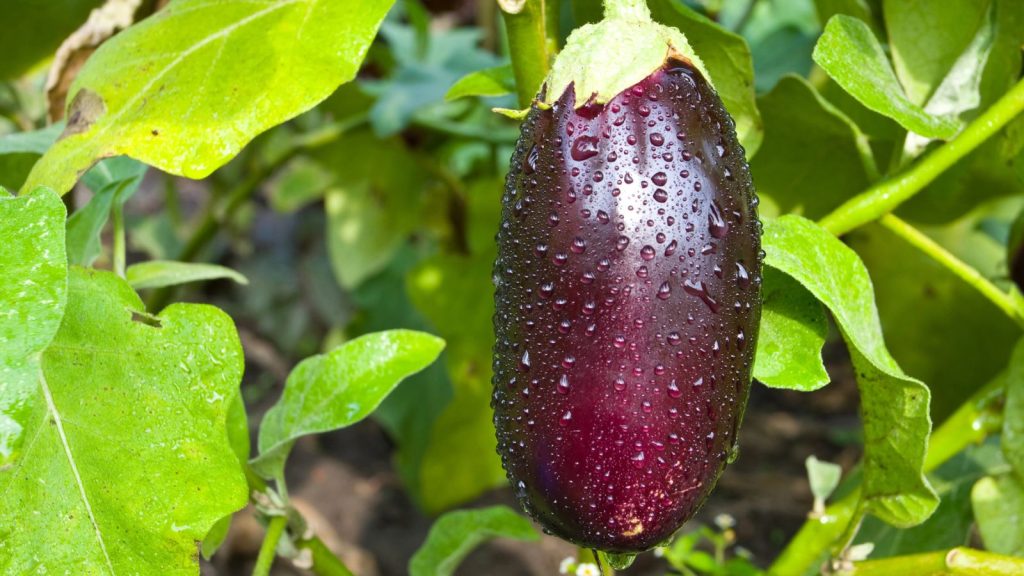
Eggplants are heat-loving plants that require a long growing season, making them challenging to grow in cooler or short-season areas. They’re also highly susceptible to pests like flea beetles, which can chew up leaves early in the season and stunt plant growth. Without consistent warmth and protection, eggplants may struggle to produce a satisfying harvest.
Related: The Best Companion Plants to Support Your Slow-Growing Eggplants
8 Best Raised Garden Beds (What to Consider Before Buying)
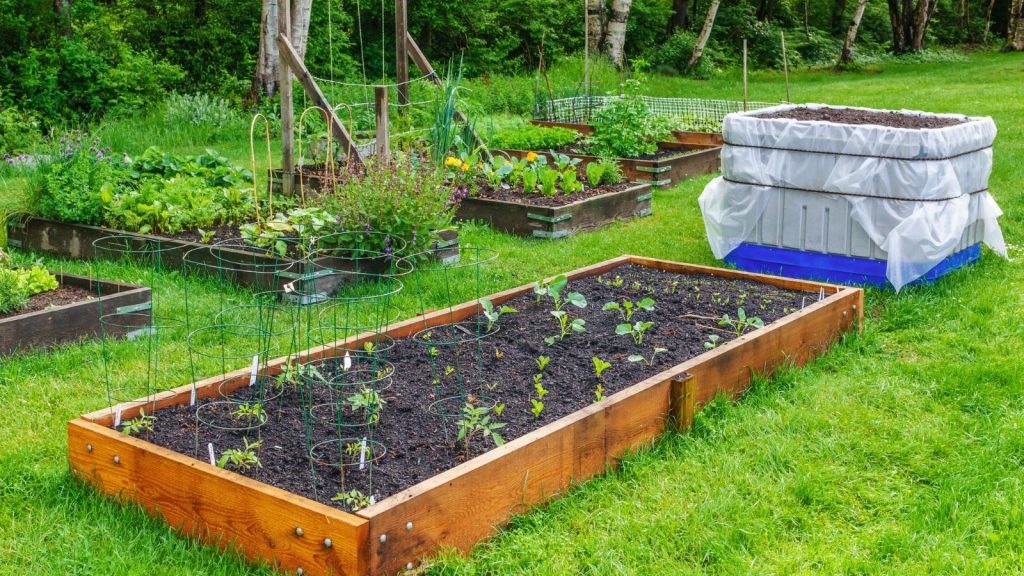
But with so many options available, how do you know what type of garden bed will meet your needs? To set you on the right path, check out our guide to the best garden beds to buy!
32 Colorful Perennials That Will Never Leave Your Garden Once Planted

If you want to brighten your garden, consider these 32 colorful varieties that will thrive and bring life to your outdoor area year after year.
32 Colorful Perennials That Will Never Leave Your Garden Once Planted