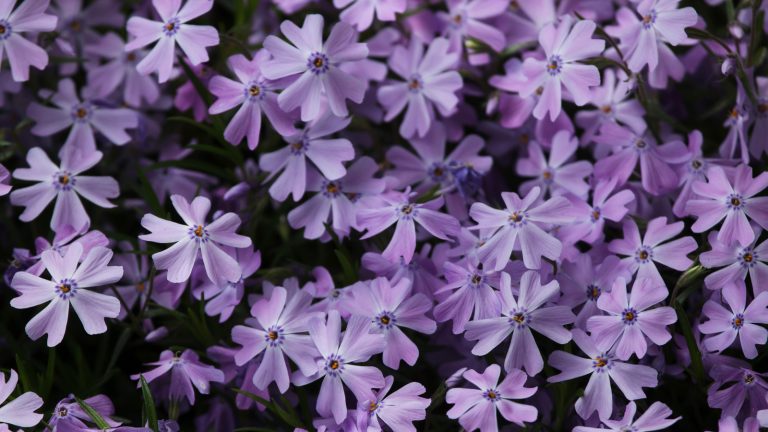



Have you ever noticed how hydrangeas seem to shift colors like magic? With blooms in dazzling pinks, soft blues, and mesmerizing purples and greens, a bed of flowering hydrangeas is a magnificent sight indeed. And, if you grow hydrangeas, the trick to changing the color of their blooms is easier than you might think!
The secret to hydrangeas changing color lies in the chemistry of their soil, as they respond to the pH and aluminum content of the earth they grow in.
Their responsiveness to changes in the soil makes hydrangeas fascinating and fun for gardeners to experiment with. We will explore some quick and easy ways to alter your soil’s pH and aluminum content, creating the perfect conditions for an array of vibrant blues, rosy pinks, and dreamy purples.
Hydrangea Soil Preference by Color

Hydrangeas’ color-changing abilities are all about soil chemistry, specifically the pH level and aluminum content in the soil:
- Blue – Acidic soil (pH 5.5 or lower) with sufficient levels of aluminum.
- Purple – Soil with a neutral or slightly acidic pH (around 5.5–6.0).
- Pink – Alkaline soil (pH 6.0 or higher) with slight aluminum deficiency.
- Red – Highly alkaline soil with low aluminum availability (certain varieties only)
- Multicolored – Hydrangeas in neutral soil conditions can display a mix of blue, pink, and purple on the same plant.
- White – Naturally, white varieties usually stay white regardless of soil pH, although their shades may vary slightly.
- Green – Some hydrangeas develop a green tinge to their blooms as they age or due to environmental factors.
1. Aluminum Sulphate

Aluminum sulfate makes the soil more acidic and provides aluminum, a key element needed for blue blooms. This method is best for soils that are already slightly acidic but need a stronger boost to achieve vibrant blue blooms.
To make your hydrangeas blue, dissolve one tablespoon of aluminum sulfate in a gallon of water and apply it to the soil around the base of the plant every two to four weeks during the growing season. Be sure to water the plant thoroughly beforehand to prevent root burn and avoid over-application, which can harm the plant.

2. Garden Lime

Garden lime raises the soil’s pH, making it more alkaline and encouraging pink hydrangea blooms.
To use, sprinkle 1 cup of garden lime evenly around the base of the plant and water thoroughly to help it absorb into the soil. Apply this treatment twice a year, ideally in early spring and again in fall.

3. Organic Compost

Compost improves soil health while gradually lowering pH over time. To naturally encourage blue blooms, work a 2-inch layer of compost made from acidic materials (like fruit scraps or coffee grounds) into the soil around each hydrangea plant at the start of the growing season.
4. Elemental Sulfur

For a long-term way to acidify the soil and stimulate beautiful blue hydrangea flowers, sprinkle 1 to 2 tablespoons of elemental sulfur per square foot of soil and mix it into the top few inches. Use this method in the fall to allow soil microbes time to break it down before the next growing season.
5. Wood Ash

Wood ash neutralizes acids and increases soil alkalinity, encouraging pink blooms on your hydrangeas. Use this method sparingly, as too much wood ash can disrupt the delicate balance of nutrients and microbes in the soil.
Lightly sprinkle wood ash (no more than 1/4 inch thick) around the base of the plant and mix it into the top layer of soil.
6. Diluted Vinegar

For a quick, temporary boost in soil acidity, mix 1 tablespoon of white vinegar into a gallon of water and pour it around the base of the plant.
This method is ideal if you’re looking for a short-term adjustment, but it will need to be reapplied every few weeks. Avoid splashing the leaves to prevent potential damage.
7. Coffee Grounds

Scatter used coffee grounds around the base of your hydrangeas and gently work them into the topsoil to lower soil pH over time and provide a slight nitrogen boost. For consistent results, refresh the coffee grounds every few weeks during the growing season.
8. Crushed Egg Shells

Dry and crush egg shells into small pieces, then sprinkle them around the base of the plant and lightly work them into the soil. Over time, the calcium carbonate in the shells will raise the soil’s pH, encouraging pink blooms.
9. Pine Needles

Spread a 2- to 3-inch layer of pine needles around the base of the hydrangea to act as a mulch, topping it up as it decomposes. As the needles break down, they gradually acidify the soil, promoting blue blooms.
10. Low-Phosphorous Fertilizer

Use a low-phosphorous fertilizer labeled 25-5-30 or similar to encourage blue flowers. Following the package instructions, apply the fertilizer every 4 to 6 weeks during the growing season.
11. Dolomite Lime

Dolomite lime is a slower-acting alternative to garden lime but will gradually raise the soil pH year after year, encouraging delightful pink hydrangea blooms. Apply dolomite lime at a rate of 5 pounds per 100 square feet of soil, mixing it into the top 6 inches of soil to avoid hotspots.

12. Rainwater Irrigation

Rainwater is naturally acidic and will naturally turn hydrangea flowers into a beautiful shade of pale blue. Collect and use rainwater whenever possible, watering regularly to keep the soil evenly moist.
20 Hidden Water Sources That Can Keep You Alive in an Emergency
13. Ammonium Sulfate Fertilizer

Ammonium sulfate is a quick-acting fertilizer that acidifies soil while providing nitrogen for healthy growth, encouraging vibrant blue blooms.
Apply ammonium sulfate at a rate of 1 tablespoon per gallon of water and water the soil around your hydrangeas every two to four weeks during the growing season.

14. Liquid Iron Supplements
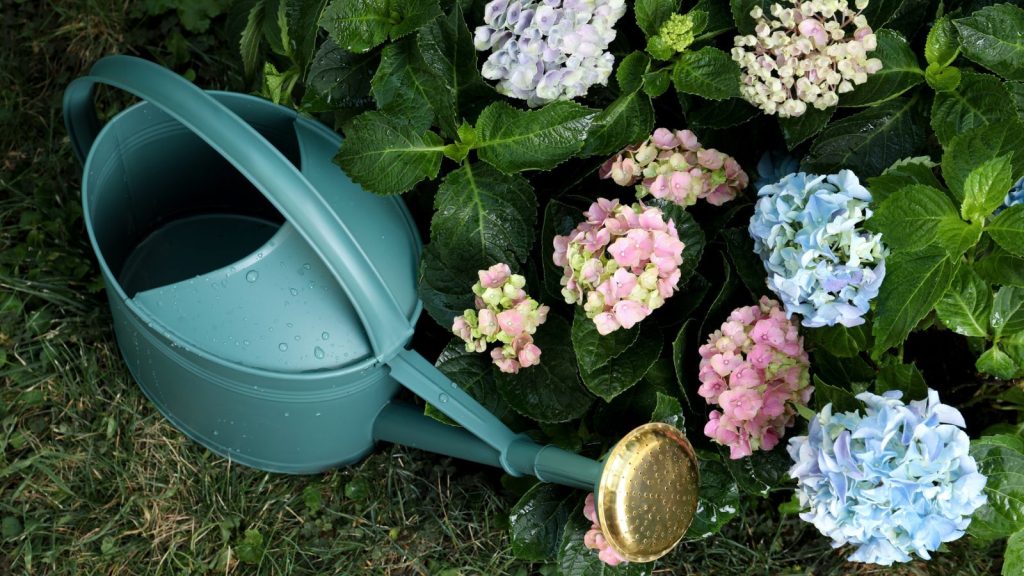
Liquid iron supplements are a quick-acting treatment that temporarily lowers soil pH and provides essential nutrients for blue blooms. Apply according to the package instructions regularly throughout the growing season. You can get liquid iron supplements online, from a garden center, or online.
15. Rusty Nails

Bury a few rusty nails or pieces of iron near the base of your hydrangeas. As they break down, they release small amounts of iron into the soil, which can help acidify it over time. This method works best as a supplemental treatment alongside other soil amendments.
Here’s Why Your Hydrangeas Didn’t Bloom This Year

There are numerous reasons why hydrangeas may not bloom as they once did. This issue is common and often stems from unmet needs.
Here’s Why Your Hydrangeas Didn’t Bloom This Year
Plants You Should Never Grow Too Close To Your Hydrangeas

Although hydrangeas can be compatible with many plants, some can adversely affect their growth. Here are 14 plants you should never grow next to your hydrangeas.
Plants You Should Never Grow Too Close To Your Hydrangeas
19 Flowers You’ll Adore If You Love Hydrangeas

If you’re a fan of hydrangeas and looking to expand your floral horizons, we’ve got a treat for you! Let’s take a look at some of the best plants and shrubs to grow alongside or instead of hydrangeas.
19 Flowers You’ll Adore If You Love Hydrangeas

Kate Chalmers
Kate is a passionate gardener who has a keen interest in all things related to homesteading and sustainability. She resides in Portugal with her husband and menagerie of animals and has over 15 years of experience in the UK veterinary industry. In 2020, Kate and her husband took on a dilapidated Portuguese house and abandoned olive grove, turning it into an abundant food forest and home for nature.
Life on the homestead is never the same from one day to the next, and Kate has mastered many skills that she is keen to pass on to anyone with an interest in becoming more self-sufficient. Kate believes that living a sustainable lifestyle is the key to happiness and fulfillment and that everyone can make simple changes that connect us back to nature and reduce our impact on the planet.