
Emergencies—whether natural disasters, power outages, or personal crises—can happen when you least expect them, often disrupting daily life in an instant. Being prepared can help reduce stress, protect your loved ones, and ensure you have the resources needed to navigate unexpected situations.
If you’re new to emergency prepping, the thought of getting started can feel overwhelming. Questions about what to prioritize, how much to stockpile, and where to begin might leave you unsure of your first steps. The good news is that emergency prepping doesn’t have to be complicated. By breaking it down into manageable tasks, you can build a solid foundation of preparedness one step at a time.
This guide will help you start small, focus on the essentials, and create a practical plan tailored to your needs. Let’s dive into the basics of emergency prepping and set you on the path to being ready for whatever life throws your way.
1. Start with a Plan

Identifying the types of emergencies most likely to occur in your area. Whether it’s hurricanes, earthquakes, or winter storms, understanding potential risks will guide your preparations. Write down a plan outlining what you’ll do in each scenario, including evacuation routes and communication strategies. Your family should be a part of this planning process.
2. Build a Basic Emergency Kit:

A good emergency kit is essential. Start with the basics. Water, non-perishable food, a flashlight, extra batteries, a first-aid kit, and a multi-tool. You can add more as you go along.
3. Focus on Water Storage

Water is critical for survival. If possible, store at least three days’ worth of water for each person in your household. It’s impossible to store enough water to last indefinitely. Use rain barrels, set up a pool, or store containers you can use to carry water from a nearby lake or river.
4. Create a Bug Out Bag:

A 72-hour bag is meant to sustain you for three days if you need to evacuate. Include food, water, clothing, hygiene items, a flashlight, a whistle, and copies of important documents. Ideally, everyone in your family should have a Bug Out Bag.
How to Prepare an Emergency Bug-Out Bag (For Any Situation)
5. Learn Basic First Aid:

Knowing how to treat minor injuries can be life-saving. Take a basic first-aid and CPR course to get the knowledge you might need in an emergency.
6. Secure Important Documents:

Keep copies of critical documents such as IDs, insurance policies, medical records, and financial information in a waterproof and fireproof container. Digital backups are also a good idea.
7. Start Small with Food Storage:

Stock up on non-perishable foods that your family already eats, such as canned goods, pasta, and rice. Aim to build a supply that lasts at least one week and gradually expand from there. Don’t get carried away. If you have one can of green beans on your grocery list, buy two and put the second in your food storage.
8. Understand Emergency Communications:

Know how you’ll stay informed during an emergency. Invest in a hand-crank or battery-powered radio to receive weather alerts and news updates if cell towers go down.
9. Prepare Your Vehicle:

Keep your car ready for emergencies by maintaining it regularly and storing a small emergency kit in the trunk. Include jumper cables, a first-aid kit, a flashlight, and basic tools. Always keep the tank at least half-full.
19 Winter Survival Items You Should Always Keep in Your Car
10. Learn Basic Survival Skills:

Learn skills like starting a fire, purifying water and shelter building. These can be invaluable if you’re ever in a survival situation.
14 Survival Skills You Can Master Without Leaving Your Couch
11. Plan for Your Pets:

Don’t forget about your furry friends. Include pet food, water, and any necessary medications in your emergency supplies. Consider a carrier or leash for easy transport.
12. Practice Home Safety:

Identify potential hazards in your home. Anchor heavy furniture, install smoke detectors, and know how to shut off utilities like gas and water. Teach everyone in the family what to do if there is an emergency.
13. Get to Know Your Community:

Building relationships with neighbors can be a valuable part of emergency preparedness. You need a network of support.
14. Get in Shape:

Being in good physical shape can make a big difference during emergencies that require physical effort, such as evacuating or carrying supplies. You don’t need to be a gym rat, but you want to be able to walk long distances without dropping from exhaustion.
15. Update Regularly

Emergency preparedness is an ongoing process. Review your supplies, plans, and skills at least once a year.
Rotate food and water supplies to ensure they stay fresh every month. Keep a running inventory to make sure you have a balanced stockpile of food and other essentials.
16. Collect Tools:
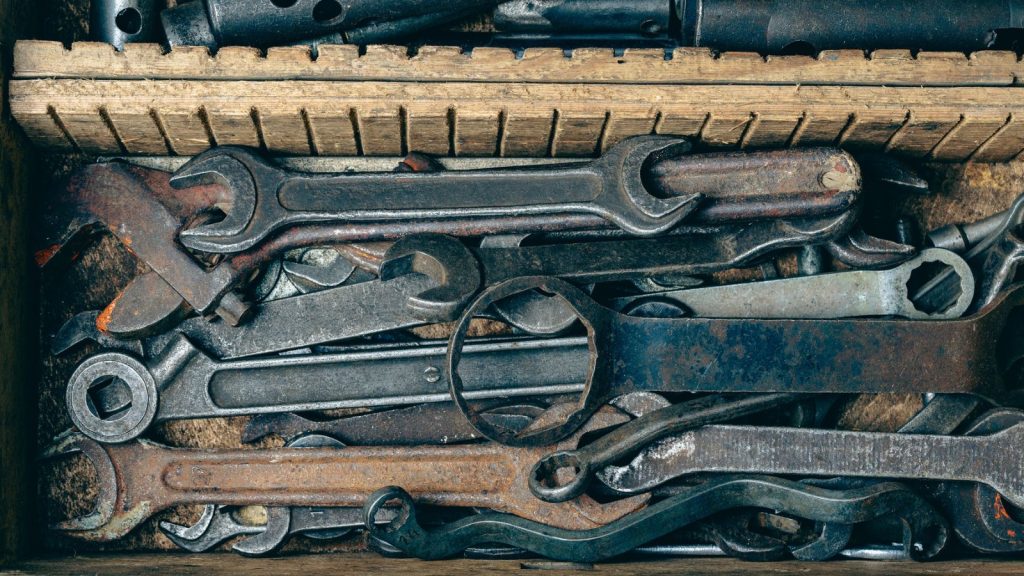
Put together a toolkit with manual tools. You’ll need these to take care of things around the house.
17. Stock Supplies:

You’ll need things like plastic, tarps, rope and so on. The list can be endless, just take it a little at a time.
15 Essential Things Preppers Should Stockpile Besides Food And Water
18. Supply Room:

Find a room in your house or basement, or designate a closet to build your stockpile. Keep it organized to avoid things getting chaotic and overwhelming.
28 Pantry Staples You’ll Be Surprised to Learn Are This Easy to Make at Home

What if you could make your favorite pantry staples at home instead of buying them at the store? Making things from scratch is a simple way to rely less on grocery stores and have more control over what’s in your food.
28 Pantry Staples You’ll Be Surprised to Learn Are This Easy to Make at Home
14 Prepper Items to Buy at the Thrift Store

For preppers, thrift stores can be a real resource. Building up a stockpile of essential supplies to support your family over an extended period can quickly become quite costly. With that in mind, thrift stores are a great place to find some key items preppers often look for. Here are 14 essential prepper finds you can pick up at a thrift store.