
A cluttered pantry isn’t just an inefficient use of space – it can also lead to wasted food, duplicate purchases, and the frustration of not finding what you need.
By decluttering, you’ll make your pantry more functional, reduce food waste, and create a cleaner, more organized space for meal planning and cooking. Plus, you might find some nice surprises tucked away at the back of your pantry shelves!
Here are a few things you should consider purging from your pantry today.
Expired or spoiled Items

Food past its expiration date takes up valuable space and can even be harmful. Clearing these out ensures your pantry is safe and fresh and that your culinary efforts are always a success.
- Expired canned goods
- Stale or spoiled snacks
- Old spices and seasonings
- Expired baking supplies
- Condiments past their expiration date
Duplicates or excess items

Having too much of the same item creates clutter and makes it harder to find what you need. Streamlining these duplicates helps you stay organized and saves valuable space.
- Multiple open bags of the same item
- Extra condiments you’ll never use
- Partial boxes of cereal you’re not eating
Items you don’t like or won’t use

Foods you don’t like or rarely use are a waste of space – if you haven’t eaten them by now, you’re probably not going to! Donating or discarding these items clears room for things you love and will actually use.
- Food gifts you didn’t enjoy
- Specialty ingredients from a one-off recipe
- Snacks that no one in your household eats
- Diet food, you’ve abandoned
Damaged or unusable foods

A thorough check of your pantry shelves may reveal damaged packaging or spoiled items that could be unsafe to consume.
- Canned foods with dents or rust
- Opened or ripped packaging
- Stale or soggy items due to poor storage
Non-food items

Your pantry isn’t just for food – non-food clutter like paper goods or storage items can quickly build up if not regularly managed.
PromotedUS & Schengen Visa Guide
Get step-by-step assistance for your tourist visa approval.
- Old or damaged storage containers
- Reusable bags or grocery totes taking up space (yes, we all have a bag of bags in there somewhere!)
- Disposable cutlery and napkins you don’t use
- Worn-out shelf liners
Overstocked items
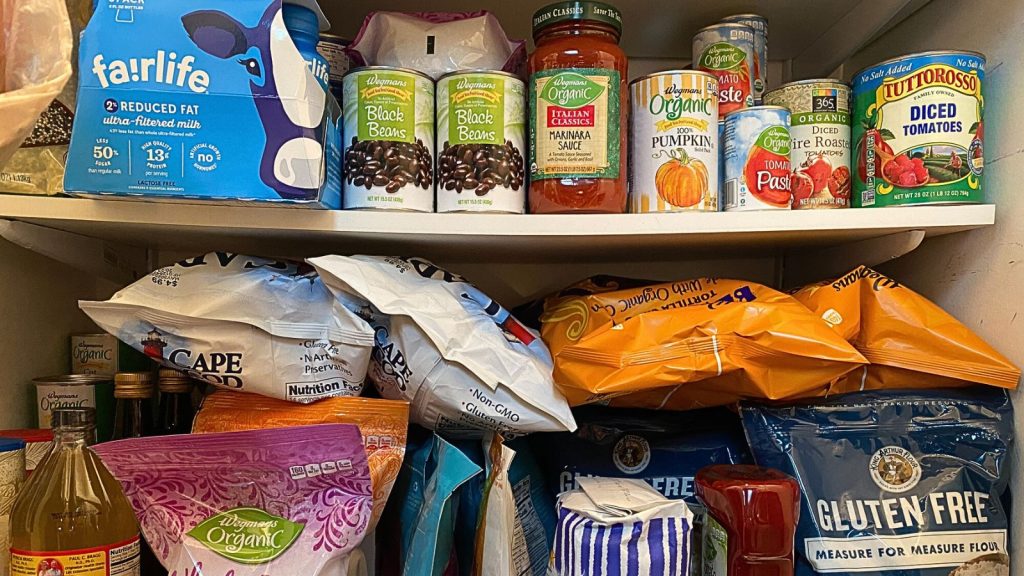
Sometimes we stock up on far too much and the sheer volume of items can become overwhelming – this is a particular problem if you’re a fan of cash-and-carry or grocery surplus stores. Letting go of these can make your pantry feel more manageable and useful.
- Food stored too long in bulk
- Outdated meal kits
- Expired meal replacement powders
- Excess pet food you no longer need
Unnecessary junk
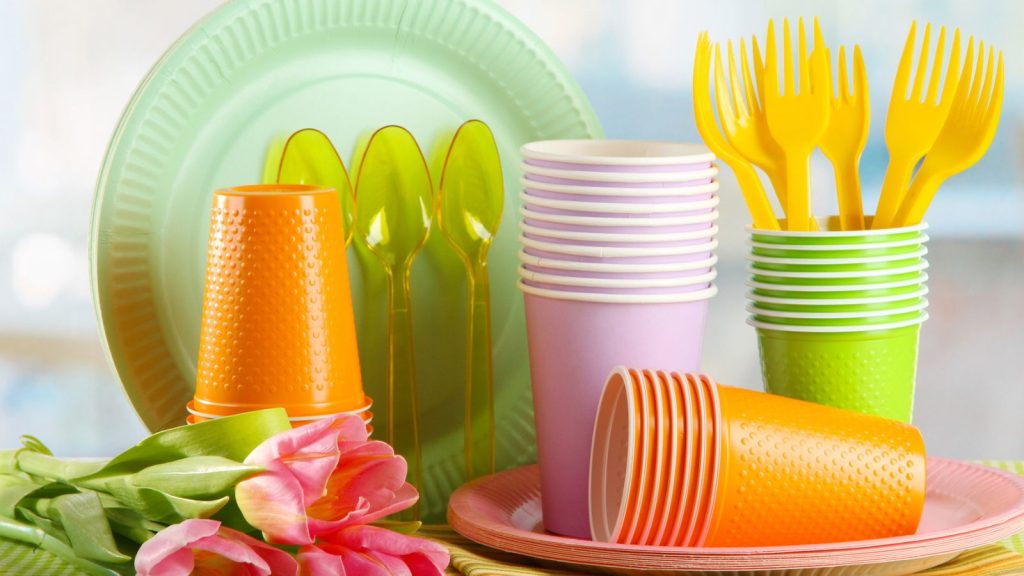
Yes, we know it wasn’t junk when you dumped it in there, but pantry shelves can quickly accumulate miscellaneous items that don’t belong there! Tossing these or moving them to a more suitable location will make it easier to find what you actually need.
- Plastic utensils or straws
- Single-serve condiment packets
- Takeout menus, coupons, or receipts
- Duplicates of appliances (e.g., do you need a rice cooker if your slow cooker has a rice function?)
- Unused specialty tools like a dough scraper or
garlic roaster - Outdated or unused cookbooks
Healthier alternatives

Making healthier food choices often means letting go of items that don’t align with our goals. Tough as it may be, getting rid of these items can lead to better eating habits in the future!
- Sugary snacks or candy
- Artificially flavored or overly processed items
- Items you’re cutting out due to dietary restrictions

Kate Chalmers
Kate is a passionate gardener who has a keen interest in all things related to homesteading and sustainability. She resides in Portugal with her husband and menagerie of animals and has over 15 years of experience in the UK veterinary industry. In 2020, Kate and her husband took on a dilapidated Portuguese house and abandoned olive grove, turning it into an abundant food forest and home for nature.
Life on the homestead is never the same from one day to the next, and Kate has mastered many skills that she is keen to pass on to anyone with an interest in becoming more self-sufficient. Kate believes that living a sustainable lifestyle is the key to happiness and fulfillment and that everyone can make simple changes that connect us back to nature and reduce our impact on the planet.
Fast Track Schengen Visa
Learn how to secure your European visa quickly and easily.