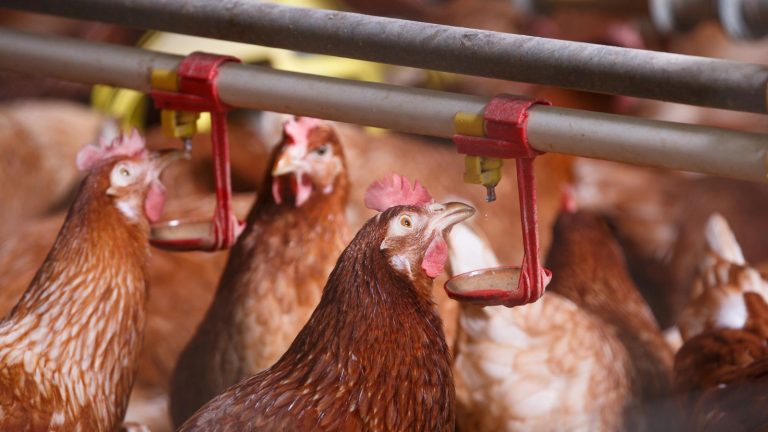

One of the best things about keeping chickens is hanging out with the flock while they snack on some tasty treats. But raising chickens doesn’t mean spending a fortune on fancy snacks, as many of the best treats for chickens are already in your kitchen or backyard! From pantry staples to garden weeds, your flock will be delighted to peck away at any of the treats listed below.
But first, a quick word on feeding treats to chickens safely. As much as chickens love treats, the bulk of their diet should be a balanced feed tailored to their life stage.
Treats should make up no more than 10% of their daily food intake, and only be given in the afternoon when they’ve filled up on their regular feed. Avoid anything moldy, salty, or overly processed, and steer clear of toxic foods like raw beans, chocolate, or anything with caffeine.
Other Posts You Might Like:
- What Can Chickens Eat? An Alphabetical Guide to Chicken Feed
- How to Ferment Chicken Feed
- Can Chickens Eat Grapes?
- Emergency Chicken Feed: What to Do When You Run Out of Feed
Breakfast cereal
You know those last bits of cereal that get left at the bottom of the bag? Give them to your flock for a tasty treat! Just make sure it’s low in sugar and doesn’t contain chocolate.
Cooked rice

Our local farm supply store sells large bags of broken rice – the bits and fragments left over after processing whole rice for human consumption. We cook this up in batches (unsalted) to bulk out our hens’ daily food rations.
Overripe bananas
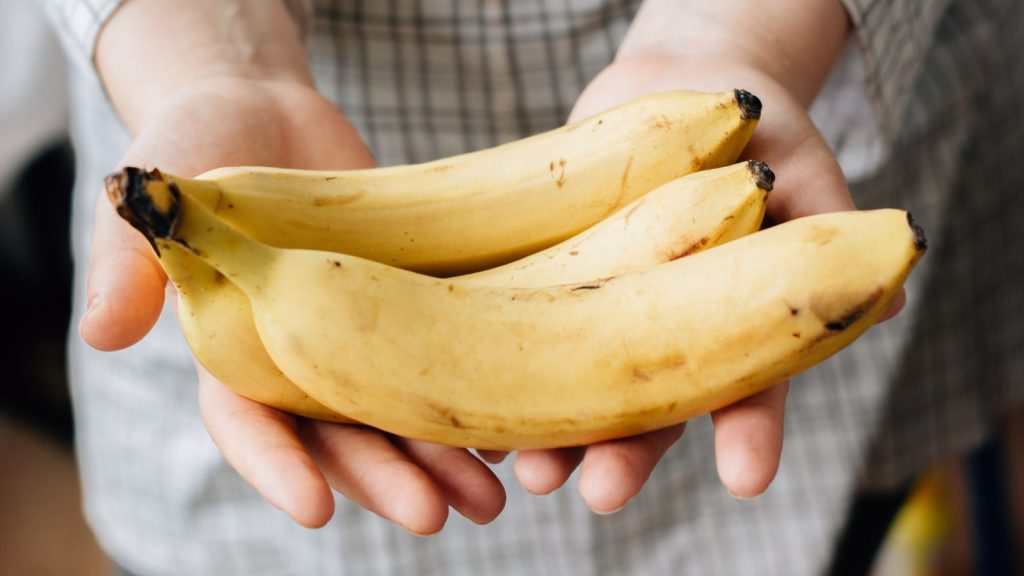
Got a few bananas that are past their best? Our chickens love the sweet flavor and soft texture of overripe bananas! Bananas are rich in nutrients but also high in sugar, so keep them as an occasional treat.
Cabbage
We grow large cabbages just for our chickens, but they’re also inexpensive to buy from the grocery store. Either pull off the outer leaves for your flock or hang a whole cabbage in the run for some fun environmental enrichment.
Bread crusts
While not particularly nutritious, chickens love to nibble on bread crusts as a special treat. Stale bread is fine, but make sure it is mold-free.
Mealworms
Dried
Cracked corn
Cracked corn is a budget-friendly treat for chickens that is fun to scatter in the run. This helps keep your flock active as they peck and forage for a tasty snack.
Garden weeds
Every time I weed the vegetable patch, I throw a bucket of weeds in the run for our hens to peck through. They might not eat it all, but they have a great time searching for their favorite snacks! We also collect chickweed, clover, dandelions, and comfrey from overgrown areas to add some extra greens to their diet.
Cooked eggs
Got a few too many eggs from your flock? Cook up the spares and they’ll devour this protein-rich treat! While you’re at it, bake and crush eggshells to give your laying hens much-needed calcium.
Frozen veggie blocks
Keep your hens cool in summer by making them some iced veggie treats. Freeze
Zucchini
As any gardener knows, there comes a point every summer when we all have a huge surplus of
Popcorn

Your kids will adore making a batch of popcorn for their hens! Popping corn is inexpensive and an easy way to make a fun treat for chickens. Just make sure to skip the salt and other flavorings – plain popcorn only.
SponsoredCheap Flights to Europe & USA
Book your tickets now and save up to 40% on top destinations.
Bolted vegetable crops
It happens to us all – carefully tended lettuces,
Sunflower heads
I’d highly recommend growing a row of
Corn cobs
When you’ve finished your summer barbecue, throw the leftover corn cobs into the chicken run. You might think you’ve eaten all the tasty parts, but your hens will peck away at them for hours!
Pumpkin & winter squash
Every summer, I grow a few extra pumpkin and squash plants. Their crops can be stored in a cool place for several months, giving our hens a tasty and nutritious treat in the winter. Some hens will eat raw pumpkin and squash, but our pampered girls prefer them cooked.
Spoiled garden veg
Oversized cucumbers, split tomatoes, and kale infested with caterpillars? These spoiled crops might not be any good for your kitchen, but chickens will love them!
Crickets
Store-bought dried crickets are a protein-packed treat that chickens adore. If you’re feeling particularly resourceful, live crickets can be reared at home for very little cost.
Cooked pasta
Many animal feed stores sell cull pasta, meaning it didn’t make the grade for human consumption but is fine to feed to animals. Feed it cooked but unsalted as a low-cost source of carbohydrate.
Watermelon rinds
Chickens will peck away at watermelon rinds for hours, relishing every last nibble of sweet, juicy flesh. They also love whole slices of watermelon, particularly the seeds.
Cooked beans
We regularly cook up unsalted beans for our flock when they are molting. The extra protein boosts feather growth, helping them get through this difficult period with minimal stress.
DIY treat mix
Make up a jar of your chickens’ favorite seeds – we use rolled oats, cracked corn, black oil sunflower seeds, and a pinch of dried herbs. Store it in a cool place for a quick, scoopable snack.
Cooked vegetable scraps
When you’re prepping veg for dinner, keep the scraps and cook them up for your hens. We pop them all together in a pan with some fodder rice to make a tasty, nutritious meal for our flock.
Grab Your Chicken Record Keeping Planner
Take the guesswork out of managing your flock with this all-in-one Planner! This 45-page printable bundle helps you track egg production, maintain bird health, organize coop chores, and stay on top of your poultry finances—all in one place.
$17

Kate Chalmers
Kate is a passionate gardener who has a keen interest in all things related to homesteading and sustainability. She resides in Portugal with her husband and menagerie of animals and has over 15 years of experience in the UK veterinary industry. In 2020, Kate and her husband took on a dilapidated Portuguese house and abandoned olive grove, turning it into an abundant food forest and home for nature.
Life on the homestead is never the same from one day to the next, and Kate has mastered many skills that she is keen to pass on to anyone with an interest in becoming more self-sufficient. Kate believes that living a sustainable lifestyle is the key to happiness and fulfillment and that everyone can make simple changes that connect us back to nature and reduce our impact on the planet.
Car Rental Discounts Abroad
Rent a car for your road trip with zero hidden fees.