In an emergency situation, don’t underestimate the value of everyday household items to ease your comfort and help you survive. Many objects and materials found in our homes have several different uses, and one multipurpose item that should be included in any survival kit is aluminum foil.
Yes, that’s right – a simple roll of aluminum foil can offer life-saving solutions in the wilderness or during unexpected emergencies! It is also lightweight, inexpensive, and durable, making it ideal for packing in your home survival kit or bug-out bag. Let’s take a look at the 18 most effective survival uses for aluminum foil!
Fishing

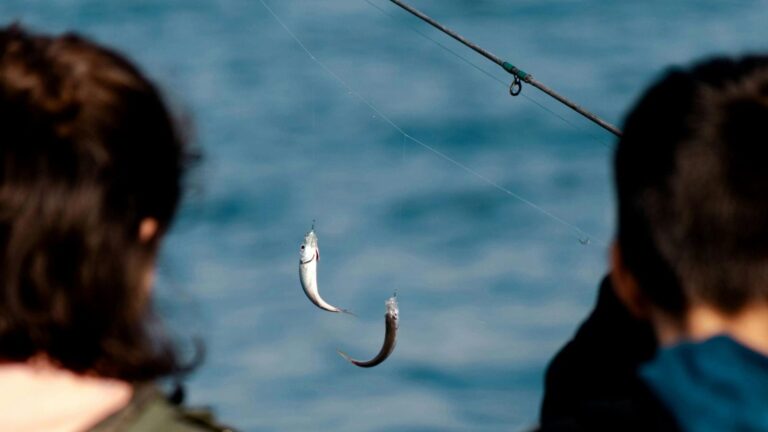
Finding food is the key to survival, and aluminum foil is a surprisingly useful aid for catching fish. The surface of aluminum foil resembles fish scales and can be used as a lure to attract larger fish onto your hook.
Cooking

When cooking over an open flame, wrap fish, vegetables, or other foraged items tightly in aluminum foil to trap moisture and help cook food evenly without drying out. This is a great hack if you don’t have any pots or pans available, and if unfolded carefully, the foil can be used again and again.
Boiling Water

Aluminum foil can be molded into a cup shape to boil water over an open fire or stove. Use double or triple-thickness foil to add robustness, and fold edges and joins tightly to create a firm seal.
Reflecting Heat

Have you ever seen runners using foil blankets to keep warm after a race? This is because foil has incredible heat retention properties and can be used in the same way to keep you warm in a survival situation. One useful technique is to create a reflective barrier that directs heat from a campfire towards yourself, helping to conserve heat and keep you warm.
Improvised Crockery

Aluminum foil can be folded into a small container to use for eating, drinking, or gathering water. Use multiple layers to make the container sturdier and prevent leaks, and pack it away carefully to protect it from damage.
Funneling

When collecting precious rainwater, craft a funnel from aluminum foil to reduce spills and leaks. Line the funnel with a small piece of cloth to filter out dirt and debris.
Shelter Building

Aluminum foil can be used to line the walls of a makeshift shelter, helping to insulate the structure, block drafts, and conserve precious body heat. It can also be wrapped around branches to strengthen the structure and prevent damage to the tarp or fabric.
Sharpening Tool

If you’re in a pinch, aluminum foil can sharpen knife and scissor blades. Fold a piece of foil into multiple layers and use it to carefully hone the edge of the blade—this method won’t replace a true sharpener but is a short-term solution in a survival situation.
Food Protection

Did you know that many animals, especially cats, are repelled by aluminum foil? Wrap leftover food in foil to discourage animals from investigating your food supply. This will also help keep bugs, birds, and other wildlife at bay.
Radio Signal Booster

In an emergency, communication is everything, and a functional radio may be your only way of gathering vital information. Wrapping aluminum foil around a radio antenna boosts signal reception, especially in remote locations.
Keeping hands and feet warm

Place a layer of foil between your socks and the soles of your boots or inside
Patching Leaks

If you have a tear in your gear, such as a water bottle, tarp, or even a tent, temporarily patch it by covering the hole with foil and securing it with pressure or adhesive. This won’t be a permanent fix, but it can help stop further damage until you are in a position to make repairs.
Firestarter

Starting a fire is the single most important skill you can learn in preparation for a survival situation, and you can create an ignition with just a piece of foil and an AA battery.
Connecting the positive and negative ends of a battery with foil can create a small spark to ignite tinder, such as dry leaves or fine wood shavings. This is another skill best practiced before you encounter an emergency situation!
Light Reflector

To boost the light from flashlights or your mobile phone torch, make a cone of aluminum foil that focuses the beam forward. This technique is particularly useful if you need to illuminate a specific area.
Signaling
Aluminum foil is highly reflective and can be used as a mirror to reflect sunlight and signal for help. Simply take a small flat piece of foil and use it to direct flashes of sunlight towards potential rescuers. This is a good skill to practice in preparation for an emergency – try aiming your signal towards distant objects to perfect your technique.
Keeping Objects Dry
Precious objects such as matches and dry tinder can be protected from moisture and humidity by wrapping them tightly in aluminum foil. Use a double layer of foil and ensure any joins are tightly sealed to keep water at bay even if your belongings become submerged.
Sunshade
Aluminum foil can be used to shade vulnerable items, such as batteries and electronics, from direct sunlight. It can also be molded into a hat or sun shield to protect your face – not particularly fashionable, but better than getting sunburn and heatstroke!
Wound Protection
After applying a clean dressing to a wound, wrap it in aluminum foil to create a barrier against dirt and bacteria.
16 Survival Uses for Vaseline You’ve Probably Never Considered

Vaseline is a versatile and readily accessible household staple with many unexpected uses. Here are 16 ways to use it for household problems.
16 Survival Uses for Vaseline You’ve Probably Never Considered
18 Survival Skills Our Great-Grandparents Knew That Most Of Us Today Don’t

Many activities were once essential survival skills, but today, they’ve been forgotten by many. While technology has certainly made life easier, previous generations didn’t have these systems, making them far more self-sufficient. Here are 18 basic skills they mastered that many people today have no idea how to do.
18 Survival Skills Our Great-Grandparents Knew
15 Incredible Ways to Repurpose Used Coffee Grounds

Most people toss out used coffee grounds after making their morning cup of coffee, but what you might not know is that these grounds can actually be useful in many ways. You can repurpose them to do things like composting or cleaning, which can help reduce waste in your home. Here’s how.
15 Incredible Ways to Repurpose Used Coffee Grounds

Kate Chalmers
Kate is a passionate gardener who has a keen interest in all things related to homesteading and sustainability. She resides in Portugal with her husband and menagerie of animals and has over 15 years of experience in the UK veterinary industry. In 2020, Kate and her husband took on a dilapidated Portuguese house and abandoned olive grove, turning it into an abundant food forest and home for nature.
Life on the homestead is never the same from one day to the next, and Kate has mastered many skills that she is keen to pass on to anyone with an interest in becoming more self-sufficient. Kate believes that living a sustainable lifestyle is the key to happiness and fulfillment and that everyone can make simple changes that connect us back to nature and reduce our impact on the planet.