


We’re often warned about apocalyptic scenarios where the grid goes down and we’re forced to survive without modern comforts. For many, the thought of losing access to electricity is unsettling—after all, it’s something we rely on almost every moment of the day. The idea of life without it feels foreign, even frightening. But while it’s a major adjustment, it’s not all doom and gloom.
Like any big life change, it comes down to mindset. Living without electricity challenges you to reimagine your routines, rely more on your own resourcefulness, and find new rhythms in the simplicity. It’s less about deprivation and more about adapting to a different kind of normal—one that can be surprisingly grounding.
1. Silence Is Deafening

You never realize how loud electricity is until it’s gone. And I don’t mean just in your house. The world in general is loud. Without hums, buzzes, or screens, everything gets eerily quiet.
The stillness can initially feel uncomfortable, but it soon becomes peaceful. Your senses are heightened, but you also relax in a way you can’t fully relax when you’re distracted by electricity.
2. You Become Obsessed with Daylight

Sunlight becomes your most important tool for managing time. Without electricity, your daily rhythm starts to revolve around natural light. Tasks like gathering water, walking to a nearby source, or handling household chores must be done while the sun is up.
You can’t put things off until after dark—there’s no flipping on a switch to catch up later. Even simple routines, like doing laundry, have to shift. You do it while the daylight lasts instead of waiting until the kids are in bed.
3. Everything Takes Longer

Everything you do, from washing dishes to laundry to making a meal, takes longer without electricity and gadgets. This is probably one of the biggest adjustments. It takes planning and extra work. You’ll save time without distractions, but you need that time to handle business.
4. Flashlights and Batteries Are Gold
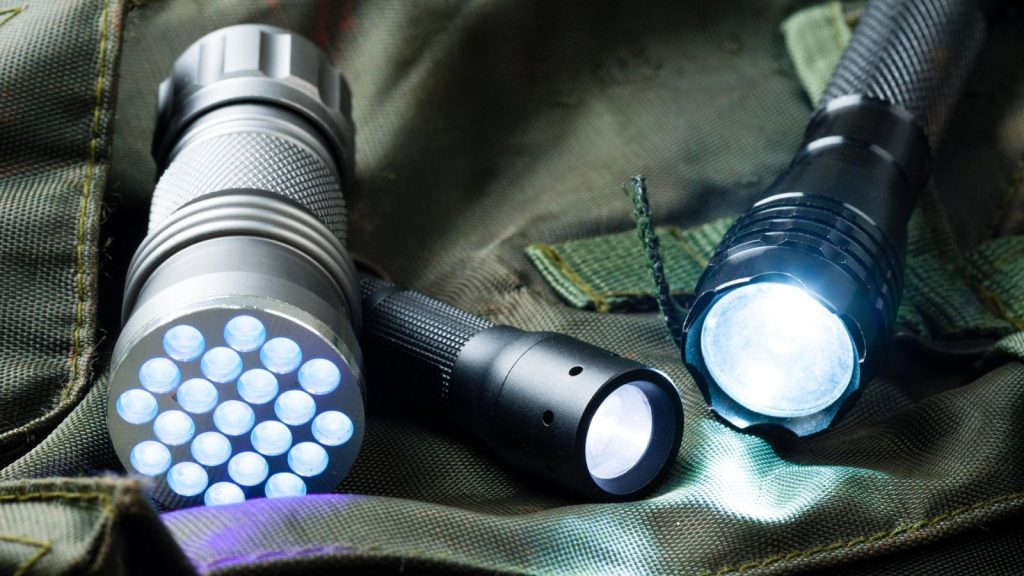
You stop taking artificial light for granted. Daylight becomes essential, but eventually, the sun sets—and that’s when the reality of limited light sinks in. You can’t just flip a switch and flood a room with brightness. Every bit of light after dark has to be planned.
Battery-powered lanterns and flashlights are helpful, but
5. Refrigeration Is a Luxury You Live Without

Without a refrigerator, food storage quickly becomes one of your biggest challenges. Leftovers stop being practical—there’s simply no safe way to keep them from spoiling. Cold drinks become a rare luxury; unless it’s winter or you have a reliable way to keep ice on hand, you’re stuck with room-temperature water and soda.
Dairy products like milk, cheese, and yogurt are off the table unless you have access to an ice chest and can regularly replenish it. You learn to shop, cook, and eat differently—focusing on shelf-stable ingredients, smaller portions, and meals that don’t require refrigeration.
6. Climate Control is Non-Existent
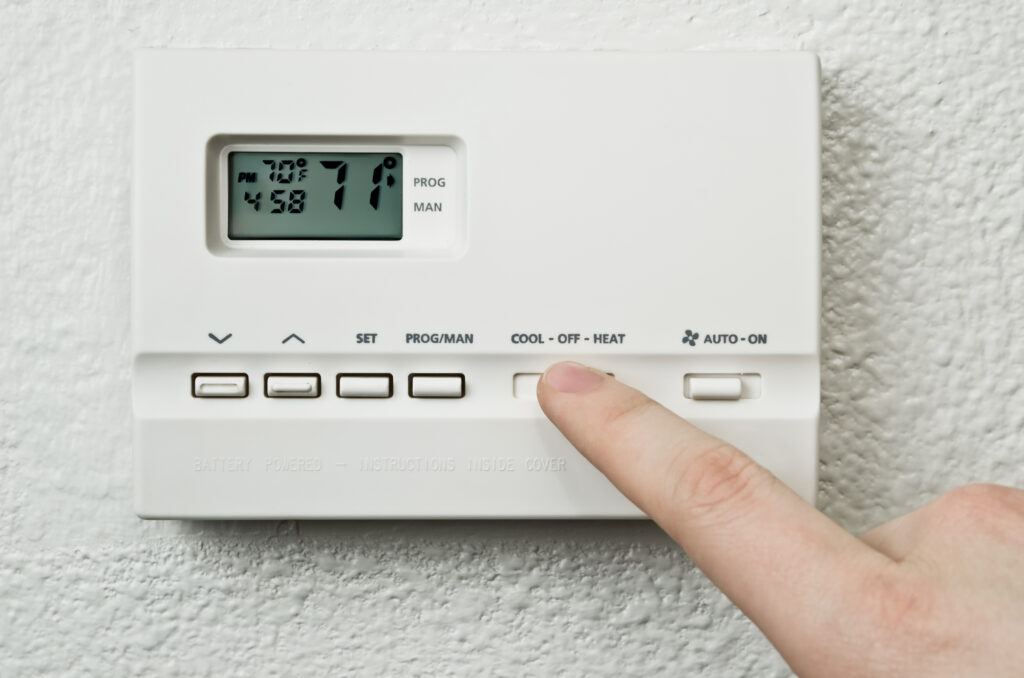
No thermostat means you deal with the temperature. If it’s cold, you layer up. If it’s hot, you do your best to block the sun and stay low to avoid getting overheated. You learn which way is South-facing in a hurry and do your best to stay out of that area in the summer heat.
7. You Get Creative

Without screens, you read, write, carve, build, play instruments, or talk. Board games, storytelling, and music become prized again. You enjoy the great outdoors. Kids will suddenly discover that thing that seems to have disappeared—imagination.
8. No Leftovers

No microwave means no mindless snacking. You cook real meals, with real fuel. You waste less food because you only cook what you’ll eat. You might overestimate how much you or the family will eat. Instead of letting it go to waste, you’ll eat the extra and maybe skip a meal.
9. You Learn to Use Every Drop of Water

Without electric pumps, water is a manual effort. You become deeply aware of how much you use—and how not to waste it. Washing your hands, cleaning and flushing a toilet if that’s an option, are all about using as little water as possible. It’s about using dirty dish water to flush a toilet or rinse off dirty tools.
Related: 20 Hidden Water Sources That Can Keep You Alive in an Emergency
10. You Sleep Earlier and Better

Once the sun sets, your body winds down naturally—no blue light. No binge-watching. Just darkness and real rest. At first, the quiet will be weird, but you quickly get used to it. You’ll find you can relax faster. If you let it, you’ll find it’s some of the best sleep of your life.
11. You Get Really Good at Fire

Whether cooking, staying warm, or lighting a space, fire becomes your best friend. You quickly get better at making and managing it. You’ll figure out what wood works best and be far more conscious of tinder when you see it. Collecting tinder when you happen upon it is one way to save on some of the chores you’re sure to have.
Related: 12 Ways to Recycle Wood Ash from Your Fireplace, Firepit or Wood Burning Stove
12. Clothing Becomes Part of Your Climate Control

You should layer smarter to stay hot or cool. If it’s hot out, you should keep your skin covered to prevent sunburn. In the winter, sleep in socks and hats. Your wardrobe becomes your thermostat.
13. You Discover the Difference Between “Need” and “Want”

Without electric tools and gadgets, you realize how little you truly need. Simplicity becomes not just survival but a way of life. You don’t always need a midnight snack or to fill the quiet with noise.
14. People Talk More and Listen Better

When you’re not distracted by screens or devices, conversations stretch longer, mean more, and leave lasting impressions. If you have kids, you’ll discover that you talk more. You get to know people.
15. Cold Showers

You get used to cold showers. If you can set up an outdoor shower that relies on the sun to warm the water, you can take a short, warm shower. Navy showers become the way to get clean. If it’s warm, you take baths in a lake, creek, or river.
18 Survival Skills Our Great-Grandparents Knew That Most Of Us Today Don’t

Many activities were once essential survival skills, but today, they’ve been forgotten by many. While technology has certainly made life easier, previous generations didn’t have these systems, making them far more self-sufficient. Here are 18 basic skills they mastered that many people today have no idea how to do.
18 Survival Skills Our Great-Grandparents Knew That Most Of Us Today Don’t
15 Essential Things Preppers Should Stockpile Besides Food And Water

Here’s a list of 15 things you should start stocking up on now, beyond just food and water, to stay prepared and ready for anything.
15 Essentials Things Preppers Should Stockpile Besides Food And Water


