It’s a common misconception in the prepping world: if a food is canned, vacuum-sealed, or dried, it must be safe to store for years—maybe even decades. But the truth is, some of the most popular items in emergency stockpiles have a much shorter shelf life than you might expect.
Whether you’re preparing for short-term disruptions or building a long-term food reserve, it’s important to know which foods are more perishable than they appear. These items might still earn a spot in your pantry, but they shouldn’t be the backbone of your food storage plan.
Knowing what to rotate frequently—and what not to buy in bulk—can save you money, space, and disappointment when it matters most.
1. Brown Rice

Shelf Life: 6 months to 1 year
While brown rice has its fair share of nutritional benefits—thanks to its fiber-rich bran layer and higher content of vitamins and minerals—it’s not the best choice for long-term food storage.
That same bran layer contains natural oils prone to oxidation, causing the rice to become rancid over time. In warm or humid storage conditions, this process can happen even faster, sometimes within just a few months.
You might not notice the spoilage at first glance, but a sour or bitter smell is a sure sign it’s no longer safe—or pleasant—to eat. For preppers focused on shelf stability, white rice, jasmine rice, or basmati rice are far better options.
2. Whole Wheat Flour
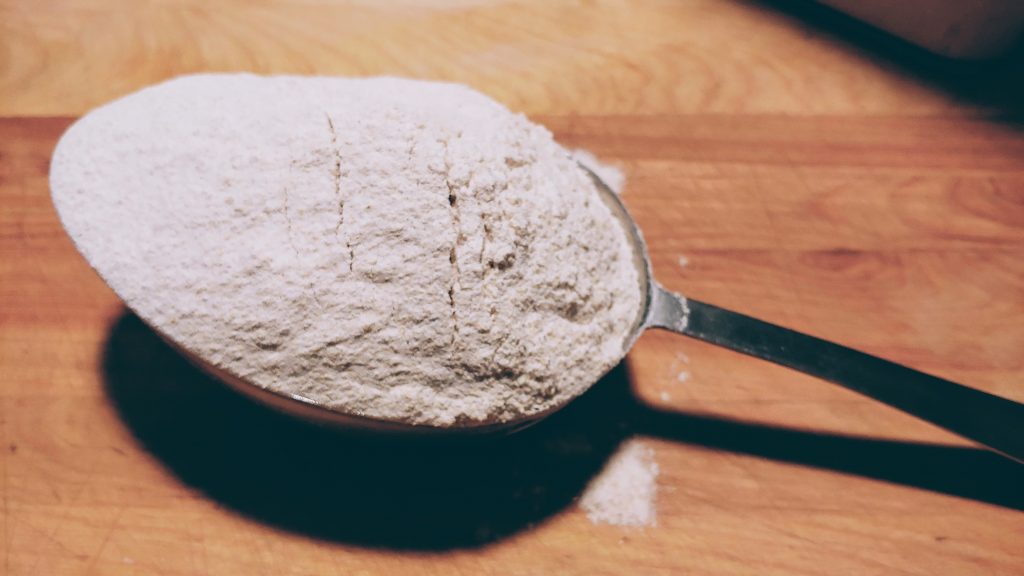
Shelf Life: 4 to 6 months
Whole wheat flour may seem like a good, wholesome addition to your food stockpile, but it doesn’t hold up well over time. Because it contains the oil-rich wheat germ, it’s especially prone to oxidation. As those oils break down, they cause the flour to develop a stale, bitter flavor and an unpleasant smell, which is not exactly ideal when relying on your pantry during an emergency.
A better strategy for long-term storage is to stock whole wheat berries instead. These intact grains are far more stable, and when kept in airtight, vacuum-sealed containers in a cool, dry location, they can last for 20 to 30 years or more.
3. Nuts and Nut Butters
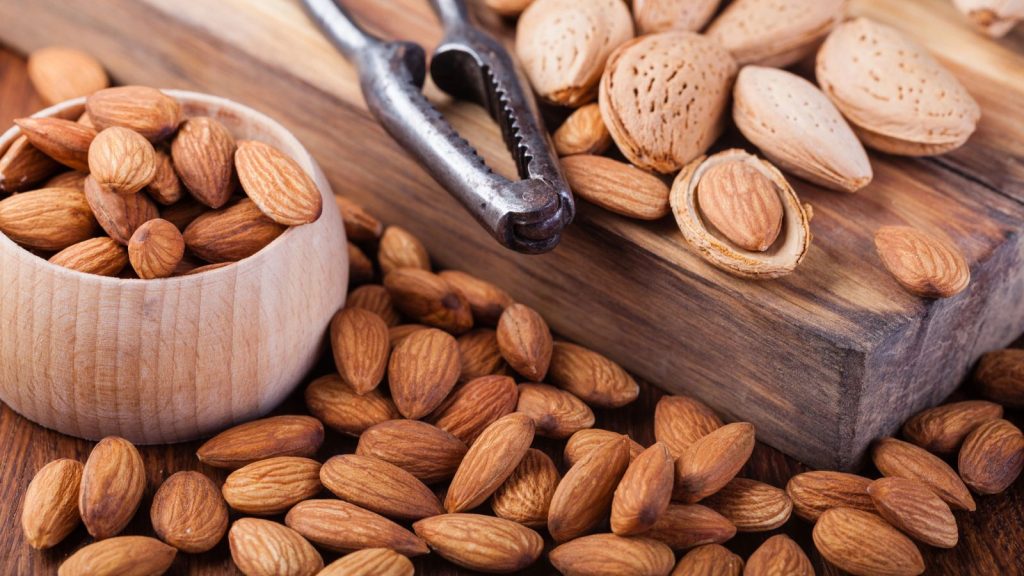
Shelf Life: 6 months to 1 year (unopened)
Nuts’ high fat content makes them surprisingly short-lived. Even when sealed, the natural oils in nuts begin to break down over time, especially in warm or humid conditions, leading to rancidity.
Once opened, their shelf life drops dramatically, sometimes lasting only a few weeks before they develop a sour, unpleasant taste. If you want to include nutrient-dense snacks in your stockpile, consider seeds like sunflower, pumpkin, or chia instead.
4. Granola and Breakfast Bars

Shelf Life: 6 months to 1 year
Many commercial granola and protein bars contain ingredients like nuts, dried fruits, oils, and dairy-based additives—all prone to spoilage over time. As these components degrade, the bars can lose flavor and nutritional value, eventually turning stale or even rancid.
While they’re fine for short-term use, they’re not a reliable staple for long-term storage. A better alternative is to keep basic ingredients like oats,
Related: 15 Insanely Delicious Granola Recipes
5. Powdered Milk in Box

Shelf Life: 1 to 2 years (non-fat); much shorter if stored poorly
Powdered milk is more sensitive than many people realize. Heat, humidity, or air exposure can cause it to clump and develop an off smell. While unopened
To maximize its longevity, it’s best to vacuum seal it into smaller, airtight portions. When stored this way in a cool, dry location,
6. Canned Tomatoes

Shelf Life: 1 to 1.5 years
Canned Tomatoes’ high acidity eats away at the can lining over time, increasing the risk of contamination and a metallic taste. Always inspect canned tomatoes for signs of leaking. It’s better to be safe than sorry.
Related: How to Can Tomato Sauce
7. Dried Fruit

Shelf Life: 6 months to 1 year
Dried fruit doesn’t hold up well over time, mainly if it contains even small amounts of residual moisture. That moisture can lead to mold, while the natural sugars in the fruit may begin to ferment if not stored in completely airtight conditions. Truly shelf-stable dried fruit is often so dry that it becomes tough to eat.
For a more reliable approach, consider preserving your own fruit harvest through canning, dehydrating, or freeze-drying. This gives you more control over moisture levels and storage conditions, helping you avoid waste and maintain flavor over the long haul.
8. Crackers and Cereal

Shelf Life: 6 months
Most store-bought crackers and cereals aren’t designed for long-term storage. Once exposed to air, even in unopened packaging, over time, they begin to go stale. Whole grain varieties are particularly vulnerable due to the natural oils they contain, which can turn rancid. If you’re looking for a dry, shelf-stable alternative, consider hardtack.
9. Jerky

Shelf Life: 1 year (commercial); a few months (homemade)
Even dehydrated jerky can go bad from residual fat, poor sealing, or improper drying. It’s a fine art to properly make jerky. You can use oxygen absorbers to extend the life but it’s not going to last more than a year.
Related: How to Make Jerky Treats for Dogs
10. Instant Oatmeal Packets
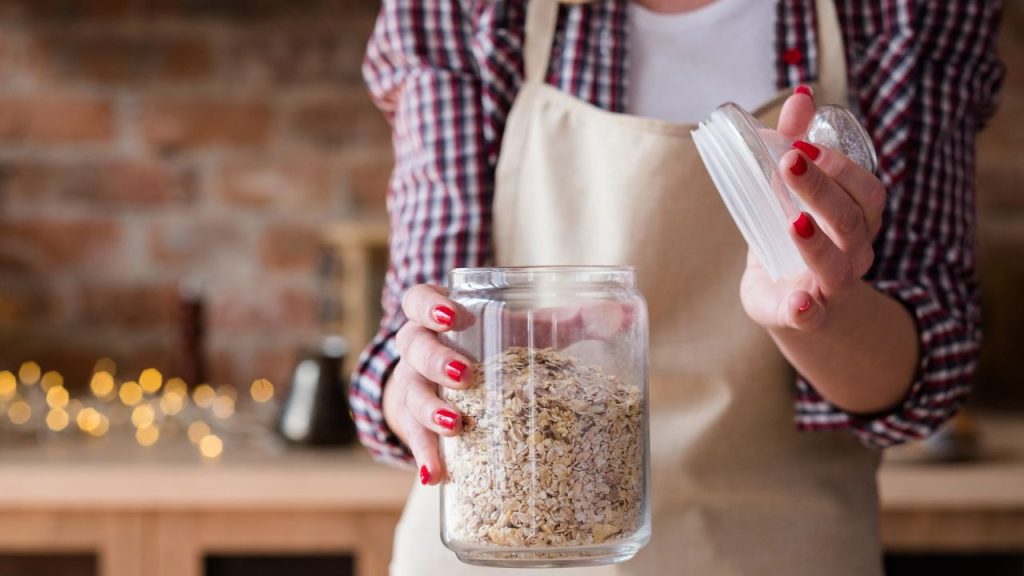
Shelf Life: 6 to 9 months
Most Instant Oatmeal packets have added sugars and flavorings that reduce shelf life and increase the risk of spoilage in humid conditions. Try storing raw oats and
Related: 23 Overnight Oats Recipes Packed With Flavor
11. Cooking Oils

Shelf Life: 6 months to 1 year
Oils go rancid when exposed to heat, air, and light. The moment you open the bottle of oil and remove the protective seal, it goes bad much faster. Ghee is a good long-term storage option.
12. Baking Powder and Baking Soda
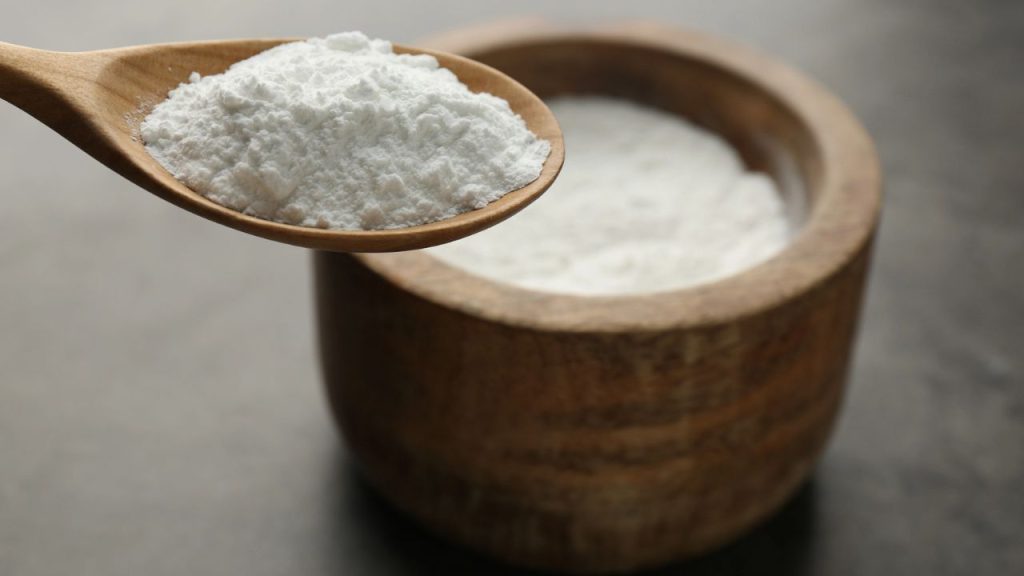
Shelf Life: 6 months (after opening)
Baking powder loses potency over time, ruining baking and cooking during a crisis. Keeping your
13. Instant Rice

Shelf Life: 1 to 2 years
Instant rice may cook quickly, but that convenience comes at the cost of shelf life. Because it’s pre-cooked and processed, it has more surface area exposed to air and moisture, making it degrade much faster than raw rice. Over time, it can lose texture, flavor, and nutritional value.
For true long-term storage, plain white rice is the better choice. When packed in Mylar bags with oxygen absorbers and stored in a cool, dry place, white rice can last 30 years or more without spoilage.
14. Vacuum-Sealed Coffee

Shelf Life: 6 to 12 months (ground); up to 2 years (whole bean)
Even when vacuum-sealed, ground coffee is highly sensitive to oxygen, light, and moisture. The flavorful oils that make coffee taste fresh begin to break down quickly, and once the package is opened, staleness sets in fast.
While fresh coffee may be a daily essential, it’s not built for long-term storage in its regular form. Consider storing instant coffee instead if you want to keep caffeine in your stockpile. It might not offer the same rich flavor, but when kept cool and sealed, it can last for decades, making it a practical backup when fresh beans aren’t an option.
15. Canned Soup with Meat or Dairy

Shelf Life: 1 to 2 years
Canned goods are a pantry staple for many preppers, but when those cans contain meat or dairy, their shelf life becomes much more limited. Animal-based ingredients are more prone to spoilage if the seal weakens or if the can is exposed to fluctuating temperatures. These products typically don’t last as long as simpler canned vegetables or beans, even when properly stored.
For a longer-lasting alternative, consider dehydrated or freeze-dried soup mixes. They’re lightweight, shelf-stable for decades, and only require a small amount of water to rehydrate into a hearty, nourishing meal.
24 Foods to Stockpile Now with a Shelf Life of Up to 20 Years

Here are 24 essential foods with impressive shelf lives, perfect for building a stockpile you can count on for years.
24 Foods to Stockpile Now with a Shelf Life of Up to 20 Years
How to Start an Emergency Stockpile When You Can Barely Afford Groceries

Creating an emergency stockpile on a tight budget is challenging but achievable. By prioritizing essentials, setting a budget, starting small, and using available resources wisely, you can gradually build a stockpile that provides security and peace of mind.
How to Start an Emergency Stockpile When You Can Barely Afford Groceries
15 Frugal Ways to Build a Food Stockpile on Just $10 a Week
Prepping is about smart planning, not panic buying, and with patience and consistency, you’ll have a solid supply before you know it. Here are some frugal tips to help build your stockpile on just $10 a week.