
Birds fluttering around your yard is such a sight and delight—flitting through trees, singing at sunrise, and vanishing just as quickly. But those everyday visitors are doing more than just putting on a show. Many of them are hard at work, keeping your backyard healthy in ways you might not even notice.
From pest control to seed spreading, birds play an essential role in the health of your local ecosystem. They help maintain plant diversity, manage insect populations, and even encourage new growth.
Here are 12 fascinating backyard birds to watch and incredibly helpful for your garden and its environment.
American Robin
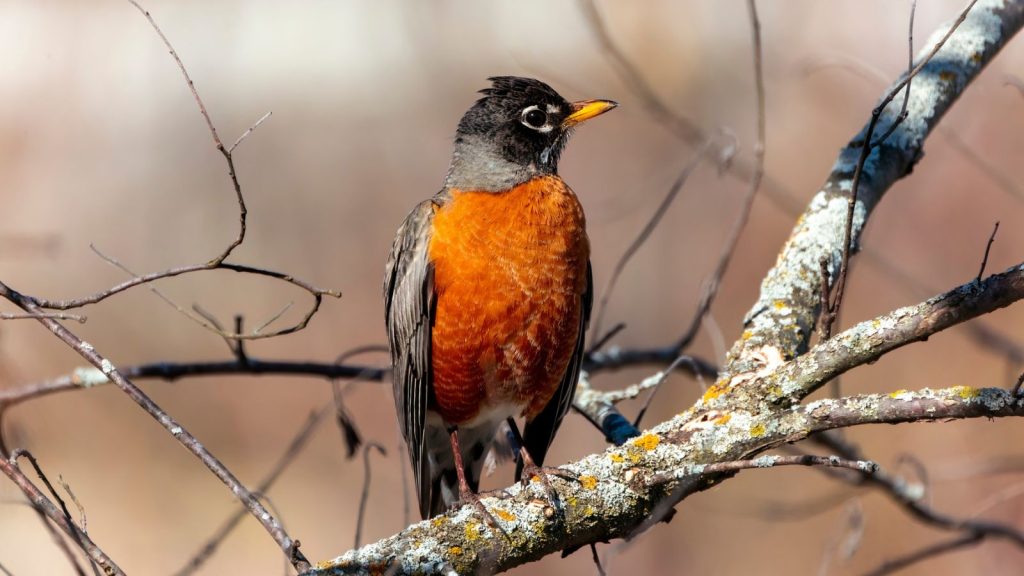
Cheerful and familiar, robins are often the first sign of spring—but they’re also hardworking pest controllers.
With a diet full of beetles, grasshoppers, and caterpillars, robins help keep insect populations in check. They also enjoy fruit and participate in seed dispersal, making them a quiet contributor to new plant growth.
Hummingbirds

Hummingbirds are tiny, fast-moving birds known for their shimmering feathers and ability to hover while feeding. Common in the Eastern U.S., they’re often spotted in gardens, near woodland edges, or around nectar-filled feeders.
Attracting them to your yard supports pollination, as they transfer pollen from flower to flower while feeding. Their presence can boost flower and fruit production, especially among native plants. Hummingbirds also eat small insects, offering some natural pest control along the way.
How to Attract Hummingbirds to Your Garden
Northern Cardinal

With their brilliant red plumage and sweet whistles, cardinals are easy to love. But they do more than brighten your yard. As they feed on seeds, they help disperse them throughout the landscape, especially native plant seeds from feeders and nearby vegetation.
Blue Jay

Blue Jays are bold, brainy, and excellent at planting trees without even trying. Their habit of stashing acorns—and forgetting where they put them—leads to the sprouting of new oak trees.
So, if you spot a blue jay flying off with a nut, there’s a good chance it’s unintentionally landscaping for you.
Chickadee

Don’t be fooled by their tiny size—chickadees are fierce little insect hunters. Especially during nesting season, they can eat hundreds of caterpillars a day, helping to protect your garden from leaf-munching pests. Think of them as nature’s pest patrol in a feathered package.
American Goldfinch

These bright yellow songbirds are especially fond of native wildflower seeds, which helps control the spread of invasive plants. Their foraging habits support plant diversity and make them one of the friendliest visitors to your backyard ecosystem.
Mourning Dove

Known for their gentle cooing and calm presence, mourning doves help manage weed growth by consuming thousands of weed seeds throughout the year. Their subtle but steady work contributes to healthier soil and fewer unwanted plants.
Woodpecker

Woodpeckers do more than
Eastern Bluebird
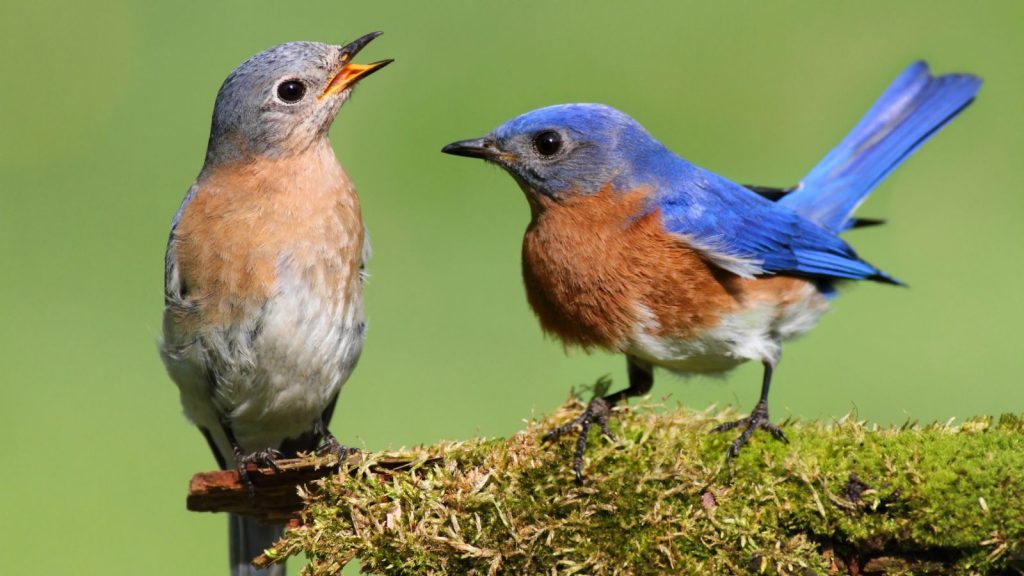
Bluebirds are both beautiful and beneficial. They feed on insects that commonly invade lawns, like grasshoppers and beetles, helping to keep turf areas healthy. Since they rely on cavities to nest, bluebirds also promote habitat conservation that supports other wildlife.
12 Plants That Will Make Bluebirds Flock to Your Garden
Barn Swallow
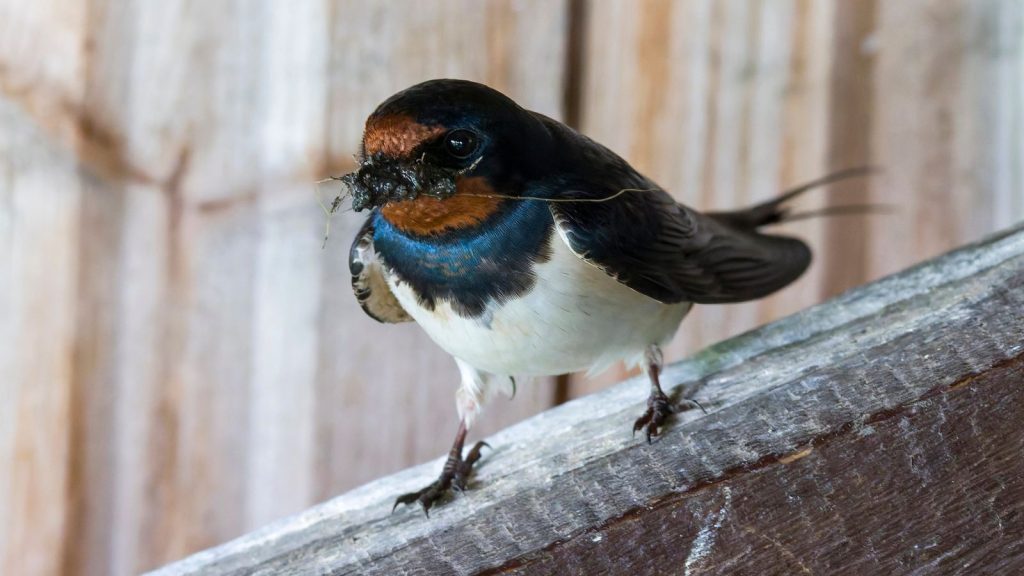
These graceful flyers are aerial insect specialists. Barn swallows can consume hundreds of flying insects each day—mosquitoes, flies, and more—making your outdoor space more enjoyable. Their swooping style is not only fun to watch but also super effective.
Cedar Waxwing

Sleek and social, cedar waxwings are berry lovers with a purpose. As they feast on fruit, they spread seeds over long distances, helping new shrubs and trees take root. Their role in plant regeneration is especially valuable in wild or semi-natural spaces.
House Wren

Tiny but tenacious, house wrens are known for their nonstop singing and appetite for garden pests. They nest in small cavities or birdhouses and feed on beetles, caterpillars, and other destructive insects, making them great allies for backyard gardeners.