Choosing a homesteading lifestyle is about more than just learning a few back-to-basics skills—it’s about reclaiming your independence and taking control of how you live. It means relying less on grocery stores, supply chains, and modern conveniences, and more on your own hands, knowledge, and resources.
Homesteading isn’t an overnight switch; it’s a slow, steady journey toward self-reliance that grows with each new skill you learn.
Whether you’re planting your first garden, learning to can your own produce, or figuring out how to raise a few backyard chickens, each small step moves you closer to a lifestyle that’s both sustainable and empowering.
It’s not about doing everything all at once—it’s about building confidence over time and creating a system that works for your home and family. Here are 26 foundational homesteading skills to help you live more independently and reduce your reliance on outside systems.
Build a Natural Medicine Cabinet

Learning to make your own herbal remedies like fire cider, elderberry syrup, or salves can help reduce your dependence on over-the-counter medications. Herbal medicine is a valuable tool for promoting everyday wellness and supporting the immune system.
Grow Your Own Food
Growing your own fruits, vegetables, and herbs is one of the most powerful ways to become self-reliant. Whether you have a backyard garden or a few pots on a windowsill, homegrown food is fresh, nutritious, and sustainable.
Learning about crop rotation, vertical gardening, permaculture gardening, and seasonal planting can help you make the most of your growing space year-round.
Cook from Scratch
Cooking with whole ingredients helps you save money, avoid processed foods, and improve your health. It’s also a great way to use up garden produce and pantry-stored preserved foods.
Let the Seasons Set Your Menu
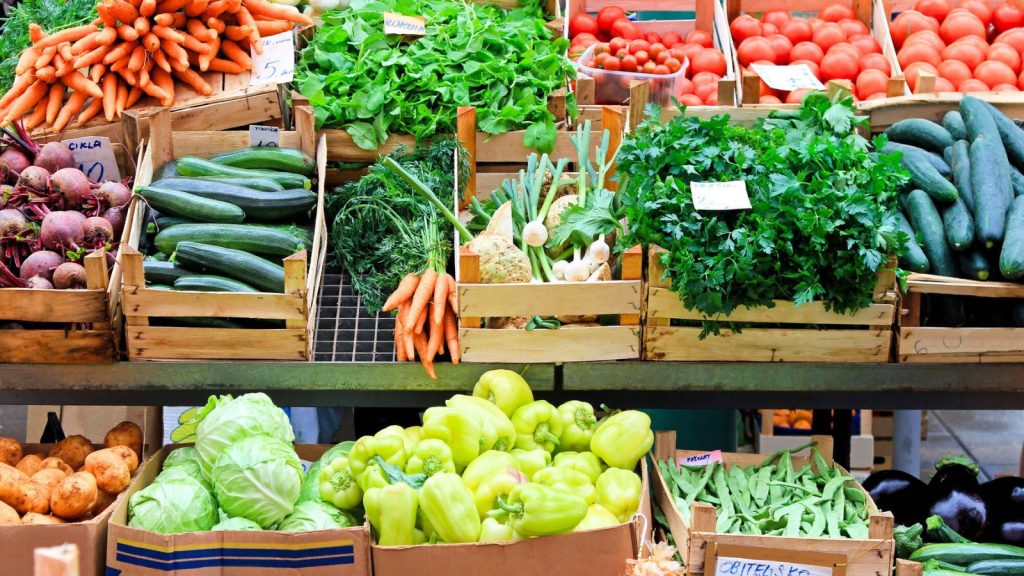
Eating what’s in season yields fresher, more flavorful food. It also supports local growers and reduces the environmental impact of long-distance transportation. Seasonal eating helps you connect with natural food cycles and encourages you to plan your meals around what’s growing now.
Make Your Own Cleaning Supplies

Store-bought cleaners are often filled with chemicals and come with a high price tag. Homemade cleaners made with vinegar, baking soda, lemon, and essential oils are affordable, safe, and effective. It’s a significant step toward a greener and more frugal lifestyle.
How to Compost

Composting transforms kitchen scraps and yard waste into rich soil for your garden. It reduces trash, saves money on fertilizers, and supports a healthier growing environment. Starting a compost pile or bin is easy and doesn’t require much space.
Stock Your Pantry
Build a well-stocked pantry with dry goods, canned foods, and homemade preserves. It gives you peace of mind, helps with meal planning, and keeps you prepared for unexpected situations.
Raise Livestock

Whether it’s chickens for eggs, goats for milk, or meat rabbits, raising animals helps diversify your food sources. Start small, learn as you go, and ensure good care for healthy, productive animals.
Harvest Rainwater

Collecting rainwater is a smart way to conserve resources and reduce water bills. Use rain barrels or a simple gutter system to collect water for your garden, livestock, or outdoor cleaning.
Learn Basic First Aid
Knowing how to treat minor injuries and illnesses at home is a valuable skill, especially when medical help isn’t immediately available. Learn how to clean wounds, stop bleeding, and manage common conditions like burns, sprains, and fevers with confidence.
Provide Your Own Heat
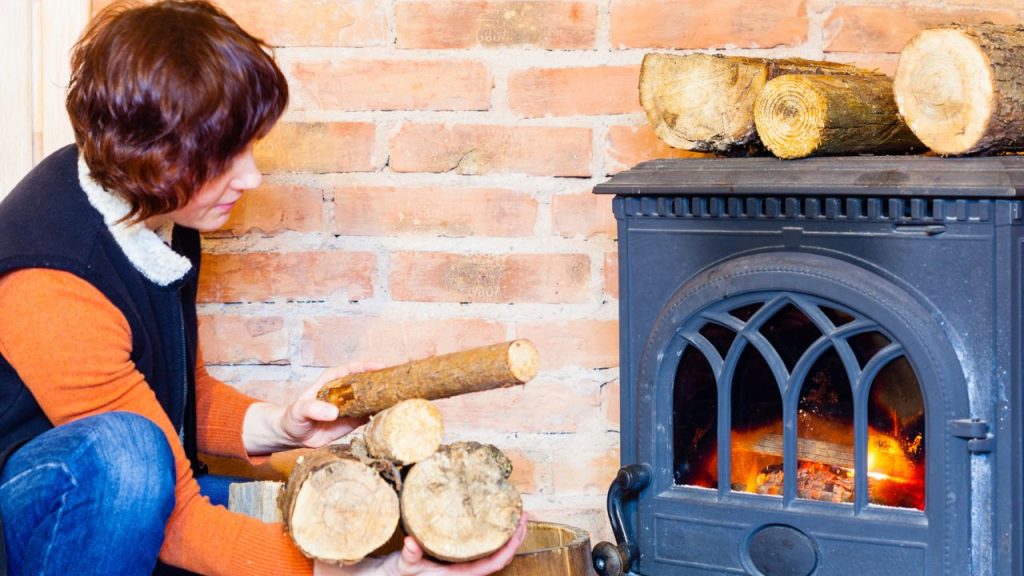
Heating your home with a wood-burning stove, fireplace, or even solar energy gives you more control over your energy needs. It reduces reliance on power companies and can help keep your home warm during outages or emergencies.
Bake Bread from Scratch
Making your own bread is easier than you might think—and far more rewarding than buying it. You can control the ingredients, skip the preservatives, and enjoy the unbeatable taste of a fresh loaf straight from your oven.
Stitch, Mend, and Make It Last
A few simple sewing skills can save you from replacing clothing, linens, or household items. Fixing buttons, patching holes, or hemming pants helps extend the life of what you already own—and saves money in the process.
Preserve Your Food
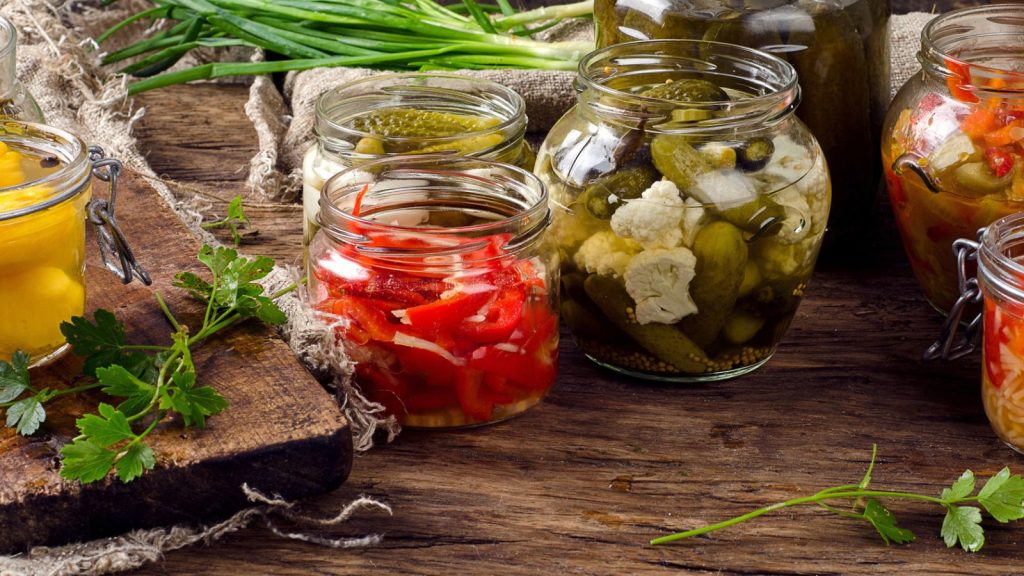
Canning, fermenting, freezing, and drying help you store food for later use, reduce waste, and build a pantry that can support you through shortages. From strawberry jam to frozen greens, preserved food keeps your harvest useful year-round.
Generate Your Own Electricity
Installing solar panels or wind turbines can make your home more energy independent. Even small systems can reduce your utility bills and give you peace of mind during outages.
Fish for Food
Fishing is a great way to supplement your protein supply with fresh, local food. Learn the basics of fishing and cleaning your catch so you can put food on the table from nearby rivers, lakes, or streams.
Go Hunting
If it’s legal in your area, hunting can provide a sustainable and local source of meat. It’s not only about food—it’s also about understanding nature, using resources responsibly, and connecting with traditional skills.
Make Beverages from Scratch

Try your hand at brewing homemade drinks like wildcrafted tea, kombucha, or even wine. It’s a fun way to expand your kitchen skills and enjoy something unique that you made yourself.
Declutter Your Home
Simplifying your space helps you stay organized, save time, and reduce stress. Donate or sell items you no longer need—you might even earn some extra income along the way.
Start Beekeeping

Keeping bees not only supports your garden through pollination but also provides
Read and Learn

Homesteading is a journey of ongoing learning. Continue to expand your knowledge through books, online resources, and local workshops. The more you know, the more capable and confident you’ll become.
Make Your Own Candles
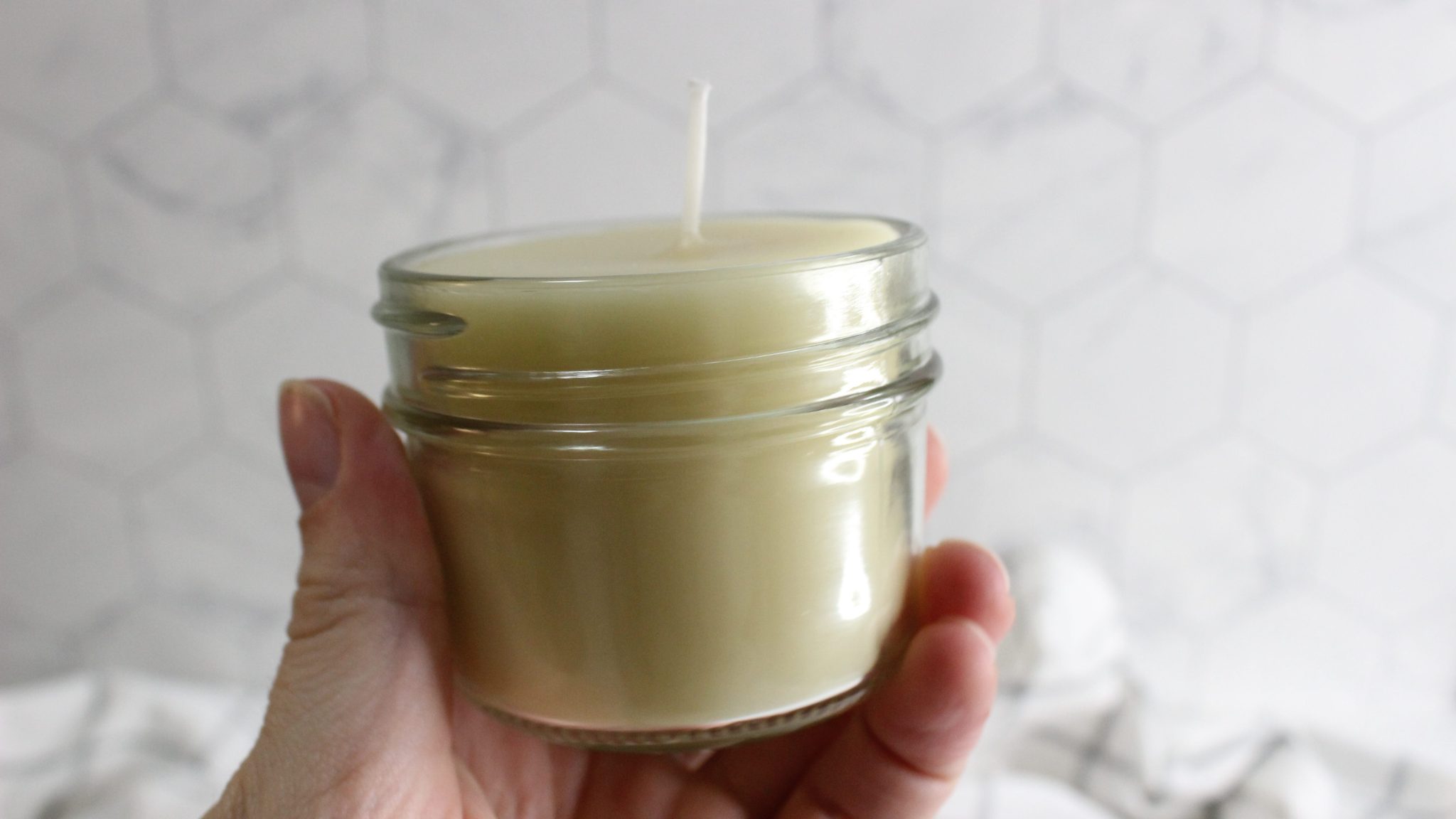
Homemade candles are both practical and fun to make. You can customize them with scents, colors, and natural materials—and enjoy a useful skill that comes in handy during power outages.
Air-Dry Your Laundry
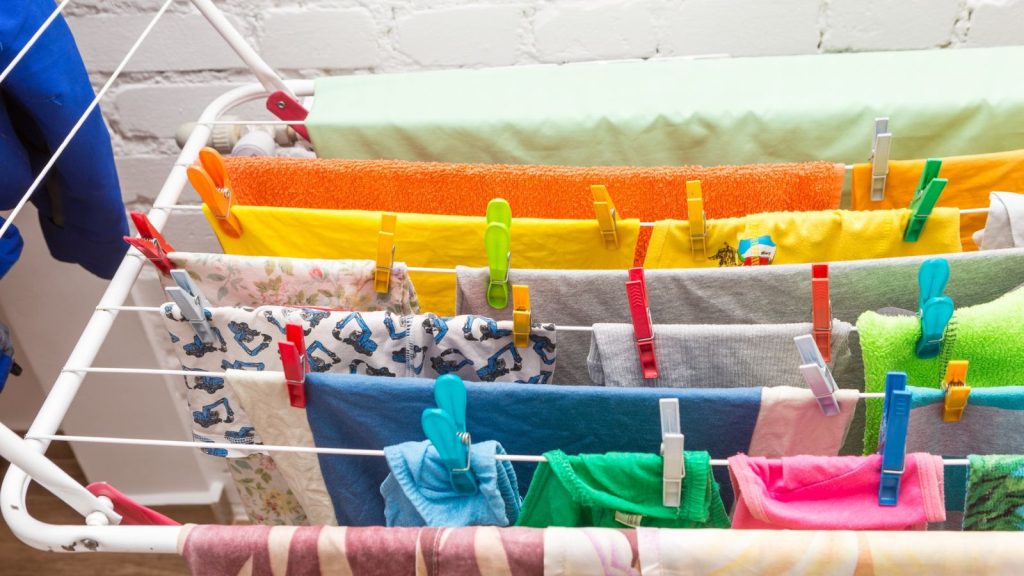
Hanging your clothes to dry saves energy and helps them last longer. Whether you use a clothesline outside or a drying rack indoors, it’s a simple and effective way to reduce utility costs.
Get Handy at Home

Learning basic repairs and handy skills empowers you to fix things on your own. Whether it’s patching a wall, building shelves, or installing a faucet, DIY knowledge can save you money and boost your confidence.
Choose Paper Over Plastic
Opting for paper instead of plastic when possible helps reduce waste and supports a more eco-friendly home. Paper is biodegradable and recyclable, making it a smarter choice in the long run.
Tap a Maple Tree
If you live in the right climate, tapping maple trees for sap is a fun and rewarding seasonal activity.
18 Survival Skills Our Great-Grandparents Knew That Most Of Us Today Don’t

Many activities were once essential survival skills, but today, they’ve been forgotten by many. While technology has certainly made life easier, previous generations didn’t have these systems, making them far more self-sufficient. Here are 18 basic skills they mastered that many people today have no idea how to do.
18 Survival Skills Our Great-Grandparents Knew
14 Home Maintenance Skills You Need to Know Before Buying a House

Owning a home often comes with an endless list of projects to address. Fortunately, many of these home improvement and maintenance jobs can be tackled without the need for a professional. Here are 14 essential home repairs you should know before buying a house.