Annual flowers complete their life cycle in just one season, blooming beautifully before fading. Filling your garden with bold, beautiful color doesn’t have to be expensive.
Annuals offer an affordable way to transform your garden with vibrant, beautiful blooms. Whether you need quick-growing flowers to cover bare spots or low-maintenance varieties that thrive with little effort, these annuals are the way to go.
Unlike perennials, which take time to establish, annuals deliver instant impact—bringing lush, eye-catching color to your garden in just one season.
Choosing the right budget-friendly annuals lets you enjoy a stunning display without overspending on water, fertilizer, or replanting. Here are 20 cheap annuals that will fill your garden with color all season long.
Marigold (Tagetes Spp.)

With a bushy growth and a spectrum of yellow, orange, and red blooms,
They attract beneficial insects and thrive in full sun and well-drained soil. Sow
Cleome
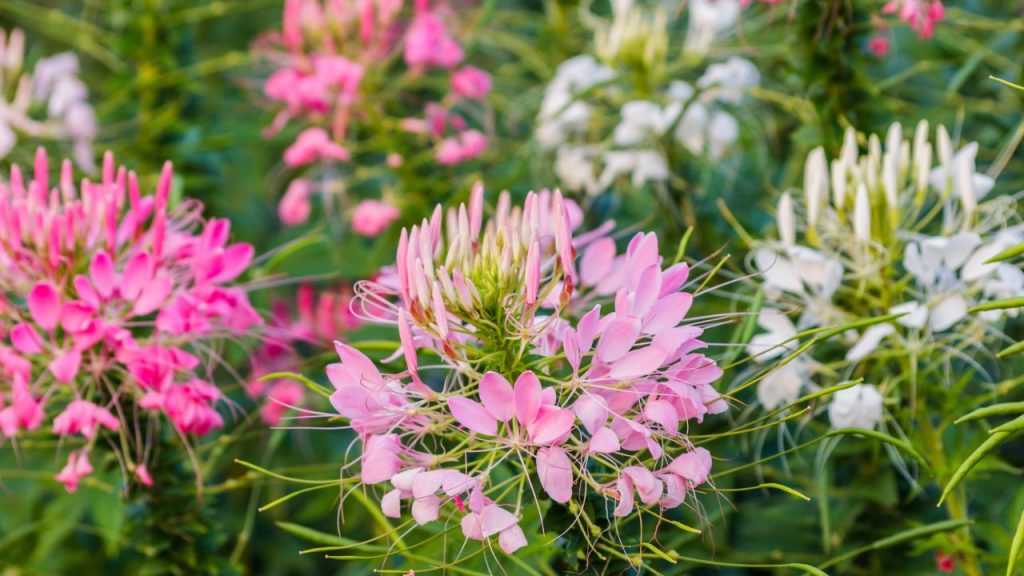
Cleome, also known as the spider flower, is a dependable self-seeder that brings a touch of wild elegance to any garden. Once established, it readily drops seeds, ensuring new blooms return year after year with little effort on your part.
Growing cleome from seed is incredibly easy, and its distinctive seedlings are easy to spot, making it simple to manage where they grow.
Zinnias

Zinnias are a garden classic. Their bushy plants produce large, colorful flowers in shades of red, yellow, or orange from early summer to fall. They love full sun and well-drained soil, and frequent watering helps establish a long bloom season.
Nasturtium (Tropaeolum Majus)

Nasturtiums are known for their trailing growth, and bright green leaves are complemented by orange, yellow, and red flowers. They excel in covering bare soil and can crowd out smaller plants.
Thriving in full sun or partial shade, they tolerate drought and poor soil, making them ideal for rock gardens and hanging baskets.
Celosia

Celosia’s bold, spiky blooms bring vibrant color and texture to the garden. This adaptable plant thrives in full sun and warm temperatures. As an annual, it requires little maintenance and readily reseeds itself.
Plant it in the spring, and it will bloom steadily until the first frost. Self-sown seeds will ensure a fresh display the following season.
Pansies

These fast-growing, vibrant flowers work well in containers or garden beds. With bright and bi-colored edible flowers, pansies are popular in both fresh salads and desserts. They flourish in full morning sunlight and well-drained, fertile soil.
Sweet Pea (Lathyrus Ooratus)

Sweet Peas charm with their climbing vines and fragrant flowers in shades of pink, purple, and red. Ideal for trellises or fences, they fill the air with their scent and continue blooming if regularly dead-headed.
Sow directly in fertile, sunny spots for robust growth and a long flowering period. Their vibrant colors and sweet fragrances make them a garden favorite from spring to fall.
China Aster
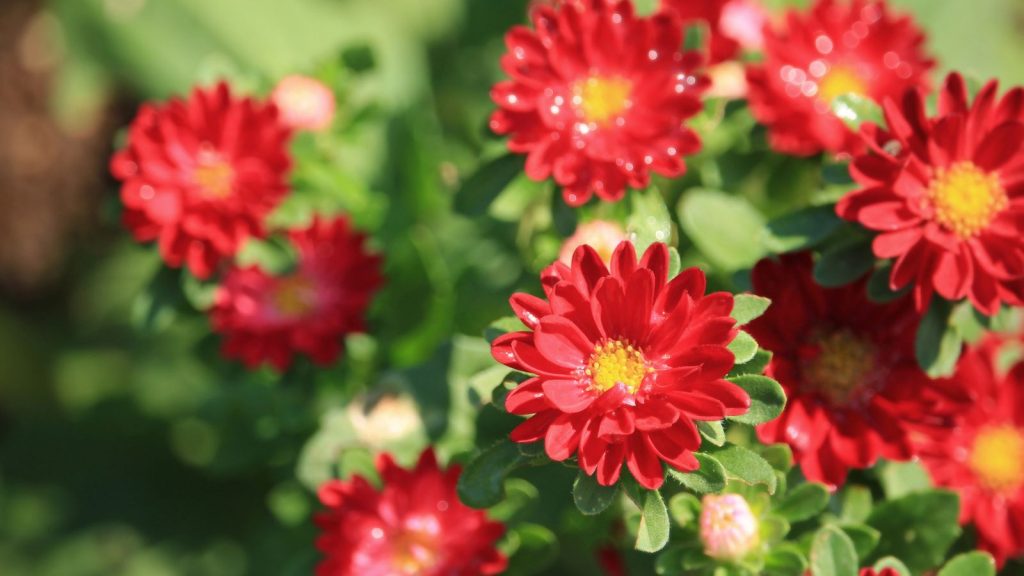
China
Once the seedlings emerge, adding a layer of mulch helps shield their shallow roots. These flowers thrive in consistently moist soil, making partial shade an ideal spot to keep them from drying out too quickly.
Globe Amaranth (Gomphrena Globose)

Globe Amaranth’s unique, pompom-like blooms in vibrant shades of pink, purple, and red make it a standout in containers and ornamental gardens. This fast-growing annual thrives in full sun and well-drained soil, attracts butterflies, and requires little maintenance.
Morning Glory

Morning Glory is loved for its striking, trumpet-shaped blooms that open with the morning sun and close by afternoon. This fast-growing vine thrives in full sun, spreading quickly over trellises, fences, and arbors with its lush foliage and vivid flowers.
Though often grown as an annual, the
Calendula

Calendulas brighten the garden and offer more than just good looks. Their petals and leaves are edible, adding a mild, peppery flavor to salads or as a natural garnish. Beyond their beauty, calendulas serve a practical purpose by repelling pests, deer, and rabbits, making them a natural ally for vegetable gardens.
One of
These hardy flowers thrive in well-drained soil and flourish best with gentle sunlight. Plant them in early spring, and they’ll reward you with bright blooms from late spring through early summer.
Cosmos
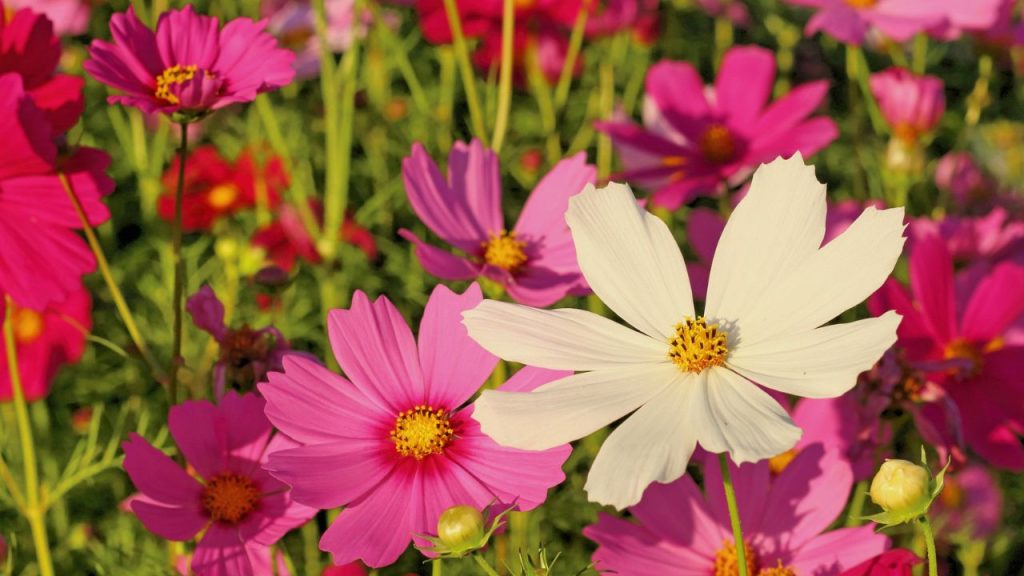
Cosmos are a favorite among pollinators, attracting butterflies with their nectar-rich blooms. These easy-care flowers thrive in full sun and need consistent moisture until they’re well established.
Once mature, they become drought-tolerant and require little upkeep. Known for their self-seeding,
California Poppy
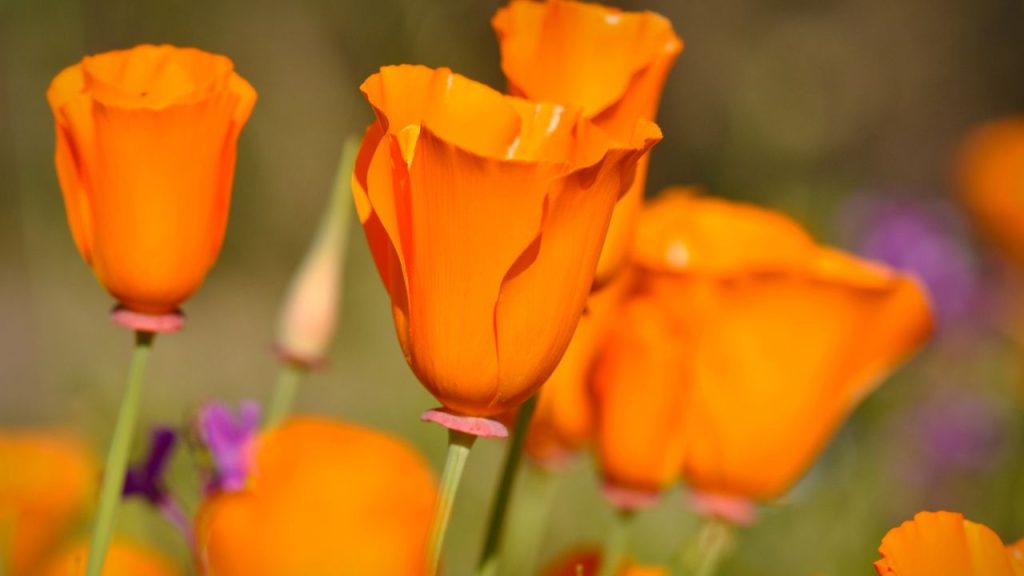
California Poppies bring big, bold, gorgeous colors to the landscape, and most types self-seed freely and reliably. These cheerful flowers make great cut flowers and are naturally deer-resistant and drought-tolerant. Plant your poppies in full sun and fertile, well-drained soil for the best results.
Petunia

Petunias are fast-growing, low-maintenance sun lovers that thrive in garden beds and containers. Hybrid varieties will not always breed true, so it’s difficult to say what your new flowers will look like.
With so many beautiful varieties available, there is a petunia for every garden. Petunias like fertile soil and moderate water. They bloom best in mild weather.
Bachelor’s Button

Bachelor’s button plants self-seed very well. Bachelor’s buttons are hardy little plants that can grow in various climates and soil types. They are drought-tolerant, and while blue is the most common color, it is far from exclusive.
Impatiens

Impatiens are attractive flowering plants that prefer partial shade and will self-seed if their seed pods are left on the plant. These mounding plants are not aggressive about self-seeding. Impatiens look stunning in a mass planting. They need rich, moist soil, and in exchange, they need rich, moist soil.
Viola

Violas are cool-weather flowering plants with edible flowers and surprisingly good frost tolerance. They self-seed readily.
Although they can continue to bloom in hot climates if given enough shade, they prefer cooler temperatures. Plant your violas in containers or the ground in rich, loamy, moist, slightly acidic soil.
Love-in-a-Mist (Nigella Damascene)

The whimsical name of Love-in-a-Mist is perfectly matched by its delicate blue flowers and fine foliage. Blooming in late spring and early summer, this plant is a low-maintenance choice that adds a soft texture to the garden. It thrives in full sun or partial shade and is best sown outdoors in early spring.
Sunflower

This summer beauty is known for its beautiful yellow flowers that attract insects. When prepared in a delicious manner,
Amaranth

Amaranth is commonly grown as a food source, but there are wonderful ornamental varieties. The young leaves are edible, and the flowers are fuzzy. If left on the plant to dry, the flowers will go to seed and self-seed well.
Borage
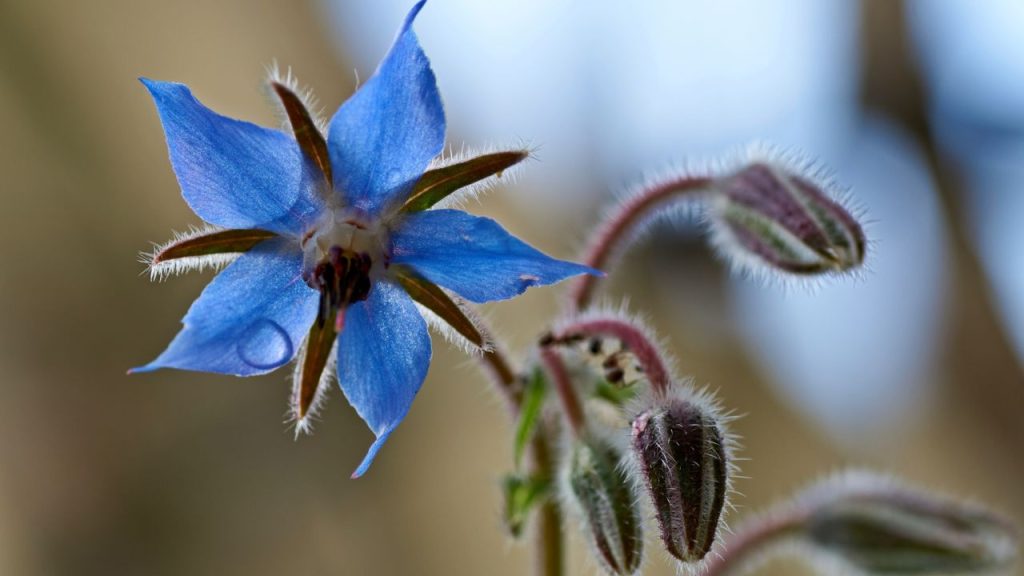
Borage is another self-seeding annual plant with edible flowers. The bright blue flowers are also a favorite of bees, making them an excellent addition to a pollinator garden. This plant isn’t picky about soil and rarely needs fertilizer, but prefers full sun to partial shade.