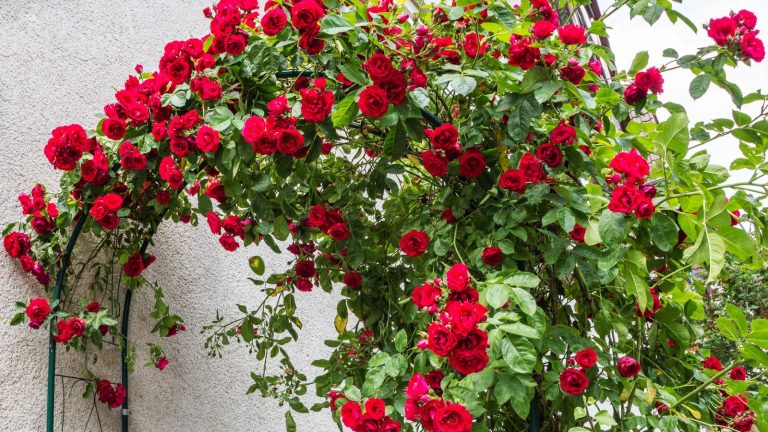
Deciding whether to plant more annuals or perennials isn’t just about color or convenience—it’s about how you want your garden to fit into your daily life. Do you enjoy refreshing your flower beds each season with something new, or do you prefer the reliable rhythm of plants that return year after year? Your garden should reflect your lifestyle, available time, and the kind of beauty you want to cultivate.
Here’s a personal checklist to help you narrow down which of them makes the most sense for your space and lifestyle.
1. What are your long-term garden goals?
The biggest factor to consider when choosing the types of plants to add to your garden is the goal you have for that garden. Do you want a fixed garden where the same crops grow year after year, or would you prefer more flexibility to choose which plants to grow each year?
Choose perennials if you want a garden that builds itself over time, or annuals if you like to refresh your beds every season.
2. How much do you want to spend now vs later?
Perennial starters typically cost more per pot upfront than annual six‑packs, but they pay off your initial investments with many seasons. Annuals are less expensive but need to be replaced each spring, so you could incur higher running costs in the long run by changing the plants.
Consider how much you’re willing to spend now versus what you’ll spend every year. Or settle for a middle ground; invest in a few long-lasting perennials that’ll serve as the framework of your garden and fill gaps with budget-friendly annuals.
3. How much time do you have for garden upkeep?
Both types of plants require different maintenance routines. Since perennials come back each year, they don’t need replanting, but they may need occasional trimming and fertilization. Annuals require more hands-on care, including regular planting and replanting, removal, and deadheading to maintain a continuous bloom.
If you’re short on time, low-maintenance perennials and grasses are a better fit. But if you love being out in the garden often, you’ll enjoy spending time with annuals more.
4. Do you want blooms year-round or just in certain seasons?

Before choosing plants, think about how much color you want and when. Do you want constant blooms from spring through fall, or are you okay with shorter bursts? Annuals bloom nonstop from planting to frost, making them great for high-impact gardens with lots of color.
On the other hand, perennials bloom for a few weeks at a time (usually two to six weeks), but many offer year-round appeal through evergreen leaves or striking seed heads, even in winter.
5. What’s your climate like?

Not all plants are built for your weather. Some annuals sold in colder regions can act like perennials in warmer zones. Some examples include begonias or coleus, which return after mild winters in the south but are treated as annuals elsewhere.
On the flip side, if your summers are short and cool, heat-loving annuals may underperform. In that case, cool-season perennials might actually do better. Always match your plant choices to what your local climate realistically supports.
6. What’s your soil like?

Perennials are going to be in the same spot for a long time, so it’s important to match them with the type of soil you’ve got. Grow drought-loving grasses in sandy soils, while moisture‑loving plants like astilbes will love clay-heavy, damp corners.
With annuals, you have more flexibility with matching plants regardless of the kind of soil you have. You can just bypass poor native soil entirely by filling a container with quality potting mix and planting your favorite plants.
7. How much space are you working with?

If you’re working with a small patio or balcony, annuals grown in pots, window boxes, and hanging baskets are your best bet. Also, the narrow strips near porches work well for short, trailing annuals you can swap out each season.
Larger yards, on the other hand, benefit from the structure of perennials, like flowering shrubs, small trees, or tall, layered plants in deep beds.
8. Do you need to prevent erosion or cover bare soil?
If your yard is on a slope or has areas that erode easily, perennials are better suited for you. Perennial plants like creeping thyme or sedges have strong root systems that help hold the soil together even when it rains heavily.
Annuals don’t sprout fast enough in early spring to protect bare ground from erosion. But you can always add them later once the area is stabilized.
9. Do you enjoy experimenting with new plant trends?
If you love trying fresh colors, unusual flowers, or trendy veggies, annuals give you the freedom to experiment. You get to start over every season without a big commitment. Perennials can be fun to experiment with, too, but removing ones you don’t like later can be a hassle.
10. Are you hoping to attract pollinators?
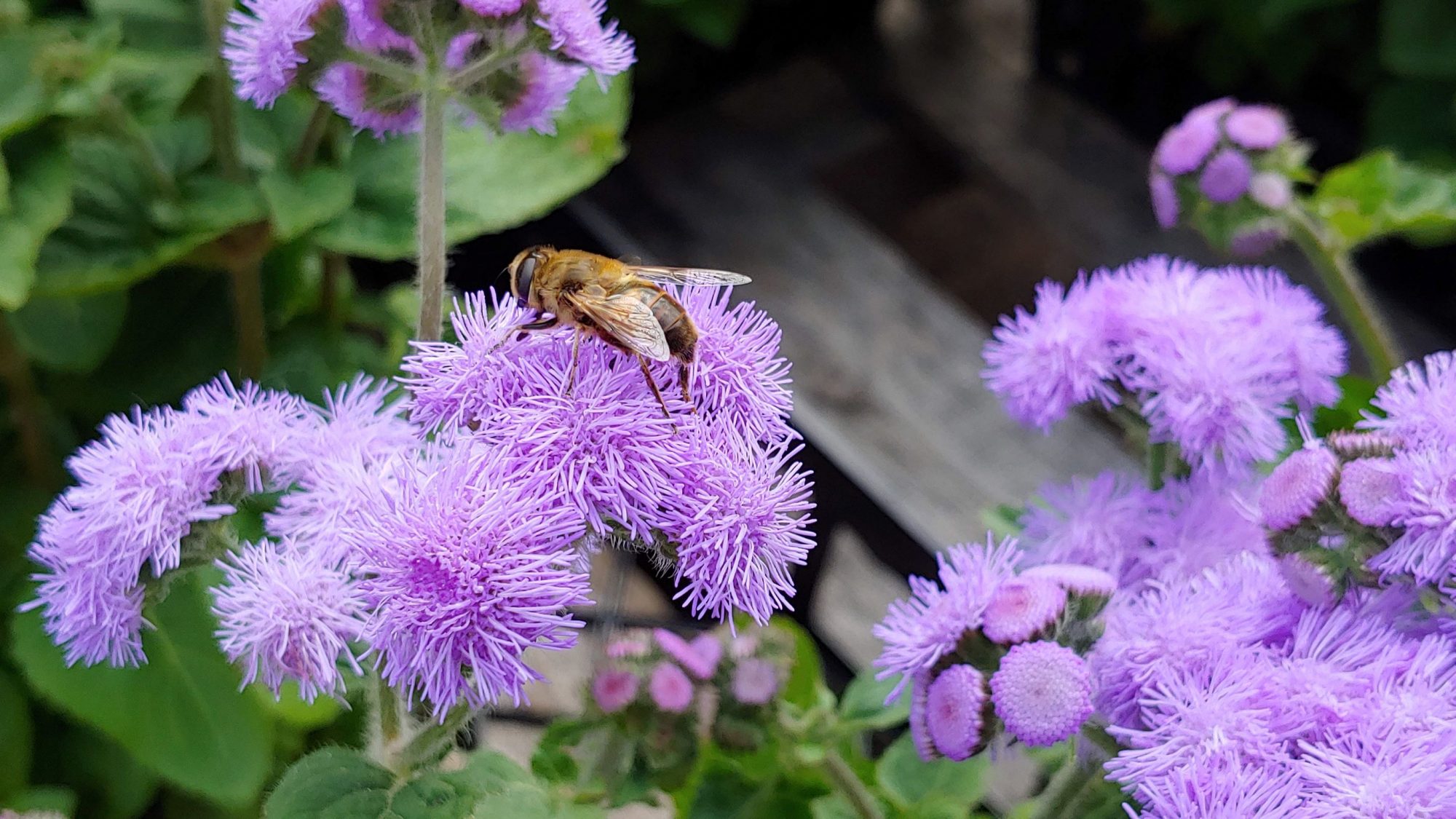
Perennials are a reliable food source for pollinators since they bloom at the same time every year. But many annuals, like
For the best results, mix both. Plant native perennials for consistency, and annuals for extended bloom time.
11. What’s already growing in your garden?
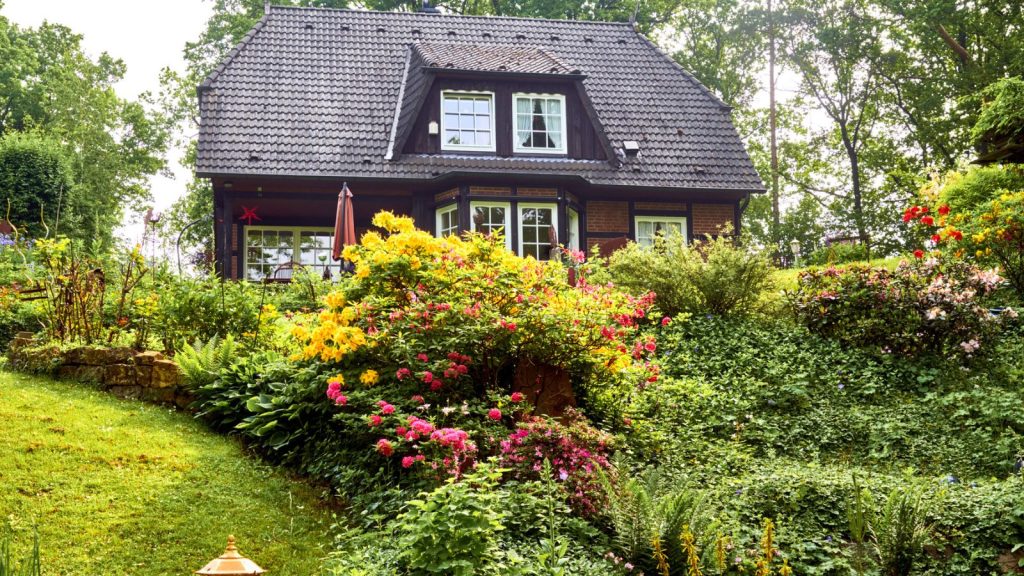
Some spots in your garden, like under big trees, can be tough for new plants to establish themselves. Trees often hog sunlight and water, making it hard for shallow-rooted annuals to thrive. In these areas, hardy perennials like ferns or hostas are better suited as they cope better with competition.
However, if you have a sunny vegetable bed, they pair well with fast-growing annuals that don’t interfere with crop rotation, like basil or
12. How do you feel about replanting every year?
Now, this is where you have to be completely honest with yourself. Some gardeners enjoy picking out new plants every spring, while others dread the thought of kneeling in the dirt with seedlings year in and year out.
If the thought of constantly planting feels like a chore, go with more perennials. But if gardening is your version of therapy and you don’t mind the back-breaking work, annuals are the way to go.
13. What garden style do you love?
If you like neat, rigid garden layouts with repeated patterns, perennials are a great fit. But if you lean more towards cottagecore or love the look of wildflower meadows, annuals are a better match. Structured designs tend to favor perennials, while free-flowing ones embrace the mix-and-match feel of annuals.
14. Will you need to change your garden layout?
If you’re renting, moving often, or remodeling constantly, it makes sense to choose annuals. They’re short-lived and easy to remove and rearrange year to year. Perennials don’t love being uprooted repeatedly. So if your layout might change soon, stick with pots and annual beds until you’re settled.
15. When do you have the most time and energy for gardening?
Perennials need a lot of attention in spring and fall. You need to add new plants, divide existing ones, or trim back old growth. However, the workload lightens in summer, with just some weeding and cleanup.
Annuals, on the other hand, keep you busy almost all year round. You’re either sowing or transplanting in early spring and again in fall while clearing out dead plants. Consider when you actually have the time and energy, and then choose plants that match your schedule.