This post may contain affiliate links.


If you’re dreaming of a garden full of color year after year, perennial flowers are the way to go. Whether you’re drawn to soft pastels or bold, vibrant shades, there’s a perennial out there. Each one has something special to offer—attracting pollinators, thriving in tough conditions, or simply stealing the show with eye-catching blooms.
This list of 42 colorful perennials includes a mix of shapes, sizes, and bloom times to help you build an interesting garden from spring through fall.
Daylily (Hemerocallis spp.)

Daylily is a tough and beautiful garden favorite that bursts into bloom with trumpet-shaped flowers in shades ranging from soft yellow to deep burgundy. Each bloom lasts just a day, but multiple buds ensure weeks of continuous color. These reliable perennials thrive in almost any soil. Zones 3–10.
Tickseed (Coreopsis spp.)
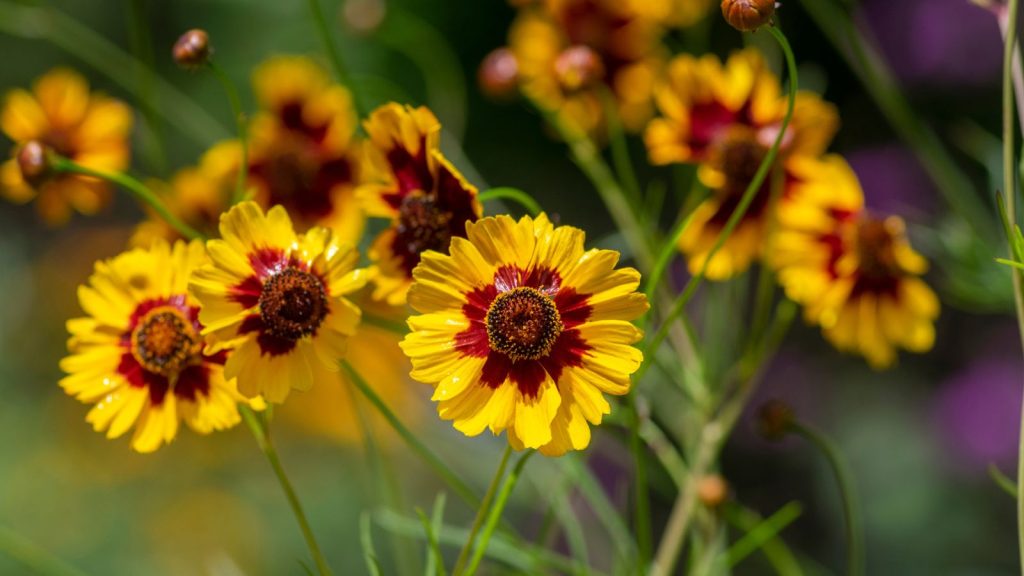
Tickseed brings an explosion of daisy-like blooms in golden yellows, oranges, and reds. Known for its long flowering season and ability to thrive in poor soils, it’s a go-to for bright, easy-care borders. This pollinator-friendly plant flourishes in full sun. Zones 2–8.
15 Yellow Perennial Flowers That Will Brighten Your Garden
Globe Thistle

Globe Thistle is a standout perennial known for its striking spherical blue flower heads that will add bold color to your garden. This hardy plant thrives in poor soil, dry conditions, and full sun, making it an excellent choice for low-maintenance landscapes.
Its spiky, silvery-green foliage creates a beautiful contrast with softer plants, while the long-lasting blooms attract bees, butterflies, and other pollinators.
Peony (Paeonia spp.)

With lush, fragrant blooms in soft pastels and rich jewel tones,
These 21 Pretty Pink Plants Are Everything Your Garden Has Been Missing
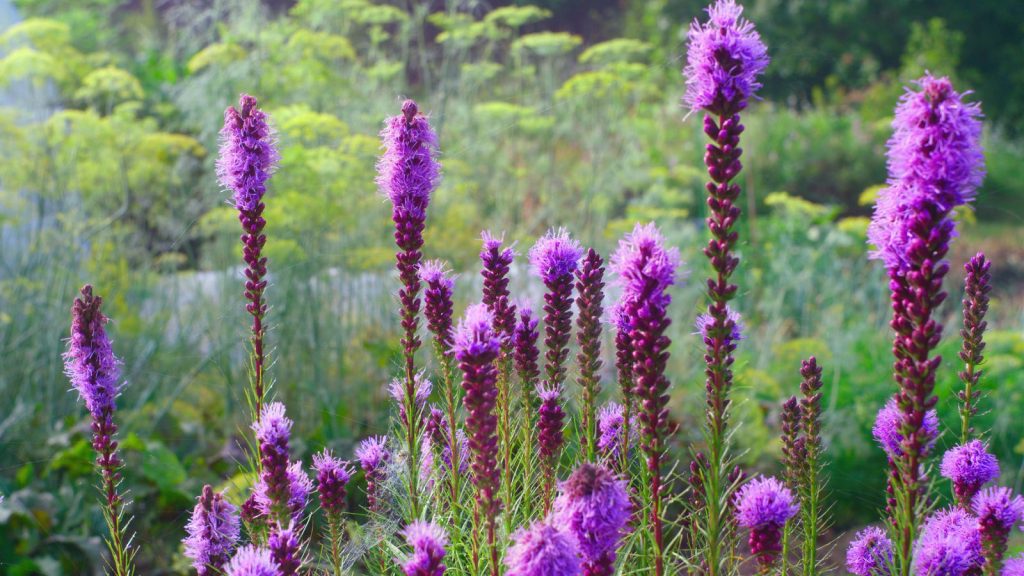
Liatris

Liatris, commonly known as blazing star or gayfeather, is a striking North American native that adds vertical beauty to any garden. Its tall, spiky flower stalks are covered in dense clusters of purple or pinkish-purple florets that bloom from top to bottom during summer and early fall, creating a unique, eye-catching display.
Liatris thrives in USDA hardiness zones 3-9. It prefers full sun and well-drained soil, making it a low-maintenance choice for gardeners looking for resilient, long-lasting blooms.
Sneezeweed (Helenium autumnale)

Despite the name, Helenium autumnale won’t make you sneeze—it’s actually allergy-friendly. This late-season bloomer showcases daisy-like flowers in brilliant yellow, orange, and red hues, bringing warmth to the garden as summer fades. It thrives in full sun and moist soil and is hardy in Zones 3–10.
Lavender (Lavandula spp.)

Lavandula is a garden classic with silvery foliage and fragrant purple flower spikes. Loved by butterflies and bees,
16 Most Fragrant Flowers That Add Sweet Scents to the Garden
Kniphofia (Red Hot Poker)

Red hot pokers (Kniphofia), also known as torch lilies, are eye-catching herbaceous perennials that stand out for their tall flower spikes. They bloom in vibrant shades of red, orange, and yellow during spring and summer.
Their bright blooms are a magnet for pollinators like bees and butterflies. Red hot pokers thrive in full sun and well-drained soil and are hardy in USDA Zones 5-9.
Thrift (Armeria maritima)

Often called sea thrift or sea pink, Armeria maritima is a hardy perennial known for its cheerful, globe-shaped blooms in vibrant shades of pink. It creates a striking border and is perfect for rocky or coastal gardens.
Adaptable and drought-tolerant, thrift grows well in Zones 3–9, making it a reliable, low-maintenance choice for gardeners in various climates.
Coral Bells (Heuchera spp.)

Heuchera species, commonly known as coral bells, bring year-round interest with colorful foliage ranging from lime green to deep burgundy. In late spring, tall spikes of delicate, bell-shaped flowers emerge, attracting hummingbirds and pollinators. Ideal for shaded beds or woodland gardens, coral bells are both ornamental and resilient.
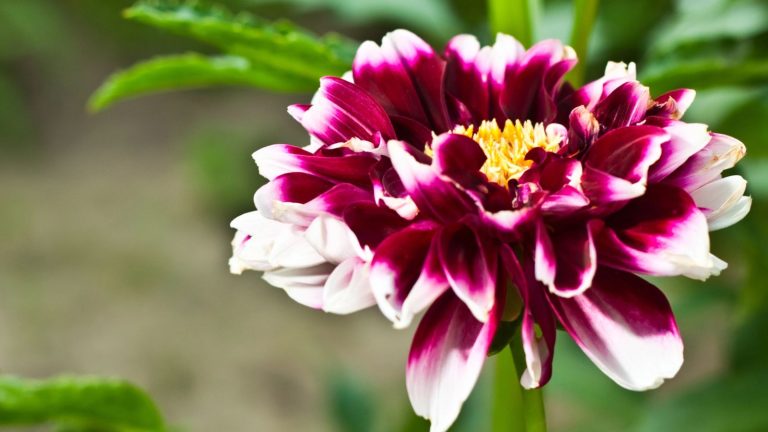
Dahlia (Dahlia spp.)

Known for their dramatic blooms, Dahlia species offer a kaleidoscope of colors and shapes. These showstoppers perform beautifully in borders, containers, or cutting gardens. While perennial in Zones 8–11, gardeners in cooler zones often lift and store the tubers to enjoy them again next season. Dahlias prefer sunny spots with rich, well-drained soil.
Hellebore (Helleborus spp.)

Also called Lenten rose, Helleborus species bloom when most gardens are still asleep, offering nodding flowers in creamy whites, soft pinks, or dusky purples. These shade-loving perennials thrive in Zones 4–10 and provide an elegant display in late winter to early spring. Their evergreen foliage adds texture year-round.
Perennial Geranium (Geranium spp.)

Often called cranesbill, Geranium species offer profuse blooms in shades of blue, pink, purple, and white. Their delicate, veined petals and spreading habit make them perfect for borders and ground cover. Many varieties rebloom when cut back after flowering, extending their charm from spring through fall.
Clematis (Clematis spp.)

Clematis vines are known for their stunning flowers and climbing habit. Large, showy blooms—often in purple, pink, or white—bring vertical interest to trellises, fences, and arbors. These sun-loving perennials benefit from shaded roots and consistent moisture for best performance.
Bee Balm (Monarda didyma)
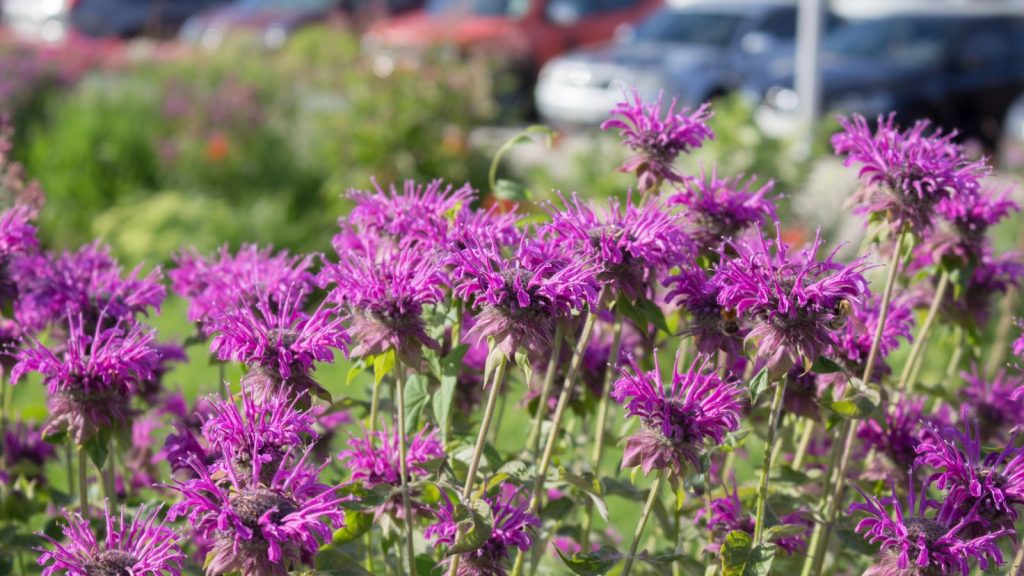
Bee balm is a magnet for hummingbirds, bees, and butterflies. Its shaggy, tubular blooms in red, pink, or purple add drama to sunny gardens. A member of the mint family, it spreads readily and brings cheerful color to the summer garden. Zones 4–8.
Catnip (Nepeta cataria)

While cats adore it, Catnip also earns a place in ornamental beds. This soft, gray-green perennial has spikes of pale
12 of the Best Herb Plants to Grow from Cuttings
Garden Phlox (Phlox paniculata)

Phlox lights up the summer garden with tall clusters of sweetly scented flowers in shades of pink, purple, and white. A favorite of bees and butterflies, this classic perennial performs best in full sun with consistent moisture. Hardy in Zones 4–8 this plant adds height and fragrance to borders.
Sedum ‘Autumn Joy’

Sedum is loved for its late-season color and succulent leaves. Its rosy flower heads mature to deep copper, attracting butterflies and adding winter interest when left standing. This fuss-free plant loves the sun and thrives in dry conditions. Zones 3–9.
Alliums (Allium spp.)

Alliums are striking ornamental bulbs that produce beautiful flowers on tall, slender stalks. They add dramatic height and visual interest to garden beds and borders. They are easy to grow and low maintenance. Additionally, their strong scent helps repel squirrels and other garden pests, serving as an effective natural deterrent.
Related: 16 Stunning Purple Perennial Flowers That Will Make Your Garden Pop
Hydrangeas (Hydrangea spp.)

Hydrangeas are perennial shrubs known for their large blooms, which mimic the lush appearance of roses when grouped. Their color can vary widely depending on the soil’s pH. They thrive in morning sun and afternoon shade and require moist, rich, well-drained soil.
Goldenrod (Solidago spp.)

Goldenrod brings a golden glow to the garden in late summer. Often misunderstood as an allergen (it isn’t),
Yarrow (Achillea millefolium)

Yarrow is a tough, sun-loving perennial with flat clusters of tiny flowers in vibrant shades—yellow, red, pink, and white. Its fern-like foliage and drought resistance make it an excellent choice for hot, dry gardens. It’s also a favorite of bees and butterflies. Zones 3–9.
Eucomis (Pineapple Lily)

Eucomis, commonly known as pineapple lily, is a summer-blooming bulb with striking, unusual flowers that resemble a pineapple, thanks to the tufted cluster at the top of its sturdy stem. This unique appearance gives the plant its popular name.
Flowering from late summer through early autumn, Eucomis is easy to grow and adds a tropical flair to sunny borders or sheltered gardens. They come in shades of white, pink, and violet.
Hyacinth (Hyacinthus orientalis)

Hyacinth bursts into bloom in early spring with vibrant, fragrant flowers in shades of blue, pink, white, and purple. These cheerful blossoms are perfect for borders or containers and can also be forced indoors during winter. Plant the bulbs in fall in well-drained soil for a springtime payoff. Zones 4–8.
Hybrid Astilbe (Astilbe × arendsii)

Astilbe lights up shady spots with tall plumes of feathery flowers in soft pinks, whites, and reds. Its fern-like leaves provide texture even after the blooms fade. A dependable perennial for woodland gardens or moist borders, it thrives in consistently damp soil. Zones 4–9.
Penstemon (Penstemon spp.)

Penstemon produces slender, tubular blooms in rich hues of red, purple, or pink that attract hummingbirds and bees. Known for its upright growth and long bloom period, it’s also deer-resistant and well-suited to sunny, dry areas. Zones 3–9.
Turtlehead (Chelone lyonii)

Turtlehead gets its name from the shape of its blooms, which resemble a turtle poking its head from a shell. These unique flowers appear in pink or white and thrive in moist, partially shaded locations. It’s a great addition for late-season color. Zones 3–8.
Virginia Bluebells (Mertensia virginica)
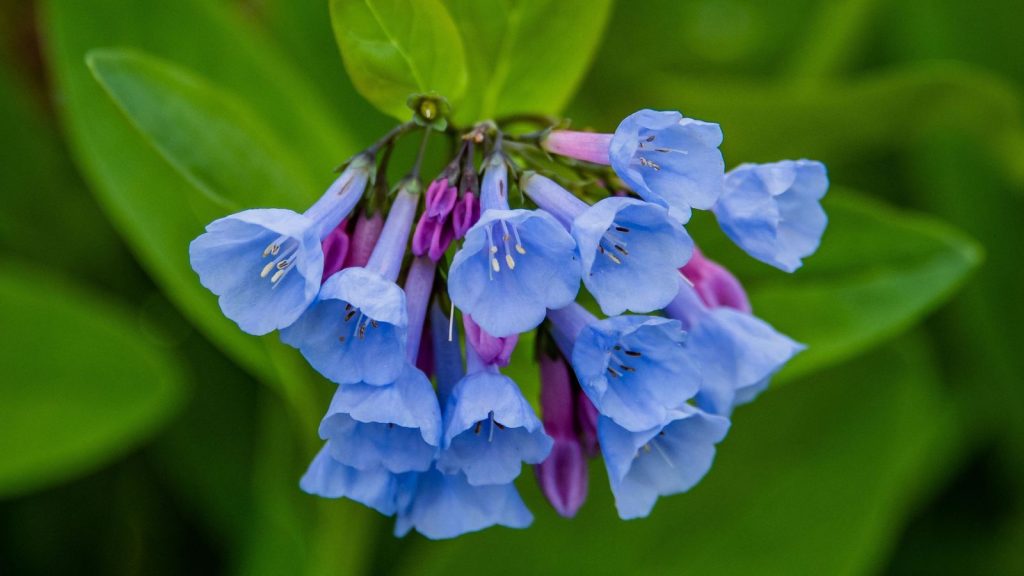
Virginia bluebells open in early spring with nodding clusters of pink buds that turn into stunning sky-blue flowers. A woodland favorite, they naturalize beautifully in shady gardens and go dormant after flowering, making room for summer plants. Zones 3–8.
Bleeding Heart (Lamprocapnos spectabilis)

Bleeding heart is a spring-blooming perennial with arching stems of heart-shaped flowers in pink or white. It adds a whimsical touch to shaded gardens and pairs well with ferns and hostas. Prefers moist, well-drained soil and a bit of afternoon shade. Zones 3–9.
Aster (Symphyotrichum spp.)

Asters bring a flush of color to the late-season garden with star-shaped flowers in pink, purple, blue, or white. These pollinator-friendly plants are essential for fall blooms and attract bees and butterflies when many other flowers have faded. Zones 3–8.
Creeping Thyme (Thymus serpyllum)

Creeping thyme forms a fragrant, low-growing carpet that produces tiny pink or purple flowers in summer. It’s often used as a lawn alternative or between stepping stones. Drought-tolerant and deer-resistant, this groundcover thrives in full sun. Zones 4–9.
Bellflower (Campanula spp.)

Bellflower is an attractive perennial known for its bell-shaped blooms in blue, purple, or white. It’s great for brightening garden borders or rock gardens and attracts pollinators with its nectar-rich flowers. It thrives in full sun to partial shade. Zones 4–8.
Coneflower (Echinacea purpurea)

Coneflower is a garden staple with daisy-like blooms in shades of purple, pink, or white and a distinctive central cone. Loved by bees and butterflies, it’s tough, drought-tolerant, and blooms from summer until frost. Zones 4–9.
Columbine (Aquilegia spp.)

Columbine adds a whimsical touch to the garden with its delicate, nodding flowers that come in a range of colors, including striking two-tones. With their long spurs and lacy foliage, they look right at home in naturalized or cottage garden settings. These deer-resistant blooms appear in spring and early summer. Zones 3–9.
Butterfly Weed (Asclepias tuberosa)
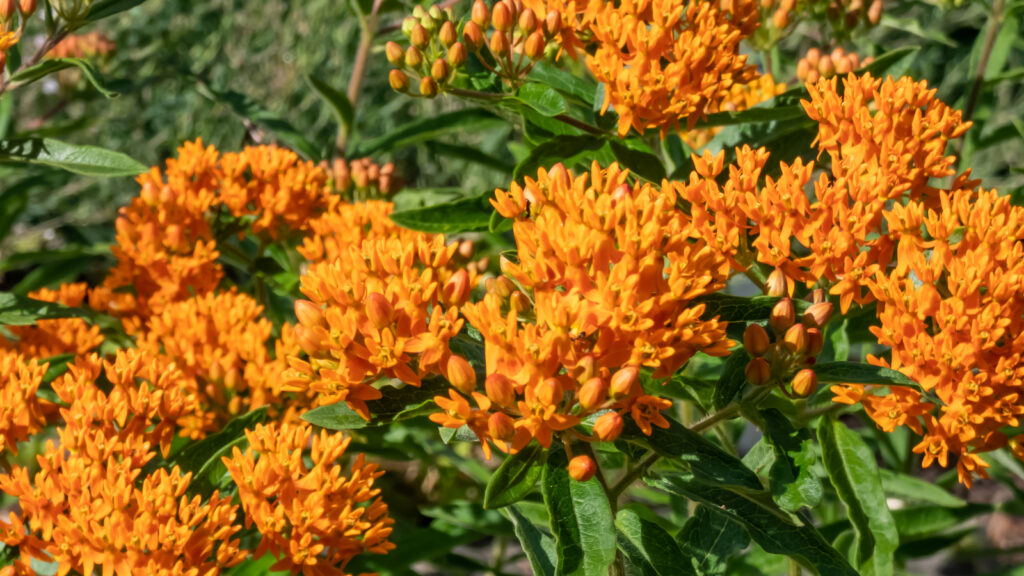
Butterfly weed is a native perennial that produces clusters of vivid orange, yellow, or red flowers. As a member of the milkweed family, it plays a critical role in supporting monarch butterflies. This sun-loving plant prefers dry, sandy soil, bringing bold color to wildflower or pollinator gardens. Zones 3–9.
False Indigo (Baptisia australis)

False indigo stands out with tall spires of deep blue flowers and attractive gray-green foliage. Once established, it’s incredibly drought-tolerant and virtually maintenance-free. Over time, it forms a large, shrub-like clump, ideal for the back of sunny borders. Zones 3–9.
Catmint
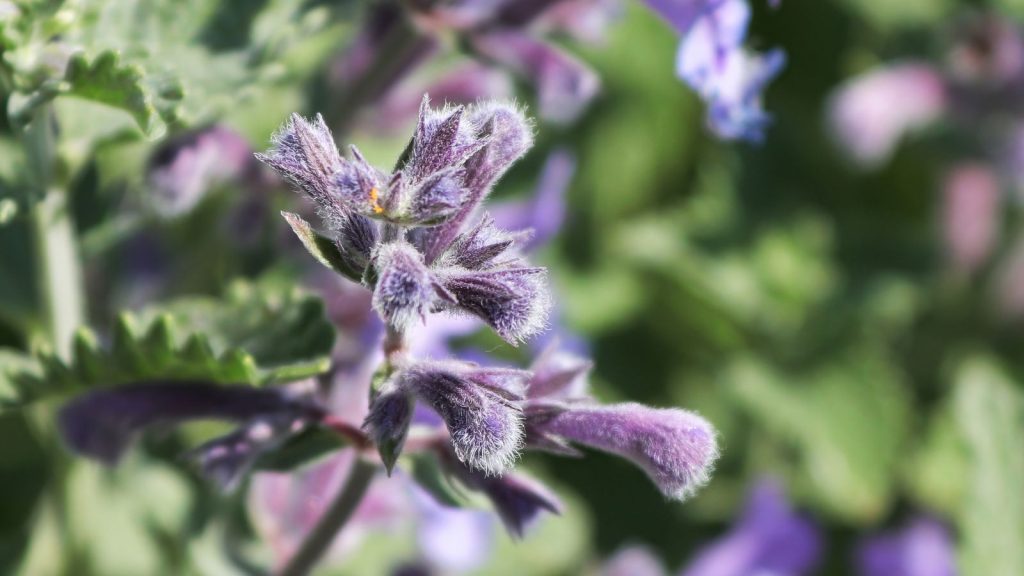
Catmint offers soft
Balloon Flower (Platycodon grandiflorus)

Balloon flower gets its name from the way its buds puff up like balloons before bursting open into star-shaped blooms. These perennials come in shades of blue, pink, and white and are perfect for borders or containers. They’re low-maintenance and bloom reliably all summer. Zones 3–8.
18 Brilliant Blue Perennials to Add Splashes of Color to Your Garden
Black-Eyed Susan (Rudbeckia hirta)

Black-eyed Susan is a cheerful flower with sunny yellow petals and a dark center. It’s often found lighting up meadows or garden borders. It’s beloved by pollinators and blooms for weeks from midsummer into fall. These hardy plants are pest-resistant and easy to grow. Zones 3–9.
Delphinium (Delphinium spp.)

Delphinium brings vertical drama to flower beds with its towering spikes of vivid blue, purple, pink, or white blossoms. While stunning, they appreciate extra care—stake tall stems and provide rich, well-drained soil. Ideal for cottage gardens or cut flower arrangements. Zones 3–8.
16 Gorgeous Wildflowers Perfect for Low Maintenance Gardens
Blanket Flowers

Blanket flowers are an excellent choice for adding bright, long-lasting color to the garden. This sun-loving, drought-tolerant perennial produces vibrant red, yellow, and orange blooms from summer through fall, creating a warm and cheerful display. Its flowers attract bees and butterflies, making it a great addition to a pollinator-friendly garden.
Foamflower

Foamflower is a charming ground cover with white or pinkish flowers rising above variegated foliage, perfect for a woodland garden. It is a tough plant that requires little care to grow and flower. Zones 3-9
20 Flowering Shrubs That Will Make Your Garden Look Like a Work of Art
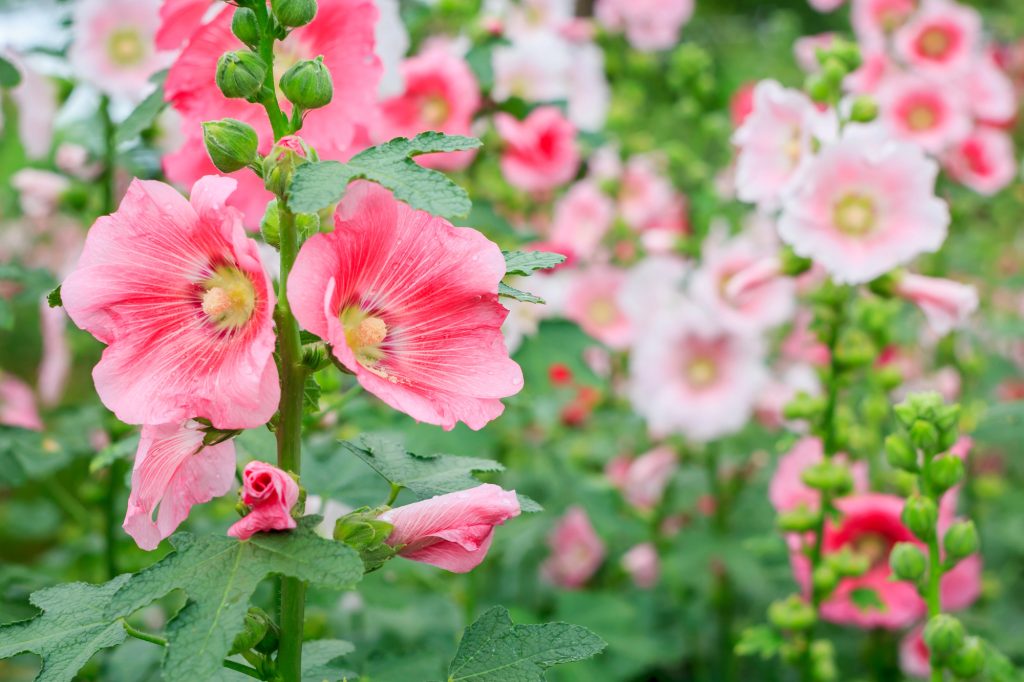
If you’re looking to bring a gorgeous touch to your landscape, here are 20 flowering shrubs that will make your garden look like a work of art.
20 Flowering Shrubs That Will Make Your Garden Look Like a Work of Art
14 Native Flowers That Thrive in Dense Clay Soil
Whether you’re aiming for bursts of color, pollinator-friendly blooms, or hardy perennials that return year after year, these native plants will transform your clay-heavy garden into a thriving, beautiful space.
14 Native Flowers That Thrive in Dense Clay Soil
22 Perennials That Will Take Over Your Garden (And Not in a Good Way)

If you want a thriving, low-maintenance garden without unexpected headaches, it’s best to think twice before planting these problematic perennials.
22 Perennials That Will Take Over Your Garden (And Not in a Good Way)