
Flour is a staple ingredient in most kitchens, but in a survival situation, finding alternative sources of flour could be crucial. Whether you’re baking bread, making tortillas, or thickening a stew, having a reliable source of starch can provide much-needed calories and energy when food supplies are limited.
While many people assume wheat is the only option for flour, nature provides a surprising number of plants, seeds, and even roots that can be ground into flour. Many of these are considered weeds and grow abundantly in the wild, making them an excellent survival resource. Instead of seeing them as a nuisance in your garden or along roadsides, you might start viewing them as a hidden food supply.
The list below highlights plants that can be foraged and processed into flour, ensuring you have an alternative food source when traditional options aren’t available.
Acorns

Acorns are a widely available food source, but they require some processing before they can be turned into flour. Acorns contain tannins, which give them a bitter taste and can be toxic in large amounts.
To remove the tannins, soak shelled acorns in water for several days, changing the water regularly until it runs clear. Once leached, dry the acorns thoroughly and grind them into a fine flour. Acorn flour has a slightly nutty flavor and works well in bread, pancakes, and porridge.
Cattail Roots

Cattails are an excellent survival food, and their roots can be used to make flour. To harvest, dig up the rhizomes, clean off the mud, and peel away the tough outer layer.
Once the fibrous core is exposed, dry the roots and grind them into a fine flour. Cattail flour is rich in carbohydrates and can be used for baking or thickening soups and stews.
Amaranth Seeds

Amaranth is a highly nutritious plant that has been cultivated for centuries. Its tiny seeds are packed with protein and fiber, making them a great flour alternative. To prepare, collect the seeds, remove any chaff, and grind them into a fine flour. Amaranth flour has a slightly earthy taste and works well in flatbreads and baked goods when mixed with other flours.
Quinoa Seeds

Quinoa is another protein-rich seed that can be dried and ground into flour. It has a mild, nutty flavor and provides essential amino acids, making it an excellent choice for survival nutrition.
Before grinding, rinse quinoa thoroughly to remove its natural saponins, which can cause a bitter taste. Once dry, quinoa can be milled into a fine flour for use in baking or as a thickener for soups.
Buckwheat Seeds

Despite its name, buckwheat is completely gluten-free and not related to wheat. The seeds, or groats, can be dried and ground into flour with a slightly nutty and earthy flavor. Buckwheat flour is great for pancakes, bread, and other baked goods. It also has a high protein content, making it a nutritious survival food.
Chestnuts

Chestnuts are naturally starchy and sweet, making them an excellent choice for flour production. To prepare chestnut flour, shell the nuts, dry them thoroughly, and grind them into a fine powder.
This slightly sweet flour works well in cakes, pastries, and breads. Since chestnuts have a lower fat content than most nuts, chestnut flour has a longer shelf life when stored properly.
Sunflower Seeds

Sunflower seeds can be roasted and ground into a flour-like consistency. This nutty flour is high in healthy fats and protein, making it a great addition to survival baking. Sunflower seed flour can be used alone or mixed with other flours to create more balanced textures and flavors in baked goods.
Pumpkin Seeds

Pumpkin seeds, or pepitas, are another great source of protein and healthy fats. After drying, they can be ground into a nutrient-rich flour that adds a slightly nutty flavor to baked goods.
Chicory Root

Chicory root is well known as a coffee substitute but can also be dried and ground into flour. The root has a slightly bitter taste, but when mixed with other flours, it can add fiber and nutrition to baked goods. Chicory root flour is also used in some traditional bread recipes to improve texture and flavor.
Dandelion Roots

Dandelions are more than just a garden weed—they provide edible leaves, flowers, and roots. The roots can be harvested, cleaned, dried, and roasted before being ground into a flour-like powder. Dandelion root flour can be added to baked goods or mixed with other flour to create a nutrient-dense alternative.
Plantain Seeds (Broadleaf Plantain)

Broadleaf plantain produces tiny seeds that can be dried and ground into flour. While not as commonly used as other wild flours, plantain seed flour provides a good source of fiber and can be blended with other flours for use in baking or thickening soups.
Jerusalem Artichokes

Jerusalem artichokes, also known as
Sorghum Grain
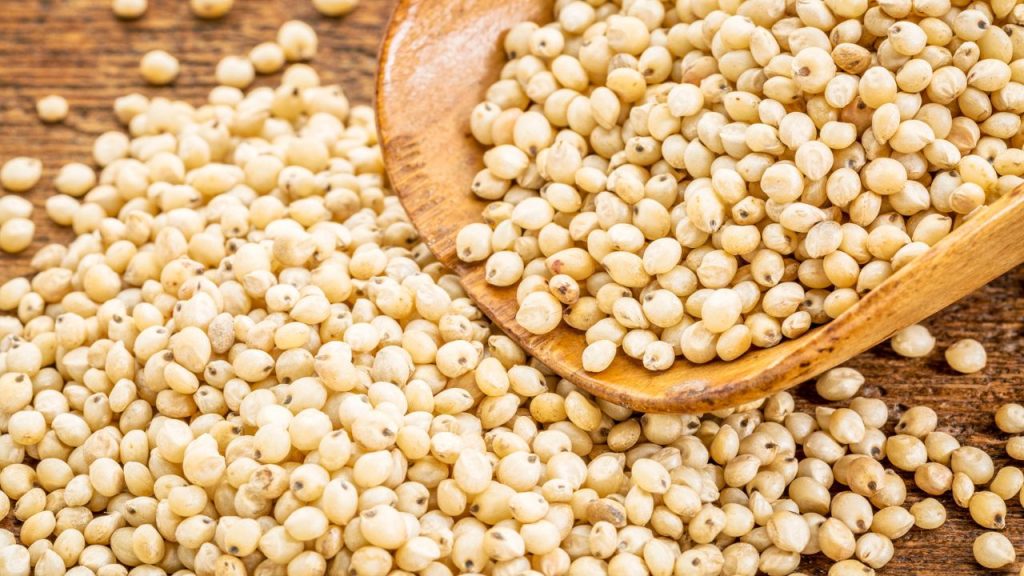
Sorghum is a drought-resistant grain that has been used for centuries in flour production. It is naturally gluten-free and provides a mild, slightly sweet flavor. Sorghum flour is an excellent choice for bread, pancakes, and even porridge. When combined with other flours, it helps improve texture and adds nutritional value.
Corn
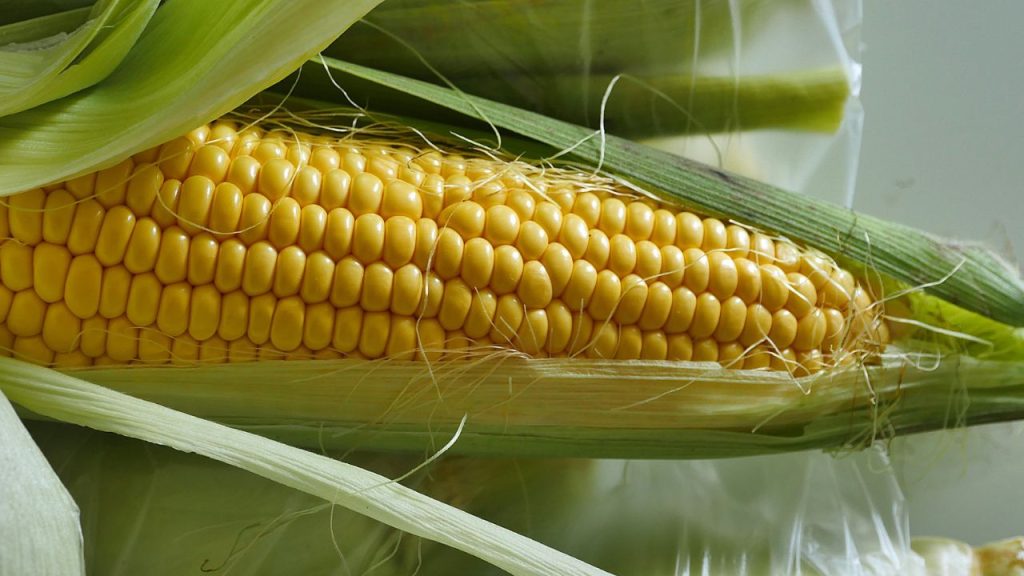
Corn is one of the most universal survival grains. Once dried, it can be ground into cornmeal for baking cornbread, making tortillas, or thickening soups. A finer grind results in corn flour, which can be used in baked goods. Corn flour and cornmeal are both excellent staples for a long-term survival food supply.
Arrowroot

Arrowroot is a tuber that can be dried and ground into a fine, starchy flour. It is often used as a thickening agent for soups, sauces, and puddings, but it can also be blended with other flour to create a gluten-free baking alternative. Arrowroot flour is easy to digest and has a neutral flavor, making it a great survival staple.
28 Pantry Staples You’ll Be Surprised to Learn Are This Easy to Make at Home

What if you could make your favorite pantry staples at home instead of buying them at the store? Making things from scratch is a simple way to rely less on grocery stores and have more control over what’s in your food.
28 Pantry Staples You’ll Be Surprised to Learn Are This Easy to Make at Home
15 Plants Every Prepper Should Grow for a Self-Sustaining Survival Garden

True preparedness lies in sustainability—cultivating food and plants that can support your family when trips to the store or pharmacy are no longer an option.
15 Plants Every Prepper Should Grow for a Self-Sustaining Survival Garden