
Mums are often seen as the classic sign that the growing season is winding down and cooler weather is approaching. But that doesn’t mean your gardening has to stop.
In fact, it’s the perfect time to plant vibrant flowers that aren’t mums. These stunning fall-blooming plants can add bright color to your garden, keeping it lively all season long. Whether they bloom in fall, are planted in summer for autumn color, or thrive in cooler temperatures, these flowers are great alternatives to mums. Here are some of the best fall-bloomers to consider for your garden this year.
Aster
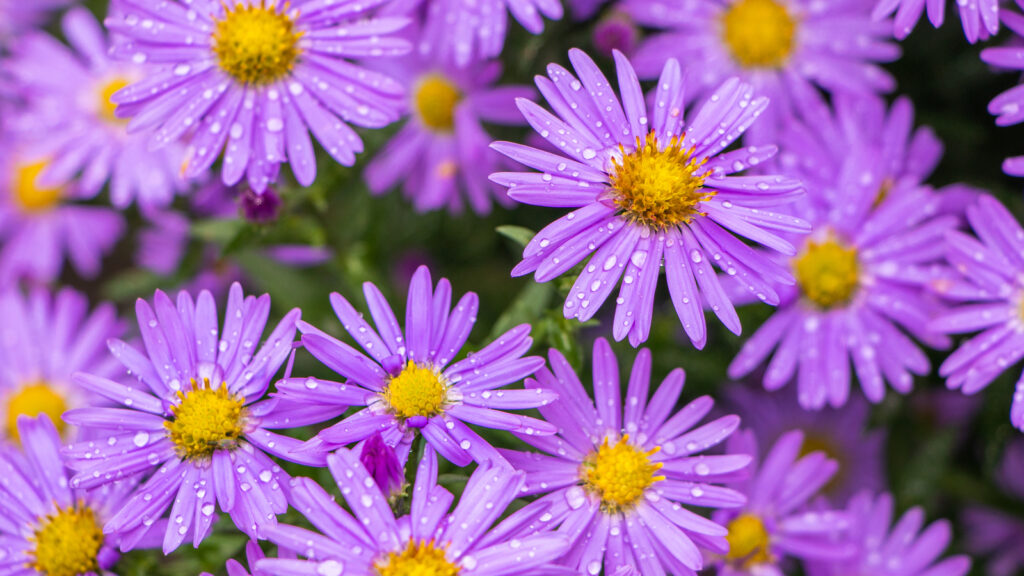
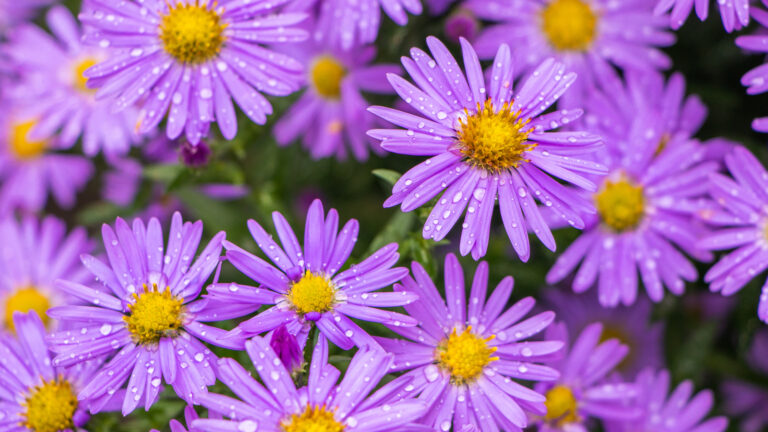
Asters come in various shades of purple, pink, and yellow, making them perfect for fall gardens. These daisy-like flowers attract pollinators and are beloved for their abundant late summer and fall blooms, adding a burst of color to any garden.
These hardy perennials are adaptable and thrive in various soil types, moisture levels, and USDA hardiness zones 3-9. They prefer full sun but can tolerate partial shade.
Turtlehead

Named for its unique flower shape, which resembles a turtle’s head, Turtlehead thrives in moist, shaded areas, providing late-season color with its pink or white blooms. This plant pairs nicely with small shrubs. Zone 3-8
Goldenrod (Solidago spp.)

Goldenrod is a plant that blooms in late summer, showcasing tall spikes filled with small, bright yellow flowers. It does best in conditions ranging from full sun to partial shade. The vivid yellow flowers of
African Daisy

African Daisies, also known as Osteospermum, can be grown as either perennials or annuals, depending on the climate. In colder climates—zones 9 and below—they are generally treated as annuals and must be replanted annually.
Autumn Crocus

Autumn crocus, also known as colchicum or meadow saffron, is a captivating bulb flower that blooms in late summer or early fall. The flower is delicate, with a goblet-shaped form in shades of purple, pink, or white.
This unique plant emerges directly from the soil without any foliage, earning it the nickname “naked lady.” While admired for its ethereal beauty, the autumn crocus is important to handle carefully, as all parts of the plant are highly toxic if ingested.
Anemone

Fall-blooming with simple, poppy-like white flowers that are soft and delicate looking. It is best to plant in partial shade in fertile, moist soil that drains well but doesn’t dry out quickly. Divide clumps every few years to maintain vigor and produce more plants.
Helenium

Also known as sneezeweed,
Calendula

Calendula seeds sown in August will produce a glorious display of early spring blooms, ideal for pollinating insects as they emerge from hibernation.
Sedum (Autumn Joy)

Sedum varieties are low-maintenance and thrive in full sun. They provide late-season blooms and are excellent for attracting butterflies. These flowers are long-lasting and dry well for winter arrangements. Zones 3-9
Petunia (Petunia × hybrida)

Petunias are prolific bloomers, offering a range of trumpet-shaped flowers in various colors, including purple, pink, white, and red. Their stunning display makes petunias a garden favorite.
They are excellent for containers, hanging baskets, and rock gardens, blooming continuously with regular deadheading. Plant in well-drained soil in a sunny spot. These plants will bloom until the first frost, creating a garden full of vibrant colors and lush growth.
Tickseed (Coreopsis)

Coreopsis is loved for its vibrant, daisy-like flowers in shades of yellow, gold, orange, and occasionally red or pink.
This hardy, drought-tolerant plant blooms from early summer to fall, adding a lasting splash of color to the garden. It thrives in full sun and well-drained soil, making it an easy-care option for various settings. Zones 4-9